
Plumbing technology has accelerated rapidly in the last eighteen months, moving from basic manual tools toward sophisticated, automated systems that prioritize damage prevention and resource conservation. If you’re looking for the best new plumbing gadgets 2026 has to offer, you’re likely interested in how these innovations can lower your utility bills or prevent catastrophic water damage. Homeowners can expect to spend between $150 and $450 for entry-level smart leak detectors, while complete home-automation water control systems typically range from $600 to $1,800 depending on the complexity of the installation.
Key Takeaways
- Automated shut-off valves are the most effective way to prevent major water damage during pipe bursts.
- Smart flow monitors use ultrasonic sensors to track water usage in real-time, identifying leaks as small as one drop per minute.
- Installation of most modern plumbing gadgets requires basic hand tools, though smart valves often necessitate a professional plumber.
- Integrating plumbing devices into your smart home network can provide remote access and emergency alert capabilities.
- Prioritize devices with battery backups to ensure protection remains active during power outages.
Smart Water Shut-Off Valves
The most significant advancement in residential plumbing is the evolution of the smart shut-off valve. These devices attach directly to your main water line and use flow-sensing technology to detect abnormal patterns. If the system identifies a continuous flow that suggests a burst pipe or a running toilet, it automatically cuts off the water supply to the entire house.
Warning: Always verify that your chosen smart valve is compatible with your specific pipe diameter and material, such as PEX, copper, or PVC, before attempting installation.
Most current models, like those from Moen or Phyn, provide real-time data to a mobile app. This allows you to monitor your water usage by fixture and receive push notifications if a leak is detected while you’re away. Many insurance companies now offer discounts for homes equipped with these devices, as they drastically reduce the risk of structural flooding.
Advanced Leak Detection Systems
If you aren’t ready for a full-home shut-off system, smart leak sensors are an excellent, low-cost alternative. These small, disc-shaped gadgets are placed under sinks, near water heaters, or behind washing machines. When the sensors detect moisture, they trigger an immediate alarm and send a notification to your smartphone.
| Feature | Basic Sensor | Smart Hub Sensor |
|---|---|---|
| Connectivity | Wi-Fi / Bluetooth | Zigbee / Z-Wave |
| Battery Life | 1-2 Years | 3-5 Years |
| Alarm Type | Audible Only | App + Audible |
| Price Range | $25 – $60 | $80 – $150 |
These sensors are often part of a larger ecosystem, allowing you to link them to your smart home hub. When one sensor detects water, it can trigger other actions, such as turning off the smart water valve or activating a smart lighting system to alert you to the location of the leak.
Ultrasonic Flow Monitoring Technology
Ultrasonic monitoring is arguably the most precise method of tracking water consumption. Unlike mechanical meters that rely on moving parts, ultrasonic sensors measure the velocity of water as it passes through the pipe. This technology is incredibly sensitive, allowing the system to distinguish between a shower running and a slow leak in a toilet flapper.
Pro Tip: Place your ultrasonic monitor as close to the main water shut-off valve as possible to ensure the most accurate readings of total household water intake.
By analyzing the sound waves, these devices can identify the signature of every fixture in your home. This level of granularity helps homeowners identify inefficient appliances that may be wasting water long before they show up on a monthly utility bill. These systems are highly recommended for those looking to improve their sustainability profile.
Digital Showering Interface Upgrades
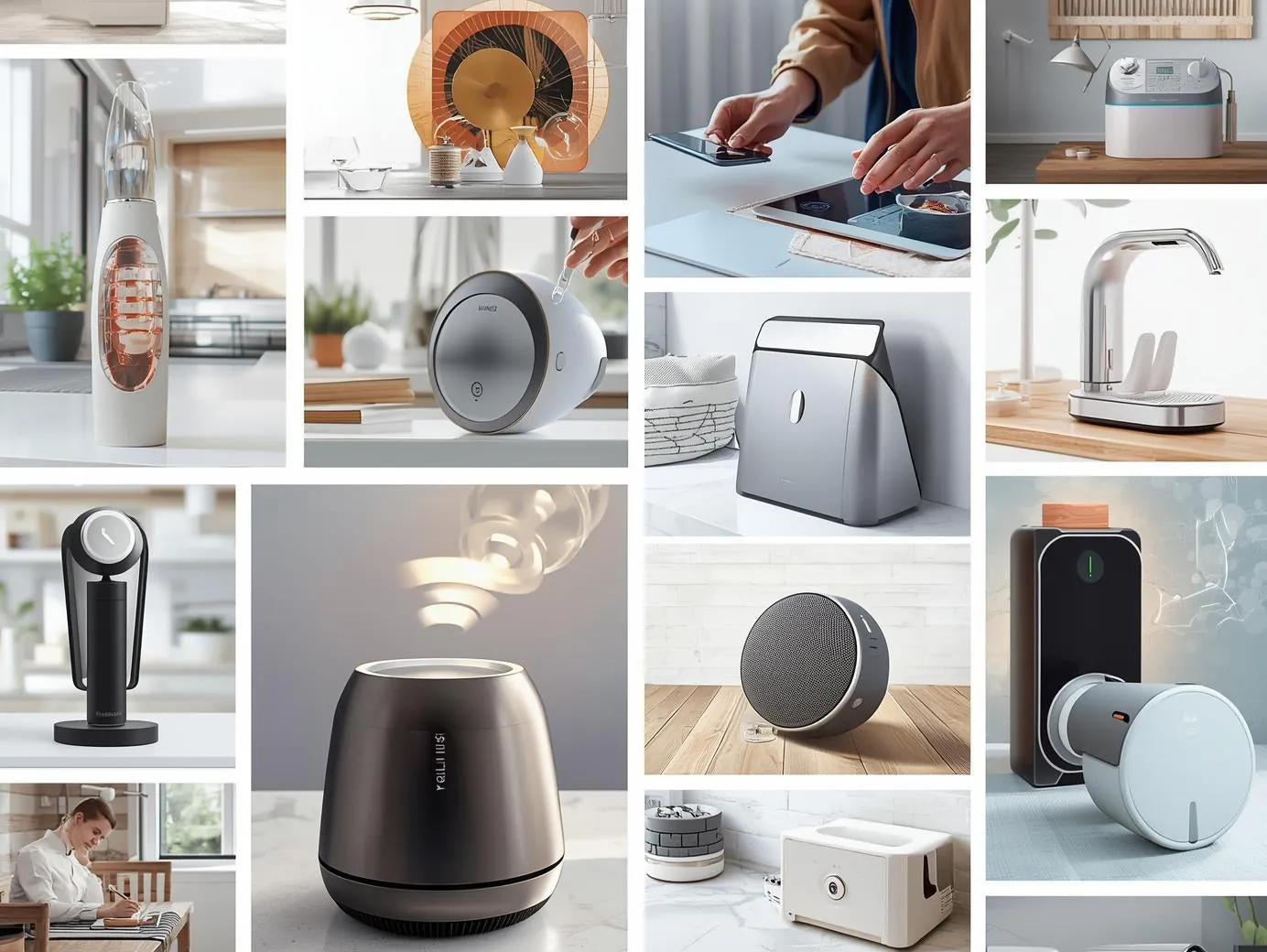
Showering technology has moved beyond simple pressure valves. New digital showering systems allow you to set exact temperatures and flow rates via a touchscreen or voice command. These systems often include pre-set profiles, enabling different family members to save their preferred temperature and duration settings.
Some advanced models also incorporate water-saving features, such as a “pause” function that stops the flow once the water reaches your desired temperature, preventing waste while you wait for the pipes to clear. These systems typically require a dedicated control box installed behind the shower wall, which manages the mixing of hot and cold water with high precision.
The Best New Plumbing Gadgets 2026
The market for high-tech plumbing is currently dominated by a few key players who have integrated artificial intelligence into their diagnostic tools. When searching for the right device, focus on the ecosystem compatibility—ensure the product works with the smart home platform you already use, such as Amazon Alexa, Google Home, or Apple HomeKit.
- Moen Flo Smart Water Monitor: Excellent for full-home protection and detailed usage analytics.
- Phyn Plus Smart Water Assistant: Known for its high-accuracy pressure monitoring and auto-shutoff capabilities.
- Govee Wi-Fi Water Sensors: The industry standard for affordable, reliable spot-detection.
- Kohler DTV Prompt System: A top-tier choice for those looking to modernize their shower experience.
- Delta VoiceIQ Technology: Allows for hands-free faucet operation, perfect for busy kitchens.
How Do Smart Valves Work?
Smart valves function as a bridge between your physical plumbing and your digital network. They contain a motorized ball valve that can be closed remotely or automatically. The system uses a flow meter to track the volume of water moving through the pipe. If the flow remains constant for a period that exceeds your programmed “normal” usage, the device assumes a leak has occurred.
According to the Environmental Protection Agency, household leaks can waste nearly one trillion gallons of water annually across the United States. By installing a smart valve, you aren’t just protecting your home from damage; you’re actively participating in national water conservation efforts. The software behind these valves is constantly updated via the cloud, meaning the device actually gets smarter at detecting leaks the longer it’s installed.
Installation and Maintenance Requirements
Installing a smart valve usually requires cutting into the main water line. For this reason, it’s almost always recommended to hire a licensed plumber to ensure the connection is leak-free and the valve is oriented correctly. Once the valve is installed, the maintenance is minimal, usually involving a firmware update every few months through the associated app.
| Task | Frequency | Difficulty |
|---|---|---|
| Firmware Updates | Quarterly | Easy |
| Battery Replacement | Annually | Easy |
| Valve Calibration | Semi-Annually | Medium |
| Sensor Cleaning | Bi-Annually | Easy |
Spot sensors, by contrast, are entirely DIY. You simply place them on the floor where water is likely to collect. The main maintenance task for these is checking the battery levels periodically and ensuring the sensor contacts remain free of dust or debris.
Troubleshooting Common Connectivity Issues
Even the best gadgets can suffer from connectivity drops. If your smart plumbing device goes offline, the first step is always to check your Wi-Fi signal strength at the installation site. Because many of these devices are installed in basements or utility closets, they may struggle to maintain a connection to a router located on a different floor.
- Check the Hub: Ensure your smart home hub is updated.
- Signal Boosters: Consider a Wi-Fi extender if the device is in a metal-enclosed area.
- Power Cycles: Unplug the device for 30 seconds to force a reconnection.
- App Updates: Ensure your mobile app is the latest version available.
If the device remains unresponsive, you may need to reset the unit to factory settings. Most units have a small pinhole reset button designed for this purpose. Always refer to the manufacturer’s manual before performing a hard reset, as you may lose your historical usage data.
Evaluating Long-Term Cost Savings
While the upfront cost of smart plumbing gadgets can be significant, the long-term savings often justify the investment. A single major pipe burst can cause tens of thousands of dollars in water damage, not to mention the cost of restoration and mold remediation. By preventing even one such event, a $500 smart valve pays for itself many times over.
Furthermore, the data provided by these devices helps you identify “silent” leaks. A toilet that runs constantly or a dripping faucet can waste thousands of gallons of water per year. Identifying these issues early through a smart monitor can save you significant amounts on your monthly utility bills.
Frequently Asked Questions
Do smart valves work without Wi-Fi?
Yes, most smart valves retain their core functionality even if the internet connection is lost. They’re programmed to detect abnormal flow patterns and trigger an automatic shut-off locally, without needing to communicate with the cloud. However, you won’t receive push notifications or be able to control the valve remotely until the connection to your home network is restored.
Can I install these gadgets myself?
Smart leak sensors and voice-activated faucets are generally easy for DIY enthusiasts to install with basic tools. However, smart shut-off valves typically require cutting into the main water supply line, which involves significant plumbing knowledge. For these devices, hiring a licensed plumber is highly recommended to ensure the installation is safe, compliant with local codes, and properly sealed against future leaks.
Do these devices increase my privacy risk?
Most reputable smart plumbing manufacturers utilize encrypted connections to transmit your usage data to the cloud. You can typically opt out of data sharing within the app settings if you prefer not to have your consumption habits analyzed for marketing purposes. Always review the privacy policy of the manufacturer before connecting a device to your home network to understand how your data is stored.
How long do the batteries last?
Most smart sensors are designed to last between one and three years on a single set of batteries, depending on the frequency of the alerts. Many apps will send you a notification when the battery level drops below 20%, giving you plenty of time to replace them. For hardwired smart valves, the device usually runs on AC power with a battery backup for emergencies.
Are these gadgets compatible with old pipes?
Most smart valves are compatible with standard pipe materials like copper, PEX, and PVC. However, if your home has very old galvanized steel pipes that have significant corrosion or reduced inner diameters, a professional assessment is necessary. A plumber may need to replace a section of the pipe to accommodate the sensor, ensuring that the device doesn’t restrict water flow or cause pressure drops.
Conclusion
Investing in these technologies represents a shift toward proactive home management rather than reactive repair. By integrating these systems today, you’re essentially installing an insurance policy against the most common and damaging household maintenance issues. Start by identifying the most vulnerable areas of your home—such as the basement, the laundry room, or the water heater closet—and implement a tiered monitoring strategy that fits your budget and your home’s specific layout.