
The best range hood for small kitchens is an under-cabinet unit with a minimum width of 30 inches and a capture area that covers the entire cooktop surface. These compact models maximize vertical space while providing the necessary airflow to remove smoke and grease. Because they mount directly beneath existing cupboards, you don’t lose precious storage space, which makes them the standard choice for kitchens with tight floor plans.
Your specific needs will change depending on your ventilation setup and the power of your stove. A recirculating hood works if you can’t vent outside, while a ducted model is better for removing moisture. We will look at how to balance these features to match your kitchen size and cooking habits.
Selecting the best range hood for small kitchens
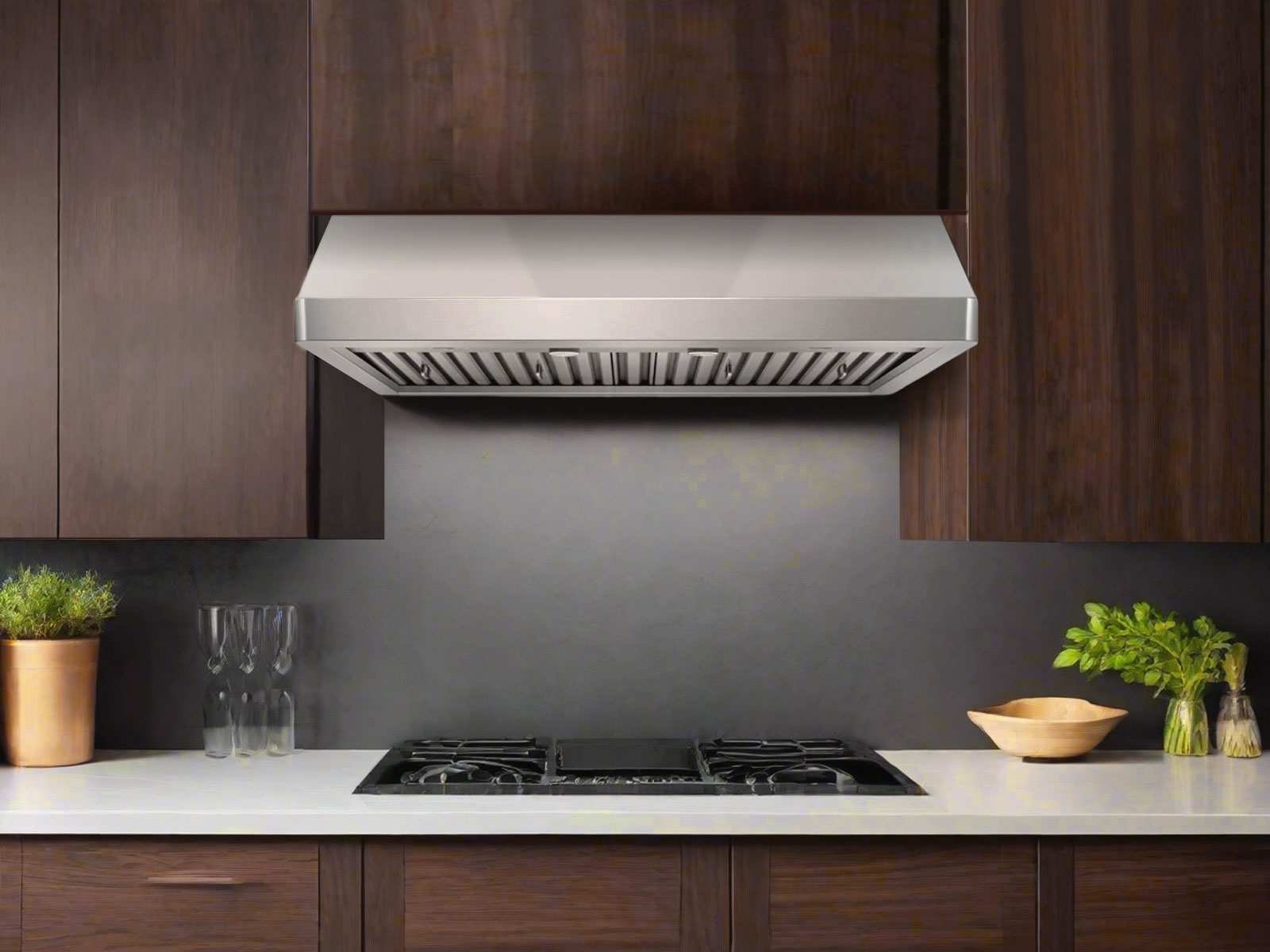
You’re likely looking for a solution that clears the air without crowding your workspace. Many homeowners in small apartments or galley-style kitchens struggle with bulky hoods that make the room feel smaller. The right choice depends on the amount of grease you produce and your ability to install ductwork through the wall or ceiling.
This article assumes you have a standard residential stove and need a solution that fits within a limited footprint. If you have a professional-grade range with high BTU output, you’ll need a higher-capacity system than most small-kitchen models provide. You should look for a unit that matches the width of your stove exactly. If your stove is 30 inches wide, don’t buy a 24-inch hood, as it will fail to capture smoke from the outer burners.
Factors affecting your ventilation performance
Several technical factors determine how well your hood performs. The most critical is the cubic feet per minute (CFM) rating, which measures how much air the fan moves. For a small kitchen, a range hood with a rating of 200 to 400 CFM is usually sufficient. If you choose a unit with less than 200 CFM, you’ll likely see smoke lingering in the room after you finish cooking.
Ducting is the next factor. Ducted systems vent air outside, which is the most effective way to remove heat and moisture. Recirculating systems use charcoal filters to clean the air and blow it back into the room. If you do not, the grease buildup will eventually block the airflow entirely.
Noise levels also matter in a small home. A fan measured at 3 to 6 sones will be audible but not disruptive, while anything above 7 sones will make it hard to talk while cooking. If you frequently use high heat, the noise trade-off is often necessary to get the suction power you need.
Installation steps for compact units
- Turn off the electricity to the kitchen at your main circuit breaker panel to avoid the risk of shock.
- Measure the distance between your cooktop and the bottom of the cabinet to ensure it falls within the 24 to 30-inch range.
- Remove the existing hood if you’re replacing an old unit, taking care to support the weight as you unscrew it.
- Mark the holes for the mounting screws and the ductwork on the underside of your cabinet using the template provided by the manufacturer.
- Cut the hole for the vent duct using a jigsaw if your model requires external venting.
- Lift the new hood into position and secure it with the provided mounting hardware, checking that it’s level.
- Connect the electrical wires to the power supply, matching the black, white, and ground wires to the house wiring.
- Install the filters and the light bulbs, then turn the power back on at the breaker to test the fan speeds.
The main judgment call involves the seal around your duct. If the connection isn’t airtight, you’ll lose suction power and potentially vent grease into your wall cavities instead of the outdoors.
Comparison of ventilation styles
The following table outlines the common types of hoods suitable for small spaces.
| Type | Best For | Effort to Install | What to Watch For |
|---|---|---|---|
| Under-cabinet | Small kitchens | Low | Matches stove width |
| Recirculating | No exterior wall | Low | Filter replacement costs |
| Slim profile | Tight overheads | Medium | Lower CFM ratings |
| Telescopic | Minimalist look | High | Requires cabinet space |
The primary mistake homeowners make is choosing a hood based solely on aesthetics rather than cubic feet per minute (CFM) requirements. If you cook high-heat meals like stir-frys or seared steaks more than twice a week, you need a minimum of 300 CFM. Anything less will leave lingering grease on your cabinets, leading to a sticky, difficult-to-clean residue.
When selecting between these styles, apply this decision rule: if your stove is positioned against an exterior wall, always prioritize a ducted model. Ducting air outside is the only effective way to remove moisture, as recirculating systems don’t vent moisture from the home. Reserve recirculating units strictly for island setups or interior walls where ductwork is physically impossible.
You can determine your specific needs by measuring your cooktop width. A hood must be at least as wide as the stove to capture rising steam effectively. If you’re working with a 30-inch range, don’t settle for a 24-inch unit to save space; the loss in capture area will render the fan nearly useless.
Finally, consider the noise floor. Slim profile models often house smaller, high-RPM motors that produce a high-pitched whine. If your kitchen is open to a living area, opt for an under-cabinet model with a larger, slower-spinning blower to keep decibel levels manageable during dinner conversations.
Improving your cooking environment
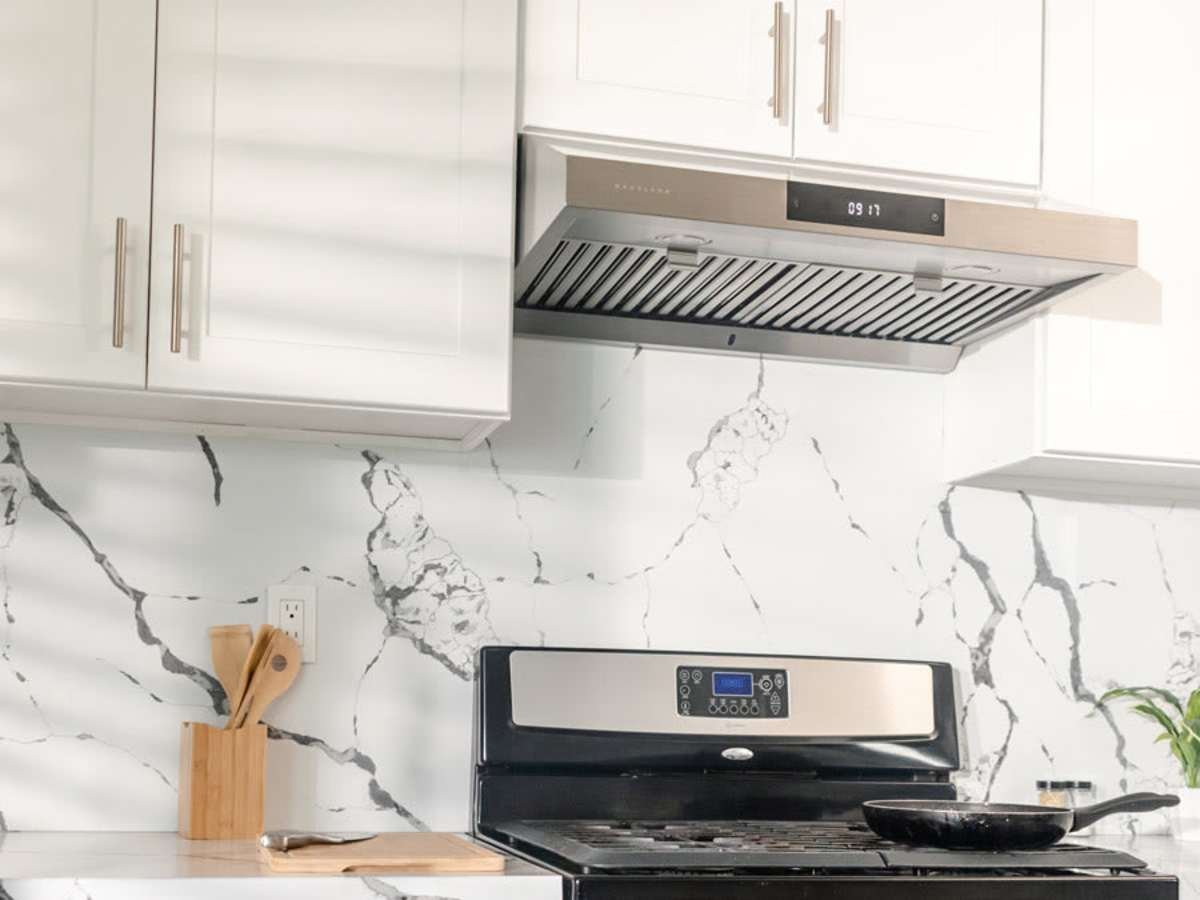
Managing grease and smoke
You should always turn your hood on five minutes before you start cooking. This creates an upward airflow that catches steam as soon as it rises. If you wait until the smoke is already visible, the hood will have a much harder time clearing the air. Experienced cooks keep the fan on for ten minutes after the meal is done to ensure all lingering odors are removed.
Maintenance routines
Grease buildup is the most common reason for poor performance. You should soak your metal baffle filters in hot, soapy water regularly. If they’re dishwasher-safe, run them on a heavy cycle to strip away the thick oil. Never use harsh chemicals on the exterior of the hood, as these can strip the finish and leave streaks that are difficult to remove.
Common venting issues and fixes
| What you notice | What it usually means | What to do first | How to stop it |
|---|---|---|---|
| Loud rattling | Loose screw | Tighten all mounts | Check mount monthly |
| Poor suction | Clogged filter | Clean or replace | Wash filters monthly |
| Smoke hangs | Fan too weak | Use front burners | Upgrade CFM rating |
| Greasy cabinets | Low capture area | Wipe down surfaces | Use hood earlier |
Rattling often stems from vibrations in the ductwork rather than the hood itself. If tightening screws fails, check for loose metal joints in the attic or crawlspace. Secure these with foil tape, not duct tape, which dries and cracks within a year.
Poor suction is frequently a performance bottleneck caused by a saturated grease filter. If your hood uses charcoal filters, replace them whenever you notice it. Don’t attempt to wash charcoal; it loses its chemical efficacy once saturated.
Smoke hanging in the kitchen suggests your CFM rating is insufficient for your range type. If you’re under this threshold, you must turn the fan on five minutes before you start cooking.
Greasy cabinets indicate the hood isn’t capturing the thermal plume effectively. You should ensure the hood is at least 24 to 30 inches above the cooking surface. Mounting the hood higher than 36 inches significantly reduces its ability to capture grease and smoke. Use the highest setting for searing meats and the lowest for simmering liquids to maintain proper airflow.
Regulatory standards and safety
Building codes often require a specific amount of makeup air when you use a high-powered range hood. According to the International Residential Code, if your hood moves more than 400 CFM, you may need a system to bring fresh air back into the house to prevent backdrafting. Without this, your hood creates a negative pressure zone that can pull carbon monoxide from gas water heaters or furnaces back into your living space.
Check your local building department’s website for the specific rules in your city. Some jurisdictions strictly enforce these requirements during the permit process, while others rely on the mechanical inspector’s discretion. If your home is exceptionally airtight, such as a Passive House or a modern build with spray foam insulation, you should install an interlocked makeup air system regardless of the CFM rating.
You must never vent a range hood into an attic or crawlspace. Doing so introduces moisture and grease that can cause rapid mold growth and serious fire hazards. Always ensure the duct terminates outside the building envelope. Use smooth-walled metal ducting rather than flexible plastic, as the latter traps grease and creates a significant fire load.
If you’re unsure about the electrical wiring or the ducting path, consult a licensed electrician or a professional contractor. A common mistake is using an undersized duct, which forces the motor to work harder, significantly reducing the lifespan of the blower and increasing noise. If you hear a high-pitched whistling sound when the hood is on high, your duct diameter is likely too small for the fan’s power.
Assessing the real cost
The cost of a range hood isn’t just the price on the tag. You must consider the long-term expense of charcoal filters and the energy used by the motor. A basic under-cabinet model is a cheap part depending on the material and fan speed. If you choose a model with high-quality stainless steel, you’ll pay more upfront, but it will be easier to clean than plastic or painted surfaces.
The biggest hidden cost is the installation labor. If you don’t have an existing duct, hiring a contractor to cut through an exterior wall is often less than a new unit. If you stick to a recirculating model, you save on labor but pay more over time for replacement filters. Compare these costs against your expected length of stay in the home before making a final decision.
Keeping your hood efficient
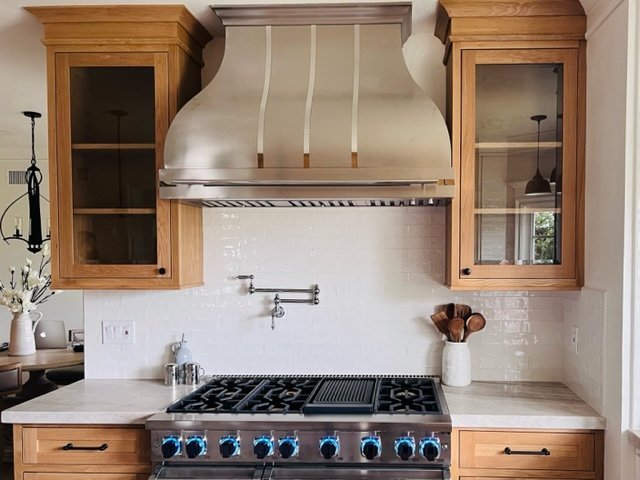
To keep your unit running well, check the fan blades for grease buildup as part of your usual clean. If the motor sounds strained, it’s often because the fan wheel is weighted down by years of cooking residue. You can usually wipe the blades clean with a degreasing agent.
If the motor continues to make a grinding noise after cleaning, the bearings may be failing. At that point, you should contact the manufacturer to see if the part is still under warranty. Always keep your manual in a safe place so you can reference the exact part numbers when you need replacements.
Most homeowners make the mistake of using harsh abrasive pads on the fan blades. This creates microscopic scratches that act as magnets for future grease accumulation. Use a soft microfiber cloth and a citrus-based solvent instead. If you notice the fan wobbling, the mounting bracket has likely loosened from the vibration. Tighten the screws immediately to prevent the motor shaft from bending.
The decision rule is simple: if the fan spins freely by hand but hums while powered, the issue is electrical or capacitor-related. If the fan feels stiff or gritty when rotated manually, the mechanical bearings are the culprit. In this case, stop using the unit to prevent the motor from overheating and sparking a fire. Replacing a cheap part is a routine repair, but a seized motor often requires a full blower assembly replacement. Always cut the power at the breaker before reaching into the housing to avoid accidental activation.
Situations where this isn’t enough
If you cook large meals for many people regularly, a standard under-cabinet hood won’t keep up with the smoke. You should consider a chimney-style hood that offers a larger capture area. If your kitchen layout doesn’t allow for a standard hood, such as an island cooktop, you’ll need a downdraft vent or an island-mount canopy. These options cost significantly more and often require professional installation. If your kitchen configuration is non-standard, stop your DIY plans and consult a kitchen designer to ensure your ventilation meets local safety codes.
Can I install a range hood myself?
Yes, you can install an under-cabinet range hood yourself if you have basic tools and feel comfortable with simple electrical wiring. Most units come with a mounting template and clear instructions. If you lack experience with electrical work, hire a professional to ensure the connections are safe and meet code.
How often should I clean the filter?
You should clean your metal baffle filters regularly with hot, soapy water. If you cook with high heat or fry food often, you should clean the filters weekly to prevent grease buildup. Dirty filters are the primary cause of reduced airflow.
Does a range hood need to be wider than the stove?
It’s best if the range hood is at least as wide as your cooktop. If you have the space, a hood that is 6 inches wider than your stove will capture smoke and grease more effectively. Never use a hood that’s narrower than your cooktop surface.
Is it safe to vent a hood into the attic?
No, it isn’t safe to vent a range hood into your attic. Moisture and grease will accumulate, which creates a significant fire hazard and promotes mold growth in your home. Always vent your range hood to the outside through a dedicated duct.
How many CFM do I need for a small kitchen?
You need between 200 and 400 CFM for a standard small kitchen. Check the label on your stove to see its total BTU output and adjust your hood choice based on that number.
What is the quietest range hood?
The quietest range hoods are those rated at 3 sones or less. Look for models that emphasize “quiet operation” in their marketing, but always verify the sone rating on the official technical specification sheet. Keep in mind that higher fan speeds will always produce more noise than lower settings.
To start, measure the width of your stove and the height of the space beneath your upper cabinets. If the area is clear, choose a hood that matches your stove width and provides at least 200 CFM. If you notice smoke escaping the perimeter of your hood while cooking, turn the fan speed to the highest setting immediately to increase the capture rate.
Related guides