
You can make rice in a slow cooker, but it requires careful attention to the liquid ratios and timing to avoid mushy or burnt grains. Because these appliances heat slowly and maintain a steady temperature, the rice absorbs water differently than it does on a stovetop. You’ll need to use a specific ratio of one part long-grain white rice to two parts water or broth to achieve a fluffy texture.
This method works well for busy cooks who want a hands-off approach, but it isn’t ideal for those who prefer distinct, firm grains. If you’re using brown rice or a wild rice blend, the water requirements and cooking duration change significantly. Always check your specific appliance manual, as heating elements and seal quality vary widely between models.
Best Users for Slow Cooker Rice
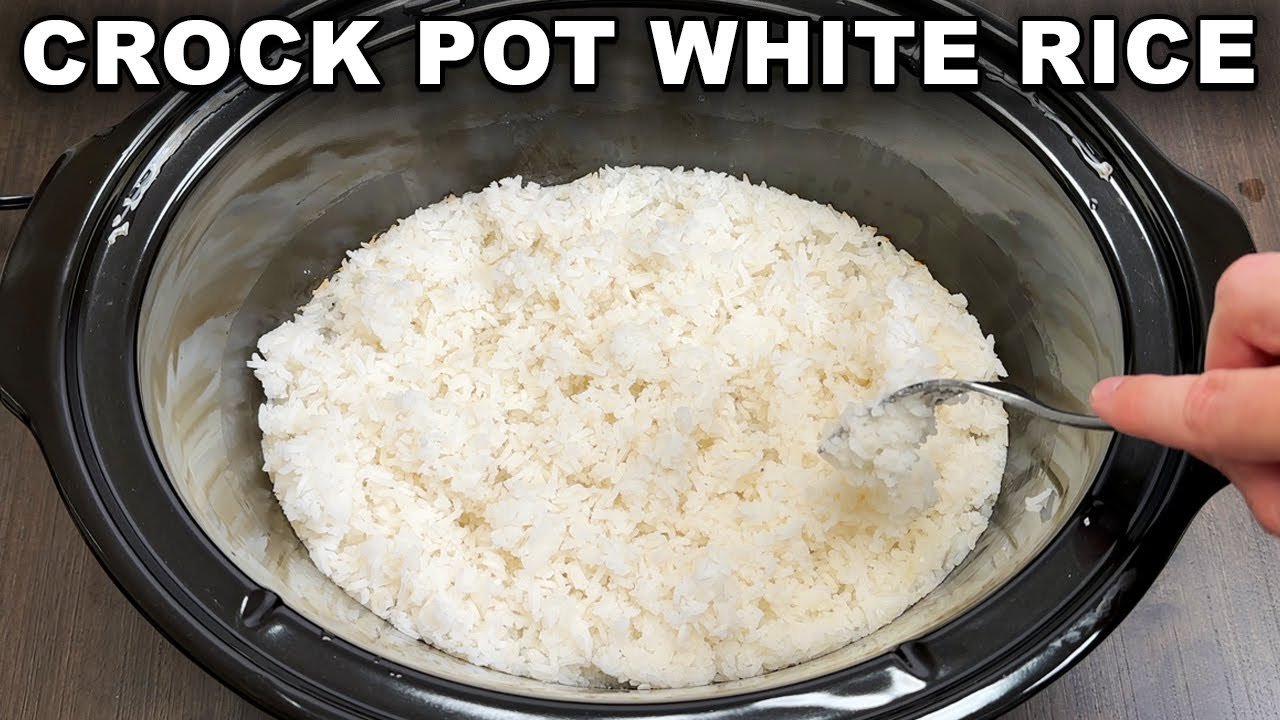
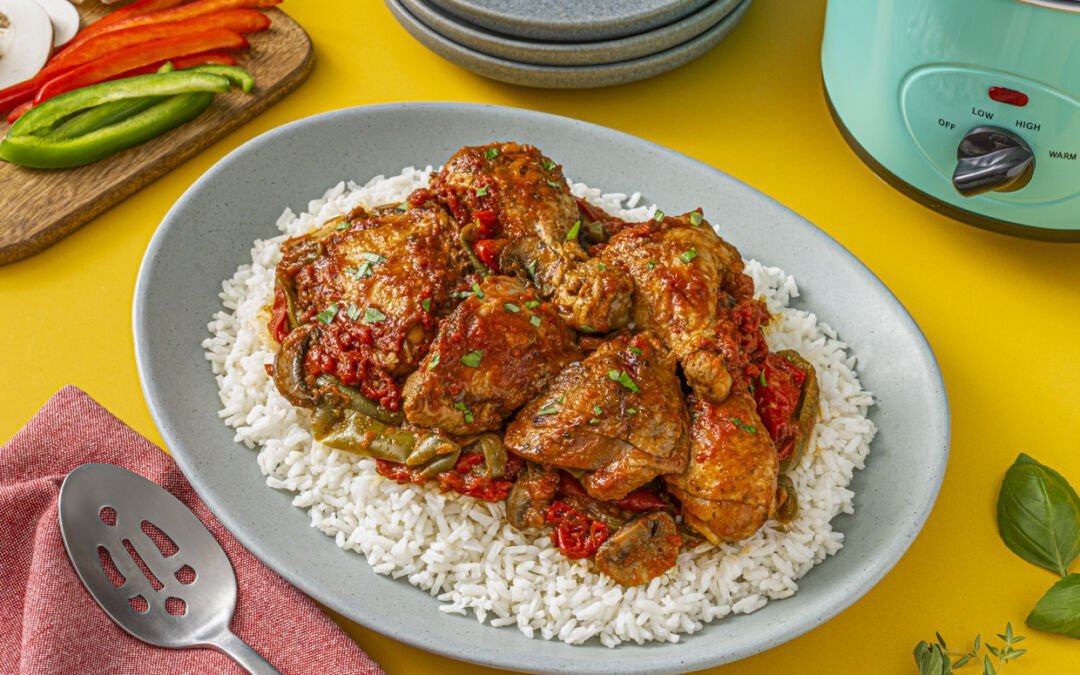
This method serves home cooks who are already preparing a large meal and need to free up stovetop space. It’s perfect for those making “dump-and-go” recipes where the rice cooks directly in the sauce or broth with other ingredients. If you have a busy afternoon and need a set-it-and-forget-it solution for a side dish, this fits your workflow.
However, this isn’t for someone looking for professional-grade, restaurant-style rice with individual, non-clumping grains. This technique creates a softer, more uniform texture that can easily become overcooked if left on the “warm” setting for too long. The assumption here is that you own a standard slow cooker with at least a low and high setting. If you’re a perfectionist about rice texture, a dedicated rice cooker or the absorption method on a stove remains the superior choice. This is also not the right approach if you’re cooking small portions; small amounts of rice in a large vessel tend to dry out or scorch against the sides before the center is fully cooked. Always match your batch size to the cooker’s capacity to ensure consistent heat distribution.
Factors Affecting Your Results
The most important factor is the rice-to-liquid ratio. Unlike stovetop methods that allow for evaporation, a slow cooker traps most of the steam. Using too much water creates a porridge-like consistency, while too little leaves the grains crunchy. For standard white rice, one part grain to two parts liquid is the baseline, though you should check your package instructions for specific adjustments.
The heat setting you choose changes the outcome significantly. High heat speeds up the process but increases the risk of burning the bottom, while low heat is more forgiving but takes much longer. Most people make the mistake of using the “high” setting for too long, which causes the liquid to boil away before the rice is tender.
The age and type of your rice matter. Older rice often needs slightly more liquid, while newer, fresher grains cook faster. Always compare the required cook time on your package to the capabilities of your machine.
The seal of your lid is a hidden variable. Slow cookers with heavy, tight-fitting glass lids retain more moisture than those with loose, lightweight covers. If your lid rattles or vents steam constantly, you may need to add an extra quarter-cup of water to compensate for the loss.
The total volume of ingredients is the final consideration. A slow cooker that’s less than half full will cook faster and be more prone to scorching than one filled to the recommended capacity. If you have a large 6-quart cooker, avoid cooking less than one cup of dry rice to prevent uneven heating and rapid moisture loss.
Can I Make Rice in a Slow Cooker? Step-by-Step Instructions
- Measure one cup of long-grain white rice and rinse it under cold running water in a fine-mesh sieve until the water runs clear.
- Place the rinsed rice into the ceramic insert of your slow cooker.
- Pour two cups of water or vegetable broth over the rice, ensuring all grains are submerged.
- Add one teaspoon of butter or oil to help prevent sticking and foaming.
- Cover the cooker with the lid and set the temperature to “high” for 90 minutes.
- Check the consistency at the 80-minute mark; the rice is done when the liquid is absorbed and the grains are tender.
- Turn the cooker off immediately once the rice is tender to prevent the bottom layer from hardening.
- Fluff the rice gently with a plastic or wooden fork to separate the grains before serving.
The single judgment call that separates success from failure is the timing. Because slow cookers vary in wattage, you must test the grain texture near the end of the cycle. If you’re using a slow cooker, follow the FoodSafety.gov safe minimum internal temperatures if you’re adding meat to the pot, as the rice must cook long enough to ensure any added protein reaches a safe temperature. Never exceed the appliance’s maximum fill line, as boiling starch can bubble over and create a mess.
Comparison of Rice Methods
| Method | Best For | Time Required | Texture |
|---|---|---|---|
| Stovetop | Daily meals | 20 minutes | Firm/Separate |
| Rice Cooker | Large batches | 30-45 minutes | Consistent |
| Slow Cooker | Stews/Casseroles | 90 minutes | Soft/Clumped |
| Microwave | Single servings | 12 minutes | Variable |
The stovetop method relies on precise water-to-grain ratios. If you use a 1:1.5 ratio, you achieve distinct grains. Beginners often fail by lifting the lid too early, which releases the steam necessary for even cooking. This mistake costs you a gummy bottom layer.
Rice cookers use fuzzy logic sensors to adjust heat based on moisture evaporation. Use this for jasmine or basmati rice when you need hands-off reliability. If you’re cooking brown rice, add an extra quarter cup of water per cup of grain to compensate for the longer cycle.
Slow cookers are unsuitable for standard side dishes because the low, steady heat breaks down starch structures. Reserve this only for recipes where rice acts as a thickener, such as chicken and rice soup. If the rice sits in the pot for more than two hours after completion, it will turn into a paste.
Microwaving is your best tool for leftover portions. Always add a tablespoon of water and cover the bowl with a damp paper towel. This prevents the edges from drying out and turning hard. If the rice remains crunchy, add ten seconds of cook time at a time to avoid overheating.
Avoiding Poor Results
Maintaining Moisture
Avoid opening the lid during the first hour of cooking. Every time you lift the lid, you lose significant heat and steam, which forces the rice to cook unevenly and extends the required time. If you suspect the rice is dry, add only two tablespoons of hot water at a time to prevent cooling the pot.
Preventing Scorching
People often forget that the bottom of the ceramic insert is the hottest part of the appliance. If you notice a crust forming on the bottom, it means your cooker is running too hot or the cook time was too long. Always use a light coating of butter or oil on the bottom of the insert before adding the rice to create a small barrier against direct heat.
Common Issues and Solutions
| What you notice | What it usually means | What to do first | How to stop it |
|---|---|---|---|
| Hard, crunchy grains | Insufficient liquid | Add hot water | Increase liquid ratio |
| Mushy, sticky rice | Too much liquid | Let it sit | Reduce liquid next time |
| Burnt bottom layer | High heat setting | Remove top layer | Use low setting |
| Dry, uneven texture | Lid was opened | Add hot water | Keep lid closed |
| Starch overflow | Pot too full | Wipe the rim | Use less rice |
When you encounter hard grains, the culprit is often steam loss. If you check the pot before the cycle ends, you vent the pressure required for even absorption. Add two tablespoons of boiling water and cover tightly for five minutes to salvage the batch.
Mushy rice frequently results from failing to rinse away surface starch. If you skip the rinse, the starch creates a gummy paste that traps excess moisture. If your rice is already sticky, spread it on a flat baking sheet to evaporate surface humidity before serving.
Starch overflow is a common mistake when using high-sided pots. A good rule is to never fill the pot past the halfway mark, as the foam needs room to expand. If you notice a mess forming, lower the heat immediately and crack the lid to break the surface tension of the bubbles.
Regulatory Standards and Limits
When preparing rice, always consider the manufacturer’s guidelines regarding the maximum capacity of your specific slow cooker. Exceeding the fill line—typically marked on the inner pot—is a common mistake that forces starch-heavy water into the heating element. This error often leads to permanent electrical shorts or the buildup of mold within the casing, which is impossible to clean.
According to the U.S. Consumer Product Safety Commission, electrical appliances should never be used in a way that blocks vents or causes overflow. This poses a significant risk of fire. If your unit begins to emit a burning smell, disconnect the power immediately rather than attempting to stir the pot, as the damage to the internal wiring has likely already occurred.
If you’re cooking in a foreign country, check the local electrical voltage. Slow cookers designed for North American 120V circuits will overheat, melt internal plastic components, or fail entirely when used on 220V systems without a heavy-duty step-down transformer. A standard travel adapter is insufficient; it changes the plug shape but not the voltage.
Always place the unit on a flat, heat-resistant surface away from curtains or paper. If the base of your cooker lacks rubberized feet, place it on a silicone mat to prevent heat transfer to your countertop. If you’re unsure about the safety of your specific appliance model, consult the user manual provided by the brand for the maximum quantity of dry grains allowed. If the manual is lost, a safe rule of thumb is to never fill the pot more than one-third of the way with dry rice.
Costs and Time Trade-offs
The cost of this method is primarily your time. While it takes significantly longer than a stovetop, you save the effort of watching the pot. The electricity cost is negligible for a single cycle, but you should compare this against the convenience of a dedicated rice cooker if you eat rice regularly. If you’re cooking for a large crowd, the slow cooker is a budget-friendly way to feed many people without needing expensive equipment. However, the cost of “wasted” rice due to overcooking is a risk that beginners often face in their first few attempts. Keep a log of your results with your specific machine to refine the timing and liquid ratios, which will eventually lower your food waste to near zero.
Maintaining Your Equipment
After each use, soak the ceramic insert in warm, soapy water to loosen any remaining starch. Never use abrasive metal scouring pads, as these can scratch the non-stick coating or damage the ceramic glaze, which makes future batches more likely to stick.
If you notice a persistent ring of starch around the inside, a paste of baking soda and water applied with a soft cloth will remove it safely.
Store your slow cooker with the lid slightly ajar to prevent musty odors from developing inside the vessel. This small gap allows residual moisture to escape, preventing the growth of mold on the silicone seal.
If the power cord shows any signs of fraying or heat damage, stop using the unit immediately. Contact the manufacturer for a replacement or professional inspection. A common mistake is attempting to repair a frayed cord with electrical tape; this creates a fire hazard because the internal resistance remains high.
Use this simple decision rule: if the cord feels warm to the touch after thirty minutes of operation, the internal wiring is likely compromised. In that case, retire the unit permanently. Never prioritize convenience over the safety of your home’s electrical system.
When to Avoid This Method
This is the wrong approach if you need to serve rice in under an hour, as the slow cooker can’t reach the necessary temperatures quickly enough to hydrate the starch. If you’re cooking a delicate variety like Basmati or Jasmine, the long, slow heat often destroys the aromatic qualities and produces a bland, mushy result compared to the quick steam of a stovetop pot. In these cases, use a traditional saucepan or a dedicated pressure cooker.
If you have a recipe that requires specific “al dente” textures, the slow cooker will inevitably disappoint you, so choose a faster, high-heat method instead.
The biggest mistake cooks make here is attempting to cook brown rice using this method. Because brown rice retains its fibrous bran layer, it requires a higher sustained heat to break down properly. In a slow cooker, the kernels often remain chalky in the center while the exterior turns to paste.
Use this decision rule: if your recipe calls for a grain with a high amylose content or a short cooking window, abandon the slow cooker. If you’re unsure, perform a quick test. If the grain isn’t tender after two hours, the slow cooker will never achieve the correct texture. At that point, you have already wasted two hours and lost the chance to salvage the batch.
Related guides
- 10 Best Elongated Toilet Seats With Slow Close Reviewed in 2026
- 5 Best Drain Cleaner for Slow Drains Picks for Your Home in 2026
- 5 Best Dog Feeders for Fast Eaters to Slow Down Mealtime in 2026
Frequently Asked Questions
Can I use brown rice in a slow cooker?
Yes, but you must increase the cooking time and the liquid ratio. Brown rice requires about three to four hours on high and often needs an extra half-cup of liquid per cup of rice because the bran layer takes longer to absorb moisture and soften than white rice.
Is it safe to leave rice in a slow cooker all day?
No, you shouldn’t leave rice in a slow cooker for more than four hours total. Rice is a common source of Bacillus cereus, a bacteria that can produce heat-stable toxins if the rice sits in the “danger zone” of temperature between 40°F and 140°F for too long.
Why is my rice gummy?
Your rice is likely gummy because it was cooked with too much water or stirred too often during the cooking process. Stirring releases excess starch from the grains, which creates a glue-like texture; always cook the rice undisturbed until the cycle is complete to keep the grains separate.
Can I cook rice and chicken together?
Yes, you can cook them together, but you must ensure the chicken reaches a safe internal temperature of 165°F. Place the chicken pieces on top of the rice and liquid mixture so they cook evenly through the steam, and always verify the doneness of the meat with a food thermometer.
Does the rice need to be rinsed?
Yes, you should always rinse the rice until the water runs clear before adding it to the cooker. Rinsing removes excess surface starch that causes clumping and gummy textures, ensuring your final product is light and fluffy rather than a solid mass of starchy rice.
Can I use jasmine rice?
You can use jasmine rice, but it will be much softer than stovetop-cooked jasmine rice. Because jasmine rice has a higher moisture content and a delicate structure, it often turns into a soft, fragrant mash in a slow cooker, so reduce the water by about 10% to help keep the texture firm.
Rice slow, in short
For the best results, start by measuring your rice carefully and rinsing it thoroughly. If your first batch is too soft, reduce the water by a small amount for the next attempt. If the rice remains undercooked, increase the cooking time by 15-minute increments until you find the perfect balance for your specific appliance.