
Most households should choose a kettle with a 1.5 to 1.7-liter capacity because this size balances the need for multiple hot drinks with energy efficiency. If you’re living alone or have limited counter space, a 1.0-liter model is often sufficient, while a 2.0-liter or larger unit is only necessary for frequent group entertaining. You should consider the right size electric kettle based on your daily water usage, the amount of space on your kitchen counter, and how quickly you need your water to boil.
Picking the right electric kettle size
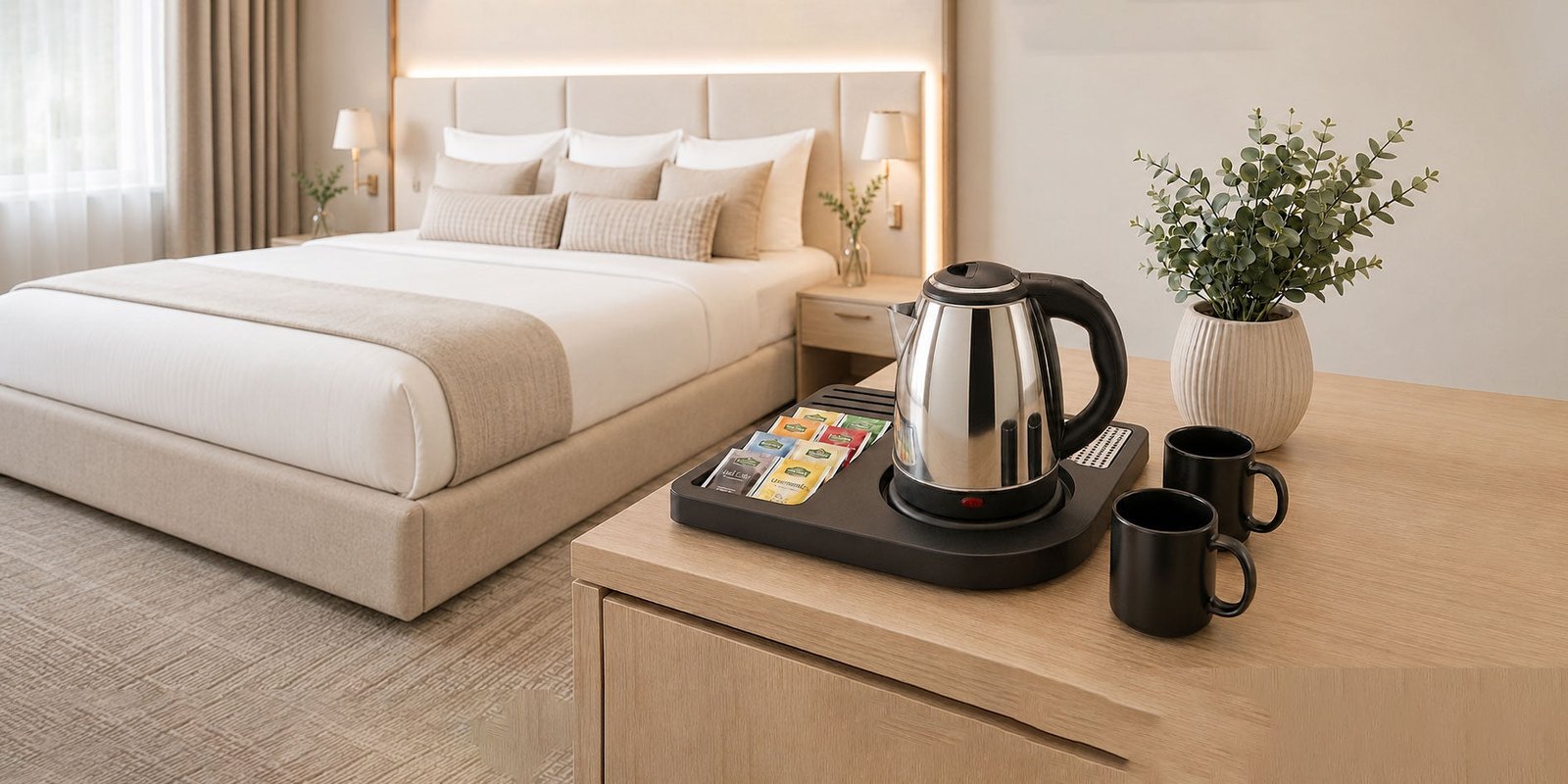
Most people choose a kettle based on how many mugs of tea or coffee they make at one time. A standard mug holds about 250 milliliters of liquid, meaning a 1.5-liter kettle can fill six mugs in a single boil. If you frequently host groups of four or more people, a larger capacity prevents you from having to boil the water twice.
Small households often benefit from a 1.0-liter or 0.8-liter “travel” or “compact” kettle. These models take up very little space and reach a boil faster than larger versions. However, if you have a family of four or more, a 1.7-liter model is the standard choice that ensures you have enough water for everyone without waiting for a second cycle. This varies by model — check the label for the exact capacity, as some manufacturers measure to the brim while others indicate a “fill line” that’s lower.
Factors affecting your purchase
Three main things determine which capacity will serve you best in your daily routine. Prioritizing these will help you avoid buying a unit that’s either too slow or too small for your needs.
First, consider your household size and typical morning routine. If you make four or more drinks at once, a 1.7-liter kettle is necessary to avoid multiple boiling cycles. If you only ever make one or two cups, a 1.0-liter model is much more efficient.
Second, think about the available space on your kitchen counter. Larger kettles have a wider base and require more clearance under cabinets. If your counter is cluttered, a smaller, taller model might be a better fit than a wide, high-capacity one.
Third, look at the power rating of the appliance. A 3,000-watt kettle will boil water much faster than a 1,500-watt model, but it also draws more power from your circuit. This is the mistake people actually make; they buy a large, high-power kettle expecting it to be fast, but they forget to check if their kitchen outlet can handle the constant load without tripping the breaker.
Steps for selecting your kettle
- Count the number of mugs you fill during your busiest time of the day.
- Multiply that number by 250 milliliters to find your minimum required capacity.
- Measure the height and width of your designated counter space to ensure the unit fits.
- Check the “minimum fill” line on the manufacturer’s product page to ensure you can boil just one cup if needed.
- Verify the power rating on the base of the unit or the packaging.
- Compare the weight of the kettle when empty to ensure it’s comfortable for you to lift and pour when full.
- Confirm that the handle design allows for a steady grip when the vessel is at its maximum capacity.
The critical judgement call is balancing speed against volume. A large kettle filled with only one cup of water is less efficient, but a small kettle forced to boil twice for a group is a frustration you’ll feel every morning.
Kettle capacity comparison
| Situation | Recommended Size | Typical Benefit | Main Trade-off |
|---|---|---|---|
| Single person | 0.5 – 1.0 L | Fast boiling | Limited volume |
| Couple | 1.0 – 1.5 L | Good balance | Mid-range speed |
| Family of 4+ | 1.7 – 2.0 L | High capacity | Slower boiling |
| Office use | 2.0 L+ | Many servings | Large footprint |
| Small kitchen | 0.8 L | Saves space | Frequent refills |
Choosing the right capacity depends on your “minimum fill” threshold. Most kettles require at least 0.5 liters to cover the heating element. If you buy a 2.0-liter model but only need one mug of tea, you’ll waste electricity heating excess water.
For households of four or more, prioritize a 1.7-liter model with a rapid-boil zone. This allows you to heat as little as one cup efficiently while retaining the capacity to fill a large French press or pasta pot when needed.
If you’re choosing for an office, look for a model with a 360-degree base. This prevents the cord from tangling in tight breakroom corners. A common mistake is buying based on peak capacity rather than frequency. If you boil water more than five times a day, a smaller, faster kettle is often more energy-efficient than a large, slow one.
Use this decision rule: if you host guests weekly, size up to 1.7 liters regardless of your household size. If you live alone and value counter space, stick to 1.0 liters. You’ll save roughly three minutes of waiting time per boil compared to larger, heavier units. Always check the water level window before purchasing; if it’s hidden behind the handle, you’ll inevitably overfill the kettle, costing you extra money on every electric bill.
Performance and safety considerations
Heating efficiency
Most modern kettles use a concealed heating element, which is easier to clean and prevents scale buildup. When you boil only the amount of water you need, you save energy regardless of the kettle’s total capacity. According to the U.S. Department of Energy’s guide on home appliances, using only the necessary amount of water reduces electricity waste. Always check the water level indicator to ensure you aren’t boiling more than required for your immediate needs.
Safety limits
Safety features aren’t optional for any kettle size. Look for an automatic shut-off feature that triggers when the water reaches a boil or if the kettle is empty. This prevents the heating element from burning out and reduces fire risk. A locking lid is also important to prevent scalding if the kettle is tipped over. If you’re buying a model with a plastic body, ensure it’s BPA-free to maintain water quality. Always check the manufacturer’s documentation for the specific safety certifications included with the device.
Troubleshooting common issues
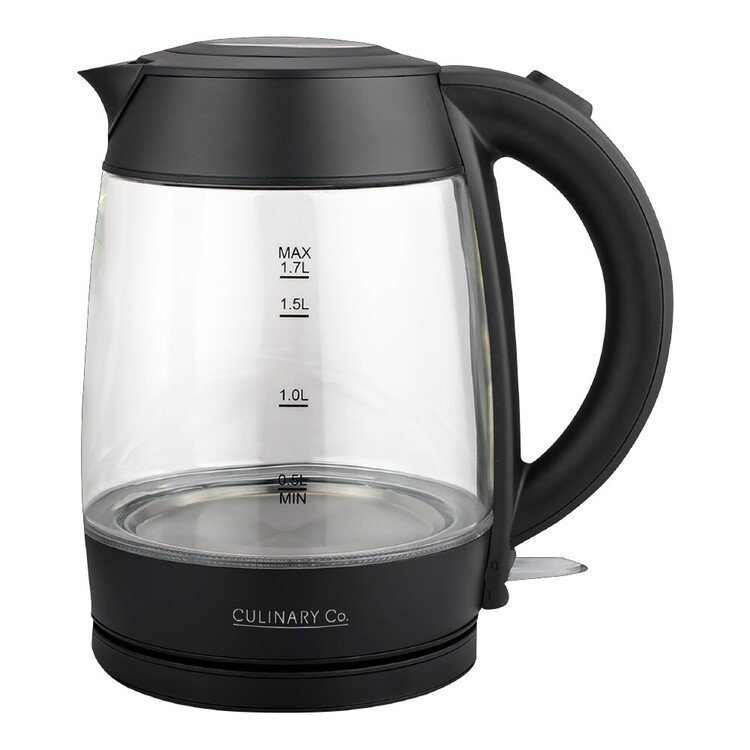
| What you notice | What it usually means | What to do first | How to stop it |
|---|---|---|---|
| Slow boiling | Mineral buildup | Descale with vinegar | Use filtered water |
| Auto-shutoff fails | Scale on sensor | Clean the sensor | Descale regularly |
| Leaking base | Seal failure | Unplug and inspect | Don’t overfill |
| Strange taste | New material | Boil and discard | Rinse thoroughly |
| Heavy to lift | Too large | Buy smaller size | Check weight specs |
If your kettle takes longer than five minutes to reach a rolling boil, the heating element is likely insulated by a thick layer of calcium carbonate. You can test this by running a finger inside; if the bottom feels gritty rather than smooth, descaling is mandatory. Use a 1:1 ratio of white vinegar and water, but never leave the solution in for more than thirty minutes to avoid damaging the internal seals.
When the auto-shutoff fails, the steam sensor is often blocked by mineral crust. Users frequently make the mistake of poking the sensor with a metal tool, which permanently damages the sensitivity. Instead, use a soft-bristled toothbrush dipped in citric acid to gently dissolve the blockage.
If you spot water pooling at the base, immediately check the fill line. Most leaks occur because users exceed the “Max” indicator, causing boiling water to surge into the steam tube. If the leak persists after filling to only 50% capacity, the internal silicone gasket has likely hardened or cracked. In this specific case, the unit is no longer food-safe and must be replaced.
Finally, if the water tastes metallic, don’t assume the unit is defective. Boil a full pot with two tablespoons of baking soda, let it sit for an hour, and discard. If the taste remains after three cycles, the heating element coating is compromised, and the unit should be returned under warranty.
Regulatory standards and safety
All electric kettles sold in the United States must comply with safety standards set by organizations like Underwriters Laboratories (UL). These standards ensure that the electrical components are insulated and that the auto-shutoff mechanism functions correctly under pressure.
Look for the UL or ETL certification mark on the bottom of the base or the product packaging. If you find no mark, the appliance hasn’t undergone independent testing for fire or shock hazards. Don’t assume a major retailer’s inventory is automatically vetted; always verify the physical stamp on the device.
Never attempt to modify the power cord or open the base of the kettle yourself. If the unit stops working or the base shows signs of heat damage, it’s a technician-only job. Internal capacitors can hold a lethal charge even when the unit is unplugged. Attempting a DIY repair often voids the manufacturer’s warranty and creates a significant fire risk if the thermal fuse is bypassed.
The decision rule is simple: if the kettle exhibits intermittent heating or a flickering light, stop using it immediately. If the cord feels hot to the touch during operation, the internal wiring is likely degraded. In these cases, replacement is safer and cheaper than repair.
Most residential electrical fires involving small appliances stem from damaged cords or faulty heating elements. If you notice a burning plastic smell, don’t wait for the kettle to fail completely. Unplug it, mark it as defective to prevent accidental use, and recycle it according to your local electronic waste guidelines. Never donate or sell a malfunctioning kettle, as you’re transferring a dangerous electrical hazard to an unsuspecting user.
The real cost of your choice
The price of a kettle is rarely just the sticker price. A very cheap model often has a shorter lifespan, meaning you end up buying a replacement sooner rather than later.
You also pay in time; a slower, low-wattage kettle adds minutes to your morning routine that you can’t get back. If you prioritize speed, you’ll spend more on a high-wattage model, which is a trade-off for the convenience.
Always compare the warranty duration against the price. A kettle that’s a higher-priced model with a multi-year warranty is often a better investment than a cheap model that offers no manufacturer support.
The most common mistake is ignoring the cost of scale buildup. If you live in a hard-water area, a kettle with a concealed heating element is mandatory. Exposed coils collect mineral deposits quickly, which forces the unit to work harder and consume more electricity.
Use this decision rule: if you boil water more than four times daily, prioritize a model with a stainless steel interior and a removable mesh filter. If you only boil water occasionally, a plastic-bodied unit will suffice, but expect the plastic to degrade or discolor within eighteen months.
Calculate the total cost of ownership over time. A cheap unit replaced twice costs more, plus the frustration of a mid-week failure. A premium unit with a solid warranty saves you both the replacement trip and the wasted energy of a failing, inefficient heating element.
Keeping your kettle in good shape
To maintain your kettle, you should descale it once every one to three months depending on the hardness of your local water. You’ll know it’s time when you see white, chalky flakes at the bottom of the vessel or when the boiling time increases noticeably. To descale, fill the kettle with equal parts water and white vinegar, let it sit for one hour, then bring it to a boil. After boiling, pour out the mixture, rinse the kettle thoroughly, and boil a fresh cycle of plain water to remove any lingering vinegar taste. Never use steel wool or harsh chemicals to clean the interior, as this can damage the heating element or the interior lining. If the kettle has a removable mesh filter, rinse it under running water whenever you descale to ensure proper flow.
When to choose another method
If you’re a frequent tea drinker who requires specific water temperatures for delicate green or white teas, a standard “boil-only” electric kettle is the wrong approach. These models typically hit 212°F, which scorches the leaves of high-end sencha or silver needle teas, turning a subtle profile into a bitter, astringent mess. Instead, choose a temperature-controlled kettle that allows you to set the exact heat level, ideally between 160°F and 185°F for those lighter brews.
If you have absolutely no counter space, consider a stovetop kettle, though these take longer to heat and require your constant attention to avoid boiling dry. A common mistake here is leaving the kettle unattended on a high flame; this can melt the handle or ruin the seal, costing you the price of a replacement unit.
If you’re concerned about the materials in your water, look for all-glass or stainless-steel interiors rather than plastic. Plastic components often leach chemicals when exposed to repeated high-heat cycles, which can alter the flavor of your water over time. Check the interior lining specifically; if you see a plastic water-level window, that component is a potential point of chemical degradation.
Never attempt to use a standard electric kettle on a stovetop, as this will destroy the electrical base and create a significant fire hazard. Electric kettles are strictly for electrical use and must never be placed on a stovetop. All electric kettles are strictly for electrical use, regardless of cord configuration. Choosing the wrong method here doesn’t just ruin your tea; it risks a kitchen fire.
Frequently asked questions
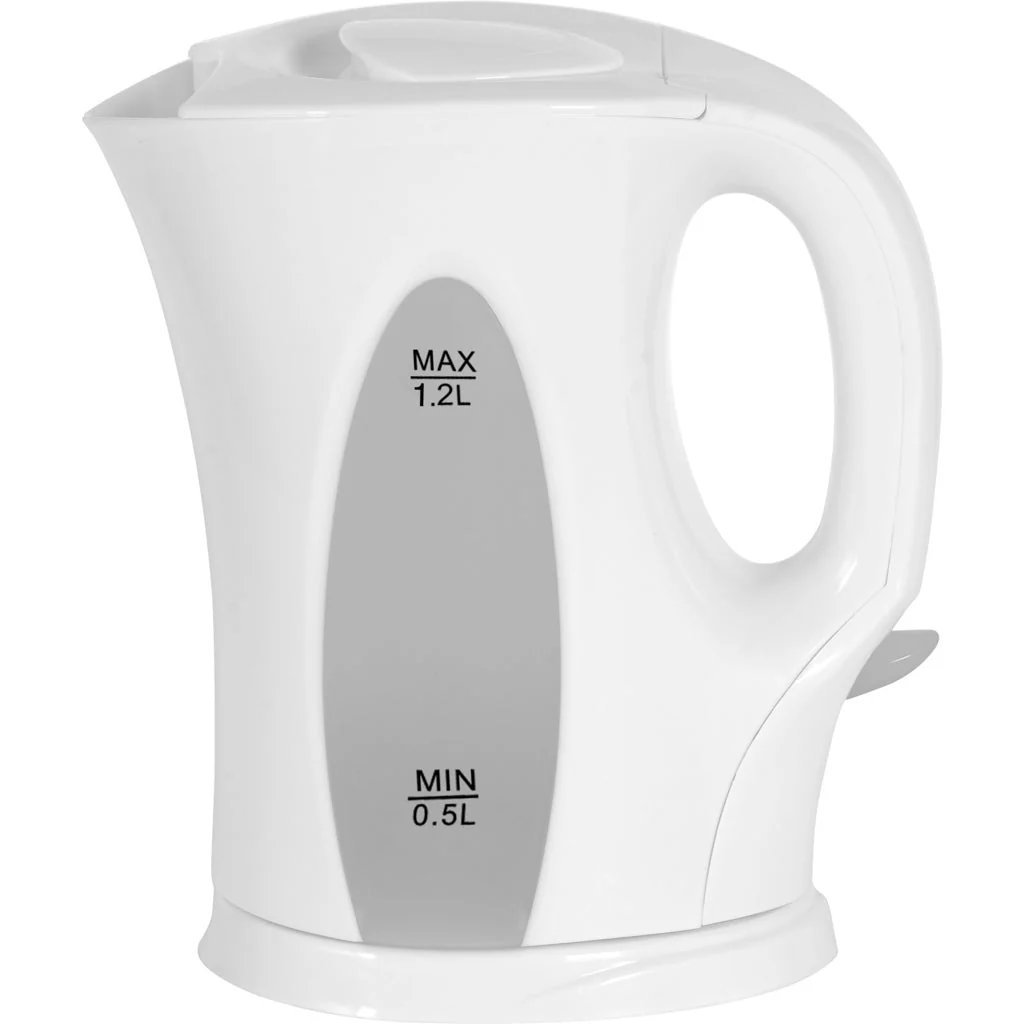
Can I leave water in my electric kettle?
No, it’s better to empty your kettle after each use to prevent mineral buildup and keep the water fresh. Stagnant water can develop a metallic taste over time, especially if your home has hard water that leaves deposits on the heating element.
How long does an electric kettle last?
A quality electric kettle typically lasts for several years with daily use before the heating element or the switch mechanism starts to fail. You can extend this lifespan by descaling the unit regularly and never boiling it when it’s empty.
Is it safe to boil milk in an electric kettle?
No, you should never boil milk in an electric kettle because it will burn onto the heating element and cause a difficult, sticky mess. Milk also froths quickly, which can cause the kettle to overflow and damage the internal electrical components or the base.
What happens if I boil my kettle dry?
The automatic shut-off feature should trigger to prevent damage, but repeated dry boiling can weaken the safety sensors over time. If you accidentally boil it dry, unplug the unit and allow it to cool completely before adding water.
Does the material of the kettle matter?
Yes, stainless steel and glass are generally preferred over plastic because they don’t affect the taste of the water and are easier to keep clean. Plastic kettles can sometimes impart a chemical smell or taste, particularly when they’re new or after prolonged use.
Why does my kettle take so long to boil?
The most common reason for a slow boil is the accumulation of limescale on the heating element, which acts as an insulator and blocks heat transfer. Descaling the kettle with a vinegar solution will usually restore its original boiling speed within one or two cycles.
Size electric, in short
Start by measuring your daily water needs to narrow down your capacity options. Once you have a size in mind, prioritize models with an automatic shut-off and a clear water level window. If the kettle fails to heat or the switch doesn’t click, stop using it immediately and contact the manufacturer for a warranty claim or replacement.
Related guides