
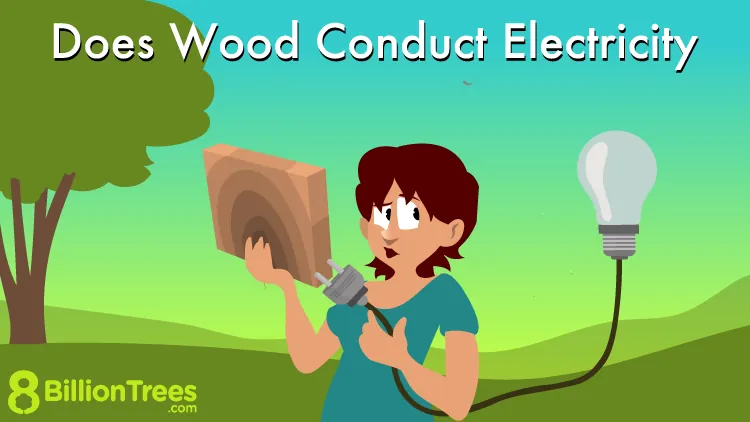
Wood is fundamentally classified as an electrical insulator, meaning it resists the flow of electric current rather than facilitating it. While many people associate electricity with metal wires, wood serves as a natural barrier that prevents electrons from moving freely through its internal structure. This property makes it a primary material for handles on tools, utility poles, and various safety equipment designed to keep users protected from accidental shocks. However, the insulating ability of wood isn’t absolute and can fluctuate based on environmental factors, specifically moisture content, which can transform a solid piece of timber from a safe barrier into a potential conductor.
Key Takeaways
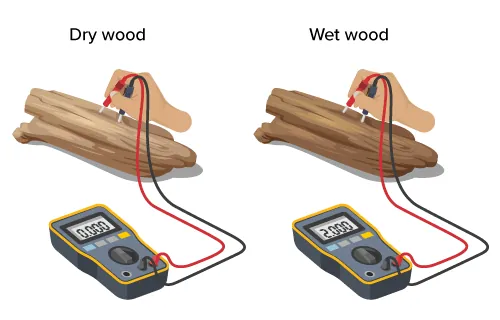
- Dry wood is an effective electrical insulator because its molecular structure lacks the free electrons necessary to carry an electric current.
- Moisture is the primary enemy of wood’s insulating properties, as water contains ions that allow electricity to flow through damp grain.
- Always inspect wooden ladders or handles for water damage or rot before using them near high-voltage electrical sources.
- Wood density and species influence resistance, but environmental humidity remains the most critical factor in safety applications.
- Never rely on wood as your sole source of protection when working with live electrical components; always utilize certified rubber-insulated tools.
Why Is Wood An Electrical Insulator?
At the atomic level, atoms in wood are held together by covalent bonds where electrons are tightly bound to their parent nuclei. In materials that conduct electricity, such as copper or aluminum, there’s a “sea” of free electrons that move easily when a voltage is applied.
Wood, being an organic polymer, lacks these mobile charge carriers. The chemical composition of wood—primarily cellulose, hemicellulose, and lignin—creates a stable, non-conductive matrix. Because these electrons can’t break free from their bonds, they can’t form the stream of moving charge required for an electrical current.
Factors Influencing Wood Conductivity
While wood is naturally insulating, its effectiveness isn’t uniform. Several physical properties determine how well a piece of timber will resist current. The most significant variable is moisture. Wood is hygroscopic, meaning it absorbs water from the surrounding atmosphere.
Pure water is a poor conductor, but the water found in wood usually contains dissolved minerals and salts, which act as electrolytes. When voltage is applied to wet wood, these ions move through the moisture, turning the wood into a path for electricity.
| Variable | Impact on Resistance | Effect on Safety |
|---|---|---|
| Moisture Content | High | Decreases resistance |
| Wood Density | High | Increases resistance |
| Surface Contamination | High | Decreases resistance |
| Temperature | Moderate | Decreases resistance |
Does Moisture Change Everything?
Yes, moisture is the most common cause of electrical accidents involving wood. If a wooden ladder or a wooden-handled tool is left outside in the rain or stored in a high-humidity environment, the wood fibers become saturated. Even if the wood feels dry to the touch on the surface, the interior cells may hold enough water to permit current flow.
According to the Occupational Safety and Health Administration, wood ladders should never be used if they have become wet or have been exposed to moisture, as they can no longer be trusted to provide the necessary insulation against electric arcs or direct contact.
Warning: Always store wooden tools in a climate-controlled environment to prevent moisture absorption, as damp wood can become a lethal conductor during electrical work.
Comparing Insulators and Conductors
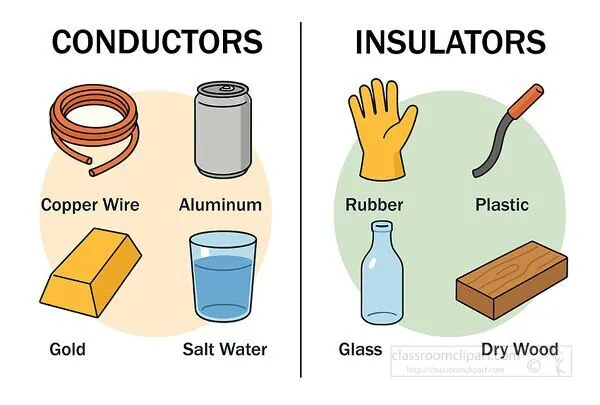
To understand where wood fits into the world of materials, it helps to compare it against other common substances. Insulators are materials with high electrical resistance, while conductors have low resistance.
| Material | Classification | Typical Resistance |
|---|---|---|
| Copper | Conductor | Extremely Low |
| Aluminum | Conductor | Very Low |
| Dry Wood | Insulator | Very High |
| Rubber | Insulator | Extremely High |
| Glass | Insulator | Extremely High |
Can Dry Wood Kill You?
While dry wood is an excellent insulator, it isn’t a perfect barrier. If the voltage is high enough, it can overcome the insulating properties of almost any material, including wood. This phenomenon is known as dielectric breakdown.
When the electrical potential difference exceeds the “dielectric strength” of the wood, the material may physically char or ignite, creating a carbonized path that allows electricity to jump across the surface. Never assume that wood provides a “force field” against high-voltage transmission lines or industrial equipment.
Pro Tip: If you’re performing electrical work, treat all wood as a secondary safety measure and rely on specialized, rated electrical gloves for your primary protection.
Are All Wood Species The Same?
Not all woods perform identically when it comes to electrical resistance. Dense hardwoods like oak or maple have different cellular structures compared to softwoods like pine or cedar. While these differences exist, they’re often negligible compared to the impact of moisture. A piece of dry pine is a much better insulator than a piece of water-logged oak. Therefore, choosing a specific wood species for its “insulating properties” is rarely a practical strategy compared to keeping the material clean and dry.
Maintaining Wooden Safety Equipment
If you use wooden ladders or handles in environments where electrical hazards exist, maintenance is critical. You must perform a visual inspection before every single use. Look for signs of:
- Cracks or splits in the grain.
- Discoloration that suggests water damage or rot.
- Surface grime or metallic residue from other work.
- Loose joints that might trap moisture.
If you find any of these issues, the item should be retired or repaired by a professional. Cleaning the surface with a dry cloth is often sufficient, but avoid using conductive cleaning agents or water-based solvents that might seep into the grain.
Electrical Safety Best Practices
When working near electrical sources, follow these standard protocols to ensure your safety:
- De-energize: Always turn off the power source at the breaker box before starting work.
- Verify: Use a non-contact voltage tester to confirm the circuit is truly dead.
- Insulate: Use tools specifically rated for electrical work, which are usually marked with a symbol indicating they have been tested to withstand specific voltages.
- Dry Environment: Avoid working in damp or rainy conditions.
- Distance: Maintain a safe clearance distance from all overhead lines.
How to Test Wood Resistance
Testing the resistance of a piece of wood requires a high-quality multimeter or a megohmmeter (also known as a “megger”). A standard multimeter is usually insufficient for testing high-resistance materials like wood because it lacks the necessary voltage output to push a measurable current through the fibers. A megohmmeter applies a high-voltage charge to the material and measures the resulting leakage current. This is typically done in laboratory settings or for industrial safety inspections rather than by the average homeowner.
Related guides
- Wood vs Plastic Toilet Seats: Pros, Cons, and Final Verdict in 2026
- Foosball Table Brands Rene Pierre: The Verdict in 2026
- 5 Best Wooden Foosball Tables: Picks & Verdict in 2026
Frequently Asked Questions
Is wet wood a conductor?
Yes, wet wood acts as a conductor because the water and dissolved minerals within the fibers provide a path for electrons to flow. While it isn’t as efficient as a metal wire, it can still carry enough current to cause a dangerous, potentially fatal, electrical shock or create a short circuit that leads to an electrical fire.
Can electricity pass through a wooden ladder?
Electricity can pass through a wooden ladder if the wood is wet, dirty, or damaged. While dry, clean wood is an insulator, the presence of moisture or conductive contaminants on the surface or inside the wood grain significantly lowers its resistance. You should never use a wooden ladder when working near live electrical lines or exposed wiring.
Should I use wood for electrical repairs?
No, you should never use wood as a primary tool for electrical repairs. Professional-grade electrical tools are designed with specific, tested rubber or plastic insulation that provides a guaranteed level of protection. Wood is unpredictable, can absorb moisture, and may contain hidden defects that compromise its insulating ability without warning. Always use tools that are certified for the specific voltage you’re handling.
Does painting wood change its conductivity?
Painting or sealing wood can help prevent it from absorbing moisture, which in turn helps maintain its insulating properties. However, you must use a non-conductive sealant. If a paint or varnish contains metallic flakes or conductive pigments, it could actually make the surface of the wood more dangerous. Always use high-quality, non-conductive electrical-grade coatings if you’re trying to improve the durability of wooden safety equipment.
Can lightning travel through wood?
Yes, lightning frequently travels through wood, such as when it strikes a tree. The immense energy of a lightning bolt can superheat the moisture inside the wood, causing it to turn into steam instantly. This often results in the tree splitting or exploding. Wood isn’t an insulator against the extreme, high-voltage force of a direct lightning strike, which can easily overcome any material’s natural resistance.
Conclusion
Properly managing your environment and tools is the best way to leverage the natural properties of wood while staying safe from electrical hazards. By keeping your wooden equipment clean, dry, and free from structural defects, you ensure that it remains a reliable tool rather than a liability. Always prioritize certified gear for high-voltage tasks, and remember that when it comes to electricity, distance and caution are your most effective forms of protection.
