
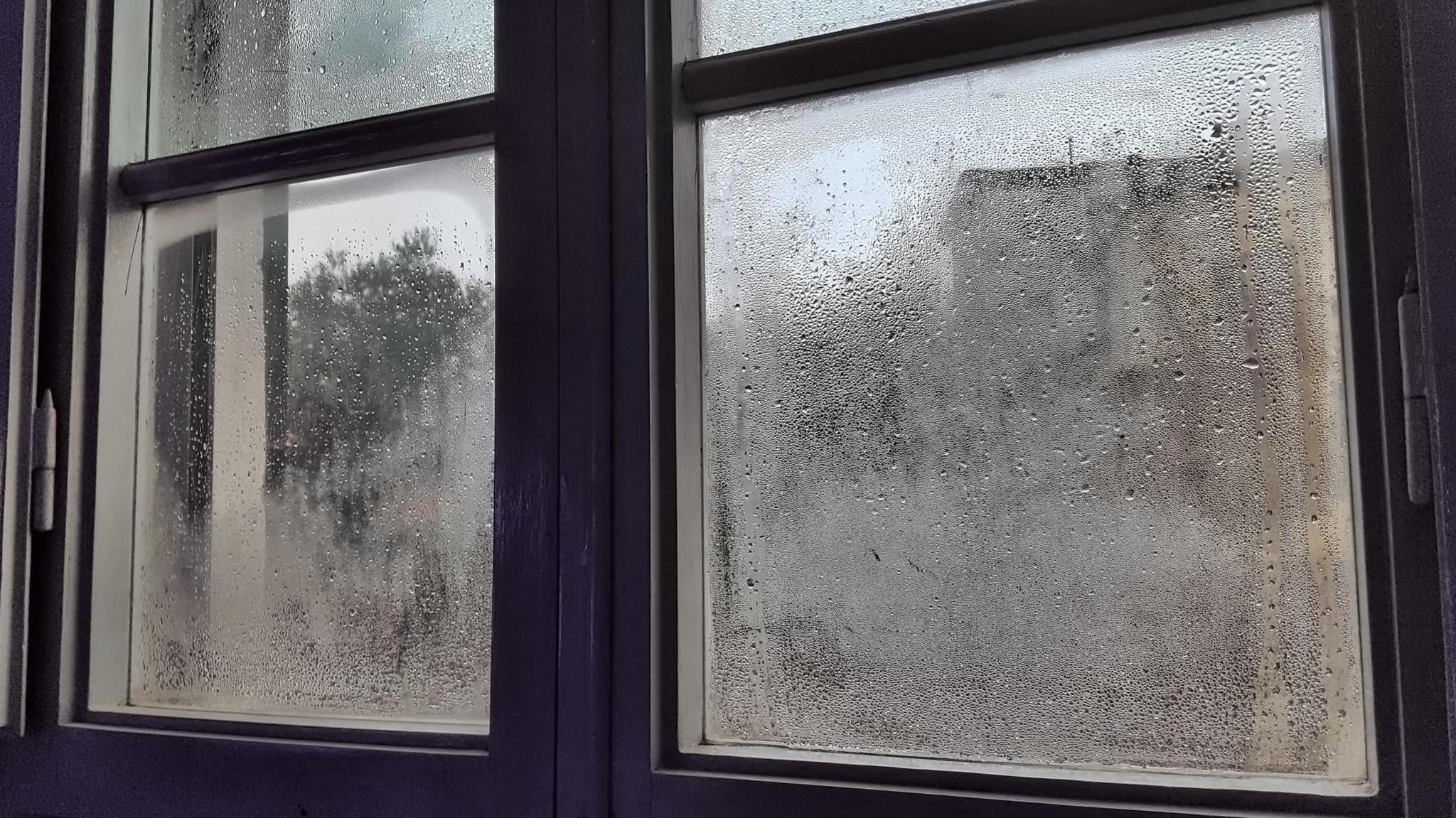
See that foggy film on your windows? It’s more than just annoying.
That condensation inside your house is a sign that something’s up with your home’s balance. If you’re wondering what’s causing it and, more importantly, how to stop it, you’re in the right place. We’re going to break down exactly why that moisture is appearing on your windows and give you practical, easy-to-follow solutions to keep your home dry and comfortable.
Let’s get your windows clear again.
Credit: www.bbc.com
Why Condensation Forms
Window condensation. It’s a common sight. But why does it appear? Understanding this is key. It helps you tackle the issue. Let’s explore the reasons.
The Science Of Condensation
Condensation is a physical process. It happens all around us. It’s a natural phenomenon. It involves water vapor. Vapor changes state. It becomes liquid water. Simple science at work.
Warm, Moist Air Meets Cold Surfaces
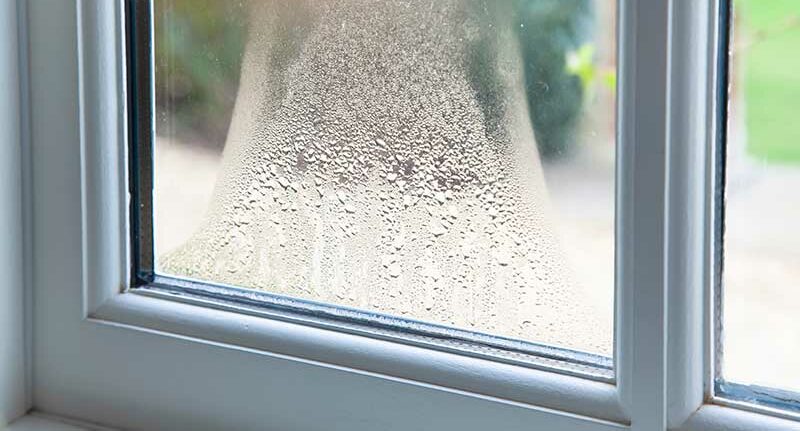
Your home has warm air. This air holds moisture. Your windows are often cold. Especially in winter. Cold surfaces chill the air. This chilled air cannot hold as much moisture. The extra moisture turns into water droplets. These droplets appear on your windows. They form that familiar fog. Or even drips. This is condensation. It’s that simple.
Common Causes
High indoor humidity often causes window condensation. Poor ventilation traps moist air inside. Cold window surfaces then collect this moisture.
Window condensation is a common problem. It happens when warm, moist air touches cold window surfaces. This moisture then turns into water droplets. Several factors contribute to this. Understanding these causes helps you find solutions.
Everyday Activities
Cooking creates steam. Showers produce a lot of humidity. Even breathing adds moisture. Plants release water vapor. Drying clothes indoors adds more. These daily actions raise indoor humidity levels.
Poor Ventilation
Your home needs fresh air. Stale air traps moisture inside. Bathrooms and kitchens need vents. These remove humid air fast. Without proper airflow, moisture builds up. This leads to condensation on windows.
Leaky Windows
Old or damaged windows let air in. Cold outdoor air meets warm indoor air. This creates a condensation spot. Air leaks are a big problem. They also waste energy. Seal these leaks for better results.
Temperature Fluctuations
Big temperature swings cause issues. Cold outside air chills window panes. Warm inside air then condenses. This happens most in winter. Nighttime temperatures drop significantly. Daytime brings warmer air inside.
Humidifiers And Appliances
Humidifiers add moisture to air. They help with dry skin. Too much humidity is bad. Some appliances also create steam. Clothes dryers can vent inside. This releases a lot of water vapor. Monitor humidity levels closely.
Where It Appears
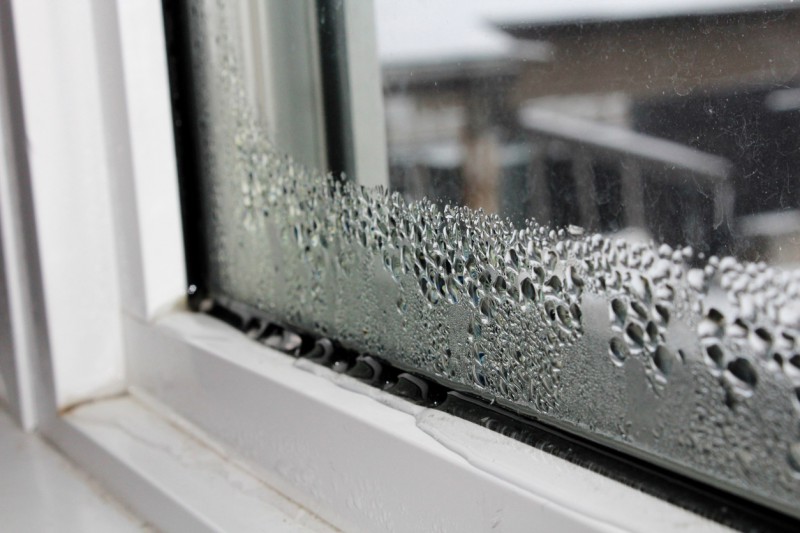
Window condensation inside your house often appears on cold days. You will see it on the glass panes. This moisture forms when warm indoor air touches cold window surfaces.
Where Window Condensation Appears
Window condensation is a common problem. It forms on many surfaces. Understanding where it shows up helps you spot the issue. This moisture can affect your home. It signals something needs attention.
Window Panes
Window Frames
Walls Near Windows
Other Cold Surfaces
The Damage Condensation Causes
Window condensation inside your house causes real damage. It creates mold and mildew growth. This moisture can ruin your walls and window frames.
Window condensation is more than just an annoyance. It actively harms your home. Ignoring it leads to serious problems. These issues can become costly repairs. Protect your house from this silent damage.
Mold And Mildew Growth
Condensation creates moisture. Mold and mildew love moisture. They grow on damp surfaces. This includes window frames. Mold spreads to walls. It can damage paint. It also affects drywall. Mold releases spores into the air. These spores are unhealthy. They can cause breathing problems.
Wood Rot And Decay
Wooden window frames absorb water. Constant moisture causes rot. Wood begins to decay. This weakens the frame structure. Rot can spread to nearby wood. It compromises your home’s integrity. Repairing rotted wood is difficult. It often requires full replacement.
Peeling Paint
Water seeps behind paint. This loosens the paint’s grip. Paint starts to bubble. Then it peels away. This looks unsightly. It also exposes the surface. The underlying material gets damaged. It needs repainting. Sometimes, more extensive repairs are needed.
Insulation Degradation
Moisture can reach insulation. Wet insulation loses its effectiveness. It cannot trap heat well. Your home becomes less energy efficient. Heating costs will increase. Replacing wet insulation is expensive. It is a hidden problem. You may not see it easily.
Air Quality Issues
Condensation contributes to poor air quality. Mold and mildew release spores. These spores are allergens. They can trigger asthma. They cause other respiratory issues. Damp air also feels heavy. It can smell musty. A healthy home needs clean air.
Simple Fixes
Window condensation is annoying. It can damage your home. Luckily, many simple fixes exist. You can tackle this problem easily. These steps require little effort. They make a big difference. Let’s explore these easy solutions.
Increase Ventilation
Good airflow is key. Open windows often. Even a few minutes helps. This lets moist air escape. Fresh air comes inside. Your home feels better. Condensation reduces significantly.
Use Exhaust Fans
Bathrooms create humidity. Kitchens do too. Turn on exhaust fans. Use them during showers. Run them while cooking. They pull moisture outside. This prevents buildup. Simple, yet effective.
Wipe Down Surfaces
See moisture on windows? Grab a cloth. Wipe the glass dry. Do this daily. It removes standing water. This stops further problems. Keep your windows clear.
Adjust Thermostat Settings
Warm air holds moisture. Cooler air holds less. Lower your thermostat slightly. Do not overheat your house. This can reduce condensation. Find a comfortable balance. It helps your windows.
Open Curtains And Blinds
Curtains trap humid air. Blinds do this too. Open them up. Let air circulate freely. Sunlight can warm windows. This helps dry them out. It is a quick step.
Credit: hansons.com
Long-term Solutions
Persistent window condensation signals deeper issues. Tackling it requires smart, lasting fixes. These long-term solutions stop moisture before it starts. They improve your home’s comfort. They also protect your property.
Improve Home Insulation
Cold surfaces cause condensation. Better insulation keeps surfaces warm. Add insulation to attics and walls. This stops heat loss. Warm air stays inside. Less moisture forms on windows.
Upgrade Window Seals
Worn seals let in drafts. These drafts bring moist air. Check your window seals regularly. Replace any cracked or loose seals. Good seals block outside air. They keep inside air in.
Install A Dehumidifier
A dehumidifier removes excess moisture. It controls indoor humidity levels. Place it in damp areas. Run it consistently. This keeps air dry. Window condensation will decrease.
Consider New Windows
Old windows are often inefficient. They may have poor seals. They might lack good insulation. New, energy-efficient windows help. They have double or triple panes. They offer better insulation. They reduce condensation significantly.
Ventilation Systems
Proper ventilation moves stale air out. It brings fresh air in. Exhaust fans help in bathrooms. Kitchen fans remove cooking steam. Whole-house ventilation systems work well. They manage indoor air quality. This reduces overall humidity.
When To Call A Pro
Sometimes, DIY fixes are not enough. Window condensation can signal bigger issues. Knowing when to get expert help is important. It saves you time and money. It also protects your home.
Persistent Problems
Condensation keeps coming back. You try drying the windows. It reappears quickly. This suggests an ongoing problem. Your home’s ventilation might be poor. High indoor humidity is a sign. Experts can find the root cause. They offer lasting solutions.
Structural Damage
Water damage is serious. Condensation can weaken window frames. It can damage walls too. Look for peeling paint. Wood may start to rot. You might see stains. These are red flags. Professional inspection is vital. They assess the extent of damage. They plan necessary repairs.
Mold Remediation
Mold loves damp places. Persistent condensation creates mold. Mold is bad for health. It causes allergies and breathing issues. You might see fuzzy growth. It often has a musty smell. Do not ignore mold. Certified mold removers are needed. They clean and treat affected areas. They prevent mold from returning.
Credit: www.drexelteam.com
Frequently Asked Questions
What Causes Condensation On My Windows?
Warm, moist air inside your home touches cold window glass. This causes the moisture to turn into water droplets. It’s a common issue, especially in colder months.
Is Window Condensation Harmful To My Home?
Yes, persistent condensation can cause damage. It can lead to mold growth and rot on window frames. This can also affect your walls and paint.
How Can I Stop Condensation On Windows?
Increase ventilation in your home. Use exhaust fans in bathrooms and kitchens. Consider a dehumidifier to lower indoor humidity.
What’s The Ideal Humidity Level Indoors?
Aim for a humidity level between 30% and 50%. This range helps prevent condensation. It also makes your home more comfortable.
Should I Open Windows To Reduce Moisture?
Opening windows briefly can help. It lets out humid air. Do this during dry weather if possible.
Can Window Film Reduce Inside Condensation?
Yes, some window films can help. They create an extra insulating layer. This can make the glass surface warmer.
When Should I Call A Professional?
Call a pro if problems persist. If you see widespread mold or damage. They can assess your home’s ventilation needs.
Conclusion
Condensation inside windows is a common problem. It signals moisture in your home. Control humidity for a healthier house. Improve ventilation with fans. Use a dehumidifier if needed. Check for air leaks too. Simple steps make a big difference. Enjoy a drier, more comfortable living space.