
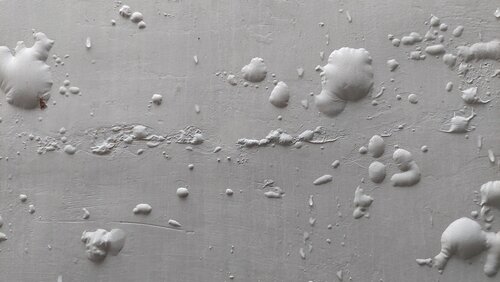
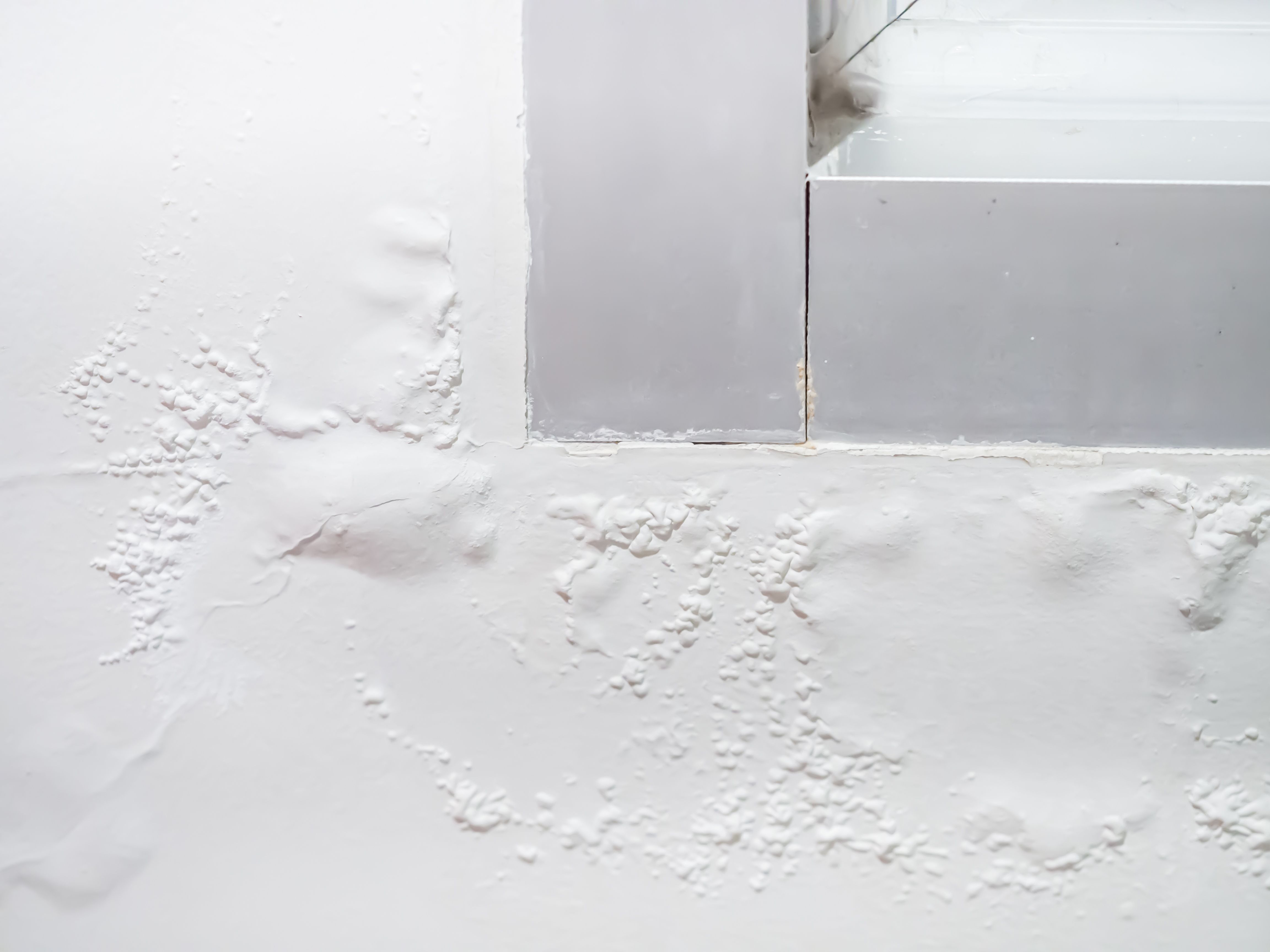
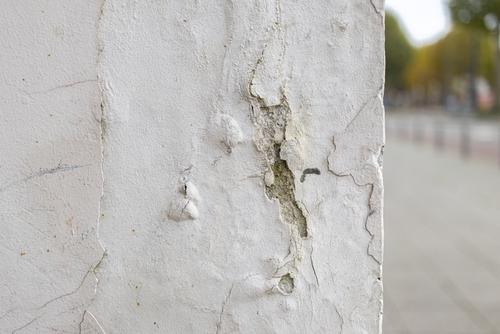
Is your beautiful wall paint suddenly looking like a bubbly mess? Or maybe it’s starting to peel away, revealing the plaster underneath?
It’s frustrating, right? You spent time and money making your home look great, only to have the paint start to fail. Don’t worry, you’re not alone. This common problem has clear causes, and understanding them is the first step to fixing it.
In this post, we’ll dive into exactly why your wall paint bubbles and peels, so you can get your walls looking smooth and fresh again.
Credit: www.ultratechcement.com
The Culprit: Moisture’s Unseen Attack
Paint problems often start unseen. Moisture is a major cause. It attacks walls from the inside. This causes bubbles and peeling paint. Let’s explore this hidden enemy.
Humidity’s Role
High indoor humidity is bad. It gets behind the paint. The paint loses its grip. Bubbles form. Peeling soon follows. Keep humidity levels low.
Leaks And Water Damage
Water leaks are serious threats. Roof leaks damage ceilings. Pipe leaks ruin walls. Water seeps into drywall. It weakens the paint bond. Fix leaks fast. Prevent major damage.
Condensation’s Creep
Condensation forms on cold walls. Bathrooms and kitchens get steamy. Cold windows develop drops. This moisture creeps under paint. It lifts paint layers. Improve ventilation. Reduce steam buildup.
Surface Prep Snafus
Bad surface prep causes paint problems. Moisture trapped beneath the paint makes it bubble. Poor adhesion leads to peeling paint.
Bad surface prep causes paint problems. Bubbles and peeling paint often start here. Let’s look at common mistakes. These errors ruin your paint job.
Dirty Walls
Walls collect dust and grease. You must clean them first. Dirt prevents paint adhesion. The paint will not stick well. It lifts off the wall.
Unprimed Surfaces
Primer is very important. It creates a good base. Unprimed surfaces absorb paint unevenly. This leads to poor coverage. Bubbles can form later.
Old Paint’s Grip
Old paint can be loose. It might be peeling already. You must scrape off loose paint. Painting over it is a mistake. New paint loses its hold.
The Wrong Tools For The Job
Wrong tools can cause paint to bubble and peel. Using the wrong primer is a common mistake. This leads to poor paint adhesion.
Using the wrong tools can ruin your paint job. This leads to bubbles and peeling paint. It’s a common mistake. Let’s explore why.
Paint Quality Matters
Cheap paint causes problems. It does not stick well. It breaks down easily. Use good quality paint. It adheres better. It lasts longer. This prevents future issues.
Application Errors
You might apply paint wrong. Too much paint is bad. It dries unevenly. Not enough paint also fails. It leaves thin spots. The paint can peel. Use the right amount. Apply it smoothly.
Improper Drying Times
Paint needs time to dry. Rushing this step causes trouble. The paint traps moisture. This creates bubbles. It can also peel off. Let each coat dry fully. Check the paint can. Follow the instructions. Patience is key. `
Credit: www.housebeautiful.com
Environmental Factors
Environmental factors play a big role. They affect your walls. Paint can bubble. Paint can peel. These issues are common.
Temperature Extremes
Hot days can hurt paint. Cold days can hurt paint. Sudden changes are the worst. The paint expands. It contracts. This stress causes problems. Bubbles form. Paint loses its grip.
Poor Ventilation
Walls need to breathe. Airflow is important. Moisture gets trapped. This happens behind the paint. It weakens the bond. Paint bubbles up. It starts to peel away. Good airflow prevents this.
Repairing The Damage
Paint bubbles and peels for several reasons. Moisture trapped behind the paint is a common culprit. Poor surface preparation before painting also causes issues.
When wall paint bubbles and peels, it’s a frustrating sight. Don’t worry. Repairing the damage is manageable. Follow these steps. You will restore your walls’ beauty.
Scraping Away The Loose Paint
Get a paint scraper. Use a putty knife. Gently lift the peeling paint. Work from the edges inward. Remove all loose material. Avoid digging into the wall. Smooth the edges of the peeled area.
Cleaning And Drying
Wash the exposed area. Use mild soap and water. A damp cloth works well. Rinse the surface thoroughly. Let the wall dry completely. This is very important. Moisture causes new bubbles.
Priming For Protection
Apply a good primer. Use a high-quality wall primer. This seals the surface. It helps new paint stick. Cover the entire repaired spot. Let the primer dry fully. This step prevents future issues.
Repainting For A Fresh Start
Now, paint the wall. Use the original paint color. Apply thin, even coats. Two coats are usually best. Let each coat dry. Your wall looks new again. The damage is gone.
Preventing Future Problems
Proper wall preparation stops paint bubbles. Fixing moisture issues prevents peeling. These steps ensure a lasting finish.
Preventing future problems stops paint issues. It saves you time. It saves you money. It keeps your walls looking great. Follow these tips. Your paint will last longer.
Controlling Indoor Humidity
High humidity causes paint to fail. Use a dehumidifier. Run exhaust fans. This lowers moisture levels. Paint adheres better. Walls stay dry.
Addressing Leaks Promptly
Water is paint’s enemy. Fix leaky pipes fast. Repair roof leaks immediately. Dry affected areas thoroughly. Re-paint only after drying. Prevent moisture damage.
Proper Surface Preparation
Clean walls are essential. Scrape away old paint. Sand rough spots smooth. Use a good primer. It helps paint stick. This prevents peeling.
Choosing The Right Paint
Use quality interior paint. Select paint for your room. Kitchens need washable paint. Bathrooms need moisture-resistant paint. The right paint lasts.
Ensuring Good Ventilation
Fresh air is important. Open windows when you paint. Allow paint to dry fully. Good airflow prevents moisture. It helps paint cure.
Credit: www.ultratechcement.com
Frequently Asked Questions
Why Does My New Paint Bubble And Peel?
New paint can bubble or peel due to moisture trapped underneath. This often happens if the surface wasn’t dry or clean. It can also occur if the paint wasn’t applied correctly.
What Causes Paint To Blister On Walls?
Paint blisters form when heat or moisture gets behind the paint layer. This can come from steam, leaks, or even direct sun. The trapped moisture expands and pushes the paint away.
Is Humidity A Common Cause Of Peeling Paint?
Yes, high humidity is a frequent culprit. Excess moisture in the air can seep into the paint. This weakens the bond between the paint and the wall.
Can Poor Surface Preparation Lead To Paint Failure?
Absolutely. If walls are not cleaned or primed properly, paint won’t stick well. Dust, grease, or old paint layers prevent a good adhesion. This leads to peeling.
What Happens If I Paint Over A Wet Surface?
Painting over a wet surface traps moisture. This trapped moisture has nowhere to go. It can cause the new paint layer to bubble and lift.
Does Old Paint Contribute To New Paint Peeling?
Old, failing paint is a problem. If it’s already loose or cracked, new paint won’t adhere. You must remove the old, damaged paint first. Then prep the wall for best results.
How Can I Prevent My Paint From Bubbling?
Ensure walls are completely dry and clean before painting. Use a good quality primer. Apply paint in thin, even coats. Avoid painting in very humid conditions.
Conclusion
Bubbling paint signals trouble. Peeling paint looks bad. Moisture causes many paint problems. Poor surface prep is also common. Always clean and prime walls. Use quality paint for best results. Address issues quickly. Protect your home’s appearance. A smooth finish lasts longer.
Enjoy your beautiful walls.