
Ever heard that unsettling sound of your toilet flushing on its own? It’s strange, a little spooky, and definitely not something you expect.
You might be wondering if you’re imagining things or if your bathroom has a mind of its own. Don’t worry, you’re not alone, and your toilet isn’t haunted! There are actually very logical, and often simple, reasons why this happens.
Stick around, and we’ll uncover the mystery behind your self-flushing toilet and show you how to fix it.
Phantom Flushes Explained
Phantom flushes. They happen. Your toilet flushes on its own. It seems spooky. Let’s explore this mystery. We will explain phantom flushes simply.
The Mystery Of The Self-flushing Toilet
A toilet flushes alone. It is strange. It might surprise you. This is a phantom flush. It is not magic. There are real reasons. Let’s uncover them.
Common Culprits Behind Phantom Flushes
Several things cause this. A faulty flapper is one. The flapper seals the tank. It stops water flow. If it leaks, water trickles. This refills the bowl. The tank then flushes again. This creates a phantom flush.
Another cause is a bad fill valve. The fill valve controls water. It refills the tank. It stops water when full. A worn-out valve lets water run. This keeps the tank filling. It triggers a flush. It happens unexpectedly.
The float ball can also fail. It sits in the tank. It tells the fill valve when to stop. A low float ball means more water. The valve runs too long. This can cause a phantom flush. It is a simple mechanism. But it can go wrong.
Troubleshooting Your Phantom Flushes
You can fix this. First, check the flapper. Look for wear. Replace it if needed. It is an easy repair. Next, inspect the fill valve. Is it old? Is it leaking? Replace the fill valve. This stops constant refilling.
Adjust the float ball. Make sure it is high. It should be near the top. This stops overfilling. These are simple fixes. They solve phantom flushes. Your toilet will behave. No more surprise flushes.

Credit: horow.com
The Flapper’s Fault
The flapper is often the culprit. It’s a simple rubber seal. It controls water flow. A faulty flapper causes leaks. This leads to phantom flushes. Let’s explore this common issue.
Worn-out Seals
Flappers wear out. Rubber degrades over time. Seals become less effective. Water seeps into the bowl. This creates a slow leak. The tank refills itself. This seems like a flush. It’s a silent water waste.
Improper Chain Length
The flapper chain matters. It connects to the handle. The chain lifts the flapper. It must have the right slack. Too much slack is bad. The flapper won’t seal. Water leaks constantly. Too little slack is also bad. The flapper stays slightly open. This causes a slow refill. That refill looks like a flush.
The Fill Valve’s Folly
The fill valve is a toilet’s quiet hero. It controls water flow into the tank. Sometimes, this hero falters. This leads to a toilet flushing on its own. We call this “The Fill Valve’s Folly.” It’s a common plumbing puzzle. Let’s explore why.
Leaking Valve Seat
The valve seat is critical. It stops water flow. A worn-out seat leaks. Water slowly enters the bowl. This constant trickle builds up. It can trigger the flush. A damaged seal causes this. It’s a silent water thief.
High Water Levels
The fill valve sets water level. It should stop at a certain point. If it fails, water rises too high. Excess water spills over. It goes into the overflow tube. This simulates a flush action. The valve needs adjustment. Or it might need replacement.

Credit: www.youtube.com
Pressure And Leaks
Toilet mysteries abound. One common puzzle: a flushing toilet. This often points to pressure issues. Or perhaps a hidden leak. Let’s explore these possibilities. Understanding them helps solve the problem.
Tiny Tank Leaks
Your toilet tank holds water. A small leak can be sneaky. Water slowly escapes the tank. It goes into the bowl. This happens even without flushing. The water level drops. The fill valve then refills it. This creates a flush sound. You might hear a faint trickle. Check the tank’s water level. Is it dropping over time? A worn flapper is often the culprit. It is a rubber seal. It sits at the bottom. It may not seal perfectly. This allows water to seep out. Replacing a flapper is simple. It is an inexpensive fix.
External Water Pressure
Water pressure in your home matters. Sometimes, it is too high. High pressure can affect the toilet. It might force water past seals. This can cause phantom flushes. The fill valve might open slightly. It lets a little water in. This water then drains away. The cycle repeats. You can test your home’s pressure. A simple gauge works. You can buy one at a hardware store. Most homes have 40 to 80 PSI. Anything over 80 PSI is high. A pressure-reducing valve can help. It lowers the incoming pressure. This protects your plumbing. It stops the phantom flushes.
The Role Of Hard Water
Hard water plays a sneaky role. It can cause toilets to flush on their own. Minerals in the water are the culprits. They build up inside your toilet’s tank. This buildup creates problems. Problems that lead to phantom flushes.
Mineral Buildup
Hard water contains minerals. Calcium and magnesium are common. These minerals leave deposits. They stick to toilet parts. The fill valve is a key part. Mineral deposits can clog it. This prevents a full shut-off. Water keeps trickling in. The tank level rises. This triggers the flush mechanism. A phantom flush occurs.
Corrosion Effects
Hard water causes corrosion. It eats away at metal parts. The flapper valve can corrode. This creates a poor seal. Water leaks from the tank. It seeps into the bowl. The water level drops in the tank. The fill valve activates again. It tries to refill the tank. This starts a cycle. A flush happens again. Corrosion makes things worse. It damages the toilet system.
Troubleshooting Your Toilet
A toilet flushing on its own is strange. It can waste water. It can also be noisy. Don’t worry. Many issues are fixable. This section helps you find the problem. We will guide you through common causes. You can try simple repairs. Sometimes, a pro is needed.
Identifying The Cause
Why does this happen? A few things can cause it. The fill valve may be bad. Water might leak into the bowl. This makes the toilet refill. The flapper might not seal well. This is a common culprit. A faulty flapper lets water escape. The toilet then thinks it needs more water. Check these parts first. They are inside the tank.
Simple Fixes To Try
Start with the flapper. Is it worn out? Replace it. They are inexpensive. Easy to install too. Next, check the fill valve. Is it set too high? Adjust it. Make sure it’s not broken. Sometimes, just cleaning parts helps. Look for debris. Remove any gunk. These steps often solve the problem. Test your toilet after each fix.
When To Call A Plumber
Some problems are complex. You might need expert help. If simple fixes fail, call a plumber. Persistent leaks need attention. A broken fill valve is tricky. If you’re unsure, get help. A plumber has the right tools. They have experience too. They can diagnose tough issues. Your toilet will work right again.
Preventing Future Phantom Flushes
Phantom flushes can be annoying. They waste water. They can signal deeper toilet problems. You can stop these surprise flushes. Preventing future phantom flushes is simple. It requires a little attention. Follow these tips. Your toilet will thank you.
Regular Maintenance Tips
Check your toilet tank often. Look for leaks. Listen for running water. A slow leak means trouble. It often causes phantom flushes. Adjust the float. Ensure it sits correctly. This stops water overflow. Clean the flapper regularly. Debris can prevent a good seal. A worn flapper needs replacement. This is a common culprit. Flush the toilet. Watch the water level. It should be steady. No constant trickling. This simple check saves water.
Choosing The Right Parts
When you replace parts, choose wisely. Not all toilet parts are equal. Get a quality flapper. It creates a tight seal. This stops water loss. Look for durable materials. A good fill valve is important. It controls water entry. Ensure it fits your tank. Universal parts work well. They are easy to find. Avoid cheap, flimsy options. They fail quickly. They cause more problems. Buying good parts saves money. It prevents future headaches.
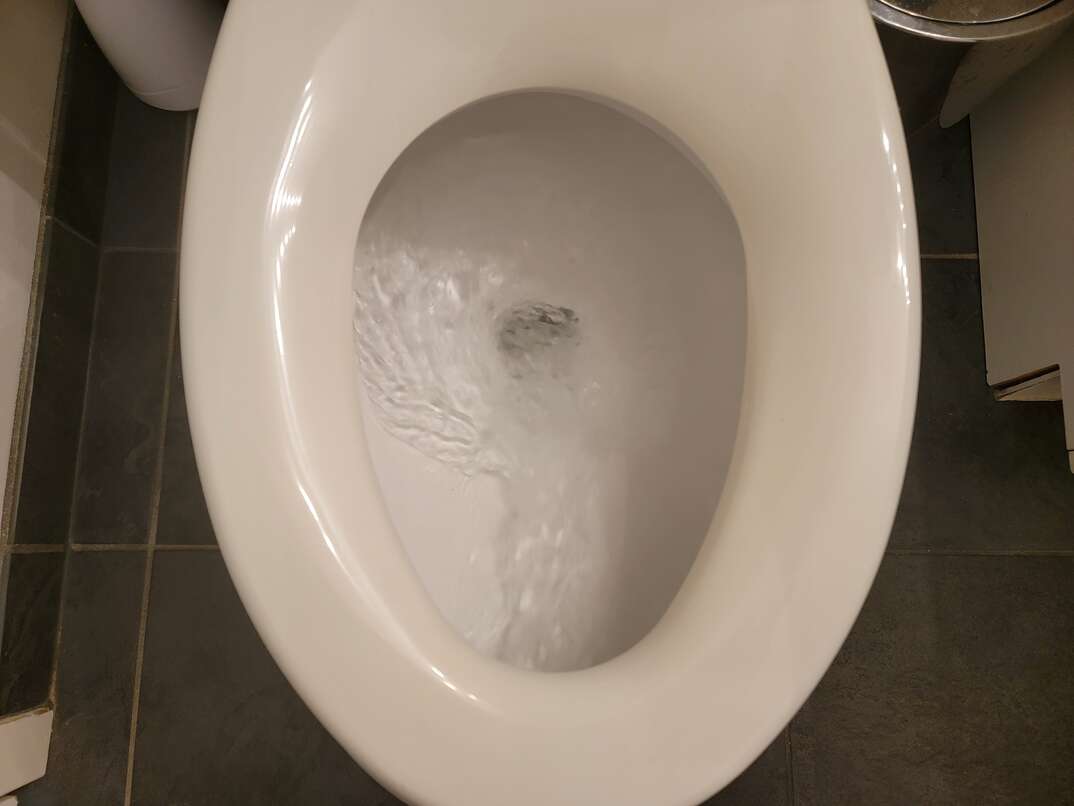
Credit: www.elocal.com
Frequently Asked Questions
Why Is My Toilet Flushing On Its Own?
A phantom flush often means a leaky flapper. This part seals the tank. Water slowly leaks into the bowl. The tank then refills, causing a flush.
What Causes A Toilet To Flush Randomly?
A faulty fill valve can cause this. It may let too much water in. This overflows the tank. Then, the toilet flushes itself.
Can A Toilet Flush Itself Without Water?
No, water is always needed. A self-flushing toilet needs water. It uses water to create suction. This action removes waste.
Is A Toilet Flushing By Itself A Problem?
Yes, it wastes water. This increases your water bill. It can also damage your toilet. It’s best to fix it soon.
How Do I Stop My Toilet From Flushing Itself?
Check the flapper first. Ensure it seals the tank well. Also, check the fill valve. Make sure it stops filling correctly.
What Is A Phantom Flush In A Toilet?
A phantom flush is an unexpected flush. It happens without anyone touching it. This is usually due to a leak. The water level in the tank drops.
How Much Does It Cost To Fix A Self-flushing Toilet?
Fixing it is often cheap. A new flapper costs little. A fill valve is also affordable. You might fix it yourself.
Conclusion
Your toilet flushing alone is odd. Often, a simple fix exists. Check the flapper seal. A worn-out flapper causes leaks. Water constantly refills the tank. This refills the bowl too. Gravity then triggers a flush. A faulty fill valve is another cause.
It lets too much water in. These are common, fixable issues. Don’t ignore the mystery flush. A plumber can help quickly.