
Choosing between a toilet chair vs comfort height is simple if you prioritize your mobility needs, as comfort height models offer permanent ease for everyday use while toilet chairs provide temporary support during injury recovery. If you struggle to stand from a standard seat, you should choose a comfort height toilet for your home. If your need for assistance is only for a few weeks after surgery, a portable toilet chair is the better, more flexible option.
Toilet chair vs comfort height: How to choose
The right choice depends on your long-term mobility and how much space you have in your bathroom for extra equipment.
| Method | How long | Effort | Cost | Best for |
|---|---|---|---|---|
| Comfort height toilet | Permanent | Low | High | Daily home use |
| Standard toilet chair | Temporary | Medium | Low | Post-surgery recovery |
| Elevated seat riser | Variable | Low | Low | Quick retrofitting |
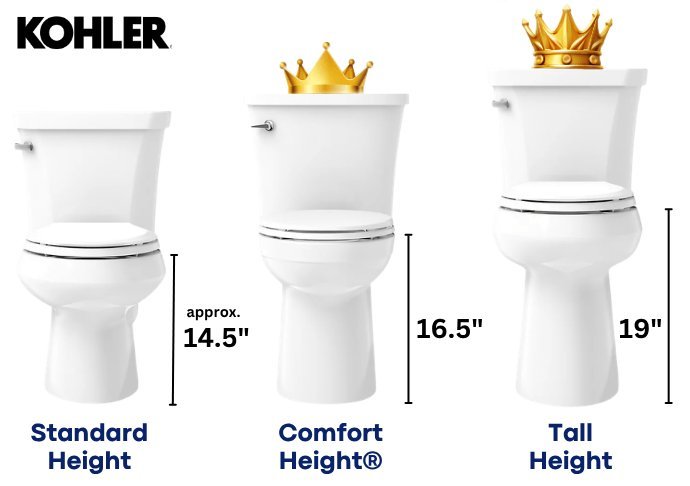
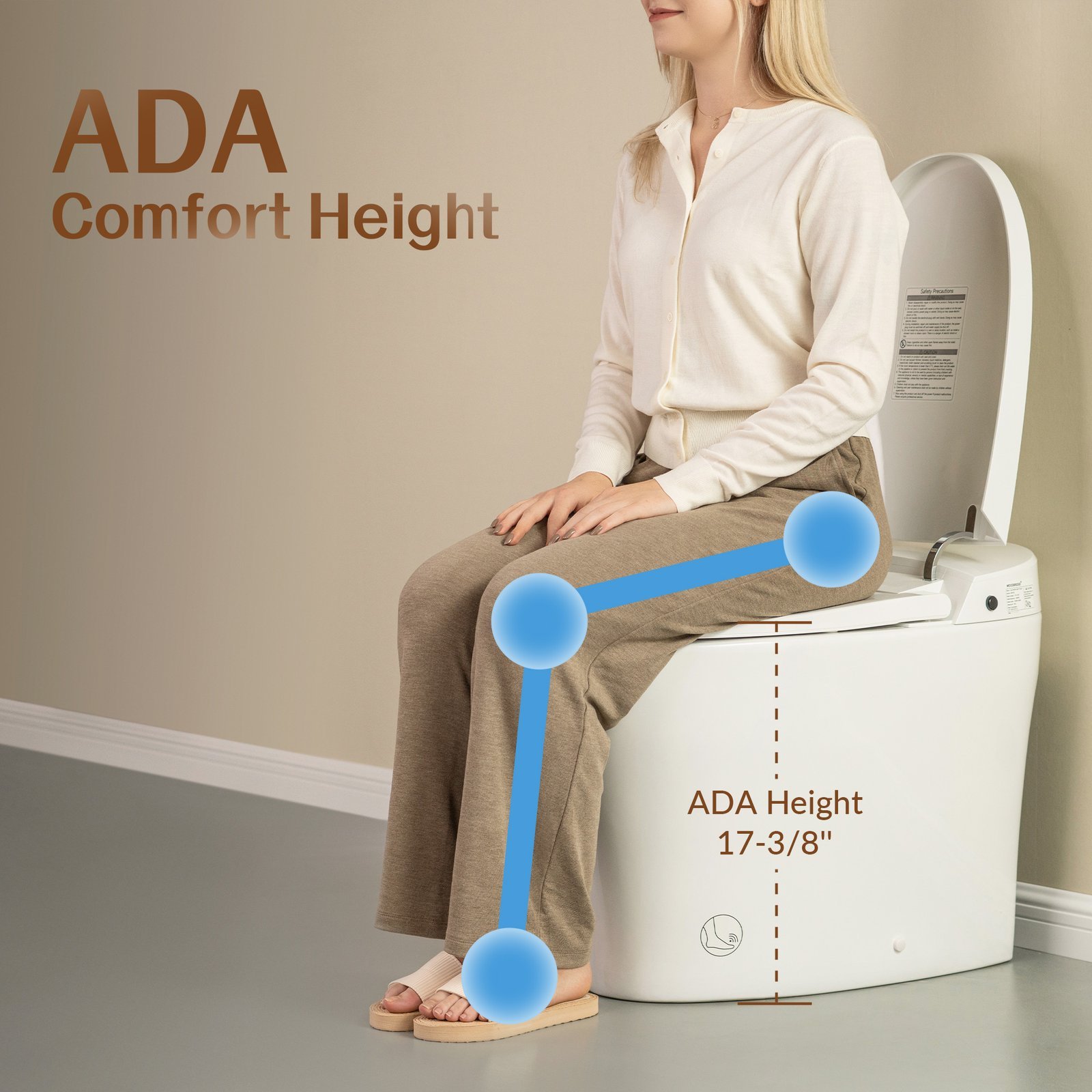
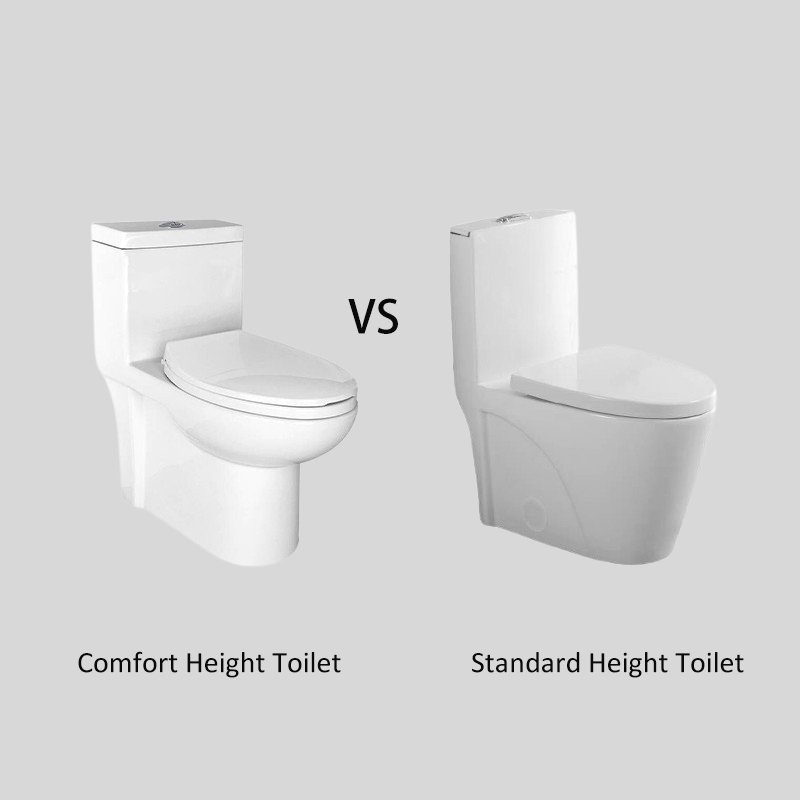
Comfort height toilets typically sit between 17 and 19 inches from the floor, which is significantly taller than standard models. This height mimics the feel of a standard chair, reducing the distance your legs must bend. If you’re tall, this is often the most comfortable choice regardless of mobility issues. For those with limited space, a seat riser is a common alternative. It attaches directly to your existing toilet bowl to add 3 to 5 inches of height without the need for a full plumbing replacement. This varies by model — check the label to ensure the weight capacity matches your needs.
Installing a permanent tall toilet
A comfort height toilet is a full fixture replacement designed for long-term accessibility. You must remove your old unit and install the new one to gain the permanent benefit of a higher seat.
- Turn off the water supply valve and flush the toilet to empty the tank.
- Disconnect the water supply line and remove the bolts from the base of the toilet.
- Carefully lift the old toilet off the wax ring and clean the flange area thoroughly.
- Place a new wax ring on the flange and set the comfort height toilet down, pressing firmly to create a seal.
- Bolt the unit to the floor and reconnect the water supply line.
Before you begin, check your floor flange. If the flange sits below the finished floor level, you must use an extra-thick wax ring or a flange extender to prevent leaks. A common mistake is overtightening the floor bolts, which often cracks the porcelain base. Tighten them until snug, then give them a final quarter-turn.
This method is excellent because it looks like a standard part of your bathroom and requires no daily setup. The weakness is the cost and the labor required to move heavy ceramic fixtures. If your bathroom floor is uneven, you’ll need plastic shims to stabilize the base before caulking. If you aren’t comfortable with plumbing, hire a licensed professional to avoid leaks or floor damage.
Using a portable commode chair
A toilet chair, often called a commode, stands over your existing toilet or functions as a standalone unit with a waste bucket. It provides support arms that help you push up when you stand.
- Adjust the legs to your desired height so your feet remain flat on the floor. If your heels lift off the ground, you risk sliding forward.
- Place the chair over your existing toilet with the seat lid removed for easier access.
- Ensure all four legs are locked into place before you sit down. A common mistake is failing to verify that the locking pins are fully engaged. This oversight can cause the chair to collapse under your weight.
- Use the armrests to stabilize your body while you lower yourself and stand back up. Keep your weight centered between the arms to prevent the unit from tipping.
- Clean the seat and frame with a mild disinfectant after every use.
This chair is perfect for people who need immediate support while recovering from a hip or knee procedure. The trade-off is that it takes up significant floor space and can make a small bathroom feel crowded. This isn’t for people who need a permanent, clutter-free solution. If you require assistance for more than six months, consider installing permanent grab bars instead.
Adding a temporary seat riser
A toilet seat riser is a plastic frame that sits between your bowl and the seat, adding height without replacing the entire fixture. It’s the fastest way to adjust your bathroom.
- Unscrew the existing toilet seat bolts behind the bowl.
- Align the riser with the mounting holes on the back of the toilet rim.
- Place your original seat or the provided lid on top of the riser.
- Insert the long bolts through the seat, the riser, and the bowl holes.
- Tighten the nuts underneath until the assembly feels completely stable.
Most users make the mistake of failing to test for lateral movement immediately after installation. If the riser slides more than a quarter-inch when you push it, the bolts are likely loose or the riser is incompatible with your bowl’s curvature. This instability creates a fall risk.
If you have a round bowl, ensure you purchase a model specifically labeled “round” rather than “elongated.” Using an elongated riser on a round bowl leaves gaps that cause the plastic to flex and crack under weight. These risers are inexpensive and easy to remove once you no longer need the extra height. They’re ideal for guests or short-term rehabilitation needs. Check the ADA Standards for Accessible Design to see the specific height requirements that public facilities must meet for accessibility.
Which one should you use?
If you’re in a hurry, choose a seat riser. You can buy one at most hardware stores and install it in less than ten minutes without any special tools. It provides an immediate height boost for an existing toilet.
If you’re doing this for the first time, a toilet chair is the safest starting point. It offers armrests that provide assistance, though they aren’t a substitute for the stability of a properly installed, wall-mounted grab bar. You can adjust the height to see what feels best before you commit to a permanent change.
If you want the best possible result whatever it takes, install a comfort height toilet. This is the only method that provides a permanent, stable, and aesthetically pleasing solution. It integrates perfectly into your home, requires no daily adjustments, and handles weight much better than plastic risers or portable chairs.
The trade-off is clear: you choose between the high cost and permanence of a new fixture or the lower cost and flexibility of portable equipment. If you choose the chair, remember that it’s meant for temporary assistance. If you choose a permanent toilet, you gain long-term ease but lose the ability to move the support if your bathroom layout changes later.
The rules that apply whichever way you choose
Regardless of the method you pick, the most important rule is to verify the weight capacity. Most standard risers and chairs are rated for a specific weight, and exceeding this limit can lead to equipment failure or falls. Check the manufacturer’s manual to ensure the product matches the user’s weight.
Before you begin, clear the area of any rugs or obstacles. A slippery floor is a major risk when you’re using a raised seat or a commode chair. Partway through the installation, check the bolts or locking pins to ensure they’re tight. If you notice any wobbling, stop and readjust.
At the end of your installation, perform a stability test by applying weight to the seat while holding onto a wall or a stable object. If you feel any movement, don’t use the toilet until you have secured the fasteners again. If you’re installing a comfort height toilet, any work involving the sewage line or water supply carries a risk of leaks; if you aren’t experienced, contact a local plumber to handle the task. This ensures the job meets local building codes and keeps your home protected from water damage.
Frequently asked questions
Can I install a comfort height toilet myself?
Yes, you can install one if you have experience with basic plumbing, but it’s a heavy task. You must be able to lift the ceramic base and ensure the wax ring creates a perfect seal to prevent leaks. If you aren’t confident in your ability to seal the waste pipe, hire a plumber to prevent costly water damage to your floors.
Is it safe to use a toilet chair on carpet?
No, it isn’t recommended to use a toilet chair on carpet because the surface is unstable and may cause the legs to shift. The chair needs a hard, flat surface to remain secure. If your bathroom has carpet, you must place a piece of plywood or a hard mat underneath the chair to ensure the legs don’t slip.
How long does a toilet seat riser last?
A high-quality plastic riser can last for several years, but it depends on how often you clean it and how much weight it supports. You should inspect the plastic for cracks or signs of wear regularly. If the plastic begins to show white stress marks, it’s time to replace the unit for your safety.
What happens if the toilet chair is too high?
If the chair is too high, your feet will dangle, which makes it difficult to balance and could lead to a fall. Your feet must always touch the floor firmly when you’re seated. If you can’t adjust the legs low enough, you should consider a shorter model or a seat riser instead of a full chair.
Why is a comfort height toilet better for joints?
A comfort height toilet is better for your joints because it reduces the angle of your knees and hips when you sit or stand. This decreased range of motion puts less stress on your body, making it significantly easier to transition from a sitting position to a standing one without straining your muscles.
Final Thoughts
Deciding which option fits your life doesn’t have to be stressful. If you’re still unsure, talk to your doctor or a physical therapist about your specific needs. They’ll help you choose the right support so you can get back to your routine with confidence. You’ll feel much safer once you’ve made the change.
Related guides