
When it comes to choosing the right method for concrete application, you might find yourself stuck between Gunite and Shotcrete. Both are popular options, but understanding their differences can save you time, money, and headaches down the road.
You’ll discover what sets Gunite and Shotcrete apart, how each one works, and which one suits your specific project needs. By the end, you’ll feel confident making the best choice for your next build or repair. Keep reading—you don’t want to miss these key insights!
Gunite Basics
Gunite is a popular material used in construction and repair projects. It is a type of concrete applied in a unique way. Understanding its basics helps to see why it is widely chosen.
Gunite stands out for its strength and flexibility. It can be applied to different surfaces and shapes. This makes it useful for many tasks around homes and buildings.
Composition And Application
Gunite is made from dry cement and sand mixed together. Water is added during spraying on the surface. This method is called dry-mix spraying.
The mixture shoots at high speed through a hose. It sticks firmly to the surface without needing forms. The water activates the cement and hardens the mix quickly.
Typical Uses And Benefits
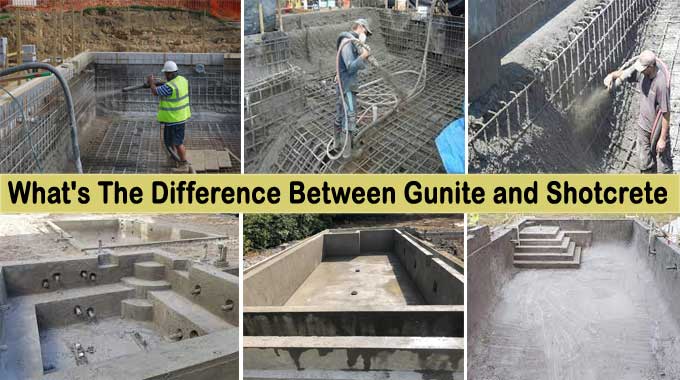
Gunite works well for pools, walls, and repairs. It forms a strong, durable layer that resists weather and wear. It adapts easily to curved or uneven shapes.
Its fast application saves time and labor. Gunite also allows for a smooth finish and good bonding. These benefits make it a preferred choice for many builders.

Credit: www.youtube.com
Shotcrete Essentials
Shotcrete is a popular method for applying concrete. It uses a special spraying technique that allows concrete to stick to surfaces quickly. This makes it useful for many building projects. Understanding the basics of shotcrete helps in choosing the right material for your project.
Shotcrete offers strong and fast-setting concrete. It can be shaped easily and fits different construction needs. Knowing its key features helps in comparing it with other methods like gunite.
Material Mix And Process
Shotcrete uses a mix of cement, sand, and water. Sometimes, additives improve strength or workability. The mix is pumped through a hose at high speed.
The concrete hits the surface with force. It sticks and compacts in one step. There are two main types: wet-mix and dry-mix shotcrete. Wet-mix has all ingredients mixed before spraying. Dry-mix adds water at the nozzle during spraying.
Common Applications And Advantages
Shotcrete works well for pools, tunnels, and retaining walls. It repairs damaged concrete and strengthens structures. Its fast application saves time on projects.
The sprayed concrete bonds tightly to surfaces. It allows for curved and irregular shapes. Shotcrete reduces the need for formwork, cutting costs. It also offers excellent strength and durability for outdoor use.
Key Differences
Gunite and shotcrete are two popular methods for applying concrete. Both have unique ways of mixing and spraying concrete. Understanding their key differences helps in choosing the right option.
The differences affect project cost, time, and final quality. Below, we break down the main points to consider.
Dry Vs Wet Mix Methods
Gunite uses a dry mix. The dry concrete is sprayed and water is added at the nozzle. This allows for better control over the water content.
Shotcrete uses a wet mix. The concrete is mixed with water before spraying. It comes out ready to apply, which speeds up the process.
Equipment And Labor Requirements
Gunite requires a dry-mix machine and skilled operators. The process needs careful handling to keep the mix consistent.
Shotcrete uses a wet-mix pump and fewer operators. It requires less skill to maintain the flow and spray.
Curing Time And Strength
Gunite tends to cure slower due to the dry application. It can achieve high strength with proper curing.
Shotcrete cures faster because of the pre-mixed water. It gains strength quickly and is good for fast projects.

Credit: mudjacking.com
Durability Factors
Durability is key when choosing between gunite and shotcrete. Both materials must endure tough conditions. Understanding their durability helps in picking the right option for your project.
Resistance To Weather And Wear
Gunite and shotcrete resist weather differently. Gunite has a dense texture that helps block water and ice. This reduces cracks from freezing and thawing. Shotcrete also offers strong weather resistance due to its compact application. Both materials stand up well to rain, sun, and wind. Their surface toughness helps prevent erosion and surface wear over time.
Structural Integrity Over Time
Both gunite and shotcrete maintain strong structural integrity. Gunite’s dry mix creates a solid, durable layer. This makes it less likely to weaken under pressure. Shotcrete, with its wet mix, bonds tightly to surfaces. It cures fast, which strengthens the structure early on. Both methods resist shifting and settling, keeping walls and pools safe for years.
Cost Comparison
Comparing costs between Gunite and Shotcrete helps homeowners choose the best option. Both methods serve similar purposes but differ in expenses. Understanding these costs clarifies which fits your budget.
Material Expenses
Gunite uses dry mix sprayed with water at the nozzle. This process requires cement, sand, and water separately. Shotcrete uses wet mix ready to spray, combining all ingredients beforehand.
Material costs for Gunite tend to be lower. The dry mix is cheaper and easier to store. Shotcrete materials cost more due to the wet mix’s complexity.
Installation And Maintenance Costs
Gunite installation needs skilled workers to control water flow during spraying. This can increase labor costs slightly. Shotcrete requires less skill for application, often speeding up installation.
Maintenance costs for both are similar. Proper sealing and care prevent cracks and damage. Shotcrete may show fewer repairs over time due to denser application.
Choosing The Right Method
Choosing the right method between gunite and shotcrete can affect your project’s success. Both methods have unique strengths. Understanding these helps you pick the best option for your needs. Focus on project size, complexity, and environmental factors. This guides your choice toward the most effective approach.
Project Size And Complexity
Gunite suits small to medium projects well. It allows precise control over placement. Ideal for intricate shapes or repairs. Shotcrete works better for large or complex structures. Its wet-mix consistency flows easily into molds. This saves time on big jobs. Consider the scale and detail before deciding.
Environmental Considerations
Shotcrete uses less water during application. This helps in dry or hot climates. Gunite dries quickly, ideal for cooler areas. Both methods produce dust, but shotcrete creates less. Choose the method that fits site conditions. This ensures smoother work and better results.
Common Misconceptions
Gunite and shotcrete often get confused. Both use similar materials but differ in how they are applied. Many people believe wrong facts about their strength, use, and performance. Clearing up these myths helps in choosing the right option.
Performance Myths
Some think gunite is weaker than shotcrete. The truth is both have similar strength if mixed well. Strength depends on the mix design and curing, not just the name. Another myth is that shotcrete cracks more easily. Proper application and care reduce cracking in both methods. Performance varies more with skill than the technique.
Application Limitations
People often say gunite can only be used in small projects. Both gunite and shotcrete work on small and large jobs. Another false idea is shotcrete needs special weather. Both can be applied in various climates with the right precautions. Each method has its limits, but those limits are often misunderstood.
Credit: www.quantity-takeoff.com
Future Trends
The future of Gunite and Shotcrete looks promising with many new trends shaping the industry. These trends focus on improving quality, efficiency, and environmental impact. Contractors and builders will benefit from these advancements.
Technology and sustainability are key areas of focus. These will change how concrete spraying is done and what materials are used. The following sections explore these future trends in detail.
Innovations In Concrete Spraying
New machines make spraying concrete easier and faster. They use less material and create stronger structures. Robotics and automation help control the spray for better accuracy. This reduces waste and saves time on projects.
Smart sensors monitor the mix and spraying process. They ensure the right consistency and thickness. This leads to more durable and safer surfaces. These tools help workers maintain high quality every time.
Sustainability And Eco-friendly Options
Eco-friendly concrete mixes are gaining popularity. They use recycled materials like glass and plastic. This lowers the demand for natural resources. Lower carbon emissions during production make these mixes better for the planet.
Water-saving techniques reduce waste during spraying. New curing methods also cut down water use. These practices support green building standards. Builders can meet environmental rules without extra costs.
Frequently Asked Questions
What Is The Difference Between Gunite And Shotcrete?
Gunite is dry-mix sprayed concrete, while shotcrete is wet-mix. Gunite adds water at the nozzle; shotcrete mixes water before spraying.
Which Method Is Stronger, Gunite Or Shotcrete?
Both methods create strong concrete structures. Shotcrete usually has better control over water content, making it slightly stronger in some cases.
Is Gunite Better For Swimming Pools Than Shotcrete?
Gunite is popular for pools due to its strength and flexibility. Shotcrete also works well but may be less common for pools.
How Long Does It Take To Apply Gunite Compared To Shotcrete?
Gunite application is slower because water is added at the nozzle. Shotcrete sprays faster since the mix already contains water.
Can Shotcrete Be Used For Repair Projects Like Gunite?
Yes, shotcrete is often used for repairs and patching. It provides good adhesion and fills cracks effectively, similar to Gunite.
Conclusion
Choosing between gunite and shotcrete depends on your project needs. Both offer strong, durable concrete options. Gunite works well for smaller jobs and detailed work. Shotcrete suits larger areas and faster application. Consider cost, skill level, and site conditions too.
Each method has pros and cons to weigh. Understanding these helps you decide wisely. The right choice leads to a solid, lasting result. Think about what fits your budget and timeline best. Quality and safety matter most in any build.