
Are you thinking about upgrading your bathroom and stuck choosing between a one piece and a two piece toilet? This decision might seem simple, but it can affect your comfort, cleaning routine, and even your bathroom’s style.
You want the best fit for your space and budget without any surprises down the line. Keep reading, and you’ll discover the key differences that make one option stand out over the other—helping you make a confident choice that suits your needs perfectly.
One Piece Toilet Design
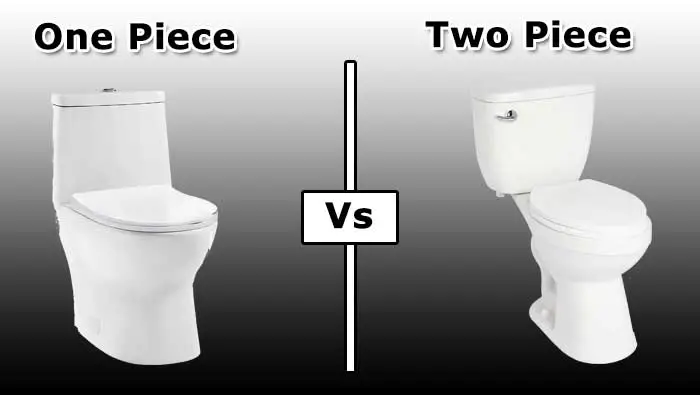
The one piece toilet design is a popular choice for many bathrooms. It combines the tank and bowl into a single unit. This design creates a sleek and smooth look. Many homeowners prefer it for its modern appearance and ease of cleaning.
One piece toilets often fit well in smaller spaces. Their seamless construction reduces crevices where dirt can hide. This makes maintenance quicker and simpler. The compact design also helps save space without sacrificing comfort.
Construction And Features
One piece toilets are made from a single mold. The tank and bowl are fused together during manufacturing. This eliminates the gap found in two piece toilets. It results in a sturdy and solid structure.
The surface of one piece toilets is smooth and easy to wipe. Most models have a skirted design that hides the trapway. This feature keeps the toilet looking clean and neat. Many also include water-saving flush systems to reduce water use.
Benefits Of One Piece Toilets
These toilets are easier to clean due to fewer joints. Their seamless design means less chance of leaks between parts. Installation is simpler because only one unit needs placement. The compact size suits modern and small bathrooms well.
One piece toilets often have a stylish, contemporary look. They can add a touch of elegance to your bathroom. They also tend to be quieter during flushing compared to two piece models.
Common Drawbacks
One piece toilets usually weigh more than two piece ones. This can make carrying and installation harder. They may cost more upfront due to their design and materials. Repairing a damaged part can be tricky since everything is connected.
Some models offer fewer style options. The integrated design limits customization. Also, the size of the one piece unit might not fit all bathroom layouts.
:max_bytes(150000):strip_icc()/SPR-one-piece-vs-two-piece-toilet-8713148-hero-1f3abcad6f69402a9e9522c7c5a6d583.jpg)
Credit: www.thespruce.com
Two Piece Toilet Design
The two piece toilet design is a common style found in many homes. It consists of two separate parts: the tank and the bowl. These parts are joined together during installation. This design makes it easier to transport and install compared to one piece toilets.
Two piece toilets offer practical features and a classic look. Many people choose them for their reliability and ease of maintenance. Understanding their construction, advantages, and disadvantages helps in making a good choice for your bathroom.
Construction And Features
The tank and bowl are made separately in two piece toilets. The tank holds the water used for flushing. The bowl collects and disposes of waste. A gasket seals the connection between the tank and bowl to prevent leaks.
This design allows easier handling during delivery and installation. The toilet usually includes a standard flush mechanism and a simple handle. Many models offer different styles and heights to fit various bathroom needs.
Advantages Of Two Piece Toilets
Two piece toilets are often less expensive than one piece models. Parts are easier to replace if something breaks. Their separate parts make cleaning and repair simpler.
They come in many designs and sizes. This variety helps to fit different bathroom spaces and decor. Installation is flexible due to the separate tank and bowl.
Potential Disadvantages
Two piece toilets have a visible seam between tank and bowl. This seam can collect dirt and grime, requiring more cleaning. They may take up more space due to their design.
These toilets can be slightly harder to clean than one piece models. The connection between parts might leak if not installed correctly. They are usually heavier to carry in two parts but lighter individually.
Comparing Performance
Performance plays a key role in choosing between one-piece and two-piece toilets. Understanding how each type works helps pick the right model. This section compares their flushing power, water use, and noise levels. These factors affect daily comfort and utility bills.
Flushing Power And Efficiency
One-piece toilets often have a stronger flush. Their design allows water to flow smoothly and quickly. Two-piece toilets can also flush well but may lose some pressure at the joint. A powerful flush reduces clogs and keeps the bowl cleaner. Efficiency depends on the toilet’s build and technology, not just the style.
Water Consumption
One-piece toilets usually use less water per flush. They often meet strict water-saving standards. Two-piece models vary more in water use. Some older designs use more water. Newer two-piece toilets also offer efficient options. Lower water use means saving money and protecting the environment.
Noise Levels
One-piece toilets tend to be quieter. Fewer parts mean less noise during flushing. Two-piece toilets can be louder due to the separate tank and bowl. The sound depends on the flushing mechanism too. Quiet toilets improve bathroom comfort, especially at night.
Installation And Maintenance
Choosing between a one piece and two piece toilet involves thinking about installation and maintenance. These factors affect your daily use and long-term satisfaction. Understanding the differences helps you pick the right toilet for your home.
Ease Of Installation
One piece toilets come as a single unit. This design makes them lighter and easier to install. Fewer parts mean less chance of mistakes during setup.
Two piece toilets have separate tank and bowl. This can make installation more complex and take more time. It may require extra tools or help.
Cleaning And Upkeep
One piece toilets have smooth surfaces and fewer crevices. This makes cleaning quicker and easier. Dirt and grime have fewer places to hide.
Two piece toilets have a seam between tank and bowl. This area can collect dust and bacteria. It requires more attention during cleaning.
Repair And Replacement Costs
One piece toilets can be harder to repair. If one part breaks, you may need to replace the whole unit. This can be more expensive.
Two piece toilets allow replacing individual parts. Tanks, bowls, or internal components can be fixed separately. This often lowers repair costs.
Cost And Budget Considerations
Choosing between a one-piece and a two-piece toilet involves thinking about costs. Budget plays a big role in this decision. You want a toilet that fits your wallet now and later. Understanding the cost differences helps you pick the best option for your home.
Initial Purchase Price
One-piece toilets often cost more upfront. Their design is sleek and modern. The tank and bowl are fused into one unit. This makes manufacturing a bit pricier. Two-piece toilets are usually cheaper at the start. The tank and bowl are separate parts. This simple design lowers the initial price. If your budget is tight, two-piece toilets can be easier to afford.
Long-term Expenses
Long-term costs include repairs and water usage. One-piece toilets tend to have fewer leaks. Their one-piece design reduces joint issues. This can lower repair bills over time. Two-piece toilets may need more maintenance. The connection between tank and bowl can wear out. Watch for leaks or cracks there. Water efficiency also affects costs. Some models in both types save water well. Choosing a water-efficient toilet reduces your utility bills.
Credit: greplgroup.com
Style And Space Factors
Choosing between a one-piece and a two-piece toilet involves thinking about style and space. Both types offer different looks and fit differently in your bathroom. Understanding these factors helps you pick the best toilet for your needs.
Style affects how your bathroom feels. Space affects how comfortable it is to move around. Both are important for a practical and nice bathroom.
Design And Aesthetics
One-piece toilets have a smooth, modern look. They are made in one solid shape. This design hides all the joints and seams.
Two-piece toilets have a classic design with a separate tank and bowl. You can find many styles and sizes for this type. This design fits many bathroom themes.
One-piece toilets look cleaner and more streamlined. Two-piece toilets give a traditional and familiar feel.
Size And Bathroom Layout
One-piece toilets usually take up less space. Their compact design works well in small bathrooms. They fit nicely against the wall.
Two-piece toilets might need more room because of their separate parts. They offer more options in height and bowl shape. This can help match your bathroom layout better.
Think about your bathroom size before choosing. A one-piece toilet can save space. A two-piece toilet might fit better in larger bathrooms.
Choosing The Right Toilet
Choosing the right toilet can make a big difference in your bathroom comfort. Both one-piece and two-piece toilets have their own benefits. Understanding your needs helps you make the best choice.
Assessing Your Needs
Think about the space in your bathroom. Measure the area carefully. Consider who will use the toilet most often. Children or elderly family members may need special features. Also, check your budget before deciding.
Matching Features To Preferences
One-piece toilets are easier to clean. They have a sleek look and fewer crevices. Two-piece toilets usually cost less. They offer more design options and parts are easier to replace. Look at water efficiency and flushing power too.
Final Decision Tips
Pick a toilet that fits your bathroom size and style. Choose the one that feels comfortable to use. Think about maintenance and cleaning needs. Compare prices and warranty offers. A smart choice lasts for years.

Credit: www.angi.com
Frequently Asked Questions
What Is The Difference Between One Piece And Two Piece Toilets?
One piece toilets have the tank and bowl joined as one unit. Two piece toilets have a separate tank and bowl, connected during installation.
Which Toilet Type Is Easier To Clean, One Piece Or Two Piece?
One piece toilets are easier to clean due to fewer crevices. Two piece toilets have more joints, which can collect dirt.
Are One Piece Toilets More Expensive Than Two Piece Toilets?
Yes, one piece toilets generally cost more upfront. Two piece toilets are usually more budget-friendly.
Which Toilet Type Uses Less Water, One Piece Or Two Piece?
Water usage depends more on the model than the type. Both one piece and two piece toilets can be water-efficient.
Is Installation Harder For One Piece Or Two Piece Toilets?
Two piece toilets are easier to carry and install in parts. One piece toilets are heavier and bulkier, making installation tougher.
Which Toilet Type Is Better For Small Bathrooms?
One piece toilets have a compact design, saving space in small bathrooms. Two piece toilets can take up more room.
Do One Piece Toilets Last Longer Than Two Piece Toilets?
Durability depends on brand and material, not just design. Both types can last many years with proper care.
Conclusion
Choosing between one piece and two piece toilets depends on your needs. One piece toilets are easier to clean and look sleek. Two piece toilets cost less and are easier to repair. Space in your bathroom also matters. Think about your budget and style preference.
Both types work well for everyday use. The right choice fits your home and lifestyle best. Take your time to decide what suits you most.