
When it comes to managing your home’s wastewater, understanding the difference between a holding tank and a septic tank is crucial. You might think they do the same job, but choosing the right system can save you money, prevent headaches, and protect your property.
If you’re unsure which option fits your needs, this article will clear up the confusion. By the end, you’ll know exactly how each tank works, what benefits they offer, and which one suits your situation best. Keep reading to make a smart, informed decision that keeps your home running smoothly.
What Is A Holding Tank
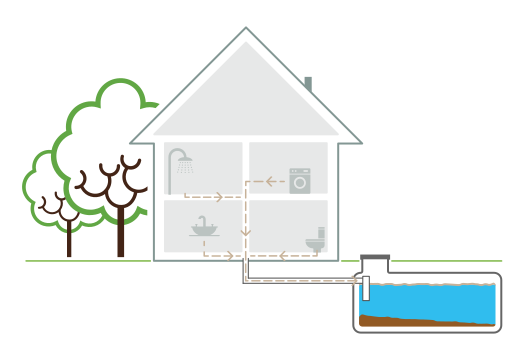
A holding tank is a container that collects wastewater from a building. It stores all the sewage without treating it. The tank holds the waste until it can be emptied and removed. This system is different from a septic tank, which processes and breaks down waste on site.
Purpose And Function
The main purpose of a holding tank is to store wastewater safely. It prevents sewage from leaking into the ground or water sources. The tank does not treat or break down waste. Instead, it keeps the waste until a professional hauler removes it.
Typical Usage Scenarios
Holding tanks are used where septic systems are not possible. Common places include boats, RVs, and homes without soil suitable for septic systems. They also work in areas with strict environmental rules. Temporary sites like construction areas may use holding tanks too.
Maintenance Requirements
Holding tanks need frequent emptying. The waste must be pumped out regularly to avoid overflow. Monitoring the tank level is important to prevent problems. Proper maintenance keeps the system safe and clean. Hiring licensed professionals for pumping is required by law in most areas.
Credit: www.premiertechaqua.com
What Is A Septic Tank
A septic tank is a key part of many home wastewater systems. It collects and treats household sewage safely onsite. This system is common in rural and suburban areas without city sewer access.
The septic tank works quietly underground. It keeps waste away from your home and environment. Understanding its role helps with proper care and maintenance.
Purpose And Function
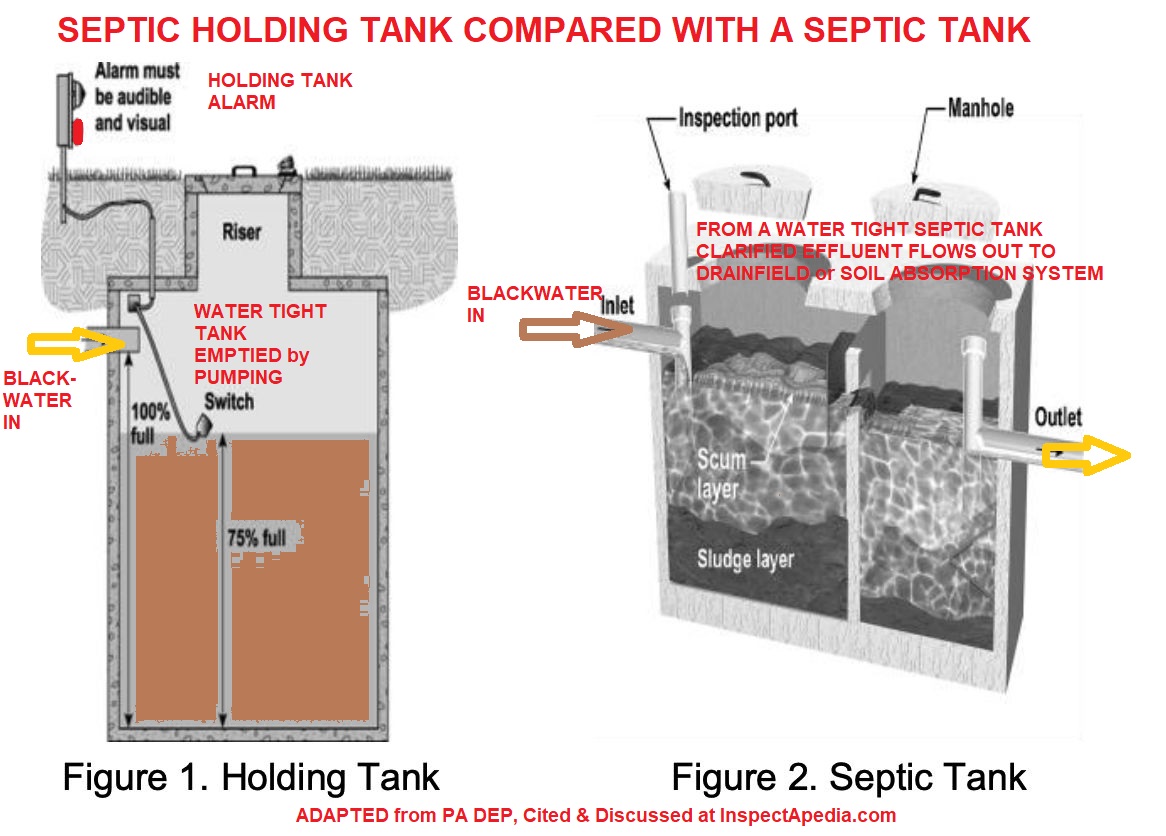
The septic tank holds wastewater from toilets, sinks, and drains. It separates solids from liquids. Solids settle at the bottom, forming sludge. Lighter waste, such as oils, floats to the top as scum.
This separation keeps harmful materials from reaching the drain field. The tank stores waste long enough for natural breakdown. This process protects soil and groundwater.
How It Processes Waste
Inside the tank, bacteria break down solid waste. This reduces the amount of sludge. The liquid layer flows out into a drain field. Here, soil filters and cleans the water.
The tank’s design slows flow to allow solids to settle. It prevents solids from clogging the drain field. This ensures the system works efficiently and safely.
Maintenance And Pumping
Regular maintenance keeps a septic tank working well. Pumping removes sludge and scum before they build up. Most tanks need pumping every three to five years.
Ignoring maintenance can cause backups and system failure. Watch for slow drains, bad smells, or wet spots near the tank. These signs mean it is time to check the system.
Key Differences Between Holding And Septic Tanks
Holding tanks and septic tanks both serve as waste storage systems. They are used in places without access to city sewage. Despite this similarity, they function differently. Understanding their key differences helps in choosing the right system for a property.
Waste Management Methods
Holding tanks store all waste temporarily. The waste stays until a truck empties the tank. No treatment happens inside the tank. Septic tanks treat waste on-site. They separate solids from liquids. Bacteria break down the waste naturally. The liquid then drains into the soil.
Installation And Cost
Holding tanks are simple to install. They require less space and no drainage field. Costs are mainly for the tank and pumping service. Septic tanks need more space for a drain field. Installation involves digging and soil testing. Initial costs are higher, but no regular pumping is needed like holding tanks.
Environmental Impact
Holding tanks can cause pollution if not emptied regularly. Overflow or leaks may harm nearby water sources. Septic tanks reduce waste pollution by treating it on-site. Properly maintained septic systems protect groundwater. Poor maintenance can cause soil and water contamination.
Credit: inspectapedia.com
Pros And Cons Of Holding Tanks
Holding tanks serve as temporary storage for wastewater. They differ from septic tanks in design and function. Understanding their pros and cons helps in choosing the right option for your needs. Below are the key advantages and disadvantages of holding tanks.
Advantages
- Easy to install with no need for soil absorption areas.
- Works well in areas with poor soil or high water tables.
- Allows full control over waste removal timing.
- Prevents contamination of nearby soil and groundwater.
- Suitable for short-term or seasonal use.
Disadvantages
- Requires regular pumping and maintenance.
- Can overflow if not emptied on time.
- Higher long-term costs due to frequent pumping.
- Limited storage capacity compared to septic tanks.
- Not ideal for permanent or heavy household use.
Pros And Cons Of Septic Tanks
Septic tanks are common for managing household wastewater. They store and treat sewage on-site. This system suits areas without public sewer lines. Many homeowners choose septic tanks for their simplicity and cost-effectiveness. Yet, like any system, septic tanks come with advantages and disadvantages. Understanding these helps in making the right choice for your property.
Advantages
- Septic tanks are affordable to install compared to sewer connections.
- They operate independently without relying on municipal systems.
- Maintenance is simple with regular pumping and inspection.
- Septic systems reduce water pollution by treating waste naturally.
- They increase property value in rural or remote areas.
Disadvantages
- Septic tanks require space for the tank and drain field.
- Poor maintenance can cause system failure and costly repairs.
- They may not work well in areas with high water tables.
- Septic systems can smell if not properly maintained.
- They need regular pumping every 3 to 5 years.
Choosing The Right System For Your Property
Choosing the right system for your property is important for managing wastewater effectively. The decision impacts your daily life and the environment. Understanding the differences between holding tanks and septic tanks helps you make a smart choice.
Each system has unique features and needs. Your property’s size, location, and use play a big role. Think about your long-term plans and maintenance ability before deciding.
Factors To Consider
Space availability is key. Holding tanks need less space but require frequent emptying. Septic tanks need more room but work continuously without much emptying.
Water usage affects the system choice. High water use fits better with septic tanks. Lower use may suit holding tanks.
Soil type matters too. Septic tanks rely on soil for waste treatment. Poor soil conditions might need a holding tank.
Local Regulations And Permits
Check local rules before installing a system. Some areas ban holding tanks or have strict septic tank rules. Permits often take time to get.
Authorities want to protect water sources. They set rules to avoid pollution. Following these rules keeps your property safe and legal.
Long-term Costs
Initial costs vary. Holding tanks usually cost less to install. Septic tanks have higher upfront costs due to size and soil work.
Maintenance costs differ. Holding tanks need regular pumping, which can add up. Septic tanks require less frequent service but may need repairs.
Think about property value too. Septic tanks often increase resale value. Holding tanks might limit future property use.
Common Problems And Troubleshooting
Understanding common problems helps keep holding tanks and septic tanks working well. Troubleshooting issues early prevents costly repairs and health risks. Each system has unique challenges and signs to watch for.
Holding Tank Issues
Holding tanks can fill up quickly if waste is not pumped out on time. Overflow causes bad smells and leaks around the tank area. Blockages may happen in the pipes leading to the tank. These blockages stop waste from entering the tank properly. Cracks or damage to the tank can cause leaks and soil contamination. Regular checks and pumping keep problems away.
Septic Tank Issues
Septic tanks often have problems with sludge buildup. If not cleaned, solids can block the drain field. This leads to slow drainage and water pooling on the ground. Tree roots can invade and damage pipes or the tank. Bad odors near the tank or drain field indicate trouble. Using too much water at once can overload the system. Proper maintenance extends the life of your septic tank.
When To Call A Professional
Call a professional if you see standing water near your tank or drain field. Strange smells that don’t go away need expert attention. If toilets or drains back up regularly, it means a serious issue. Cracks or damage to the tank require immediate repair. Professionals can inspect, pump, and fix problems safely. Do not delay to avoid bigger costs and health hazards.

Credit: www.angi.com
Frequently Asked Questions
What Is The Main Difference Between Holding And Septic Tanks?
A holding tank stores all wastewater without treatment. A septic tank treats waste by separating solids from liquids.
How Often Should A Holding Tank Be Emptied?
Holding tanks need pumping every few weeks or months. The frequency depends on tank size and water use.
Can A Septic Tank Work Without Soil Drainage?
No, septic tanks rely on soil to filter wastewater. Without drainage, the system cannot treat waste properly.
Which Tank Is Better For Areas Without Sewer Systems?
Both tanks serve off-grid areas, but septic tanks treat waste onsite. Holding tanks only store waste temporarily.
How Much Does Installing A Septic Tank Cost?
Septic tank installation costs vary from $3,000 to $7,000. Costs depend on tank size and soil conditions.
Are Holding Tanks Legal In Residential Areas?
Holding tanks are allowed in some areas with permits. Local rules vary, so check before installation.
What Maintenance Does A Septic Tank Require?
Septic tanks need regular pumping every 3 to 5 years. Avoid flushing harsh chemicals to protect bacteria inside.
Conclusion
Choosing between a holding tank and a septic tank depends on your needs. Holding tanks store waste temporarily and need frequent emptying. Septic tanks treat waste on-site and require less maintenance. Both have pros and cons to consider. Think about space, budget, and local rules.
Proper care keeps your system working well. Understanding these differences helps you make the right choice. Keep your home safe and clean with the right tank. Simple steps lead to better waste management.