
If your water heater isn’t working quite right, trapped air in the gas line could be the culprit. Air pockets can stop your heater from lighting properly or cause it to sputter and make strange noises.
Knowing how to purge air from the gas line on your water heater can save you time, money, and the hassle of calling a professional. In this guide, you’ll learn simple, step-by-step instructions to get your water heater running smoothly again.
Keep reading to take control of your home’s comfort and avoid unexpected cold showers.
Signs Of Air In Gas Lines
Air trapped inside the gas line of a water heater causes several issues. Knowing the signs helps to fix the problem quickly. Recognizing these signs can save time and prevent damage.
Common Symptoms
The water heater may fail to ignite. Flames might flicker or go out. You may hear strange noises like popping or sputtering. Gas smells near the heater can also indicate air in the line. Heating may become uneven or weak. These symptoms suggest air blocks the gas flow.
Risks Of Air In Gas Lines
Air in gas lines can cause poor appliance performance. It may increase the risk of gas leaks. The heater could shut down unexpectedly, leading to cold water. Continuous air presence can damage the burner and valves. Ignoring air in the gas line risks safety and efficiency. Prompt action protects your home and the water heater.
Tools Needed For Purging
Purging air from a gas line on a water heater requires certain tools. Having the right equipment ensures a safe and smooth process. This section covers the necessary tools you need before starting.
Gathering these tools beforehand saves time and avoids mistakes. Safety is the top priority during purging. Proper tools make the job easier and safer.
Safety Equipment
Start with safety gear to protect yourself. Safety goggles shield your eyes from gas or debris. Gloves protect your hands from sharp edges and gas exposure. A face mask helps avoid inhaling gas fumes. Long sleeves and pants add extra protection. Fire extinguisher nearby is crucial in case of emergencies. Always prepare with safety equipment before handling gas lines.
Essential Tools
You need a wrench to loosen and tighten gas connections. A pipe wrench or adjustable wrench works well. A screwdriver may be needed for removing panels or covers. A gas leak detector helps identify leaks after purging. A flashlight improves visibility in dark spaces. A bucket or container can catch any water that drains out. Keep all tools handy to finish the job quickly and safely.
Preparing The Water Heater
Preparing your water heater is the first step to safely purge air from the gas line. This step helps avoid accidents and protects your heater from damage. Taking time to prepare ensures the process goes smoothly.
Turning Off The Gas Supply
Locate the gas valve near the water heater. Turn the valve handle clockwise to close it. This stops gas flow to the heater. Never skip this step. It keeps you safe from gas leaks and sparks.
Shutting Down The Water Heater
Find the power switch or control knob on your heater. Turn it off to stop the heating process. This avoids damage during air purging. Wait a few minutes to let the heater cool down before starting the purge.
Steps To Purge Air From Gas Line
Purging air from the gas line is important for your water heater’s safety and performance. Air trapped in the line can cause sputtering or prevent the heater from lighting properly. Follow these simple steps to remove air and keep your system running smoothly.
Each step ensures the gas flows steadily and safely to your water heater.
Locating The Gas Valve
First, find the gas valve connected to your water heater. It is usually near the bottom or side of the unit. The valve looks like a small lever or knob on the gas pipe. Make sure you know which valve controls the gas supply to your heater.
Opening The Valve To Release Air
Turn the gas valve slowly to open it. This allows trapped air to escape from the gas line. Do not open the valve too fast or wide. A slow, steady turn helps release air without causing gas buildup. Stay clear of the burner area during this step.
Checking For A Steady Gas Flow
After opening the valve, listen and watch for a steady gas flow. You should hear a consistent sound or notice a steady flame once the heater lights. If the gas flow is uneven or sputtering, repeat the air release process. Confirm the flow is smooth before closing the valve fully.
Restarting The Water Heater
Restarting the water heater is the final step after purging air from the gas line. This step ensures your water heater works correctly and safely. Follow these steps carefully to avoid any problems.
Turning Gas Back On
Locate the gas valve near your water heater. Turn the valve handle slowly to the “on” position. You may hear a slight hiss, which is normal. Make sure the gas supply is steady before moving forward. Never rush this process to avoid leaks or hazards.
Igniting The Pilot Light
Find the pilot light knob on your water heater. Turn it to the “pilot” setting. Press and hold the knob down to allow gas flow. Use a long lighter or match to light the pilot. Keep holding the knob for 30 seconds after ignition. Release it slowly and check if the flame stays on. If the pilot light goes out, repeat the process carefully.

Credit: diy.stackexchange.com
Safety Tips During Purging
Purging air from a gas line on a water heater requires care. Safety is the top priority. Small mistakes can cause serious problems. Follow safety tips to protect yourself and your home. Know the risks and how to avoid them. Stay alert during the entire process.
Avoiding Gas Leaks
Check all gas connections before starting. Use soapy water to test for leaks. Bubbles show a leak. Tighten any loose fittings. Do not use open flames to check leaks. Keep the area well-ventilated. Open windows and doors to allow fresh air in. Turn off the gas supply if you smell gas. Never ignore the smell of gas. It can cause fire or explosion.
When To Call A Professional
Call a professional if you feel unsure. Professionals have the right tools and knowledge. They can safely handle complex issues. Avoid trying repairs beyond your skill level. Gas work done wrong is dangerous. A professional will ensure the job is done right. This protects your home and family. Do not delay calling for help if problems arise.
Maintaining Your Gas Water Heater
Maintaining your gas water heater helps it run safely and efficiently. Regular care stops problems like air build-up in the gas line. It also extends the heater’s life. Simple steps keep your water warm and your home safe.
Regular Inspections
Check the water heater often. Look for leaks around the tank and pipes. Listen for strange noises from the burner. Make sure the pilot light is steady and blue. Watch for rust or corrosion on parts. Early checks catch small issues before they grow. Record the date and findings for future reference.
Preventing Air Build-up
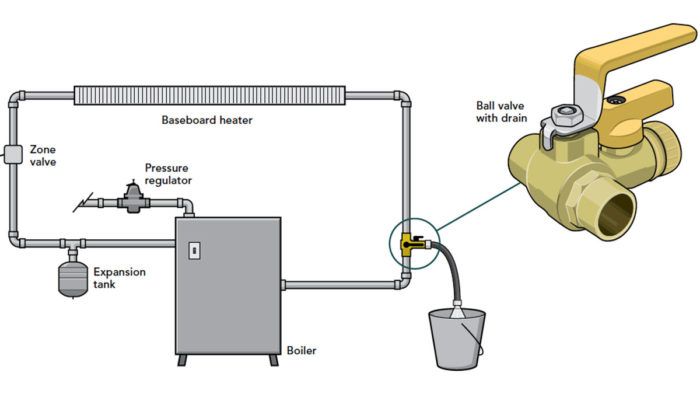
Air can enter the gas line and cause poor heating. Purge the air regularly to keep the system working well. Turn off the gas and water supply before starting. Open the purge valve slowly to release trapped air. Close the valve when water flows steadily. Repeat this process as needed to avoid blockages. Clean gas lines keep your heater running smoothly.

Credit: www.youtube.com
Credit: www.finehomebuilding.com
Frequently Asked Questions
How Do I Know If Air Is In My Gas Line?
Bubbles or sputtering flames show air in the gas line. The water heater may fail to heat properly. Listen for unusual noises when it runs.
What Tools Do I Need To Purge Air From Gas Lines?
You need a wrench, a screwdriver, and a bucket or towel. Protective gloves and safety glasses are also helpful. These tools help open valves and catch water.
How Long Does It Take To Purge Air From A Gas Line?
It usually takes 5 to 10 minutes to purge air. The exact time depends on the amount of air trapped. Watch for steady gas flow to know when to stop.
Can I Purge The Gas Line Myself Safely?
Yes, with caution and the right tools, you can do it. Always turn off the gas supply first. If unsure, call a professional for help.
What Happens If I Don’t Purge Air From The Gas Line?
The water heater may not heat water well or at all. Air can cause sputtering or uneven flames. It may also damage the heater over time.
How Often Should I Purge Air From My Gas Line?
Purge air when you notice heating problems or after repairs. Regular checks every year help keep the heater efficient. Routine maintenance prevents air buildup.
Does Purging Air Improve Water Heater Performance?
Yes, removing air allows gas to flow smoothly to the burner. This helps the heater produce steady, strong flames. Better flame means hotter, more reliable water.
Conclusion
Purging air from a gas line keeps your water heater safe and working well. Follow the steps carefully and use the right tools. Check for leaks after purging to avoid any risks. Regular maintenance helps your heater last longer. Don’t rush the process; take your time.
Clean gas lines mean better heating and lower bills. Stay safe and confident handling your water heater. This simple task saves you from bigger problems later. Keep your home warm and worry-free.