
Construction dust on your wood floors can be frustrating. It hides in corners, scratches the surface, and makes your beautiful floors look dull.
You might feel overwhelmed about how to get rid of it without causing damage. But don’t worry—cleaning construction dust from wood floors doesn’t have to be a headache. You’ll discover simple, effective steps to restore your floors’ shine and keep them safe.
Ready to bring your wood floors back to life? Let’s dive in.
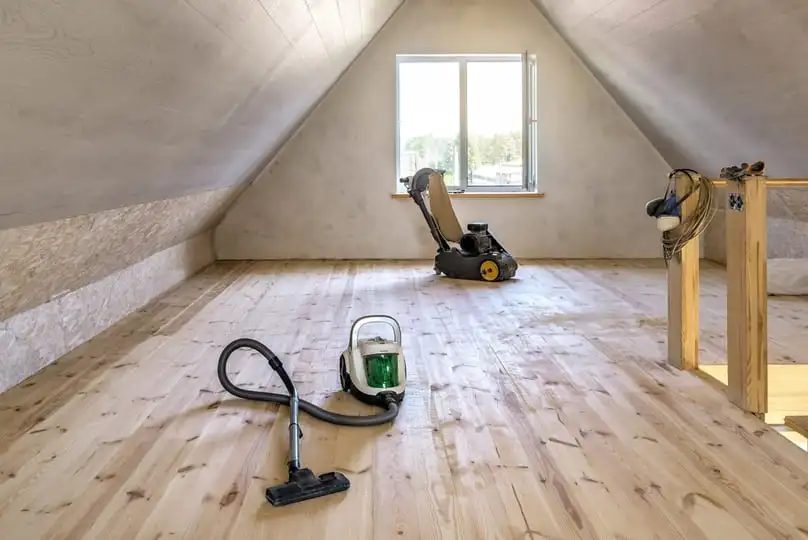
Credit: yorlenyscleaningservice.com
Tools Needed For Dust Removal
Cleaning construction dust from wood floors requires the right tools. Using proper equipment helps protect the floor and removes dust efficiently. Choosing the right tools makes the task easier and faster. Below are the essential tools needed for dust removal.
Soft Broom And Vacuum Cleaner
A soft broom sweeps dust gently without scratching wood floors. It collects loose dust and debris from the surface. A vacuum cleaner with a hardwood floor attachment removes fine dust particles. It reaches corners and tight spaces better than a broom. Use both tools for thorough dust removal.
Microfiber Cloths And Mop
Microfiber cloths trap dust without spreading it. They are soft and safe for wood surfaces. Use these cloths to wipe floors after sweeping. A microfiber mop helps clean larger areas quickly. It picks up dust and small debris easily. Damp mop the floor to remove stubborn dust, but avoid soaking the wood.
Dust Masks And Protective Gear
Construction dust can irritate eyes and lungs. Wearing a dust mask protects your breathing. Use goggles or safety glasses to shield your eyes. Gloves protect your hands from rough dust and cleaning agents. Always wear protective gear to stay safe during cleaning.
Preparing The Area
Preparing the area is a key step before cleaning construction dust from wood floors. Proper preparation makes the cleaning process easier and more effective. It helps protect your floors and ensures you remove all dust and debris. Follow these simple steps to get started.
Removing Furniture And Obstacles
Clear the room by moving all furniture and objects out. This creates space to clean thoroughly. It prevents dust from settling back on your furniture. Also, it stops damage to your items during cleaning. Use gloves to protect your hands while moving heavy pieces.
Ventilating The Room
Open windows and doors to allow fresh air inside. Good ventilation helps carry dust particles outside. It reduces the amount of dust you breathe in. Use fans to improve airflow if needed. Proper ventilation keeps the room safe and comfortable.
Sweeping Loose Debris
Start by sweeping the floor with a soft broom. Remove larger pieces of dust and dirt gently. Avoid using hard brooms that can scratch wood floors. Sweep in one direction to gather dust into piles. Use a dustpan to collect and dispose of debris properly.
Dry Dust Cleaning Methods
Dry dust cleaning methods are effective for removing construction dust from wood floors. They do not use water, which helps protect wood from moisture damage. These methods are quick and easy to do daily or after heavy dust builds up. Using the right tools and techniques keeps floors clean and safe.
Dry cleaning removes dust without spreading it around. It also prevents dust from settling deep into wood grain. This section covers vacuuming, microfiber dust mops, and how to avoid scratches during cleaning.
Vacuuming With Floor Attachments
Vacuuming is a powerful way to lift dust from wood floors. Use a vacuum with soft floor attachments to avoid scratches. Floor attachments have soft bristles or felt strips that protect the wood surface. Move the vacuum slowly for better dust pick up.
Choose a vacuum with adjustable suction power. This prevents damage to delicate wood floors. Empty the vacuum bag or container often to maintain strong suction. Vacuum corners and edges carefully where dust collects.
Using Microfiber Dust Mops
Microfiber dust mops attract and hold fine dust particles well. Their fibers create static electricity that traps dust. Use dry mops, not wet, to avoid wood swelling or warping. Sweep gently to avoid scratching the floor.
Clean or replace mop heads regularly for best results. A clean mop picks up dust more effectively. Dust mop large areas quickly and easily. This method saves time and keeps the floor dust-free.
Avoiding Scratches And Damage
Dust and small debris can scratch wood floors if rubbed hard. Always use soft tools like microfiber mops or vacuum floor attachments. Avoid rough brushes or stiff brooms that can damage finish.
Check the floor for grit before cleaning. Remove any larger particles by hand to prevent scratching. Clean tools often to avoid spreading dirt. Protect floors by cleaning gently and regularly.

Credit: www.youtube.com
Wet Cleaning Techniques
Wet cleaning is a great way to remove construction dust from wood floors. It helps lift fine dust particles that dry cleaning might miss. Using water carefully prevents damage to the wood. Wet cleaning also leaves the floor looking fresh and clean.
Choosing The Right Cleaning Solution
Select a cleaning solution made for wood floors. Avoid harsh chemicals that can strip the finish. A mild soap mixed with water works well. Look for pH-neutral cleaners to protect the wood. Always test the solution on a small area first.
Damp Mopping Without Overwetting
Use a damp mop, not a soaking wet one. Excess water can seep into the wood and cause damage. Wring the mop thoroughly before cleaning. Mop in the direction of the wood grain. Change water often to avoid spreading dust around.
Spot Cleaning Stubborn Dust
For tough dust spots, use a soft cloth and a bit of cleaner. Gently rub the area without scrubbing hard. Avoid using abrasive tools that scratch the floor. Rinse the spot with a damp cloth to remove residue. Dry the area immediately with a dry cloth.
Dealing With Stains And Residue
Construction dust often leaves stains and sticky residue on wood floors. These marks can damage the finish if not cleaned properly. Acting quickly helps protect your wood floors. Use gentle methods to avoid scratching or dulling the surface. This section explains how to remove stains and residue without harm.
Gentle Scrubbing Tips
Start with a soft brush or cloth. Avoid rough scrubbers that can scratch wood. Use circular motions to lift dust and dirt. Do not press too hard. Test any cleaning tool on a small area first. This prevents unexpected damage. Patience is key for stubborn spots.
Using Vinegar And Natural Cleaners
Mix one part white vinegar with ten parts water. Vinegar breaks down residue without harsh chemicals. Dampen a cloth with the solution, then wipe the floor gently. Avoid soaking the wood; too much moisture causes warping. Natural cleaners like olive oil and lemon juice also help. They clean and add shine safely.
When To Call A Professional
Deep stains or damage may need expert care. Professionals use special tools and products for wood floors. They restore the finish and remove tough residue. Contact a floor specialist if stains persist after cleaning. Early professional help saves your floor from costly repairs.
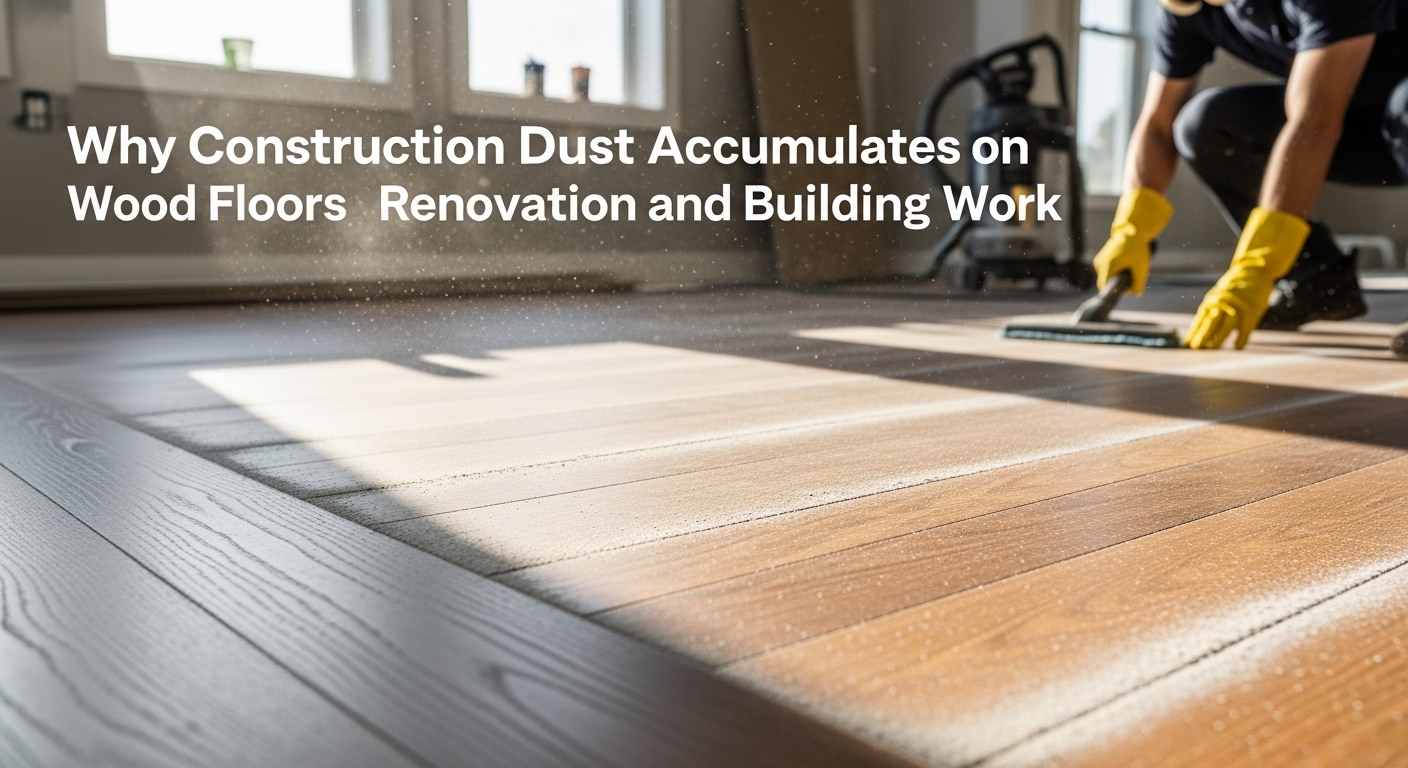
Credit: westlinkconstructioncleaning.com.au
Preventing Future Dust Buildup
Preventing future dust buildup on wood floors keeps them looking clean and new. Dust from construction can settle deeply and cause damage over time. Taking steps to reduce dust helps maintain the wood’s beauty and extends its life.
Regular Maintenance Routine
Clean wood floors often to stop dust from settling. Sweep or vacuum daily using a soft brush attachment. Mop floors with a damp cloth once or twice a week. Avoid using too much water to protect the wood. Regular cleaning prevents dust from building up and scratching the surface.
Installing Protective Mats
Place mats at doorways to catch dust and dirt from shoes. Use mats in high-traffic areas to protect the floor. Choose mats that are easy to clean and do not trap moisture. Protective mats reduce the amount of dust reaching wood floors and keep them cleaner longer.
Sealing Wood Floors For Protection
Apply a sealant to wood floors to block dust and dirt. Sealants fill tiny cracks and prevent dust from sticking. Choose a sealant designed for wood floors and follow instructions carefully. Sealing makes cleaning easier and keeps floors looking fresh for longer.
Frequently Asked Questions
How Do I Remove Construction Dust Without Damaging Wood Floors?
Use a soft broom or vacuum with a hardwood floor attachment. Avoid wet mops until dust is fully removed.
What Is The Best Tool To Clean Wood Floors After Construction?
A microfiber dust mop works well to capture fine dust without scratching the surface.
Can I Use Water To Clean Construction Dust On Wood Floors?
Avoid using water at first. Dry dusting prevents moisture damage to wood floors.
How Often Should I Clean Construction Dust During A Project?
Clean dust daily to prevent buildup and protect your wood floors from scratches.
Are Household Cleaners Safe For Cleaning Construction Dust On Wood?
Use cleaners made for wood floors only. Avoid harsh chemicals that can strip the finish.
How Do I Prevent Construction Dust From Settling On Wood Floors?
Cover floors with protective plastic or paper before starting construction work.
What Is The Safest Way To Finish Cleaning Wood Floors Post-construction?
After dry dusting, use a damp mop with a mild wood floor cleaner for a final wipe.
Conclusion
Cleaning construction dust from wood floors takes patience and care. Start with gentle sweeping to remove loose dust. Use a damp mop with mild cleaner next. Avoid harsh chemicals that can damage wood. Dry the floor well to prevent water marks.
Regular cleaning keeps your floors looking fresh and new. Small steps make a big difference in floor care. Keep your home dust-free and comfortable with simple routines. Clean floors brighten your space and protect your wood. Dust removal doesn’t have to be hard or time-consuming.
Take it slow, and your floors will thank you.