
Are you ready to take control of your plumbing and save money by doing it yourself? Learning how to plumb a sink drain through the floor might sound tricky, but with the right steps, you can handle it confidently.
Imagine fixing your sink drain without calling a plumber, avoiding costly repairs, and gaining a new skill that lasts a lifetime. In this guide, you’ll discover simple, clear instructions that make the process easy to follow. Keep reading, and by the end, you’ll know exactly how to plumb your sink drain through the floor like a pro.
Credit: www.reddit.com
Tools And Materials Needed
Before you plumb a sink drain through the floor, gather the right tools and materials. Having everything ready helps the job go smoothly. The right equipment saves time and avoids mistakes.
Essential Plumbing Tools
You need a pipe wrench to tighten and loosen pipes. A hacksaw cuts pipes to the right length. Use a tape measure for accurate measurements. A plumber’s snake helps clear blockages. Pipe cutters make clean cuts on plastic pipes. A screwdriver is necessary for securing fittings. A level ensures pipes run straight and drain properly.
Required Pipes And Fittings
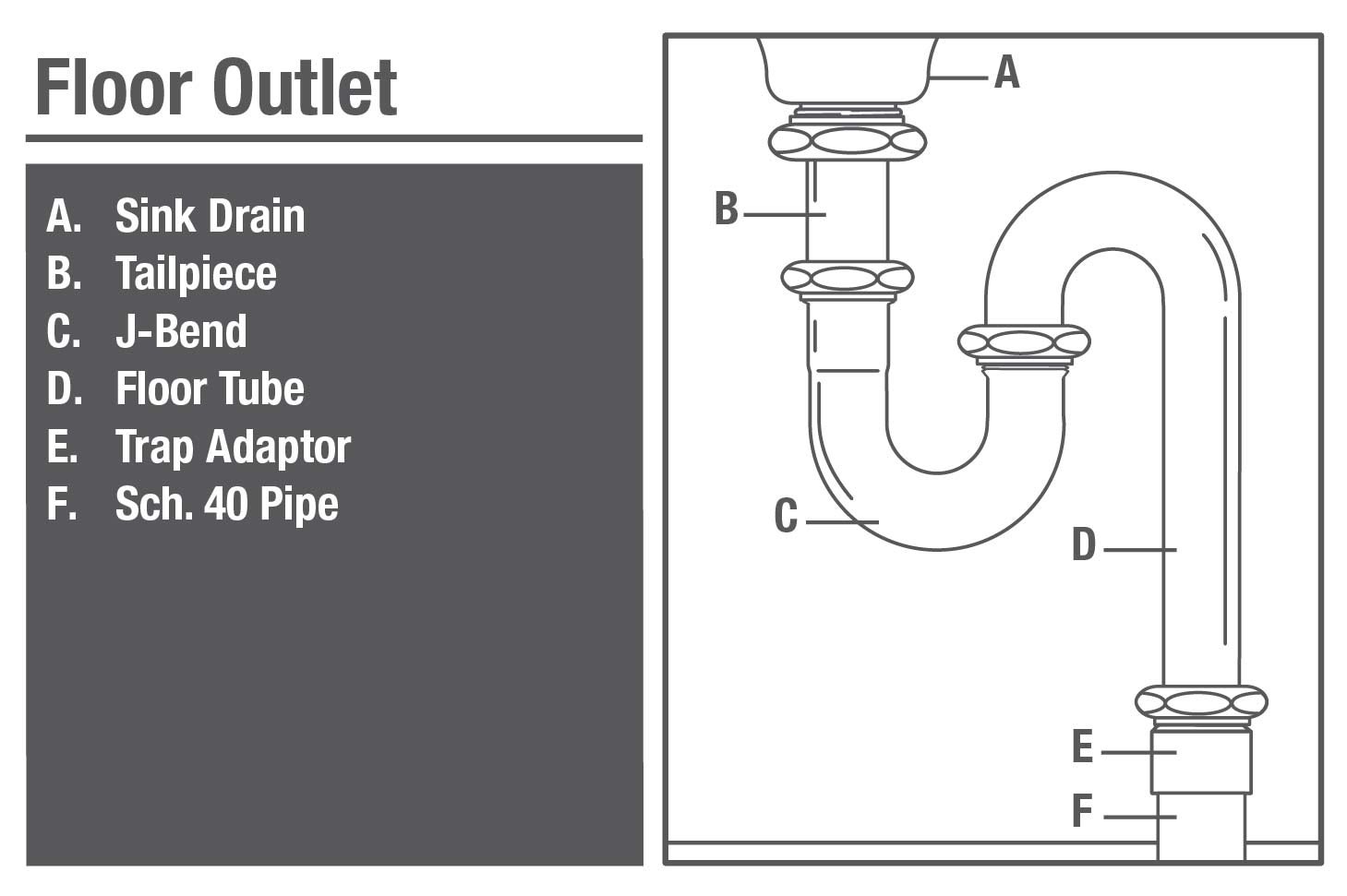
Use PVC pipes for drain lines; they resist corrosion and are easy to work with. Get PVC pipe cement and primer to join pipes securely. You need a P-trap fitting to prevent sewer gases from entering your home. Slip-joint nuts and washers help connect pipes tightly. Elbows and tees change pipe direction and connect branches. Floor flanges attach the drain to the floor securely.
Safety Gear And Accessories
Wear safety goggles to protect your eyes from debris. Use gloves to keep your hands safe and clean. A dust mask helps avoid breathing in dust or fumes. Keep a bucket handy to catch water spills. Have rags ready for quick cleanups. Good lighting lets you see all pipe connections clearly.
Preparing The Work Area
Preparing the work area is the first step to plumb a sink drain through the floor. A clean and organized space helps you work safely and efficiently. It also makes the entire process easier and faster. Before starting, clear the area, shut off the water supply, and remove any old drain parts.
Clearing The Space
Remove all items around the sink. Clear cabinets and countertops nearby. This gives you enough room to move freely. It also protects your belongings from water or debris. Use a cloth or plastic sheet to cover surfaces.
Shutting Off Water Supply
Find the water shut-off valve under the sink or near the main water line. Turn it clockwise to stop water flow. Open the faucet to drain any remaining water. This prevents leaks and keeps your work area dry.
Removing Existing Drain Components
Place a bucket under the drain pipe to catch water. Unscrew the drain trap carefully with a wrench. Remove any old pipes and fittings connected to the drain. Check for damage or buildup that may block the new drain.
Planning The Drain Route
Planning the drain route is the first step in plumbing a sink drain through the floor. This part of the project ensures the drain will work well and avoid problems later. Proper planning helps you avoid obstacles and find the best path for the drain pipe.
Careful planning saves time and money. It also makes the installation safer and easier. Take your time to map out the route before cutting or drilling into the floor.
Locating Floor Joists And Obstacles
Start by finding the floor joists under the sink area. Joists are wooden beams that support the floor. Avoid cutting or drilling into them. Check for any pipes, wires, or ducts in the path. Use a stud finder or tap the floor to locate joists and hidden obstacles.
Measuring And Marking The Drain Path
Measure from the sink drain to the main drain line below the floor. Mark the floor with a pencil or tape where the pipe will go. Keep the path as straight as possible. Avoid sharp bends and long detours. This helps water flow smoothly and reduces clog risks.
Ensuring Proper Slope For Drainage
The drain pipe must slope downward for water to flow out. The standard slope is 1/4 inch per foot. Use a level or slope gauge to check the angle. A proper slope prevents water from pooling or backing up. Plan the route to maintain this slope throughout the drain path.
Cutting The Floor For Drain Installation
Cutting the floor for drain installation is a critical step in plumbing a sink drain through the floor. It requires care and accuracy to avoid damage and ensure a proper fit. The floor must be opened correctly to allow the drainpipe to pass through easily. This process also needs attention to safety and structure.
Choosing The Right Cutting Tools
Select tools that match your floor material. For wood floors, a circular saw or jigsaw works well. Concrete floors require a masonry saw or angle grinder with a diamond blade. Use sharp blades for clean cuts. Dull tools can cause rough edges and damage. Always wear safety goggles and gloves to protect yourself.
Making Precise Floor Openings
Measure the drainpipe size carefully before cutting. Mark the exact spot on the floor. Use a pencil and a square for straight lines. Start cutting slowly to avoid mistakes. Keep the cut slightly larger than the pipe diameter. This allows room for fitting and sealing. Check the opening often during cutting.
Reinforcing The Floor Structure
Cutting the floor can weaken its support. Add extra framing around the opening. Use wood joists or metal brackets to strengthen the area. Secure the reinforcement tightly with screws. This prevents sagging or damage over time. Proper support keeps your floor safe and stable.
Installing The Drain Pipe
Installing the drain pipe under the sink is a key step in plumbing. It ensures water flows smoothly from the sink to the home’s main drain. This process involves several important tasks. Each one must be done carefully for the drain to work well and avoid leaks.
Fitting The Drain Assembly To The Sink
Start by attaching the drain assembly to the sink’s drain hole. Use plumber’s putty to seal the drain flange. Press it firmly into place. Then, from under the sink, screw on the locknut to hold the drain securely. Make sure the drain is tight but do not overtighten. Check that the drain sits flush with the sink surface.
Running The Pipe Through The Floor
Next, connect the drain pipe to the drain assembly. Use a P-trap to prevent sewer gases from entering your home. Measure and cut the pipe to fit the distance to the floor. Drill a hole in the floor if needed to pass the pipe through. Insert the pipe carefully and ensure it fits snugly without gaps.
Connecting To The Main Drain Line
Finally, join the drain pipe to the main drain line under the floor. Use the correct fittings to create a tight seal. Apply plumber’s tape on threaded connections for extra protection. Tighten all joints securely to avoid leaks. Test the drain by running water and watching for any drips or slow drainage.
Sealing And Securing The Drain
Sealing and securing the drain is a vital step in plumbing a sink drain through the floor. Proper sealing prevents leaks that can cause water damage. Securing the pipes ensures they stay in place and maintain a good flow. This section covers applying sealant, fastening pipes, and testing the system.
Applying Pipe Sealant And Tape
Start by cleaning the pipe threads to remove dirt and grease. Apply a thin layer of pipe sealant to the threads. Wrap plumber’s tape around the threads in a clockwise direction. This helps create a watertight seal. Screw the fittings tightly but avoid over-tightening. Over-tightening can crack the pipes or fittings.
Fastening Pipes With Clamps And Supports
Use clamps to hold the pipes firmly against the floor or wall. Place supports every few feet to prevent sagging. Secure the clamps with screws or anchors. Keep the pipes level or slightly sloped toward the drain. This helps water flow smoothly and stops blockages. Proper support reduces stress on pipe joints.
Testing For Leaks And Proper Flow
Turn on the water and let it run through the drain. Check all joints and connections for leaks. Watch for drips or moisture around the pipes. Observe the water flow to ensure it drains quickly and fully. Fix any leaks by tightening fittings or adding more sealant. Testing early avoids bigger problems later.
Finishing Touches
Finishing touches complete your sink drain plumbing project. They make sure everything works well and looks good. These steps help avoid leaks and keep your space clean. Follow these simple instructions for a neat finish.
Replacing Floor Coverings
Remove any damaged floor pieces carefully. Cut new flooring to fit the space perfectly. Lay the new pieces firmly and evenly. Use adhesive or nails as needed for stability. Match the new flooring with the existing style. Take your time to avoid gaps or bumps.
Restoring Water Supply
Turn on the main water valve slowly. Check for leaks around the drain and pipes. Tighten any loose connections immediately. Test the sink by running water for several minutes. Watch for slow drainage or unusual noises. Fix any issues before completing the job.
Cleaning Up The Work Area
Clear away all tools and leftover materials. Sweep or vacuum dust and debris from the floor. Wipe surfaces to remove water spots or stains. Dispose of waste according to local rules. Keep the area safe and tidy for daily use. A clean space shows a job well done.
Credit: www.diychatroom.com
Credit: www.oatey.com
Frequently Asked Questions
How Do You Connect A Sink Drain Through The Floor?
You start by cutting a hole in the floor for the drain pipe. Then, attach the drain pipe to the sink trap. Finally, connect the pipe to the main drain line below.
What Materials Are Needed To Plumb A Sink Drain?
You need PVC pipes, a P-trap, pipe fittings, plumber’s tape, and pipe cement. Also, a saw for cutting pipes and a wrench for tightening connections help.
How Deep Should The Drain Pipe Be Below The Floor?
The drain pipe should be at least 18 inches below the floor for proper slope. This allows water to flow smoothly and prevents clogs.
Can You Plumb A Sink Drain Without A Vent Pipe?
A vent pipe is important to prevent sewer gases and allow water flow. You can use an air admittance valve if a vent pipe isn’t possible.
How To Ensure The Sink Drain Has The Correct Slope?
The drain pipe must slope downward at 1/4 inch per foot toward the main drain. Use a level tool to check the slope as you install.
What Common Mistakes Should Be Avoided When Plumbing A Sink Drain?
Avoid sharp bends, improper slopes, or loose connections. These cause leaks and slow drainage. Always double-check pipe fits and seals.
How Long Does It Take To Plumb A Sink Drain Through The Floor?
It usually takes 2 to 4 hours for a basic sink drain installation. Time depends on floor access and plumbing experience.
Conclusion
Plumbing a sink drain through the floor can seem tricky at first. Take your time and follow each step carefully. Use the right tools and materials for the job. Check all connections to avoid leaks later. Keep safety in mind while working.
With patience and care, you can do this yourself. A well-plumbed sink drain saves money and adds value. Don’t rush; quality work lasts longer. Ready to start? Your new sink drain is within reach!