
Have you ever wondered how certain machines create powerful suction without complicated parts? If you’re curious about how a liquid ring vacuum pump works, you’re in the right place.
This device might sound technical, but its operation is surprisingly simple and clever. Understanding how it works can help you see why it’s trusted in many industries—from food processing to chemical manufacturing. Keep reading, and you’ll discover the secrets behind this efficient, reliable pump and how it can impact your work or projects.

Credit: www.vooner.com
Liquid Ring Vacuum Pump Basics
A liquid ring vacuum pump is a useful machine for moving air and gases. It works quietly and reliably in many industries. This pump uses a liquid, usually water, to create a vacuum. Understanding the basics helps to see why it is popular for many tasks.
These pumps are simple but effective. They can handle steam, vapors, and air mixed with liquid. Their design makes them easy to maintain and long-lasting. This section explains the key parts, how they work, and where they are used.
Key Components
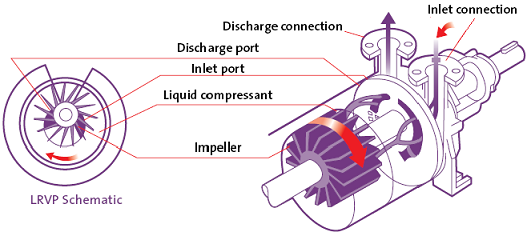
The main parts include the rotor, casing, and liquid ring. The rotor is inside the casing and spins fast. Liquid is added to form a ring around the rotor. The pump also has inlet and outlet ports for air or gas flow. These parts work together to create and keep a vacuum.
Working Principle
The rotor spins, pushing liquid against the casing wall. This forms a ring of liquid inside the pump. The liquid ring traps air or gas between the rotor blades. As the rotor turns, it compresses the trapped air. The compressed air moves out through the outlet port. This process repeats to keep a steady vacuum.
Common Applications
Liquid ring vacuum pumps are used in many fields. They work well in chemical plants to remove gases. Paper mills use them to dry paper sheets. Food processing plants use them for packaging and handling products. They also help in medical and pharmaceutical industries for suction tasks.
Credit: enggcyclopedia.com
Types Of Liquid Ring Vacuum Pumps
Liquid ring vacuum pumps come in different types. Each type has specific uses and features. Choosing the right pump depends on the job it must do. Understanding these types helps in making better decisions.
These pumps are mainly divided based on stages and materials. Each category suits different industrial needs and environments. Let’s explore the common types of liquid ring vacuum pumps.
Single-stage Pumps
Single-stage pumps have one impeller inside the casing. They are simple and easy to maintain. These pumps work well for low to medium vacuum levels. They are common in many industries for basic vacuum tasks. Single-stage pumps are compact and cost-effective.
Multi-stage Pumps
Multi-stage pumps have two or more impellers. They create higher vacuum levels than single-stage pumps. These pumps are used in more demanding applications. They handle larger volumes of gas and liquids. Multi-stage pumps provide better efficiency and performance.
Material Variations
Material choice affects pump durability and chemical resistance. Common materials include cast iron, stainless steel, and bronze. Cast iron is strong and affordable for general use. Stainless steel resists corrosion and suits harsh environments. Bronze is good for marine and salty conditions. Material variations help pumps last longer in different settings.
How Liquid Ring Pumps Create Vacuum
Liquid ring vacuum pumps create vacuum by using a rotating liquid inside the pump. This liquid forms a ring that helps trap gas and move it out of the pump. The process is simple but very effective for many industrial uses.
Role Of The Liquid Ring
The liquid ring acts as a moving wall inside the pump. It sticks to the inside of the pump casing because of centrifugal force. This ring creates sealed chambers between the pump’s vanes. These chambers trap gas as the pump rotates.
Gas Compression Process
As the pump turns, the volume of the gas chambers changes. When the volume grows, gas enters the chamber. When the volume shrinks, the gas is compressed. This compression pushes the gas out through the pump’s outlet.
Sealing And Cooling Effects
The liquid ring also seals the gas inside the chambers. It stops gas from escaping back to the inlet. The liquid absorbs heat from the gas during compression. This cooling helps the pump work better and last longer.
Performance Factors
The performance of a liquid ring vacuum pump depends on several key factors. These factors affect how efficiently the pump removes gas and maintains vacuum pressure. Understanding these elements helps optimize pump operation and extends its lifespan.
Liquid Selection
The liquid used in the pump creates the sealing ring that traps gas. Water is common, but other liquids work too. The liquid must be clean and compatible with the gas. Using the wrong liquid can cause corrosion or reduce efficiency. The liquid’s vapor pressure also affects pump performance. Low vapor pressure liquids improve vacuum levels.
Operating Speed
The speed of the pump’s rotor impacts gas flow and vacuum strength. Higher speeds increase flow rate but may cause more wear. Too fast can lead to overheating and damage. Too slow reduces efficiency and vacuum power. Finding the right speed balances performance and pump life.
Temperature Influence
Temperature changes affect the liquid’s properties and pump efficiency. Higher temperatures lower liquid density and increase vapor pressure. This can weaken the vacuum and cause cavitation. Cooler temperatures improve sealing and vacuum stability. It is important to control temperature for steady pump operation.
Maintenance Tips
Proper maintenance keeps a liquid ring vacuum pump running smoothly. It reduces downtime and costly repairs. Simple steps help extend the pump’s life and improve performance.
Regular care prevents common problems. Knowing what to check and how to fix issues saves time. Follow these maintenance tips to keep your pump reliable.
Routine Inspection
Check the pump daily for unusual noise or vibration. Inspect seals and gaskets for leaks or wear. Look for corrosion or damage on the casing. Monitor the liquid level inside the pump. Clean filters and strainers to avoid clogging. Tighten loose bolts and connections carefully. Record inspection results for future reference.
Common Issues
Leaks in seals cause loss of vacuum power. Corrosion damages internal parts and lowers efficiency. Air or gas leaks reduce pump performance. Worn bearings create noise and vibration. Blocked liquid supply leads to overheating. Improper liquid type affects the vacuum seal. Clogged filters decrease flow and pressure.
Troubleshooting Methods
Identify leaks by watching for fluid or air escaping. Replace worn seals and gaskets promptly. Clean or replace clogged filters and strainers. Use the correct liquid recommended by the manufacturer. Adjust liquid level to the proper height. Lubricate bearings as per service schedule. Test pump performance regularly for early problem detection.

Credit: www.edwardsvacuum.com
Advantages And Limitations
Liquid ring vacuum pumps have distinct strengths and weaknesses. Understanding these helps choose the right pump for specific tasks. This section outlines key advantages and limitations to consider.
Energy Efficiency
Liquid ring vacuum pumps use water or another liquid as the sealing medium. This design reduces friction inside the pump. It often leads to lower energy use compared to other pumps. Pumps run smoothly with less power demand. This can lower operating costs over time.
Noise Levels
These pumps operate quietly because liquid cushions moving parts. The liquid ring absorbs sound and vibration. This results in less noise in the workplace. Quiet operation improves worker comfort and safety. It also helps meet noise regulations in many industries.
Operational Constraints
Liquid ring pumps need a reliable supply of clean liquid. Dirty or contaminated liquids can cause damage or reduce efficiency. They are not ideal for dry gas applications or very high vacuum levels. Pump size and liquid temperature must be managed carefully. These factors can limit their use in some conditions.
Choosing The Right Pump
Choosing the right liquid ring vacuum pump is key to efficient operation. The pump must match your specific needs. Selecting the wrong pump can cause poor performance and higher costs. Focus on important factors to make the best choice.
Capacity Requirements
Determine the volume of air or gas to move. Check the pump’s flow rate and vacuum level. Choose a pump that handles the maximum workload easily. A pump with too little capacity will fail. Too much capacity wastes energy and money.
Compatibility Factors
Consider the type of liquid used in the pump. Check if the liquid is compatible with the materials inside the pump. Some liquids cause corrosion or damage. Also, think about the gas or vapor being pumped. The pump must resist any chemical effects. Compatibility ensures longer pump life and safe operation.
Cost Considerations
Look beyond the initial purchase price. Factor in installation, maintenance, and operating costs. A cheaper pump may cost more over time. Efficient pumps reduce energy use and repairs. Balance cost with quality and performance for best value.
Recent Innovations
Recent innovations in liquid ring vacuum pumps have improved their performance and reliability. These advances focus on materials, automation, and reducing environmental impact. Each change helps users get better results with less effort.
Improved Materials
New materials make liquid ring vacuum pumps stronger and more durable. Engineers use corrosion-resistant metals and special coatings. These materials extend pump life, even in harsh conditions. Pumps now resist wear and tear better than before.
Automation Features
Modern pumps include automation for easier control and monitoring. Sensors track pressure, temperature, and flow rates in real time. Automated systems adjust pump speed to save energy. Remote monitoring helps detect problems early, reducing downtime.
Environmental Impact
Designs now focus on reducing waste and energy use. Pumps use less water and electricity. Some models recycle the sealing liquid to cut down water consumption. These changes help companies meet strict environmental rules.
Frequently Asked Questions
What Is A Liquid Ring Vacuum Pump?
A liquid ring vacuum pump is a device that removes air or gas from a sealed space. It uses a rotating ring of liquid to create a vacuum. This pump is common in many industrial applications.
How Does A Liquid Ring Vacuum Pump Work?
The pump has an impeller inside a casing filled with liquid. When the impeller spins, the liquid forms a ring that traps and compresses gas. This action creates a vacuum to move air or gas out.
What Liquids Are Used In Liquid Ring Vacuum Pumps?
Water is the most common liquid used in these pumps. Sometimes, oil or other fluids are used based on the process needs. The liquid must be compatible with the gas and pump materials.
What Are The Main Benefits Of Liquid Ring Vacuum Pumps?
They handle wet and dry gases without damage. These pumps are simple, reliable, and easy to maintain. They also work well in harsh or dirty environments.
Where Are Liquid Ring Vacuum Pumps Commonly Used?
Industries like chemical, pharmaceutical, and food use these pumps. They are useful in vacuum distillation, drying, and degassing processes. They also help in wastewater treatment plants.
How Efficient Are Liquid Ring Vacuum Pumps?
Their efficiency depends on design and operating conditions. They work best at moderate vacuum levels and with proper maintenance. Efficiency can drop if the liquid is not clean or at the wrong temperature.
What Maintenance Does A Liquid Ring Vacuum Pump Need?
Regular checks on liquid levels and quality are important. Cleaning the pump and replacing worn parts keep it running well. Preventing leaks and monitoring temperature extends pump life.
Conclusion
A liquid ring vacuum pump uses a rotating liquid to create suction. This design helps move air and gases efficiently. It works well in wet or harsh environments. The pump is simple, reliable, and easy to maintain. Many industries use it for various tasks.
Understanding how it works can help choose the right pump. This knowledge ensures better performance and longer life. The liquid ring vacuum pump remains a popular choice worldwide.