
When it comes to keeping your pool clean and safe, choosing the right type of chlorine is key. You might be wondering: should you go with liquid chlorine or granules?
Each option has its own benefits and drawbacks that can affect your pool’s health and your budget. Understanding these differences will help you make the best choice for your needs. Keep reading to discover which chlorine type suits your pool perfectly and why it matters to your swimming experience.
Types Of Pool Chlorine
Pool chlorine comes in different forms, each with unique features. Choosing the right type helps keep water clean and safe. Two common forms are liquid chlorine and granular chlorine. Both kill bacteria and algae but work differently.
Understanding these types helps pool owners maintain clear, healthy water. Let’s explore the basics of liquid and granular chlorine.
Liquid Chlorine Basics
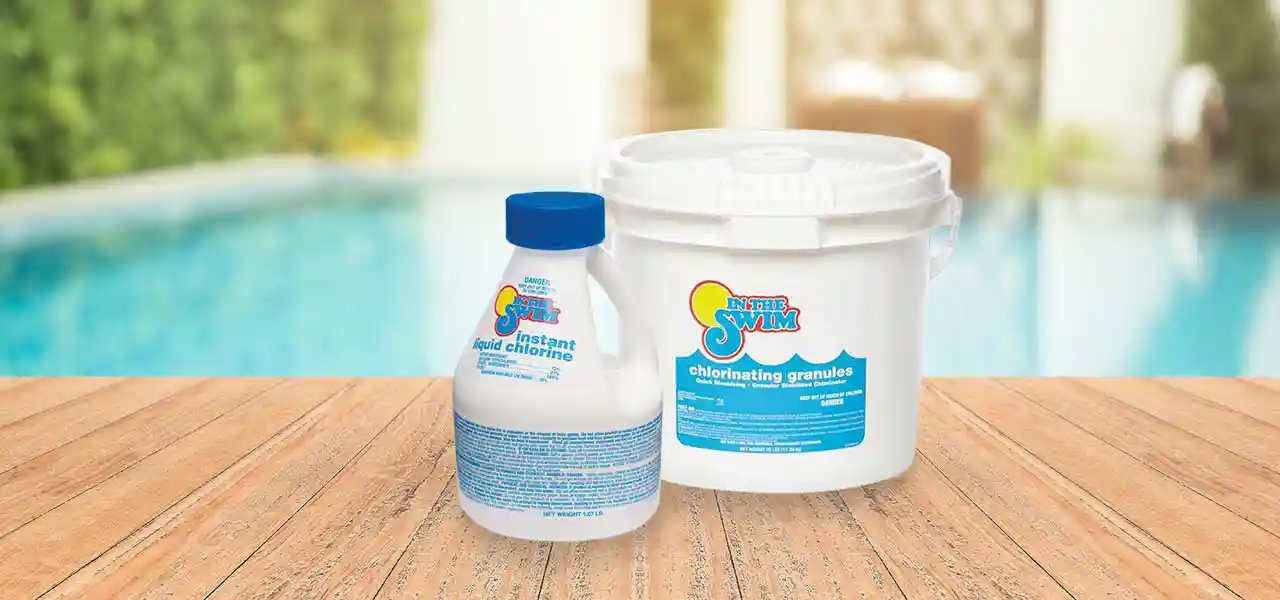
Liquid chlorine is a strong, clear chemical. It is easy to use and spreads quickly in the water. It usually comes in large containers and is poured directly into the pool.
It works fast to kill germs and clear cloudy water. Liquid chlorine has a short shelf life and needs cool storage. It is a good choice for regular pool maintenance.
Granular Chlorine Essentials
Granular chlorine comes as small, dry crystals. It dissolves quickly when added to water. This form allows precise dosing for different pool sizes.
It lasts longer on the shelf than liquid chlorine. Granules can be used for shock treatments or regular sanitizing. It is easy to store and transport.
Credit: www.intheswim.com
Chemical Properties
Chemical properties play a big role in choosing between liquid chlorine and granules. These properties affect how each type works and lasts. Understanding these details helps you pick the right product for your pool or cleaning needs.
Composition And Stability
Liquid chlorine is mostly sodium hypochlorite mixed in water. This form is easy to apply and spreads quickly. It is less stable and breaks down faster when exposed to sunlight and heat.
Granules contain calcium hypochlorite, a solid form of chlorine. It is more concentrated and stable than liquid chlorine. Granules stay effective longer but take more time to dissolve.
Shelf Life And Storage
Liquid chlorine has a short shelf life. It loses strength within a few weeks if not stored properly. Keep it in a cool, dark place to slow down the breakdown.
Granules have a longer shelf life, often lasting several months. Store them in a dry, cool area to prevent clumping and loss of potency. Proper storage keeps granules strong and ready to use.
Application Methods
Choosing the right chlorine form depends on how you apply it. Both liquid and granular chlorine serve the same purpose: keeping water clean. Their application methods differ, making each suitable for specific situations. Understanding these methods helps maintain your pool effectively and safely.
How To Use Liquid Chlorine
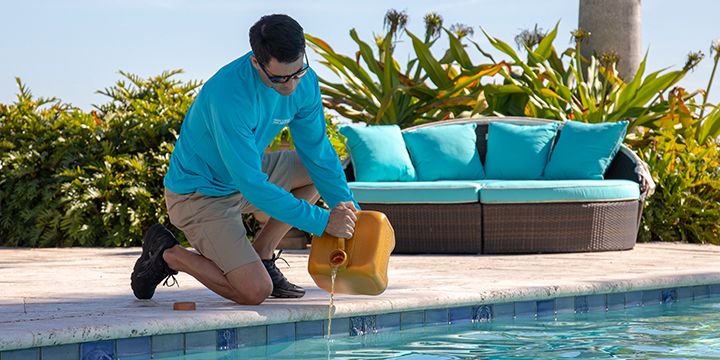
Liquid chlorine is easy to apply. It comes ready to use in a liquid form. Pour it directly into the pool water. Pour around the edges for even distribution. Use a measuring cup to control the amount. Avoid pouring near pool filters or skimmers. Stir the water gently with a pool brush. This helps mix the chlorine well.
Wear gloves and eye protection. Liquid chlorine is strong and can irritate skin. Store it in a cool, shaded place. Avoid exposing it to sunlight for long periods. Test the pool water after application. Adjust amounts based on chlorine levels and pool size.
How To Use Granular Chlorine
Granular chlorine needs dissolving before use. It comes as small crystals or powder. Dissolve granules in a bucket of water first. Use warm water to speed up dissolving. Stir until fully dissolved. Pour the solution slowly into the pool. Add it near pool steps or deep areas. This helps spread the chlorine evenly.
Never throw granules directly into the pool. They can damage the pool surface or equipment. Use gloves when handling granules. Keep the container tightly closed after use. Test water chlorine levels after adding granules. Adjust dosage based on pool size and condition.
Effectiveness In Sanitizing
Sanitizing is the main goal of using chlorine in pools. Both liquid chlorine and granules kill bacteria and germs effectively. Their efficiency depends on how quickly they act and how long they keep the water clean. Understanding these factors helps in choosing the right type for your pool needs.
Speed Of Action
Liquid chlorine works fast. It dissolves quickly in water and starts killing germs right away. Granules take a bit longer to dissolve. They need time to break down before they clean the water. For quick results, liquid chlorine is often preferred.
Residual Protection
Granules usually provide longer protection. They release chlorine slowly, keeping the water safe for hours. Liquid chlorine loses strength faster and needs more frequent adding. Granules help maintain steady chlorine levels over time.
Safety Considerations
Safety is key when handling pool chemicals like liquid chlorine and granules. Both forms need careful attention to avoid accidents. Understanding their risks helps keep you and your family safe.
Handling And Storage Risks
Liquid chlorine is a strong chemical that can cause burns. It must be handled with gloves and eye protection. Store it in a cool, well-ventilated place away from sunlight. Never mix liquid chlorine with other chemicals.
Granules are easier to measure but still pose risks. They can create dust that irritates lungs and eyes. Keep containers tightly closed and away from moisture. Store granules in a dry, cool area, separate from acids.
Potential Health Hazards
Breathing in liquid chlorine fumes can cause coughing and throat irritation. Skin contact may lead to redness or burns. Inhaling granule dust can trigger allergies or breathing problems.
Both forms can cause serious health issues if swallowed. Always keep chemicals out of children’s reach. Use proper safety gear to reduce exposure risks during handling.

Credit: hthpools.com
Cost And Availability
Choosing between liquid chlorine and granules depends a lot on cost and availability. These factors affect your pool maintenance budget and ease. Understanding price differences and where to find each type helps you decide smartly.
Price Comparison
Liquid chlorine usually costs less per gallon than granules. You pay for a ready-to-use product with liquid chlorine. Granules often cost more but last longer because they are concentrated. You might use smaller amounts of granules for the same effect. Prices can vary by brand and store. Buying in bulk often lowers the cost for both types.
Where To Buy
Liquid chlorine is widely available at pool supply stores and big-box retailers. Many hardware stores also stock it during pool season. Granules can be found in the same places but may be less common. Online shops offer both options with home delivery. Some local stores may run out of stock quickly in peak months. It’s good to check availability before buying.
Environmental Impact
Choosing between liquid chlorine and granules affects the environment around your pool. Both types clean your water but impact nature differently. Understanding these effects helps you make a safer choice for your pool and the planet.
Effect On Pool Ecosystem
Liquid chlorine dissolves quickly in water. It can cause sudden changes in pool chemistry. These shifts may harm beneficial bacteria and algae that keep the pool balanced.
Granules release chlorine slowly. This steadier release causes less shock to the pool’s ecosystem. It helps maintain a stable environment for helpful microorganisms.
Both forms can harm plants and animals if spilled outside the pool. Careful use reduces risks to local wildlife and plants near your pool area.
Disposal Guidelines
Dispose of liquid chlorine carefully. Do not pour it down drains or on soil. It can contaminate water sources and harm aquatic life.
Granules should also be handled with care. Avoid dumping unused granules into the environment. Follow local regulations for safe disposal.
Contact your local waste management for advice. Proper disposal protects water quality and supports environmental health.
Choosing The Right Sanitizer
Choosing the right sanitizer is important for keeping your pool clean and safe. The choice depends on your pool’s size and how often you use it. Different sanitizers work better for different needs. Liquid chlorine and granules are two popular options. Each has its own benefits and challenges. Understanding these can help you pick the best one for your pool.
Pool Size And Usage
Large pools need more sanitizer to stay clean. Liquid chlorine can be easier to apply in big pools. It mixes quickly with water and covers large areas fast. Small pools may do well with granules. Granules are easy to measure and control. If you use your pool a lot, you need a sanitizer that works fast. Liquid chlorine acts quickly to kill bacteria. Granules work slower but last longer in the water.
Maintenance Preferences
Some pool owners like simple maintenance routines. Liquid chlorine requires frequent dosing. It may need daily attention to keep levels steady. Granules dissolve slowly and can reduce dosing frequency. They often need less frequent testing. Handling liquid chlorine needs care because it is strong and can irritate skin. Granules are easier and safer to store. Your comfort with handling chemicals affects your choice.
Credit: pinchapenny.com
Frequently Asked Questions
What Is The Main Difference Between Liquid Chlorine And Granules?
Liquid chlorine is a ready-to-use liquid, while granules are dry and must dissolve first. Liquid works fast, and granules last longer.
Which Chlorine Type Is Safer To Handle And Store?
Granules are easier to store and less likely to spill than liquid chlorine. Liquid chlorine requires careful handling due to its strong chemical nature.
How Does The Cost Of Liquid Chlorine Compare To Granules?
Liquid chlorine usually costs less upfront but may need more frequent use. Granules can be more expensive but last longer in storage.
Can Both Liquid Chlorine And Granules Be Used For Pool Shock?
Yes, both types can be used to shock a pool effectively. Granules often dissolve slower, giving longer-lasting effects.
Which Chlorine Form Is Better For Quick Pool Cleaning?
Liquid chlorine works faster for immediate cleaning and sanitizing. Granules take more time to dissolve and act slower.
Conclusion
Choosing between liquid chlorine and granules depends on your pool needs. Liquid chlorine works fast and mixes easily. Granules last longer and are easier to store. Both keep your pool clean and safe. Think about cost, storage, and how often you use them.
Each type has clear benefits and small drawbacks. Pick the one that fits your routine best. Clean water is key. Keep your pool sparkling all season long.