
How to unlock a Tonyon bike lock: line up your 5-digit code with the raised alignment marks on the casing and pull the metal pin straight out from the housing. The most common reason it stays shut is a dial resting half a millimeter off the indicator line, which stops the internal tumblers from clearing the locking bar.
Why your Tonyon lock won’t unlock
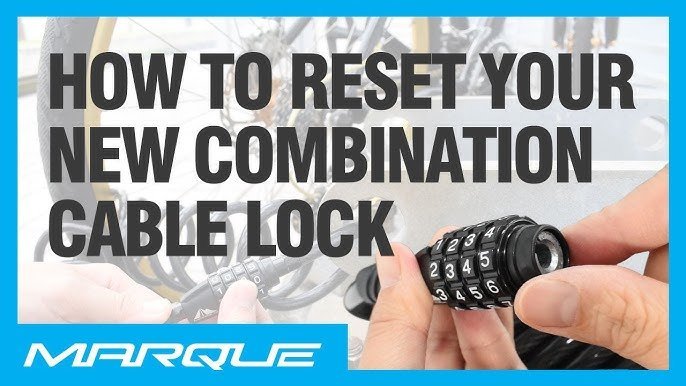
A Tonyon lock fails to open for three basic reasons. First, dirt and road grit wash into the plastic dial tracks after wet rides. This keeps the internal plastic wheels from turning freely, so the gates don’t line up even when the numbers look right on the outside. Second, the dials can sit slightly off-center. If a dial stops between two numbers, the internal cam catches on the metal pin.
Align each dial to the guide points
This fix is for anyone who knows their code, but the lock still won’t slide apart. If the lock feels jammed, don’t yank it with your full body weight; if you pull too hard, the soft metal internal notches bind up worse.
Look closely at the lock housing next to the first dial. You’ll see two small raised dots or arrows molded into the plastic.
- Turn the first wheel so your first digit sits directly on the alignment mark.
- Repeat this for all 5 dials, moving from left to right.
- Grab the plastic housing with your left hand and the metal lock pin with your right hand.
- Pull both ends away from each other in a straight line. Don’t twist the cable while pulling.
You’ll know it worked when the metal cylinder slides out smoothly without scraping against the dials.
Decode the wheels using pulling tension
This manual method is for cyclists who forgot their code or accidentally scrambled the wheels. You’ll decode the wheels by feel. The trade-off is time: this method takes about 5 to 10 minutes of slow, careful movement, but it saves you from destroying the lock.
- Hold the lock cylinder in one hand and pull firmly outward on the cable end to create tension against the internal pin.
- Keep this steady pulling pressure held the entire time.
- Start with the dial closest to the locking pin. Roll it slowly from 0 through 9 while maintaining that outward pull.
- Stop when you feel a slight click, or when the wheel becomes noticeably harder or easier to turn than the rest. That number is your first correct digit.
- Move to the second wheel while keeping tension on the cable. Find the click on each remaining wheel down the line.
The pin will pop free instantly once you settle the final dial into its gate.
Cut the lock cable with heavy tools
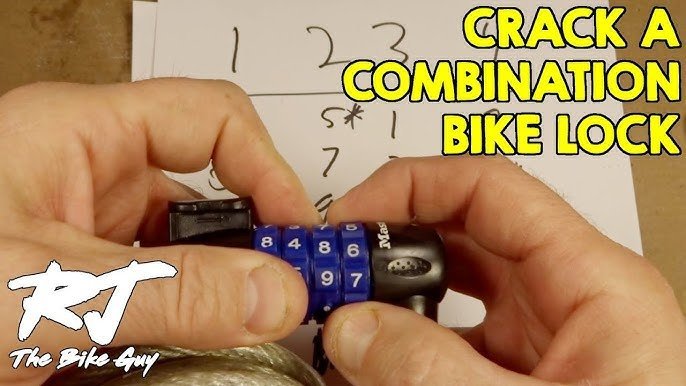
This destructive fix is for a lock with seized internal tumblers or a completely lost code when the manual tension method fails. This method isn’t for standard home scissors or basic wire cutters. Trying to use small wire snips will ruin the tool jaws and leave the steel core uncut.
You need an 18-inch or 24-inch bolt cutter to bite through the braided steel core inside the vinyl jacket. Clamp the cutter jaws squarely against the cable—never cut into the plastic dial housing, which can shatter into sharp plastic bits. Squeeze the handles together with steady leverage. If you don’t own heavy bolt cutters, contact a mobile locksmith or a local bike shop mechanic with professional cutting gear.
What not to do
- Don’t spray thick grease, WD-40, or cooking oil into the dial gaps. These oils attract grit, turn into sticky paste, and cause the plastic wheels to freeze permanently.
- Don’t strike the plastic dial casing with a hammer or rock. The thin plastic dial tracks crack easily, wedging the internal metal locking bar permanently in place.
- Don’t twist or bend the cable back and forth to force it open. Bending the cable bends the internal locking pin inside the dials, which ruins any chance of picking it.
- Don’t pull on the lock with a crowbar braced against your bike frame. You’ll dent the frame tubes or scrape off the paint long before the steel cable snaps.
How to stop it happening again
A few simple habits prevent combo lock failures and keep your bike secure. The National Crime Prevention Council bike safety guidelines recommend using a heavy U-lock along with a cable lock, since thin cable locks only stop grab-and-go theft.
| If you’re doing this | Do this instead | Why |
|---|---|---|
| Leaving the code showing while riding | Spin all wheels to random numbers after locking | Keeps strangers from reading your private code |
| Forcing dry dials to turn | Flush the wheels with a dry graphite spray | Lubricates plastic gears without catching dirt |
| Storing the code only in your head | Save the 5 digits as a phone contact note | Gives you a quick backup if you forget |
| Wrapping the lock tight around the frame | Carry it loose inside a frame bag | Prevents the reset ring from turning accidentally |
| Guessing alignment in the dark | Shine your phone flashlight right on the marks | A half-millimeter gap keeps the pin stuck |
Frequently asked questions
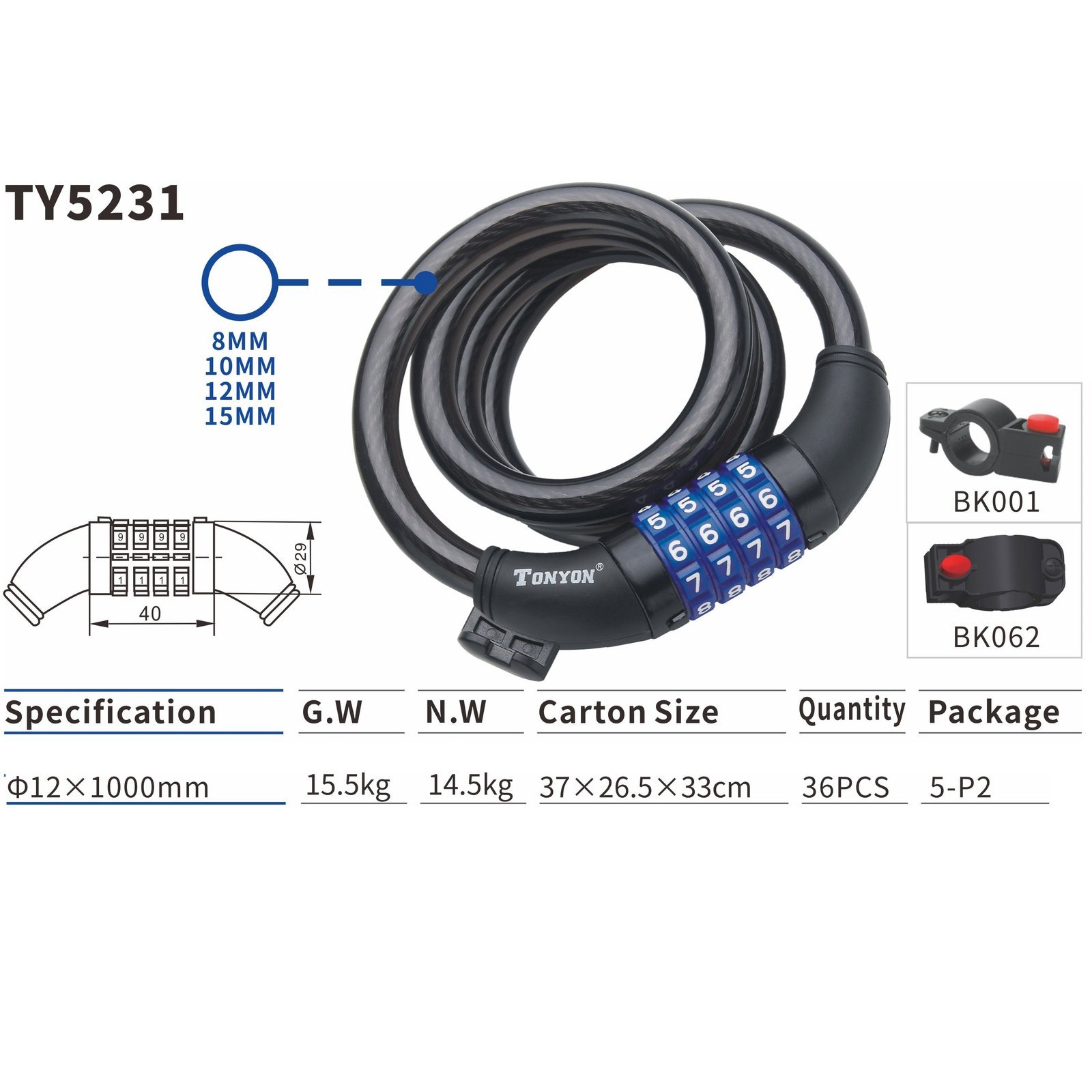
What is the default factory code for a Tonyon bike lock?
The default code is 00000 on most 5-digit models. Line up all five zeros with the raised casing marks and pull the cable end straight out. This varies by model — check the label on the original blister packaging, as some rare runs use 12345.
Can I reset my Tonyon lock code without knowing the old one?
No, you can’t reset the combination without opening the lock first. You must decode the lock or cut the cable if you don’t know the current code.
How do I change the combination on my Tonyon lock?
Open the lock using the current combination. Rotate the collar on the end of the lock body 90 degrees clockwise. Spin the outer dials to your new chosen 5-digit combination, then turn the interior knob back 90 degrees counter-clockwise to lock your new number into place.
Why won’t my Tonyon lock open even with the right code?
Your dials are likely misaligned by a fraction of a millimeter. Dirt inside the tumblers or tension from a stretched cable can hold the internal pins tight against the dials. Push the cable ends toward each other, re-center every digit on the mark, and pull again.
Is it safe to leave a bicycle secured with only a Tonyon cable lock?
No, it isn’t safe for long periods or overnight parking. Cable locks can be cut through in seconds with portable hand cutters. Always pair your cable lock with a solid steel U-lock anchored directly around your bicycle frame to a fixed street post.
Final Thoughts
If your lock still won’t budge, don’t force it, as you’ll likely snap the internal mechanism. It’s usually best to apply a small drop of silicone lubricant to the dials. If that doesn’t help, you’ve probably reached the end of the lock’s life, and it’s time to buy a new one.
Related guides