
To unflood a dirt bike, start by shutting off the fuel petcock, opening the throttle all the way, and kicking the starter 10 to 15 times to push out raw fuel. The single most common cause is leaving the choke on too long while kicking, which pulls liquid gas into the combustion chamber and wets the spark plug.
Why your dirt bike floods
An engine needs a precise mix of vaporized fuel and air to ignite. When too much liquid fuel enters the cylinder, the ratio gets too rich to ignite. The liquid fuel coats the spark plug electrodes. That prevents the electrical current from jumping the gap to create a spark.
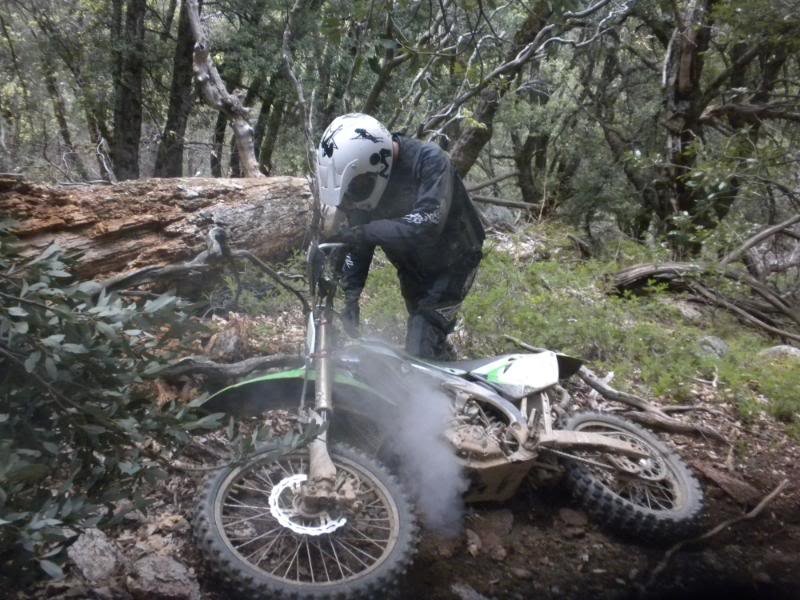
This problem usually happens after a tip-over on the trail, which dumps fuel directly from the carburetor float bowl into the intake tract. It also happens when you pump the throttle repeatedly on a cold engine before starting. On carbureted bikes, a stuck float needle will let fuel run continuously into the engine even when it sits parked.
Hold the throttle wide open
This method is for a lightly flooded engine right after a failed start or a quick stall. It works without tools while you’re still on the trail.
- Turn the fuel petcock to the “OFF” position.
- Push the choke knob completely in (off).
- Hold the throttle wide open against its stop. This lets the maximum volume of fresh air into the cylinder to thin out the wet fuel mixture.
- Hold the kill switch down so the engine won’t kick back, and kick through 10 times slowly.
- Release the kill switch, keep the throttle completely open, and give two or three firm, fast kicks.
If it sputters, release the throttle immediately so it settles into an idle. You’ll know it worked when the engine fires with a brief cloud of white-blue smoke.
Bump start in second gear
This fix is for bikes with dead electric starters or when kicking wears your leg out on a hill. It uses the rear wheel to spin the engine faster than a kickstarter can, clearing fuel quickly. This method isn’t for loose sand or mud where the rear tire will simply skid.
Find a gentle downhill slope or get a friend to push you. Turn the fuel valve off and switch the choke off. Shift the transmission into second gear. Pull the clutch lever in completely. Roll down the hill until you reach a steady running speed, then release the clutch lever smoothly while bouncing your weight onto the seat for rear-wheel traction. Don’t touch the throttle. The engine will spin rapidly, pump out the excess fuel, and catch within a few yards.
Remove and dry the plug
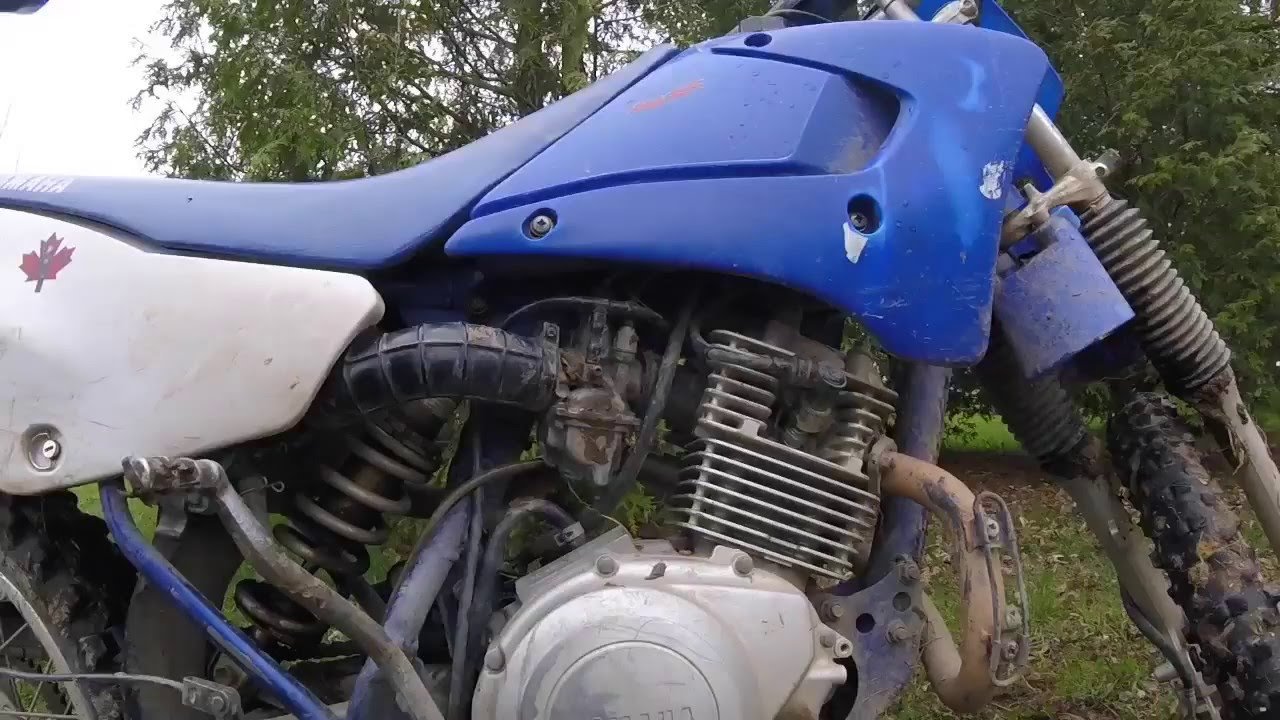
This fix is for severe flooding where the cylinder is soaked with gas. It takes more effort and basic hand tools, but it’s the only reliable choice when the spark plug is fouled. If the spark plug threads in the cylinder head feel stripped or cross-threaded, stop immediately; that repair requires a certified motorcycle mechanic to install a thread insert.
Take off the spark plug cap and use a deep socket to remove the plug. If the tip is black and wet with gas, it won’t fire. Kick the engine through 15 times with the plug out and throttle open to blast the fuel out of the cylinder hole. Clean the plug electrodes with a clean rag or blast them with compressed air. You can check the spark plug gap against the clearance chart in the Yamaha Owner’s Service Manuals database before threading it back in by hand. Tighten it snug with your wrench, reconnect the cap, turn the fuel on, and start the bike normally.
What not to do
- Don’t keep kicking with the choke pulled out, because every stroke pulls more raw gas into an already wet cylinder.
- Don’t twist the throttle back and forth on bikes with an accelerator pump, since each twist squirts another shot of raw fuel straight into the intake.
- Don’t use a propane torch to burn fuel off a wet spark plug, because extreme heat can crack the internal ceramic insulator.
- Don’t crank an electric starter for more than 5 seconds at a time; doing so overheats the starter motor and quickly drains your battery.
How to stop it happening again
A few small habit changes during startup and transport will keep your engine clear of excess fuel.
| If you’re doing this | Do this instead | Why |
|---|---|---|
| Leaving the choke out after engine fires | Push choke in within 10 seconds of starting | Keeps the idle fuel mixture from loading up the plug |
| Transporting bike with petcock open | Turn fuel petcock off whenever the engine isn’t running | Stops trailer bumps from sloshing fuel past the needle valve |
| Blipping throttle before kicking | Keep right hand on the throttle housing, not the grip | Prevents pumping raw fuel into the engine before spark occurs |
| Storing bike with old fuel in float bowl | Stops gummed float needles from sticking open and leaking fuel |
Frequently asked questions
Can a flooded dirt bike fix itself?
Yes, if you let it sit untouched for 20 to 30 minutes with the fuel petcock turned off. The excess fuel inside the combustion chamber will slowly evaporate into the air. However, clearing it manually with an open throttle takes less time.
How long does an engine take to unflood?
About two minutes if you use the open-throttle kicking method. If you decide to wait for the fuel to evaporate on its own, it takes between 15 and 30 minutes depending on the outside air temperature and engine heat.
Why does my kickstarter feel hard to push?
Liquid fuel filling the combustion chamber can cause a condition called hydrostatic lock, which prevents the engine from turning over. Liquids don’t compress like air. Don’t force the kick lever, as this can cause catastrophic damage to the connecting rod or crankshaft. Remove the spark plug immediately to let the trapped fuel escape.
What happens if I keep riding with a flooded engine?
The bike will run rough, hesitate under throttle, and eventually stall out. Raw fuel will also wash the protective oil film off your cylinder wall, causing friction that accelerates piston ring wear. If unburned fuel ignites inside your exhaust pipe, it can damage silencer packing.
Is it safe to bump start a flooded four-stroke?
Yes, as long as the engine isn’t locked up with liquid fuel. Always use second or third gear rather than first gear so the engine doesn’t lock the rear wheel and skid. A steep hill makes the process much safer and easier on the transmission.
Final Thoughts
Once your engine finally roars to life, take it for a gentle ride around the yard to clear out any remaining fuel. It’s a good idea to check your spark plug for carbon buildup afterward, too. You’ll find that keeping your bike well-maintained makes every future trail ride much more enjoyable.