
You get the best results by roasting asparagus at 400°F for 12 to 15 minutes until the spears are tender and slightly browned at the edges. This method creates the perfect balance between a crisp exterior and a juicy center, provided you trim the woody ends before you begin.
The best oven roasted asparagus depends on the thickness of your spears, the amount of oil used, and the spacing on your baking sheet. If you have thin spears, they cook faster; thick spears require more time.
Who should make oven roasted asparagus
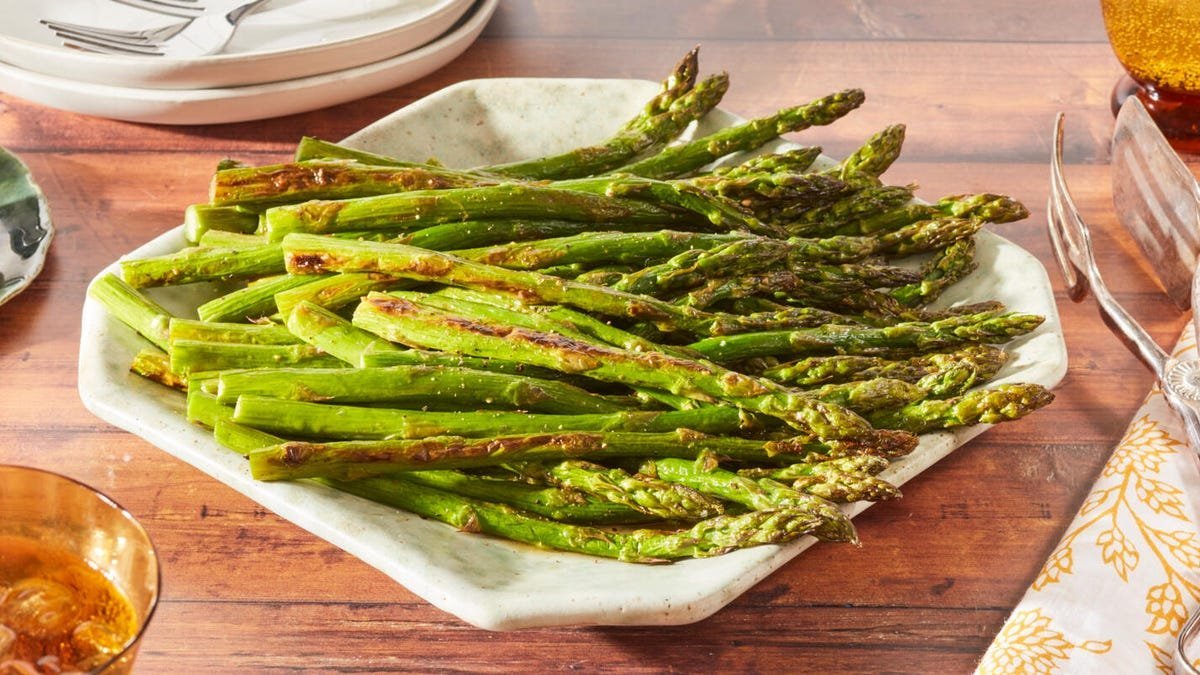
This guide is for the home cook who wants consistent, restaurant-quality results without relying on complicated equipment or expensive ingredients. It serves the person who has a bunch of fresh asparagus in the fridge and wants a reliable method that turns out perfectly every single time, regardless of whether they’re serving it as a quick weeknight side dish or a part of a larger meal.
The page assumes you have a standard oven that maintains temperature accurately and a basic metal baking sheet. It isn’t for the person looking for a way to steam, fry, or boil their vegetables; this is strictly about the dry-heat method that caramelizes the natural sugars in the stalks. If you’re using a convection or air-fryer oven, you should reduce the temperature by 25°F and start checking for doneness two minutes earlier than the times listed here. If you’re a beginner, follow the steps exactly as written. If you have experience, you may adjust the seasoning to your preference, but the heat and timing remain the core of the success.
Factors that change the outcome
The primary factor is the thickness of the asparagus spears. Thin stalks (pencil-sized) cook in about 8 to 10 minutes, while thick, woody stalks can take up to 20 minutes to reach the same level of tenderness. You can determine the thickness by looking at the base of the stalk; if it’s wider than a standard pen, plan for the longer end of the time range.
Oil coverage is the next most important detail. You need just enough fat to coat every side of the stalk. If you use too little, the asparagus dries out and turns fibrous; if you use too much, it steams in the oil rather than roasting. A good rule is one tablespoon of olive oil per pound of asparagus.
Spacing on the baking sheet prevents steaming. If the stalks are crowded or overlapping, the moisture released during cooking creates a humid environment that keeps the vegetables soft. You want air to circulate around each spear to ensure proper browning.
The final factor is the trimming process. Many people cut too little off the bottom, leaving a tough, woody end that’s unpleasant to chew. You can find the natural break point by holding a spear at both ends and bending it until it snaps; the stalk will naturally break where the tough part ends and the tender part begins.
Steps for how to make the best oven roasted asparagus
- Preheat your oven to 400°F. Ensure your rack is in the center position so the heat circulates evenly around the tray.
- Wash the asparagus under cool running water and pat it completely dry with a clean kitchen towel. Moisture on the surface will steam the stalks instead of roasting them.
- Trim the woody ends by snapping them off at the natural break point or using a sharp knife to cut one inch from the bottom of the bunch.
- Place the trimmed asparagus on a large, rimmed baking sheet. Don’t use a glass dish, as it doesn’t conduct heat as efficiently as metal.
- Drizzle one tablespoon of olive oil over the spears. Use your hands or tongs to toss the asparagus until every stalk is lightly and evenly coated.
- Season with one-half teaspoon of kosher salt and one-quarter teaspoon of black pepper. Shake the pan to distribute the seasoning.
- Arrange the spears in a single layer. Make sure no stalks are touching or overlapping, as this ensures each piece browns rather than steams.
- Roast for 12 to 15 minutes. The asparagus is done when the stalks are tender when pierced with a fork and the tips are starting to darken.
- Remove the tray from the oven immediately. If you leave them on the hot pan, they will continue to cook and lose their texture.
The judgement call here is the texture. You want the stalks to be tender but still have a slight “snap” when you bite into them. If you prefer them softer, add two minutes to the roasting time.
Variables in roasting methods
The way you prepare your vegetables changes the final result and the time required. Follow this table to adjust for your specific situation.
| The Situation | What to do | What it takes | What to watch for |
|---|---|---|---|
| Thin spears | Reduce heat to 375°F | 8-10 minutes | Burnt tips |
| Thick spears | Increase time | 15-20 minutes | Tough stems |
| Extra flavor | Add lemon zest | 1 minute prep | Bitter char |
| Large batch | Use two pans | 20 minutes | Uneven browning |
| Soft texture | Cover with foil | 15 minutes | Excessive moisture |
Crowding the pan is the most common mistake home cooks make. When vegetables touch, they steam in their own released water instead of caramelizing. If you can’t see the bottom of the pan between your pieces, you have added too much. Use a second sheet to ensure the heat reaches every surface.
If you’re unsure about your oven’s accuracy, use the “snap test.” A perfectly roasted spear should bend slightly without breaking. If it snaps immediately, the center remains raw. If it collapses into a mushy heap, you have exceeded the optimal window.
For high-moisture vegetables like zucchini, salt them twenty minutes before roasting. Pat the surface dry with a paper towel to remove excess brine. This simple step prevents the soggy exterior that ruins an otherwise crisp roast. If the vegetable is dense, such as a carrot, keep the pieces uniform in length to ensure they finish at the exact same time.
Signs of quality and errors
Preparing the pan
Experienced cooks know that the quality of the pan determines the final browning. A dark, heavy-gauge metal pan absorbs more heat and transfers it faster to the bottom of the asparagus, creating a better sear. If you use a thin, light-colored pan, the stalks may take longer to brown, which risks overcooking the tips. Always ensure your pan is dry before adding the oil and vegetables, as any water left on the surface will interfere with the roasting process.
Managing the heat
The most common mistake is failing to check the oven temperature accuracy. If your oven runs hot, you’ll burn the tips of the asparagus before the stalks are cooked through. Conversely, a cool oven will result in limp, pale stalks that lack the savory, roasted flavor. According to FoodSafety.gov’s chart, while vegetable safety isn’t dependent on a specific internal temperature, ensuring even heat distribution is the key to achieving the right texture without creating hot spots that cause uneven cooking.
Fixing common roasting issues
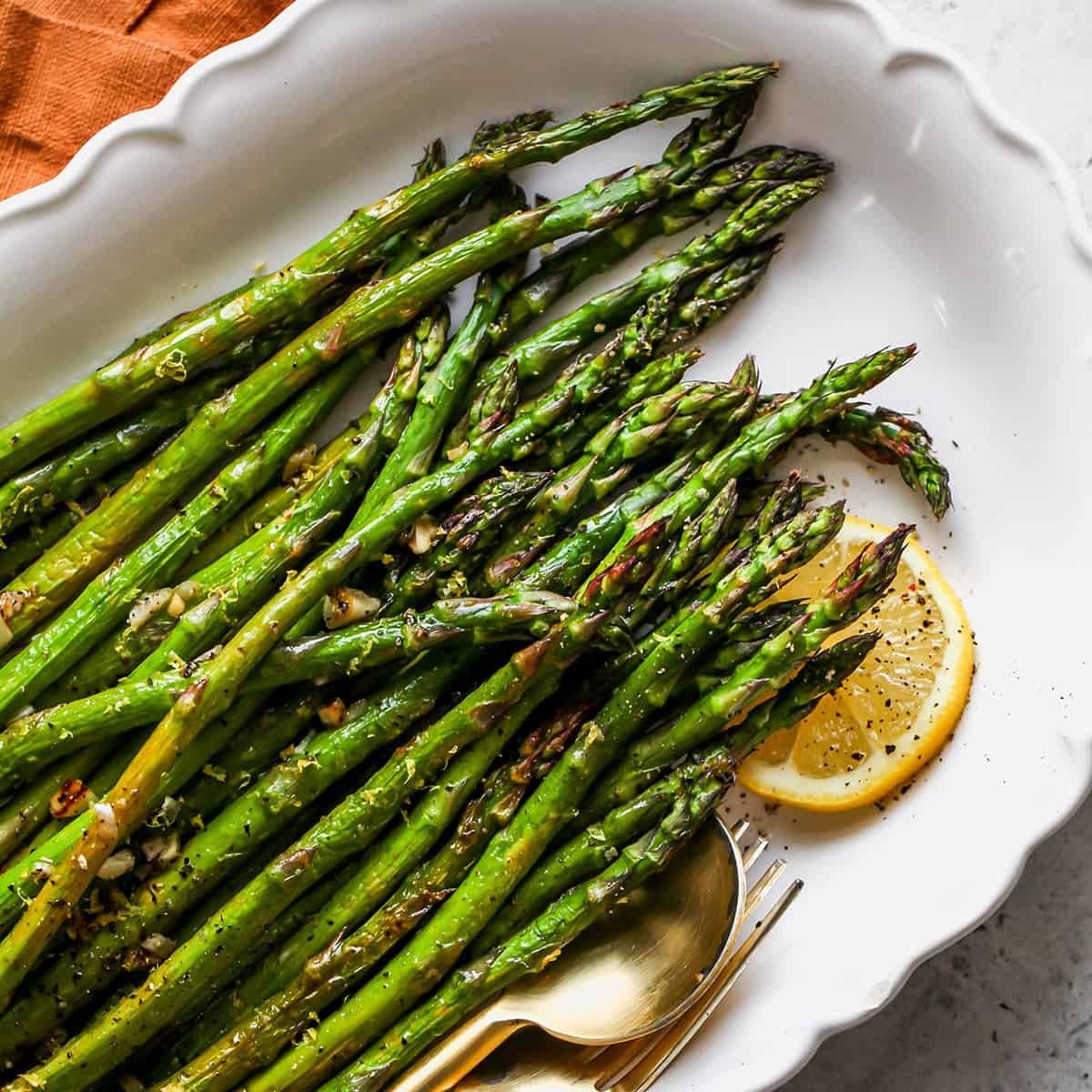
Address these problems quickly to save your meal.
| What you notice | What it usually means | What to do first | How to stop it |
|---|---|---|---|
| Burnt tips | Heat is too high | Move to lower rack | Lower oven temp |
| Limp texture | Overcooked | Serve immediately | Reduce time |
| Tough ends | Poor trimming | Cut off more | Snap at break point |
| Pale color | Steam trapped | Spread out stalks | Use larger pan |
| Oily taste | Too much oil | Blot with towel | Measure oil carefully |
Beginners often assume their oven temperature is accurate, but internal sensors often drift by 25 degrees or more. If your vegetables emerge scorched on the outside while remaining raw inside, use a standalone oven thermometer to verify the heat.
A common mistake is overcrowding the sheet pan. When pieces touch, they release moisture that creates a steaming effect rather than a roast. You should see at least one inch of space between every item. If you can’t achieve this, use two pans instead of one.
Finally, distinguish between “tough” and “fibrous” ends. If you encounter woody textures, you likely missed the natural snap point. Hold a stalk at both ends and bend it; it will break exactly where the tender part begins. Discard everything below that break point entirely. If you ignore this, no amount of roasting will soften the lignin in those thick, fibrous stems.
Rules for safe preparation
Food safety begins with proper handling of fresh produce. You must wash your asparagus thoroughly to remove soil and debris that may contain bacteria. Always use a clean cutting board and wash your hands with soap for at least 20 seconds before and after handling raw vegetables. If you’re preparing asparagus alongside meat, keep the vegetables on a separate board to prevent cross-contamination.
Store fresh, unwashed asparagus in the refrigerator with the ends wrapped in a damp paper towel. Place them in a plastic bag to maintain humidity, but don’t seal it completely. Most fresh asparagus lasts three to four days in the refrigerator before the quality begins to decline. If the stalks become slimy or develop a strong, unpleasant odor, discard them immediately rather than trying to salvage them. Never attempt to roast asparagus that has been left at room temperature for more than two hours, as this creates a breeding ground for bacteria. If you have concerns about the safety of your produce, check the guidance provided by your local agricultural department or the relevant national health authority.
The true cost of roasting
The cost of roasting asparagus is mostly measured in the price of the produce and the energy used by your oven. A typical bunch is an affordable purchase depending on the season, with peak availability during the spring months. The energy cost is minimal, as 15 minutes in a 400°F oven uses about 0.5 kWh of electricity.
The real cost is the time you spend prepping. Trimming each stalk individually is the most labor-intensive part of the process. You can reduce this effort by lining up the bunch on your cutting board and trimming them all at once with a sharp chef’s knife, though this is less precise than the snap method. If you value your time more than the precision of the cut, the bulk trimming method is the best way to keep your effort low.
Always compare the price per pound at your local market, as pre-trimmed or “tips-only” asparagus is usually more expensive than whole, untrimmed bunches. A common mistake is buying pre-trimmed packs without checking the weight; you often pay a 40% premium for the convenience of having the woody ends removed.
Use this decision rule: if you’re preparing a quick weeknight meal, opt for the bulk trim to save five minutes of labor. If you’re hosting a formal dinner, use the snap method. This ensures the stalks break naturally at their tender point, preventing the inclusion of fibrous, unchewable ends that can ruin a guest’s experience.
Keeping your results consistent
Proper storage is the secret to maintaining the quality of your roasted asparagus if you have leftovers. Store cooked asparagus in an airtight container in the refrigerator for no more than three days. To reheat, place the spears in a single layer on a baking sheet and heat in a 350°F oven for five minutes. Don’t microwave them, as this will turn the texture mushy and ruin the flavor you worked to create.
A common mistake is leaving the asparagus in the original produce bag, which traps moisture and accelerates spoilage. Transfer the spears to a glass container lined with a dry paper towel to absorb excess condensation. If the stalks feel slimy or emit a sour odor, discard them immediately, as these are signs of bacterial growth.
You can record the date you cooked the asparagus on a piece of tape on the container to keep track of its age. If you find yourself with too much, you can freeze blanched, raw asparagus for up to eight months. However, don’t freeze it after it has already been roasted. The freezing process breaks down the cell walls of cooked vegetables, turning them into an unappealing, watery mush once thawed.
Use this simple decision rule: if you plan to eat the batch within 72 hours, refrigerate it. If you have a surplus that will last longer, freeze the raw stalks before they ever touch the oven. This ensures your final meal retains its snap and vibrant color.
When to avoid this method
Roasting isn’t the right choice if you’re in a rush and need the vegetable ready in under five minutes. In that case, steaming or sautéing in a pan on the stovetop is faster, even if it lacks the deep, nutty flavor of the oven.
This method is also not ideal if your asparagus is extremely thin or “grass-like,” as these stalks will dehydrate and shrivel before they have a chance to roast. For these delicate spears, a quick sear in a hot skillet with a splash of water is a better way to retain their crunch.
Finally, if you don’t have a rimmed baking sheet, avoid using a flat cookie sheet. The oil will drip off the edges and onto the bottom of your oven, potentially creating smoke or a fire hazard. If you’re unsure about your equipment, check the rim depth; it must be at least half an inch tall to contain the runoff.
Frequently asked questions
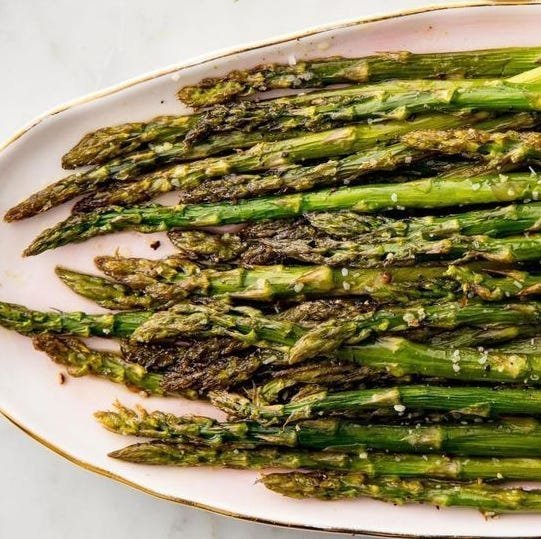
How do I know when the asparagus is perfectly cooked?
The asparagus is perfectly cooked when the stalks are tender and can be easily pierced with a fork, and the tips are dark brown. You should see a slight shriveling of the skin, which indicates the sugars have caramelized.
Can I roast frozen asparagus?
Yes, you can roast frozen asparagus, but you must not thaw it first. Toss the frozen spears directly with oil and seasoning, and roast at 425°F for 15 to 18 minutes to ensure the excess moisture evaporates.
Why is my roasted asparagus mushy?
Your asparagus is mushy because it was either crowded on the pan or cooked for too long. Ensure the stalks are in a single layer with space between them and check for doneness starting at the 12-minute mark.
Should I peel the ends of the asparagus?
You don’t need to peel asparagus unless the stalks are exceptionally thick and woody. Trimming the bottom inch or snapping the ends at the natural break point is usually enough to remove the tough, fibrous parts of the vegetable.
Is it necessary to soak asparagus before roasting?
No, you should never soak asparagus before roasting, as it absorbs water and will steam instead of roasting. Simply rinse the spears under cool water and dry them thoroughly with a paper towel before coating them in oil.
How long does roasted asparagus last in the fridge?
Roasted asparagus lasts for three days when stored in an airtight container in the refrigerator. After the third day, the quality and texture will degrade significantly, and you should discard any remaining portions.
Oven roasted, in short
Start by preheating your oven to 400°F and trimming your asparagus to ensure the best texture. Once your oven reaches the target temperature, roast the spears for 12 to 15 minutes until they’re tender and lightly browned. If the stalks feel soft or the color turns dull, it’s time to stop and enjoy your meal immediately while the texture is at its peak.