
Distillation columns use simple metal sheets to separate liquids by boiling them at different temperatures. By forcing rising hot vapors through holes in these plates, sieve trays create a bubbling surface where liquid and gas exchange heat and mass. This process allows lighter components to move upward as gas while heavier parts condense and flow back down as liquid.
Essential components of distillation sieve trays
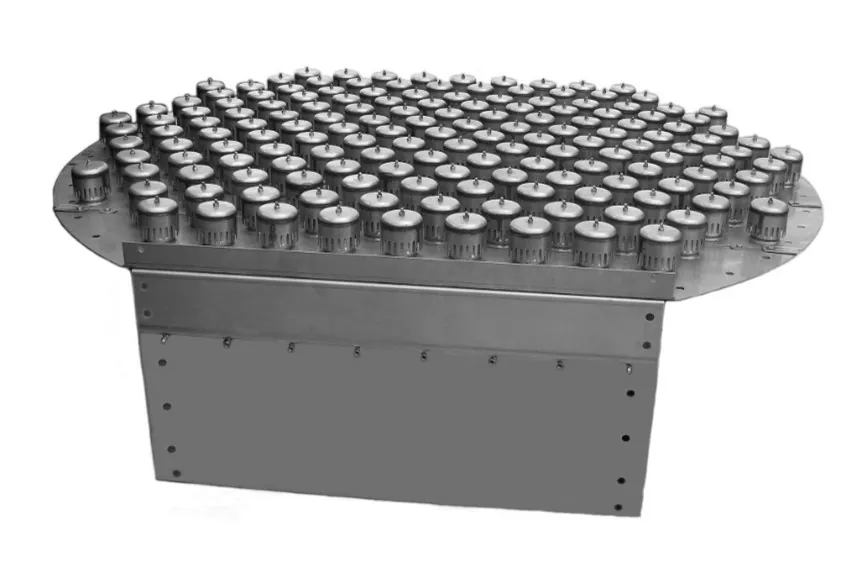
The efficiency of a column depends on the physical condition of these internal parts. You can check the current state of your equipment by looking at the technical documentation provided by the manufacturer. If you notice poor separation results, inspect the tray integrity for signs of damage or blockage.
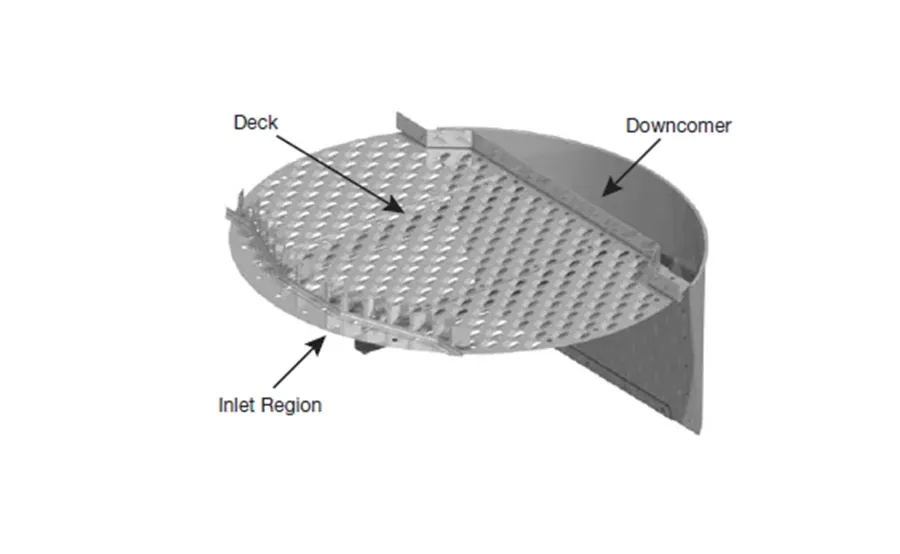
| Part or input | What it does | What you notice when it goes wrong |
|---|---|---|
| Perforated tray | Provides surface for contact | Reduced separation efficiency |
| Downcomer | Returns liquid to lower tray | Column flooding or backup |
| Weir | Maintains liquid height on tray | Poor gas-liquid contact time |
| Tray support | Keeps the tray level | Liquid bypasses the holes |
| Inlet area | Distributes incoming liquid flow | Uneven liquid distribution patterns |
Inspect the weir height specifically if your product purity drifts despite stable feed rates. A deviation of just 5 millimeters from the design specification can cause liquid to bypass the active area, leading to significant product contamination.
If the downcomer clearance is too tight, the column will flood at 80% of design capacity. Conversely, if the clearance is too wide, gas will blow up the downcomer, destroying tray hydraulics. Use a simple plumb line to verify that trays remain level within a 3-millimeter tolerance across the entire diameter.
If you find a tray tilted more than this, expect localized weeping and a 15% drop in overall stage efficiency. Never assume a tray is secure just because the support bolts are tight; vibration often causes internal clips to fatigue and snap over a three-year cycle.
The sequence of vapor-liquid contact
Hot vapor enters the base of the column and travels upward through the circular holes drilled into each metal tray.
Liquid flows downward from the tray above, moving across the surface of the current tray toward the downcomer area.
The rising vapor pressure pushes through the liquid layer, creating a frothy mixture of bubbles that increases the contact surface area. Maintain a vapor velocity that keeps this froth height between two and four inches. If the froth is too shallow, you lose mass transfer efficiency; if it’s too deep, you risk flooding the column.
Mass transfer occurs within this froth, where lighter molecules evaporate into the vapor phase while heavier molecules condense into the liquid.
The vapor continues moving upward to the next tray, while the enriched liquid flows over the weir into the downcomer. Ensure the weir height is set to maintain a liquid seal. Without this seal, vapor will bypass the liquid, causing a total loss of separation.
This cycle repeats on every tray until the desired purity is achieved at the top or bottom of the column.
Why tray design impacts separation quality
Effective separation relies on maintaining a stable froth layer across the entire surface of the sieve tray. If the vapor velocity is too low, liquid will weep through the holes without interacting with the rising gas. This failure to create a proper bubble layer means the vapor and liquid pass each other without exchanging molecules, which directly ruins the purity of your final product.
Conversely, if the vapor velocity is too high, the column may experience entrainment. This happens when the high-speed gas carries liquid droplets upward to the tray above, effectively undoing the separation that just occurred. Operators often monitor the pressure drop across the column to detect these issues, as a sudden increase in pressure usually signals that the trays are flooded with liquid.
The geometry of the holes is also critical to stable performance. If your hole size is incorrect for your specific mixture, you’ll see inconsistent bubbling or excessive pressure loss. Always verify your column’s design specifications against the original engineering drawings to ensure the trays are operating within their intended range.
Control and design limits
Things you can control
- Adjust the feed flow rate to match the column’s rated capacity.
- Monitor the reboiler temperature to manage the total vapor boil-up.
- Change the reflux ratio to influence the purity of the top product.
- Clean the trays during maintenance to prevent hole blockages.
Things fixed by design
- The diameter of the holes drilled into the metal tray.
- The physical height of the weir controlling liquid depth.
- The total number of trays installed in the column shell.
If you need to change the internal geometry, you must consult a qualified process engineer. Attempting to modify tray internals without proper calculations can lead to catastrophic column failure or unsafe pressure levels.
Maintaining optimal column performance
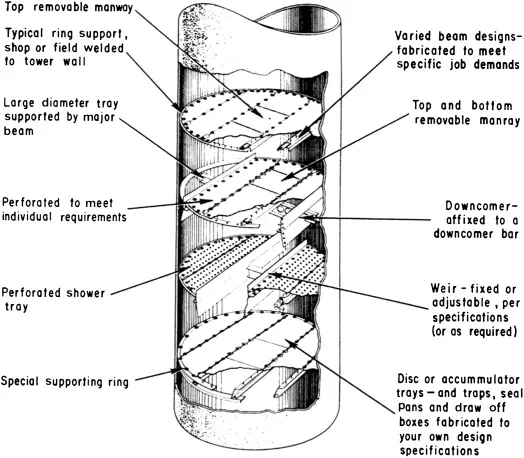
You can maximize the output of your system by keeping the trays clean and operating at stable pressures. When you notice a gradual rise in the pressure drop across the column, it’s often a sign that debris or scaling is blocking the holes. This forces the vapor to find other paths, which reduces the effective surface area available for mass transfer.
Check your column pressure readings at least once every shift to spot trends early. If the reading moves outside the normal range provided by the manufacturer, adjust the feed or boil-up rates slowly.
Avoid making large, sudden changes to the flow, as this can cause the liquid to dump off the trays and stop the separation process entirely. Consistent, small adjustments allow the column to reach a new steady state without disrupting the delicate balance of the liquid and vapor phases.
If the pressure drop spikes suddenly rather than creeping upward, stop adjusting the flow and inspect the reboiler for fouling. A slow rise indicates long-term scaling, but a sharp jump suggests a mechanical failure or tray damage. If you see this, you must reduce the vapor load by at least twenty percent immediately to prevent permanent structural deformation.
Related guides
- Reverse Osmosis vs Distillation: Which Water Filter Is Best in 2026
- 10 Best Wood for Exterior Columns: Durable Picks for Your Home in 2026
Frequently asked questions
How long do sieve trays last in a distillation column?
Sieve trays typically last for a duration that depends on the corrosiveness of the chemicals processed. You can find the expected lifespan in the maintenance manual provided by the equipment manufacturer, which should also detail the specific materials used for the trays in your system.
Is it safe to enter a distillation column for inspection?
Entry into a distillation column is only safe after a formal confined space permit process is completed. You must verify that the column is fully isolated, purged of all hazardous vapors, and tested for oxygen levels by a qualified safety officer before any person enters the vessel.
What happens if the vapor rate is too high?
Excessive vapor rates lead to flooding, where liquid can’t flow down through the downcomers because the rising gas blocks its path. This causes the liquid to back up the column, which results in a massive drop in product purity and potentially damages the internal tray supports.
Can I change the hole size on existing trays?
You can’t change the hole size on existing trays without a complete redesign by a professional engineer. The hole diameter is set to provide a specific pressure drop; changing it will disrupt the hydraulics of the column and likely make the separation process impossible to control.
How often should I check the tray condition?
You should inspect the tray condition during every scheduled turnaround or major maintenance shutdown. The exact frequency depends on the fouling nature of your process fluids, which you can determine by monitoring the pressure drop trends recorded in your daily operational logs.
Does it matter if the tray isn’t perfectly level?
A tray that isn’t perfectly level will cause liquid to pool on one side and leave the other side dry. This uneven distribution forces vapor to bypass the liquid, which significantly lowers the efficiency of the column and makes it impossible to achieve the target separation purity.
Conclusion
Maintaining these trays is essential for keeping your system running smoothly over time. You’ll want to schedule regular inspections to check for debris or corrosion that might block the holes. If you keep the equipment clean, you won’t have to worry about efficiency drops or unexpected downtime in your production cycle.
