
A ball valve is generally the better choice for quick, positive shut-off, while a gate valve is superior for applications that require full, unobstructed flow through a large pipe. Choosing the right ball valve vs gate valve depends on your specific system, as the ball valve works best for tight seals in small lines, but the gate valve is the standard for isolating main water lines where pressure drop must be kept to a minimum.
Valve type comparison for piping systems
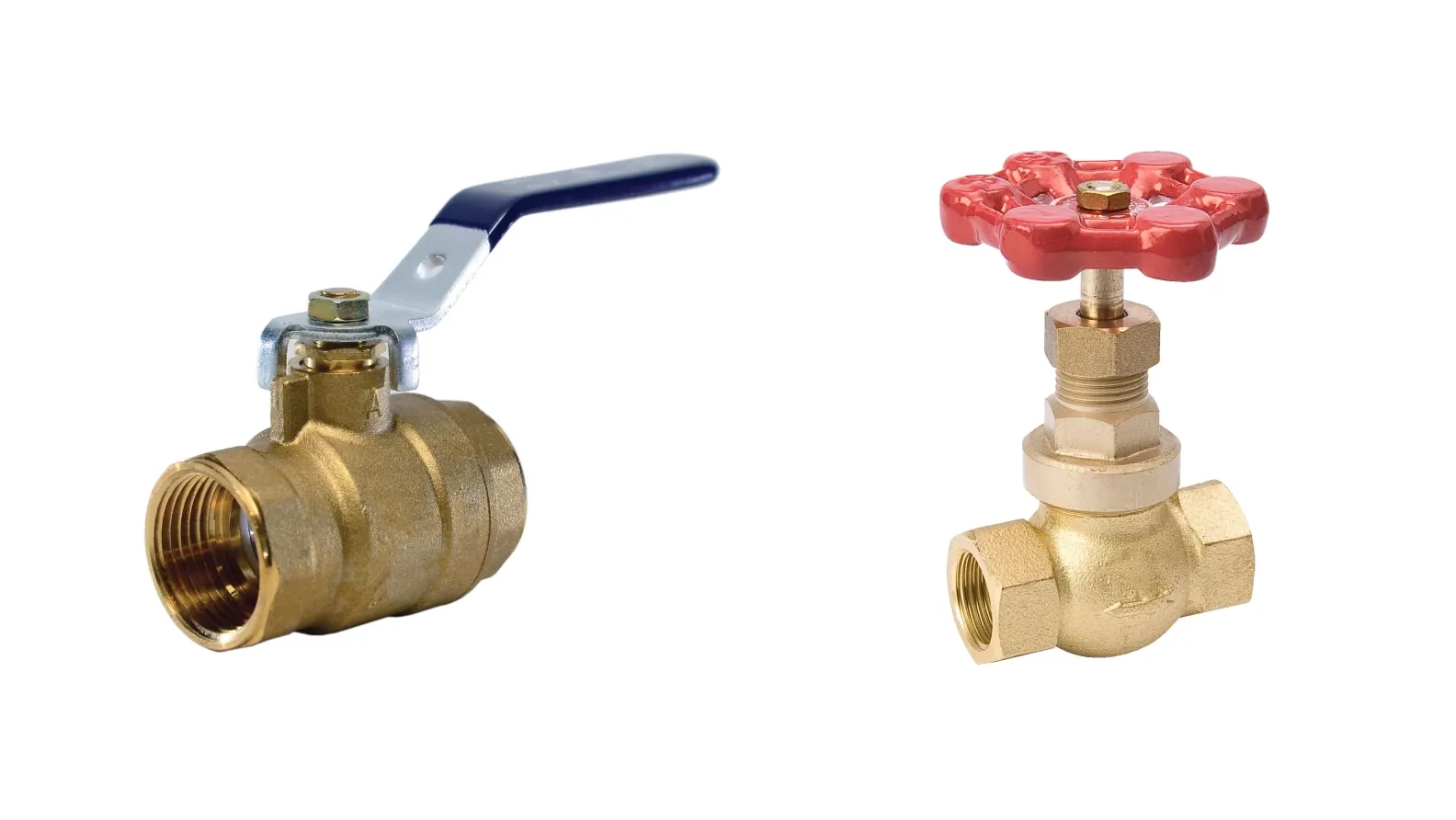
Selecting the correct component ensures your system runs safely and lasts as long as possible. The table below outlines the primary differences between these two common valve types.
| Method | How long | Effort | Cost | Best for |
|---|---|---|---|---|
| Ball Valve | Fast | Low | Medium | Quick shut-off |
| Gate Valve | Slow | High | Medium | Full-flow isolation |
| Butterfly Valve | Medium | Low | Low | Large diameter pipes |
The cost and effort levels above assume a standard residential or light commercial setup. Always check the manufacturer’s data sheet for your specific pipe diameter and material, as these factors significantly change the torque required to operate the valve. If the valve isn’t used for a long time, mineral buildup can make it difficult to turn regardless of the type you choose.
Operating a ball valve
A ball valve uses a rotating sphere with a hole through the center to control liquid or gas. It’s highly reliable because it provides a clear, straight path when fully open.
- Locate the handle on top of the valve body.
- Turn the handle 90 degrees until it’s perpendicular to the pipe.
- Verify the flow has stopped by checking the downstream gauge or faucet.
- Return the handle to the parallel position to restore full flow.
This design is excellent for rapid emergency shut-offs because a quarter-turn is all you need to close the line completely. If the handle is stiff, don’t force it with a pipe wrench. Instead, apply a penetrating lubricant to the stem and wait ten minutes. Forcing a seized valve often shears the internal stem, leaving the ball stuck in an unknown position.
It isn’t ideal for throttling, as partially closing the valve can damage the internal seats and cause vibrations. If you need to regulate flow rate rather than just stopping it, install a globe valve instead. A ball valve is strictly a binary tool: it must be either fully open or fully closed.
If you’re working on a high-pressure line, follow the safety guidelines published by the American National Standards Institute to ensure your equipment is rated for the load. Always confirm the pressure rating stamped on the valve body matches your system’s maximum output to prevent catastrophic seal failure.
Managing a gate valve
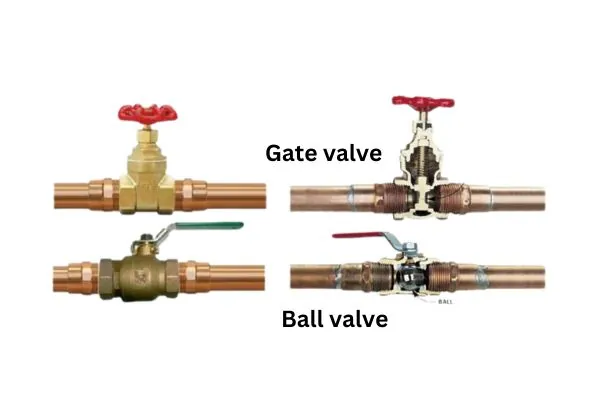
A gate valve works by lowering a metal plate into the flow path. It’s designed to be either fully open or fully closed, which makes it a poor choice for regulating flow speed.
Grip the circular handwheel firmly. Rotate the wheel counter-clockwise to lift the gate out of the pipe. Continue turning until you feel the gate hit the top of the bonnet. Rotate clockwise to lower the gate back into the closed position.
If you feel resistance before the gate hits the bonnet, stop immediately. Forcing a stuck valve often strips the stem threads, which turns a simple maintenance task into a full pipe replacement. If the valve is difficult to turn, apply a small amount of penetrating oil to the stem and wait ten minutes before trying again.
Gate valves are the preferred choice for main shut-off valves in large buildings because they don’t restrict flow when open. Their main weakness is the time they take to operate; it requires many turns to fully open or close the gate.
This makes them unsuitable for situations where you need to stop a leak instantly. If your system requires emergency shut-off capabilities, install a quarter-turn ball valve in series with the gate valve. Use the ball valve for daily adjustments and the gate valve only for long-term maintenance isolation. If you’re unsure which you need, check the handle; if it’s a lever, it’s for speed, while a wheel indicates a gate valve for total flow control.
Using a butterfly valve
A butterfly valve features a thin metal disc that rotates on a central shaft inside the pipe. It’s lighter and more compact than the other two types mentioned.
Align the lever with the pipe axis to open the valve. Pull the locking trigger if the handle has a notched plate. Rotate the handle 90 degrees to move the disc into the closed position. Ensure the lever is locked into the closed notch to prevent leaks.
These valves are effective for large-diameter pipes where space is limited. They’re often cheaper than ball valves but can be prone to small leaks if the seal wears out over time. If you need a valve that stays in one position for years, this is often a reliable choice.
Apply this rule: use a butterfly valve for low-pressure systems where you only need to stop flow, not throttle it. If your process requires precise flow control, avoid this valve; the disc sits in the stream and causes turbulence that erodes the seat.
Most users fail by forcing the handle when the valve is partially clogged with debris. This bends the stem and ruins the seal permanently. If you encounter resistance before the 90-degree mark, stop immediately. Back the handle off and flush the line rather than applying extra torque. If the valve fails to hold pressure, check the seat liner for chemical degradation. A swollen liner is the first sign that your material choice is incompatible with the fluid inside.
Choosing the right valve for your system
When you’re in a hurry, a ball valve is the best option because its quarter-turn operation allows for an almost instant shut-off. If you’re doing this for the first time, a ball valve is also easier to maintain because the handle position clearly shows if the valve is open or closed.
Choose a ball valve if your system requires frequent cycling or emergency isolation. If you find yourself needing to throttle flow rather than just stopping it, pivot to a globe valve instead. Attempting to partially close a ball valve often leads to seat erosion and premature leaks.
If you want the best possible result whatever it takes, a gate valve wins for main supply lines where preventing pressure loss is your absolute priority. Use gate valves only in fully open or fully closed positions. Using them in a partially open state causes the gate to vibrate and eventually rattle loose.
The trade-off is between speed and flow efficiency. A ball valve gives you speed, but it can create a slight restriction in very large pipes. A gate valve gives you full, unobstructed flow, but it’s slow to operate and can fail to seal properly if sediment gets caught in the valve seat. For systems carrying dirty water or slurries, avoid gate valves entirely, as debris buildup prevents the gate from seating flush, resulting in a persistent, impossible-to-fix drip.
Essential rules for valve installation
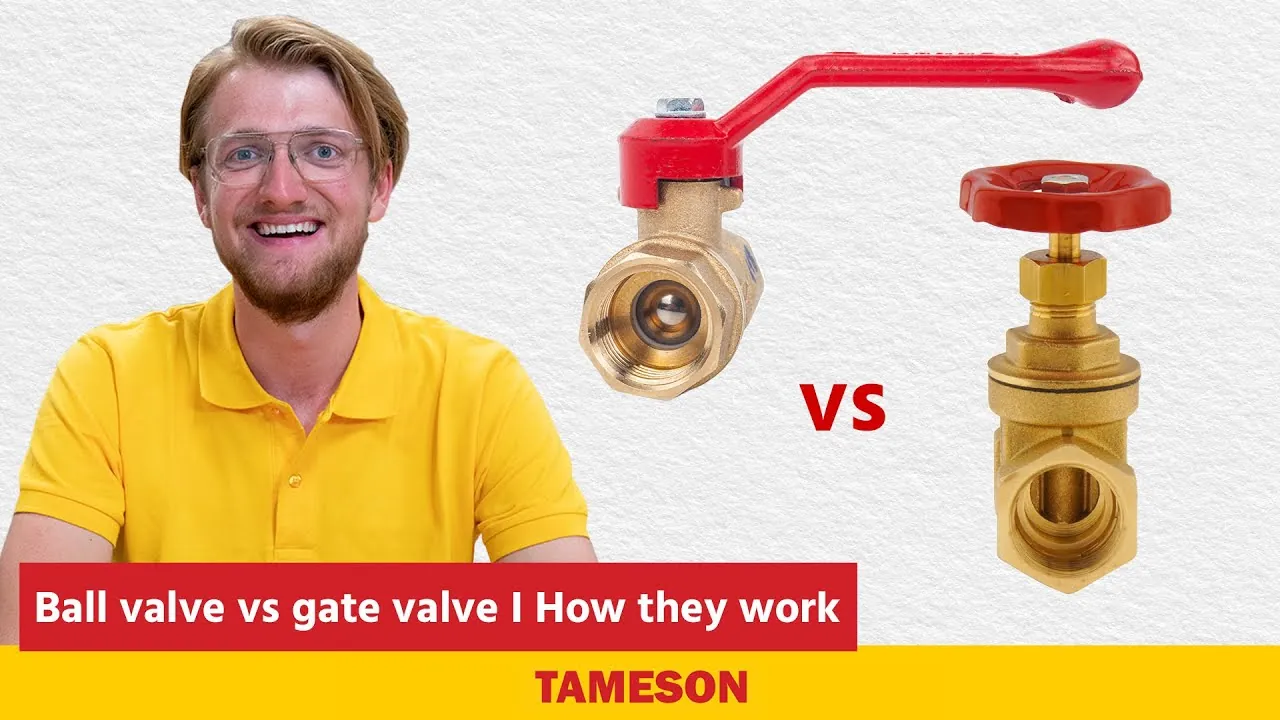
Regardless of the valve type, you must ensure the pressure rating matches your system requirements. Always verify the maximum pressure and temperature limits stamped on the valve body or listed in the product manual. Installing a valve that can’t handle your system’s peak pressure is a major mistake that leads to leaks or catastrophic pipe bursts.
Check the pipe orientation before tightening any fittings. Most valves feature a flow direction arrow cast into the exterior metal. If you install the valve backward, the internal pressure will force the seat against the flow, preventing a proper seal and potentially damaging the internal mechanism.
Before you begin, shut off the main water supply to the entire building to avoid flooding. Use the correct thread sealant or tape for your pipe material to ensure a tight, leak-free connection. Apply the tape in the direction of the threads to prevent it from bunching up during installation.
If you’re working with gas lines or high-pressure steam, this isn’t a do-it-yourself job; hire a licensed plumber to ensure the work complies with local building codes. A failed seal on a gas line creates an immediate explosion risk that standard plumbing tape can’t mitigate. Always test your connections with a soapy water solution before restoring full pressure to the system.
Related guides
Frequently asked questions
Can I use a gate valve to control flow speed?
No, you should never use a gate valve for throttling. Doing so will cause the metal gate to vibrate and wear out the internal seals, eventually leading to a permanent leak. Gate valves are designed to be either fully open or fully closed. If you need to adjust the flow rate, you must use a globe valve or a specialized control valve designed for that specific purpose.
How long does a ball valve last?
Most ball valves will last for a significant period depending on the quality of the material and the water chemistry.
Is it safe to replace a valve myself?
Yes, it’s safe for most homeowners to replace a standard water valve if they have the right tools and turn off the supply first. You’ll need a pipe wrench, thread sealant, and a bucket to catch remaining water. If you’re working on a main gas line or a high-pressure commercial system, you must contact a certified professional to avoid the risk of fire or injury.
What happens if I overtighten the valve?
Overtightening the valve can crack the valve body or damage the internal threads, which will cause a leak that’s very hard to fix. Always hand-tighten the connection first, then use a wrench to add only a quarter-turn more. If you see water dripping from the threads after installation, stop immediately and check if you used enough thread tape before trying to tighten it again.
Why is my valve stuck in the open position?
The valve is likely stuck because of mineral buildup or corrosion inside the valve body. Apply a penetrating oil to the handle base and let it sit for ten minutes before trying to move it again.
Conclusion
Before you finalize your purchase, take a moment to check your pipe diameter and the frequency of use your system requires. It’s worth double-checking your local plumbing codes to ensure you’re meeting all safety standards. You’ll find that picking the right hardware today saves you from plenty of costly headaches later on.