
If your garage cable broke, you must stop using the door immediately to prevent serious injury or property damage. Keep everyone away from the garage area and don’t try to manually force the door open, as the tension remaining in the springs can cause the door to fall or snap back violently.
Stop the door from moving
Disconnect the automatic opener by pulling the red emergency release cord hanging from the track. This action physically disengages the trolley from the drive chain, ensuring that a remote signal or a timer can’t trigger the motor while you’re working.
Place a heavy object, such as a concrete block or a fully loaded toolbox, directly in front of the door. This creates a physical barrier that prevents the door from sliding upward if the springs are still under tension. Don’t rely on the door’s own weight to keep it stationary.
If the door is partially open, secure a sturdy C-clamp or locking pliers onto the track just below the bottom roller. Tighten the clamp until it bites into the metal, creating an immovable stop. If you lack a clamp, drive a large nail or bolt through the track hole above the roller.
Warn every household member that the garage is strictly off-limits. A common mistake is assuming others know the door is compromised, which can lead to someone accidentally engaging the opener. If you hear a loud snap or see a cable fraying, vacate the area immediately. These signs indicate a spring failure that requires professional intervention.
Why garage door cables snap
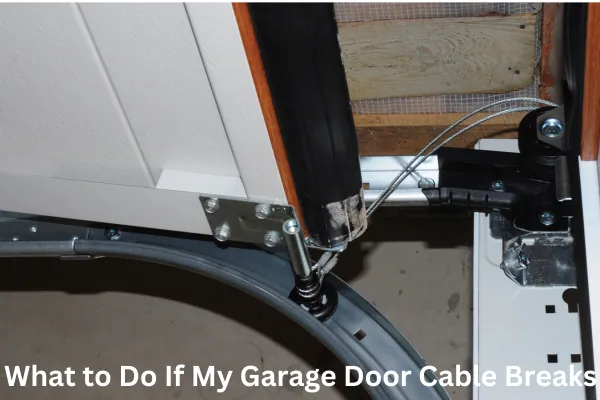
A garage door operates under extreme tension to balance the heavy weight of the door panels. The cables connect the bottom of the door to the spring system, which provides the lifting force. When a cable wears out, it’s usually due to frayed metal strands caused by constant friction against the rollers or the drums. Once one strand breaks, the others quickly lose their integrity and snap under the load.
Inspect the cable near the bottom bracket every six months. If you see more than three broken strands within a single inch of the cable, replace the entire set immediately. A cable with visible fraying has already lost at least 20 percent of its tensile strength.
Corrosion is the second most common reason for failure. If you live in a humid area or near the coast, salt and moisture can rust the steel cables from the inside out. You might not see the damage until the cable fails completely. The Consumer Product Safety Commission warns that homeowners should never attempt to adjust or replace high-tension components themselves because the sudden release of spring energy is a major cause of household accidents.
Many homeowners mistakenly lubricate the cables with standard grease. This is a critical error. Grease attracts grit and debris, which acts like sandpaper against the steel strands, accelerating the fraying process. Use only a silicone-based spray if you must treat the mechanism, though dry cables are generally safer.
If your door is crooked or hangs lower on one side, it’s a clear sign that a cable has already failed or slipped off its drum. If you notice this, don’t attempt to lift the door by hand. The remaining cable is now carrying double the load and could snap at any moment, causing the door to drop and potentially crush anything in its path.
If the door refuses to open, check the drum at the top of the track. If the cable is loose and hanging in a loop, it has slipped due to a lack of tension. Never try to wind the cable back onto the drum while the spring is engaged. Call a professional who has the specialized winding bars required to safely neutralize the spring tension before making any adjustments.
Quick checks for cable damage
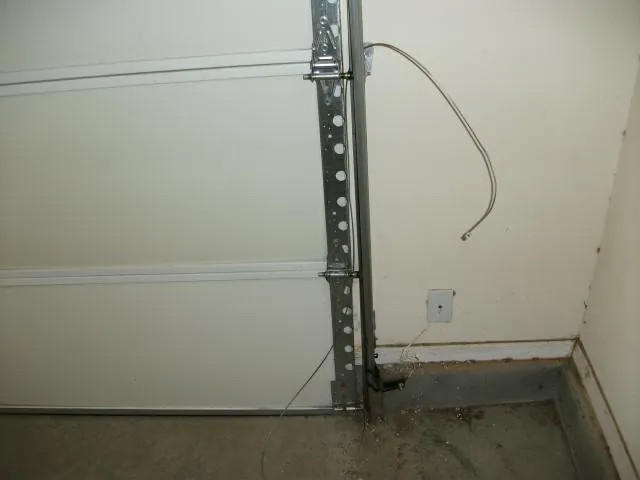
You can safely inspect the system by looking at the components without touching the high-tension areas.
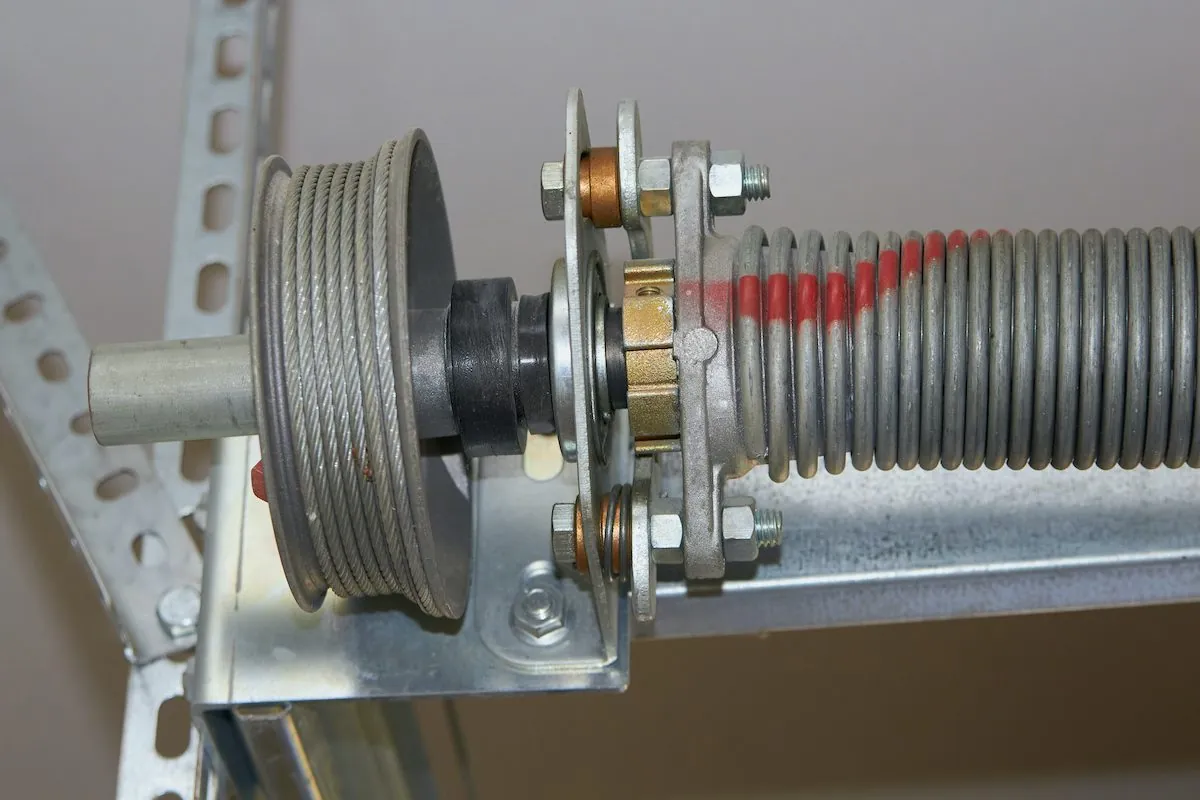
Check the cable drums
Look at the grooved cylinders at the top of the door. The cable should be wrapped neatly in the grooves; if it’s loose or dangling, the cable is likely broken or has jumped off the track.
Inspect the cable strands
Use a flashlight to look for “fishhooks,” which are tiny broken wires sticking out of the cable. A healthy cable looks smooth, while a failing one looks fuzzy or frayed.
Examine the bottom brackets
Check where the cable attaches to the bottom of the door. If the bracket is bent or the loop is stretched, the cable may have lost its proper tension.
Look for rust spots
Check the entire length of the cable for orange or brown discoloration. Rust weakens the steel, meaning the cable will snap much sooner than its expected lifespan.
Repairing a broken cable
Replacing a cable involves specialized tools to wind or unwind the torsion springs safely. You must first secure the door in the closed position using C-clamps on the tracks to ensure it can’t move. A professional will use a winding bar to release the tension from the spring system before removing the old cable from the drum. They will then thread the new cable, ensuring it matches the exact diameter and length required for your specific door model and weight.
Never attempt this repair if your spring system is mounted directly above the center of the door. These systems store enough kinetic energy to cause catastrophic injury if a spring snaps or a winding bar slips. If you see a red warning tag on your spring assembly, leave the work to a certified technician.
When selecting a replacement, match the cable’s strand count and thickness to your manufacturer’s specifications. A cable that’s too thin will fray under the constant friction of the drum, while one that’s too thick will bind and cause the opener to stall. Always replace both cables at the same time, even if only one has snapped. The surviving cable has endured the same fatigue and will likely fail within a few weeks.
Once the new cable is installed, the professional must re-tension the springs to balance the door. A properly balanced door should stay in place when you open it halfway. If you notice the door is still difficult to lift or slams down, the tension isn’t set correctly.
If the problem returns within a week, it often means the cable wasn’t seated properly in the drum or the spring tension is uneven, which requires an immediate follow-up adjustment. If the door drifts downward, increase the tension; if it pulls upward, decrease the tension. Never adjust more than a quarter-turn at a time to avoid over-tensioning the springs.
When to call a professional
You should never attempt to replace a garage door cable yourself if your door uses a torsion spring system mounted above the door. These springs are under extreme, constant tension and can cause severe injury or death if handled without the proper training and specialized winding bars. This work is strictly for a qualified garage door technician who carries the correct insurance and safety equipment.
If you’re unsure which system you have, look at the top of the door. Torsion springs are mounted on a metal shaft directly above the opening. Extension springs run parallel to the side tracks. If you see springs running along the sides, you might be tempted to fix the cable yourself, but the tension remains high enough to snap a finger or shatter a windshield if the cable slips.
When you call a professional, provide the make and model of your door and specify the spring type. A technician will typically inspect the condition of your rollers and the integrity of the spring mounting brackets during the visit. If you see any signs of rust on the springs or if the rollers are worn down to the metal, ask the technician to replace those parts at the same time. This prevents a second service call for related issues.
Most technicians charge a flat trip fee that’s quite modest. Replacing the rollers while they’re already there adds only the cost of parts, saving you that entire trip fee later. If the door hangs unevenly by more than an inch when closed, don’t wait for a cable to snap. That imbalance puts lethal stress on the remaining hardware. Call immediately to avoid a total system collapse.
Related guides
- Garage Door Cable Came Off Drum: How to Fix It Safely
- 9 Best Portable Air Conditioners for Garage Cooling Picks
- Chamberlain Garage Door Opener Troubleshooting: Easy Fixes
Frequently asked questions
Is it safe to open the garage door with one cable broken?
No, it’s never safe to operate a door with a broken cable. The door will likely become crooked, jam in the tracks, or fall suddenly because the balance mechanism is gone.
How much does it cost to fix a broken cable?
The cost is typically quite reasonable, depending on your location and the type of cable your door requires. This price assumes a standard residential door; larger or custom-weight doors may require heavier-duty cables that increase the total cost of the parts and labor.
How long does a garage door cable last?
One cycle is defined as one full opening and one full closing; if you use your garage multiple times a day, you’ll reach this limit much faster than a household that rarely uses the garage.
Can I just tie the broken cable back together?
No, you can’t repair a broken cable by tying it, as the knots won’t fit in the drum and will snap under the tension of the door. A broken cable must always be replaced with a new, continuous steel cable that meets the manufacturer’s specifications for strength and length.
Why did my cable snap suddenly?
Cables snap due to metal fatigue from thousands of cycles or corrosion from moisture in the garage environment. If your door was heavy or noisy for a long time before the snap, the cable was likely grinding against the track or a misaligned roller, which accelerated the wear until the steel strands finally gave way.
Does it matter if I replace just one cable?
Yes, it’s standard practice to replace both cables at the same time even if only one has broken. The second cable has likely endured the same amount of wear and stress, meaning it’s also near the end of its life and will likely fail shortly after the first one.
Conclusion
Since these cables hold immense tension, it’s best to leave the repair to a qualified professional. They’ll have the right tools to replace the parts safely and get your door moving smoothly again. Don’t risk your safety by trying this yourself; reach out to a local expert today to schedule a quick fix.
