
Have you noticed a strange burning smell coming from your Comfort Zone heater? That smell can be unsettling, and you might be wondering if it’s safe to keep using it.
You’re not alone—many people face this issue and want quick answers. You’ll discover why your heater smells like burning, what risks to watch out for, and simple steps you can take to fix the problem. Keep reading to protect your home and enjoy warmth without worry.

Credit: comfortzone.cool
Common Causes Of Burning Smell
A burning smell from a Comfort Zone heater is a warning sign. It usually means something is wrong inside the unit. Knowing the common causes helps you act fast. This prevents damage or safety risks. Here are the main reasons your heater might smell like it is burning.
Dust Accumulation
Dust can build up inside the heater over time. When the heater runs, the dust heats up. This causes a burning smell. Dust on the heating elements or fan blades is often the culprit. Regular cleaning can stop this problem. It keeps your heater safe and smelling fresh.
Electrical Issues
Faulty wiring or loose connections create heat. This heat causes a burning or melting smell. Electrical problems can be dangerous. They may cause sparks or fires. Check for damaged wires or smells that get worse. Call a professional if you suspect electrical trouble.
Overheating Components
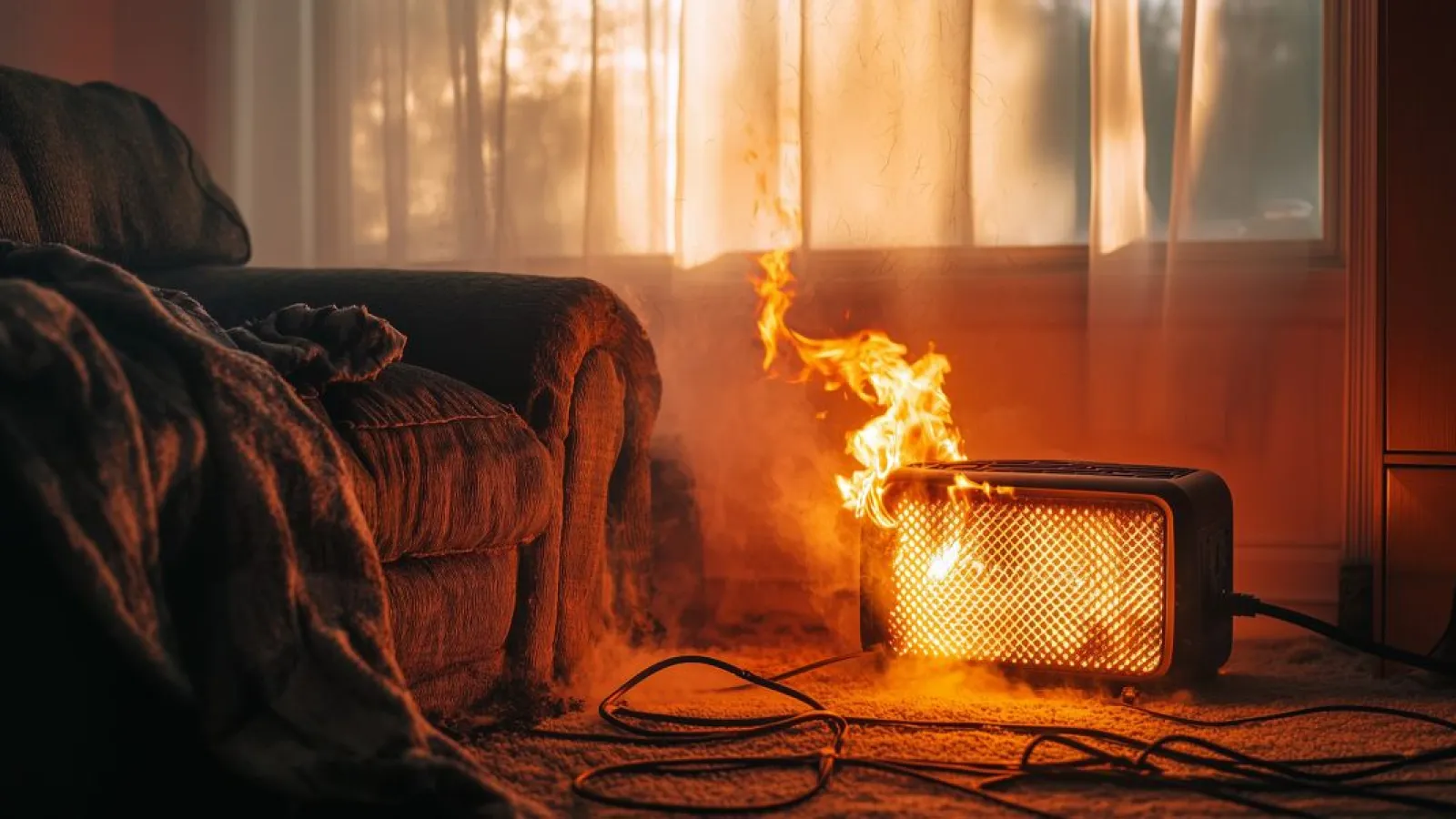
Heater parts can overheat if they fail or get blocked. Overheating causes plastic or metal parts to emit a burning odor. This happens when the thermostat or internal sensors break. Overheating can damage the heater and create a fire hazard. Turn off the heater and inspect it carefully.
Blocked Air Vents
Air vents must stay clear for proper airflow. Blocked vents cause heat to build up inside. Heat buildup leads to a burning smell. Dust, furniture, or curtains can block vents. Always keep vents open and clean. This helps your heater work safely and efficiently.
Safety Precautions To Take
Noticing a burning smell from your Comfort Zone heater calls for careful action. Safety must come first to avoid accidents or damage. Follow these steps to protect yourself and your home.
Unplugging The Heater
Always unplug the heater immediately. Disconnecting power stops any electrical issue. It prevents further overheating or fire risk. Never touch the heater if it feels hot or sparks.
Avoiding Use Until Inspected
Do not use the heater until a professional checks it. Continuing to use it may worsen problems. A certified technician can find hidden faults. Waiting is safer than risking injury or fire.
Checking For Visible Damage
Look over the heater carefully for signs of damage. Check the cord for frays, cuts, or burn marks. Inspect the heater body for cracks or discoloration. Visible damage often signals an internal problem.
Quick Fixes To Try
Experiencing a burning smell from your Comfort Zone heater can be worrying. Some quick fixes can help you solve this problem safely and fast. These simple steps often stop the smell without needing expert help.
Try these easy actions to make your heater safe again. Each step focuses on a common cause of burning smells. Follow them carefully to protect your home and family.
Cleaning The Heater
Dust and dirt inside the heater can cause burning smells. Turn off and unplug the heater first. Use a soft cloth or brush to clean vents and surfaces. Remove dust buildup from heating elements carefully. Clean heaters work better and smell fresh.
Resetting The Unit
Sometimes, the heater needs a reset to clear errors. Locate the reset button or switch on the unit. Press and hold it for a few seconds. Let the heater cool down before restarting. This can fix minor electrical issues causing smells.
Inspecting And Replacing Filters
Dirty or clogged filters block airflow and cause overheating. Check the filter for dirt or damage. Remove and clean reusable filters according to the manual. Replace disposable filters with new ones. Clean filters keep air flowing and prevent burning odors.
Ensuring Proper Ventilation
Poor ventilation traps heat and causes smells. Place the heater in a well-ventilated room. Keep vents and airways clear of furniture or curtains. Open windows if possible to improve airflow. Good ventilation helps the heater run cool and safe.

Credit: www.amazon.ie
When To Call A Professional
Not all heater smells require a professional. Some issues clear up after cleaning or resting the heater. But certain signs show serious problems. These need expert help to keep your home safe. Knowing when to call a professional can save you time and risk.
Persistent Burning Smell
A heater may smell like burning at first use. Dust inside burns off with a short smell. But if the burning smell stays longer, it signals trouble. Continuous burning odor means parts may be overheating or damaged. Stop using the heater and contact a technician.
Electrical Sparks Or Smoke
Sparks or smoke near the heater are urgent warnings. These signs suggest electrical faults or short circuits. Using the heater can cause fire or electric shock. Turn off the heater immediately and unplug it. Call a professional to inspect and fix the issue.
Heater Not Functioning Properly
Heater running but not warming the room well is a concern. Strange noises or frequent shutting off also point to problems. Faulty heating elements or wiring may cause these issues. A professional can diagnose and repair the heater safely.
Preventive Maintenance Tips
Preventive maintenance keeps your Comfort Zone heater running safely and smoothly. It helps stop burning smells before they start. Regular care lowers risks and extends the heater’s life. Simple steps make a big difference in safety and comfort.
Regular Cleaning Schedule
Dust and dirt cause burning smells in heaters. Clean the heater often to avoid this problem. Use a soft cloth or vacuum to remove dust. Clean vents and grills carefully. Avoid water or harsh cleaners that can damage the heater.
Safe Storage Practices
Store the heater in a dry, cool place when not in use. Keep it away from flammable materials and moisture. Cover the heater with a cloth to protect it from dust. Proper storage prevents damage and burning odors.
Routine Inspections
Check the heater before every use. Look for frayed wires, loose parts, and dust build-up. Ensure the power cord is in good condition. Test the heater’s function to catch issues early. Fix problems immediately to avoid burning smells.
Credit: www.estesair.com
Frequently Asked Questions
Why Does My Comfort Zone Heater Smell Like Burning?
The burning smell often comes from dust burning off the heating element. This usually happens when the heater is used after a long time.
Is The Burning Smell From My Heater Dangerous?
A small burning smell is normal at first use and is not harmful. But strong or continuous smells may mean a problem and need checking.
How Can I Stop My Comfort Zone Heater From Smelling Burnt?
Clean the heater regularly to remove dust and debris. Also, avoid covering the heater or blocking airflow to prevent overheating.
Should I Turn Off My Heater If It Smells Like Burning?
Yes, turn off the heater immediately if the burning smell is strong or lasts long. This helps avoid fire hazards and damage.
When Should I Call A Professional For My Heater’s Burning Smell?
Call a professional if the burning smell continues after cleaning. Also, seek help if you see smoke or hear unusual noises.
Conclusion
A burning smell from your Comfort Zone heater signals a problem. Turn off the heater right away to stay safe. Check for dust buildup or nearby objects causing the smell. Regular cleaning helps prevent issues like this. If the smell continues, get a professional to inspect it.
Never ignore unusual odors from your heater. Taking quick action protects your home and family. Stay alert and keep your heater in good shape for warm, safe comfort.