
As an Amazon Associate, we earn from qualifying purchases. This post contains affiliate links – if you buy through them, we may earn a commission at no extra cost to you.
Finding the best pollinator for rainier cherry tree setups depends on your local climate, available garden space, and your goals for fruit production. Because cherry trees aren’t self-fertile, they require a compatible partner to bloom at the same time and exchange pollen. These selections differ primarily in their hardiness zones, growth habits, and the specific flavor profile of the fruit they provide. If you want a standard, high-yield orchard partner, the American Plant Exchange Bing is a common choice, whereas those seeking a reliable, vigorous grower often look toward the Black Tartarian Cherry Tree.
1. American Plant Exchange Cherry Tree ‘Bing’
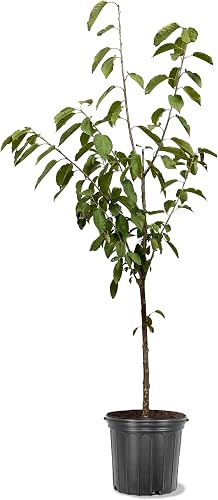
Best for: Gardeners who want a classic, sweet cherry variety for fresh eating.
This tree requires another cherry variety for cross-pollination. It produces large, dark red fruit and reaches a mature height of 15-25 feet, making it a significant addition to any home orchard. Its fragrant white spring blossoms attract bees, which are necessary for the pollination process.
Because it requires a pollinator, it works well as a partner for your existing trees, provided your region falls within USDA zones 5-8. It thrives in full sun and requires well-drained soil to reach its full productive potential. This tree isn’t for small spaces where a 25-foot canopy might overwhelm the surrounding landscape.
Good if:
- You have enough space for a tree that reaches 25 feet.
- You enjoy dark red cherries for baking and preserving.
- You live in a climate within USDA zones 5-8.
Skip it if:
- You have a very small backyard or patio.
- You live in an area colder than zone 5.
2. Black Tartarian Cherry Tree

Best for: Someone who needs a vigorous, reliable tree to act as a primary pollinator.
The Black Tartarian is an immense bearer and is mainly used as a pollinizer for most varieties. Its upright growth habit makes it a practical choice for yards where you want to maximize vertical space. The tree is grafted and arrives as an established specimen, which helps it settle into the landscape quickly.
This variety is noted for being one of the hardiest sweet cherries available, surviving in USDA zones 4 through 8. It provides a bounty of heart-shaped, purplish-black fruit that’s both juicy and sweet. This tree isn’t for those who want a dwarf variety, as it’s a vigorous grower that can reach 15 feet in height and width.
Good if:
- You need a highly reliable pollinator for other cherry trees.
- You live in a cooler climate as low as zone 4.
- You want a tree that provides both ornamental beauty and fruit.
Skip it if:
- You can’t accommodate a tree that grows 15 feet wide.
- You prefer yellow or light-colored cherries over dark ones.
3. American Plant Exchange Cherry Tree ‘Black Republican’

Best for: Growers who want a unique, heirloom-style cherry with a complex flavor.
This variety produces small to medium-sized, deep red-black cherries that offer a tangy-sweet flavor profile. It’s a mid-season producer that fits well into a diverse orchard, blooming in early spring to attract pollinators. Like other sweet cherries, it requires a partner to ensure a successful harvest.
It’s well-suited for USDA zones 5-8 and prefers the standard conditions of full sun and well-drained soil. It produces small to medium-sized cherries.
Good if:
- You prefer a tangy-sweet flavor for your preserves.
- You want a mid-season harvest to complement other varieties.
- You’re creating an edible landscape with heirloom appeal.
Skip it if:
- You only want the largest fruit possible for fresh eating.
- You live outside of the recommended USDA hardiness zones.
Where These Overlap
All three of these options serve the same essential purpose: providing the cross-pollination necessary for your Rainier cherry tree to produce fruit. Each requires full sun and well-drained soil to thrive, and all three are compatible with various cherry varieties to ensure a productive season. If you’re in USDA zones 5-8, you have the most flexibility, as all three options will grow well in those conditions. The choice between them comes down to whether you prefer the classic sweetness of the Bing, the hardy vigor of the Black Tartarian, or the tangy, heirloom-style flavor profile of the Black Republican.
Still Not Sure?
How much space do I actually have?
If you have a large backyard, the American Plant Exchange Bing or the Black Tartarian are suitable choices that provide high yields. However, if space is limited, remember that these trees can reach heights of 20 to 30 feet. Always measure your planting site before choosing the Black Tartarian.
What is my local climate like?
Your USDA hardiness zone is the most important factor for success. If you live in a colder region like zone 4, the Black Tartarian Cherry Tree is your best bet because it’s specifically noted for that level of cold tolerance. Otherwise, zones 5-8 offer more variety for your selection.
What do I want to do with the fruit?
Think about how you use cherries. If you love fresh eating, the American Plant Exchange Bing is a classic favorite. If you prefer baking and want a tangy, complex flavor, the American Plant Exchange Black Republican provides a unique, flavorful crop that stands out in recipes.
Related guides
Frequently Asked Questions
What does the tree need to thrive once it’s planted?
All these trees require a location with full sun and well-drained soil to remain healthy.
How do I ensure my trees pollinate each other?
Pollination relies on timing and proximity. You must ensure that the blooming periods of your trees overlap in early spring. Planting your trees within a reasonable distance of each other allows bees and other insects to move easily between the fragrant blossoms, which is essential for successful cross-pollination.
What happens when the tree matures?
As these trees mature, they become large, productive specimens. You’ll need to manage their size through pruning if you want to keep them within a specific height. The listing doesn’t mention the specific maintenance required to ensure continued fruit production.
Should I have chosen a different variety instead?
The more capable or hardy variety would have been better if you live in a zone 4 climate, where only the Black Tartarian is suitable. If you have plenty of room for a large, productive tree, the American Plant Exchange Bing produces sweet, dark red cherries.
Final Thoughts
Choosing the right partner tree is a rewarding investment that will pay off with years of delicious harvests. Once you’ve picked your favorite variety, check your local nursery’s inventory to see what’s available for planting this season. You’ll be enjoying fresh, homegrown cherries from your own backyard before you know it.