
For most homeowners, a bidet attachment is the better choice because it’s affordable and fits almost any existing toilet, though a bidet seat is the superior option if you want features like heated water or a warm seat. You’ll find that choosing between a bidet attachment vs bidet seat often comes down to your budget and the level of comfort you expect from your bathroom fixtures.
Comparing bidet options for your bathroom
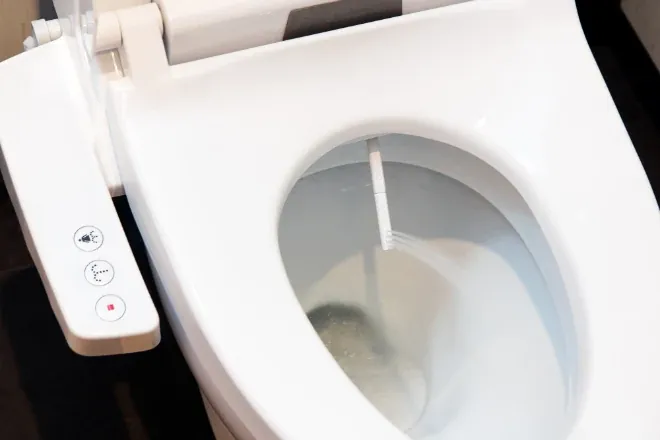
When you look at these two methods, you must consider how much space you have and what you’re willing to spend. An attachment is a thin plate that sits under your current seat, while a seat replaces the entire lid assembly.
| Method | How long | Effort | Cost | Best for |
|---|---|---|---|---|
| Bidet attachment | 20-30 mins | Low | Low | Budget users |
| Bidet seat | 45-60 mins | Medium | High | Comfort seekers |
| Handheld sprayer | 30-40 mins | Medium | Low | Simple cleaning |
If you have a standard toilet, an attachment is easy to install. However, if you want a premium experience with warm air drying, a full bidet seat is the standard choice. You should check your specific toilet dimensions before buying, as some elongated or round bowls require specific shapes to ensure a proper fit.
Measure the distance from your bolt holes to the front of the bowl. If this measurement is less than 16.5 inches, you likely have a round bowl; anything longer requires an elongated model. Ignoring this leads to a seat that overhangs the porcelain, creating a weak point that cracks under pressure.
If your bathroom lacks a nearby electrical outlet, skip the luxury seats. You can’t safely run an extension cord across a wet floor. In this case, choose a non-electric attachment that uses your existing cold water line. It provides the same hygiene benefits without the fire hazard or the need for a professional electrician.
Installing a simple bidet attachment
This method works by diverting water from your existing supply line directly to a nozzle mounted under the seat. It’s a great way to upgrade your bathroom without buying new furniture.
- Turn off the water supply valve behind the toilet and flush to empty the tank.
- Disconnect the flexible water hose from the tank and attach the provided T-valve adapter.
- Place the bidet attachment on the bowl, aligning it with the seat mounting holes.
- Reattach the seat on top of the attachment and tighten the bolts firmly.
- Connect the small hose from the T-valve to the bidet inlet and turn the water back on.
This setup is ideal for renters because it’s non-permanent and cheap to remove. The main weakness is that most models use cold water, which can be a surprise on a chilly morning. If you live in an area with very hard water, you might find the nozzle needs cleaning based on your frequency of use, though you should always consult the owner’s manual for specific maintenance guidance.
Upgrading with a complete bidet seat
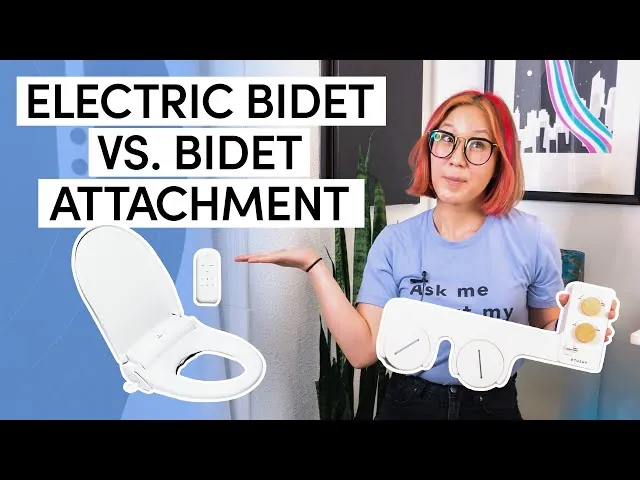
A bidet seat replaces your current lid and adds electronic controls for water temperature and pressure. It provides a more integrated look and feels just like a regular toilet seat.
Remove your existing toilet seat by unscrewing the two bolts at the back. Install the mounting bracket included with the bidet seat onto the bowl. Slide the electronic bidet seat onto the bracket until it clicks into place. Connect the water supply using the provided T-valve and the seat’s hose. Plug the seat into a nearby Ground Fault Circuit Interrupter (GFCI) outlet.
Before you buy, measure the distance from your toilet bowl to the nearest wall outlet. Most bidet power cords are only four feet long. If your outlet is further away, don’t use an extension cord; these aren’t rated for the high-moisture environment of a bathroom and pose a serious fire risk.
If your bathroom lacks a plug within reach, you must hire a licensed electrician to install a dedicated circuit. This is inexpensive relative to the alternative of replacing the entire fixture. Check your local building codes before starting, as some jurisdictions mandate that any new bathroom outlet must be on its own circuit to prevent tripping the main breaker when the bidet heater activates.
If your bowl measures less than 16.5 inches from the bolt holes to the front, ensure the seat is specifically labeled “round.” Installing an elongated seat on a round bowl leaves an unsightly overhang that causes the seat to flex and crack under weight.
Features of a handheld bidet sprayer
A handheld sprayer consists of a flexible hose and a nozzle, allowing you to direct a stream of water manually. Because it’s detached from the toilet fixture, it doubles as a high-pressure tool for rinsing the bowl or cleaning cloth diapers.
Shut off the water supply and drain the tank completely. Install the T-valve adapter between the wall valve and the toilet tank hose. Attach the sprayer hose to the open port on the T-valve. Mount the sprayer holder to the wall or the side of your tank using the included bracket. Turn the water on and check all connections for small leaks.
This method gives you total control over the spray angle and intensity. It’s the most compact option for bathrooms where space is at a premium. However, the device requires two hands to operate, which some find cumbersome compared to fixed nozzles.
If your sprayer features a thumb-trigger, you must learn to modulate pressure gently. A common mistake is pulling the trigger fully on the first use, which often results in water spraying over the rim and onto the floor.
If the water pressure in your home is high, install a flow-control valve to prevent the nozzle from leaking or bursting. If you have limited mobility in your wrists, look for models with a locking spray button to avoid constant tension while cleaning.
Choosing the right bidet for your home
When you’re in a hurry, a bidet attachment is the winner because it installs in under 30 minutes. If you’re doing this for the first time, an attachment is the best choice; it has the fewest parts and the simplest connection process. You only need a standard wrench to secure the T-valve to your existing water supply.
When you want the best result regardless of cost, a premium bidet seat is the clear winner. These units offer adjustable water temperature, heated seating, and air dryers. However, they require a dedicated GFCI-protected outlet within reach of the power cord. If your bathroom lacks this electrical access, the cost of hiring an electrician often exceeds the price of the bidet itself.
The trade-off is between mechanical simplicity and total comfort. An attachment is reliable but lacks temperature control, which can be jarring during winter months. If your bathroom is small or lacks power, stick to a non-electric attachment. If you have the space and the outlet, a seat is a superior long-term investment.
Avoid the mistake of buying a seat without measuring your toilet bowl’s bolt spread; most seats require a standard 5.5-inch spacing to fit securely. If your toilet has a unique French curve or non-standard bolt holes, an attachment is your only viable path.
Rules for all bidet installations
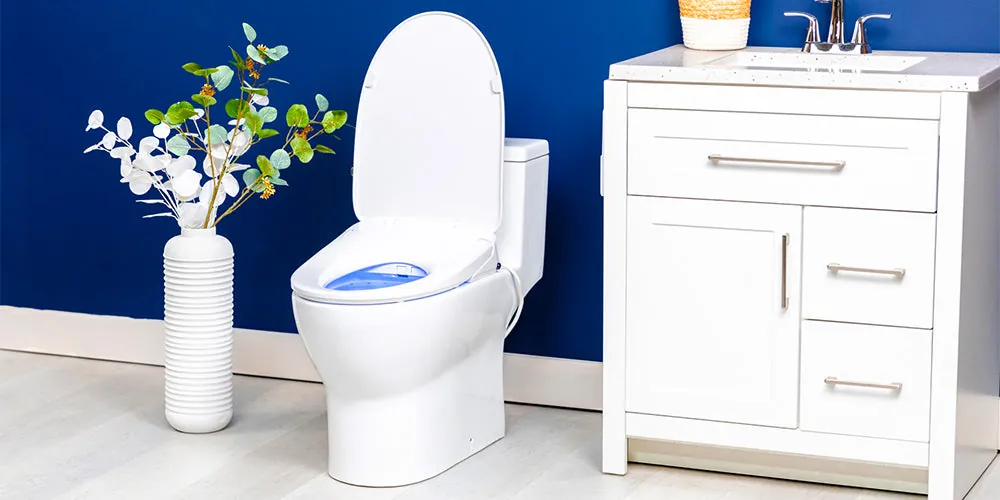
Regardless of the method you choose, always check for leaks after the first use. Place a dry paper towel under every connection point for 10 minutes to ensure no water is dripping. A small leak left unattended can cause significant floor damage over time. If you notice any water spraying from the wrong place, turn off the supply valve immediately and check that the rubber washers are seated correctly.
If you’re installing a model with a T-valve, ensure the rubber gasket is inside the female end before tightening. If you skip this, the connection will weep water even if it feels secure. You can tell if you have a bad seal by listening for a faint hissing sound after the water is turned back on.
For those who aren’t comfortable working with plumbing, it’s wise to consult a local plumber. If you force a connection, you risk stripping the threads on your plastic fill valve, which can lead to a costly repair. Ensure you have the right tools, like an adjustable wrench, before you begin. Always read the specific installation manual for your model, as water pressure requirements vary by brand. Tighten connections until snug, then add only a quarter turn more.
Related guides
Frequently asked questions
Can I install a bidet seat without a power outlet?
No, most bidet seats require a dedicated electrical outlet to power the water heater, seat warmer, and air dryer. You can’t safely use an extension cord in a bathroom environment due to the high risk of moisture exposure. If you don’t have a plug, you must either hire an electrician to install a GFCI outlet or choose a non-electric attachment instead.
How long does a bidet attachment last?
A high-quality bidet attachment will last for a significant period with proper maintenance. The lifespan depends on your local water hardness and how often you clean the nozzles. If you notice the pressure dropping, check the inlet filter for mineral deposits. You can typically extend the life of the unit by wiping the nozzle with a soft cloth and mild soap regularly.
Is it safe to use a bidet during pregnancy?
Yes, many people find that a bidet provides much-needed relief during pregnancy, but you should always use the lowest pressure setting. Consult your doctor if you have specific medical concerns or if you’re recovering from a procedure. Most manufacturers recommend using only the gentlest settings to avoid irritation, as your body may be more sensitive during this time.
What happens if the bidet leaks?
If you see water leaking, turn off the T-valve immediately to stop the flow. Check if the rubber O-rings are inside the hose connections, as these are easy to lose during installation. If the leak persists, you likely have a cracked fitting or cross-threaded connection. Never overtighten plastic parts with a wrench, as they can break easily under too much pressure.
How much water does a bidet use?
A standard bidet session uses about 0.1 to 0.2 gallons of water, which is significantly less than the amount of water required to manufacture a single roll of toilet paper. Using a bidet is generally considered more environmentally friendly than traditional methods. If you’re concerned about your water bill, you’ll find that the amount used is negligible compared to a standard shower or bath.
How do I clean my bidet nozzle?
You should clean the nozzle once a month using a soft brush and a mild, non-abrasive cleaner. Many modern bidet seats have a self-cleaning function that rinses the nozzle before and after each use, but this doesn’t replace manual cleaning. If you have an attachment, check if the nozzle is removable, as this makes it much easier to scrub away any buildup.
Conclusion
Ultimately, your decision depends on how much you’re willing to spend for a little extra luxury. Once you’ve decided which style fits your needs, check your toilet’s measurements to ensure a perfect fit. You’ll be glad you made the upgrade, as your daily routine is about to get much more comfortable.