
Ever found yourself staring at a used toilet seat cover, wondering if it can just go down the drain? We’ve all been there.
It seems like the easiest thing to do, right? But before you flush and forget, let’s get to the bottom of this common bathroom mystery. Is tossing that seat cover into the toilet really okay for your plumbing? Stick around, because what you learn might just save you a costly plumbing bill and a whole lot of hassle.
The Flushability Debate
The question of whether toilet seat covers are flushable sparks a lively debate. Many people toss them without a second thought. Others worry about plumbing problems. This topic raises many important points. Let’s explore the flushability debate.
Are All Seat Covers Created Equal?
Not all seat covers are the same. Some are paper-thin. Others feel thicker. Material matters a lot. This affects how they break down. Cheap paper might dissolve. Stronger materials might not.
What Happens When You Flush?
Flushing sends items into your pipes. They travel to the sewer system. If items do not break apart, they cause blockages. Toilet paper breaks down easily. Seat covers often do not.
The Plumbing’s Perspective
Plumbers see the real damage. They find clogged pipes often. These clogs come from many things. Non-flushable items are a big cause. Toilet seat covers are a common culprit. They create costly repairs.
Environmental Concerns
Flushing items impacts the environment. Waste treatment plants struggle. They are not designed for seat covers. This adds to pollution. It harms our waterways. Proper disposal is key.
The Verdict: To Flush Or Not To Flush?
Most toilet seat covers are not flushable. They can harm your pipes. They can also harm the environment. The safest choice is clear. Dispose of them in the trash. This protects your plumbing. It helps our planet too.
What’s In A Seat Cover?
What’s in a seat cover? You might think it’s simple. It covers the toilet seat. But there is more to it. Different covers exist. They use various materials. Understanding these materials helps. It answers the flushability question. Let’s explore what makes them up.
Paper Types
Toilet seat covers vary. Some are paper. They feel thin. They often tear easily. This paper is usually pulp. It comes from wood. Sometimes recycled paper is used. The paper needs to break down. This is important for flushing. Not all paper is the same. Some paper is stronger. It resists water better. This type might not dissolve well. It can clog pipes. Always check the packaging.
Material Composition
Seat covers are not just paper. Some use plastic. These are often not flushable. They do not break apart. Think of plastic bags. They stay whole for ages. Some covers mix materials. They might have paper and binders. Binders help hold it together. These binders can be tricky. They might not dissolve. Always look for “flushable” labels. This is the best guide. It tells you what to do. When in doubt, throw it away. Do not risk your plumbing.
The Plumbing Predicament
Flushing toilet seat covers seems easy. It can cause big problems. These covers are not designed for your pipes. They can create a plumbing nightmare.
How Toilets Work
Toilets use water power. Water fills the bowl. A flush valve opens. This releases water quickly. It pushes waste away. The waste goes into the sewer.
What Happens When You Flush
Normal waste dissolves. Toilet paper breaks down. It travels easily through pipes. Covers do not break down. They stay in one piece. This is a major issue.
The Risk Of Clogs
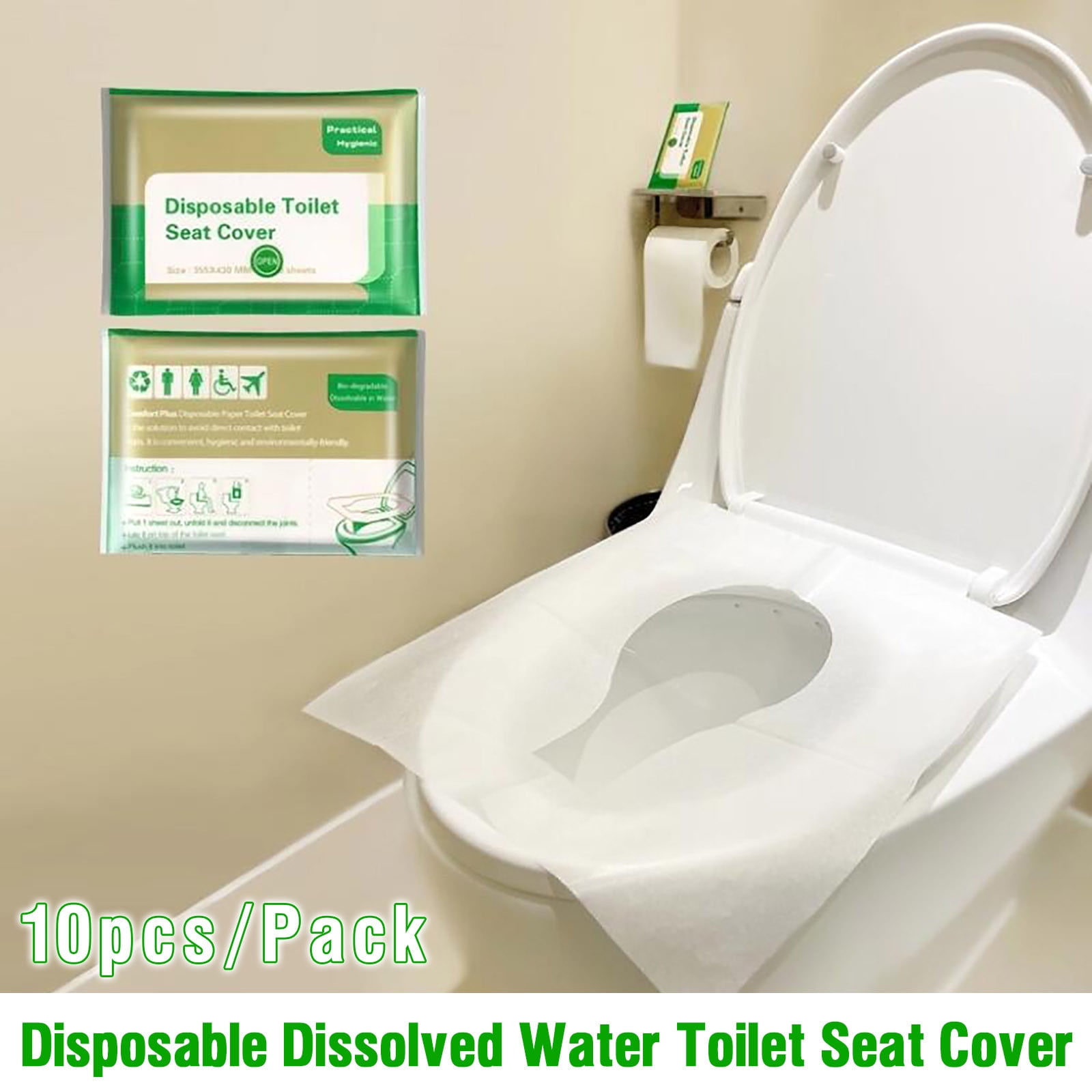
Covers are made of paper. This paper is strong. It does not disintegrate. It can get stuck in pipes. This creates a blockage. A clog stops water flow. It can cause overflows. This is a messy problem. Repairs can be expensive. Avoid flushing these covers.
Credit: www.walmart.com
Beyond The Toilet Bowl
What happens after the flush? It’s a mystery for many. Toilet seat covers go down. Where do they go? The journey continues. It’s not just about the bowl. Problems can arise. Let’s explore.
Septic System Strain
Septic systems handle waste. They are not designed for paper. Toilet seat covers are paper. They do not break down easily. This causes blockages. Your system can back up. Repairs are expensive. Protect your septic system. Keep covers out.
Wastewater Treatment Woes
Cities have treatment plants. These plants filter water. They remove solids. Toilet seat covers are solids. They clog machinery. This slows the process. It costs more money. Treatment plants struggle. They can fail. Proper disposal helps. Use the trash bin.
Alternatives To Flushing
Toilet seat covers are not flushable. They can clog your pipes. Dispose of them in the trash instead.
When thinking about toilet seat covers, the question of flushing often arises. Many people assume they are flushable. This is not always true. Some materials can clog pipes. This creates costly plumbing issues. Exploring alternatives is smart. It protects your plumbing system. It also offers easier cleanup.Proper Disposal Methods
Trash cans are the best option. Always use a trash bin. Dispose of used seat covers there. This prevents plumbing problems. It keeps your toilet clear. Regular trash collection handles it.Reducing Seat Cover Use
Consider skipping seat covers. Many people do not need them. They are often a personal choice. Think about your habits. Do you really need them? Using fewer covers saves resources. It also means less waste. Sometimes, a quick wipe is enough. A little toilet paper works well. It cleans the seat surface. This is a simple alternative. It reduces waste significantly.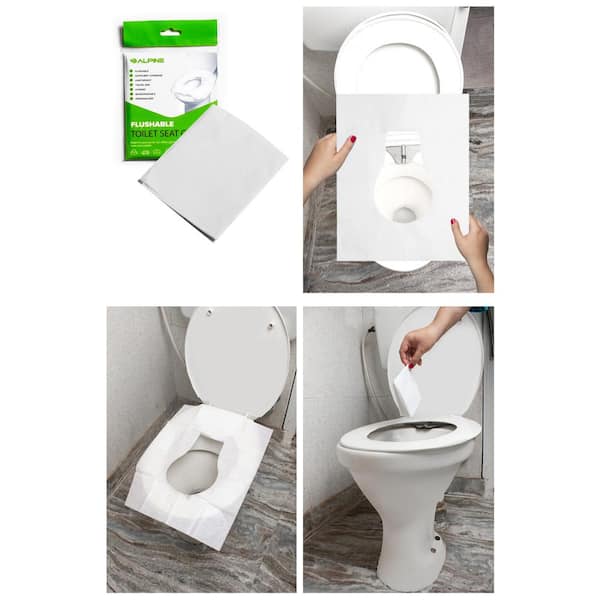
Credit: www.homedepot.com
When In Doubt, Don’t Flush
Sometimes, the simplest rule is the best. “When in doubt, don’t flush” is that rule. It protects your pipes. It helps the sewer system. It prevents costly repairs. This simple mantra saves trouble.
Why Avoid Flushing Unknowns?
Your toilet is not a trash can. It handles waste. It handles toilet paper. It does not handle everything else. Flushing wrong items causes blockages. These blockages are messy. They are also expensive to fix.
Toilet Seat Covers: A Common Culprit
Many toilet seat covers exist. Some are paper. Some are plastic. Paper ones might seem okay. They can still clog pipes. Plastic ones definitely do not break down. They create serious problems. They get stuck. They cause backups.
The ‘flushable’ Myth
Advertisers sometimes mislead. They say “flushable.” This word is tricky. It does not mean “easily flushable.” It means it might break down. It might not break down quickly. Your pipes need fast breakdown. Slow breakdown means trouble.
Protecting Your Plumbing
Your home’s plumbing is delicate. It is a closed system. Foreign objects disrupt flow. Toilet seat covers are foreign objects. They add bulk. They do not dissolve. They can snag. They can create dams. This stops waste flow.
The Sewer System’s Limits
Public sewer systems have limits. They are not designed for everything. Flushing non-standard items strains them. They can back up. This affects many homes. It is a community problem. Your actions matter to everyone.
When In Doubt, Trash It
The safest bet is clear. If you are unsure, do not flush. Throw it in the trash bin. This is the easy solution. It is the responsible choice. It keeps things flowing smoothly.

Credit: www.simplifyliving.us
Frequently Asked Questions
Can Toilet Seat Covers Go Down The Drain?
No, most toilet seat covers should not be flushed. They are often made of materials that do not break down. Flushing them can clog your pipes.
What Happens If I Flush A Toilet Seat Cover?
Flushing a seat cover can cause a serious plumbing issue. It might lead to a backed-up toilet. You may need to call a plumber to fix it.
Are Paper Toilet Seat Covers Flushable?
Paper seat covers are usually not flushable either. Even paper products need to dissolve well. These covers often don’t dissolve fast enough.
What Should I Do With Used Toilet Seat Covers?
Dispose of used seat covers in the trash bin. This is the safest way to get rid of them. It prevents any plumbing problems.
What Are Toilet Seat Covers Made Of?
Seat covers are often made of paper or plastic. Some might have a thin plastic coating. These materials do not break apart easily in water.
Are There Flushable Toilet Seat Covers Available?
Some specialized toilet seat covers are flushable. They are made to dissolve quickly in water. Always check the packaging before flushing.
How Can I Avoid Toilet Clogs From Seat Covers?
Always throw used seat covers in the trash. Never assume they can be flushed. This simple habit saves plumbing headaches.
Conclusion
So, can you flush toilet seat covers? Generally, no. Most covers are not designed for your toilet. They can clog your pipes. This causes big problems. Always check the packaging first. When in doubt, throw them away. Dispose of them in the trash bin.
Protect your plumbing system. It’s the safest choice.