
Are you looking to keep your pool warm and comfortable all year round? Choosing the right heat pump can make a big difference in how enjoyable your swimming experience is.
When it comes to Aquacal vs Hayward heat pumps, you might feel stuck deciding which one fits your needs best. This guide will help you understand the key differences, so you can make a smart choice that saves you money and keeps your pool at the perfect temperature.
Keep reading to find out which heat pump is the winner for your pool!
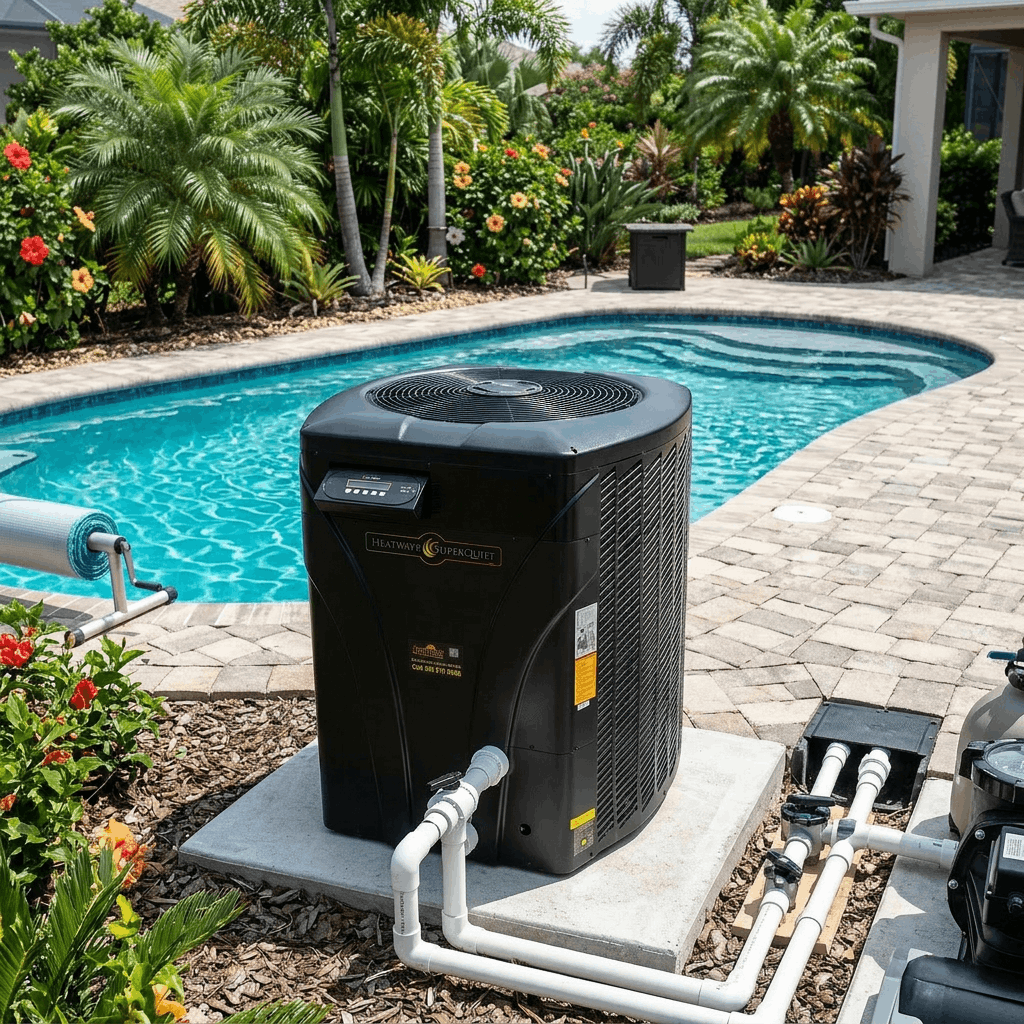
Credit: nonstopswim.com
Heat Pump Basics
Heat pumps are popular devices used to warm pools efficiently. They transfer heat from the air to the water. This makes them energy-saving and cost-effective. Understanding how they work helps in choosing the right model.
Both Aquacal and Hayward offer reliable heat pumps. Knowing the basics of heat pumps is important before comparing them. It helps you decide which fits your needs better.
How Heat Pumps Work
Heat pumps use a simple process to heat pool water. They pull warm air from outside. Then, they use a compressor to raise the air temperature. This heat transfers to the pool water through a heat exchanger. The water warms up without burning fuel. This method uses less electricity than traditional heaters.
Benefits Of Using Heat Pumps
Heat pumps save energy and reduce pool heating costs. They work well in mild or warm climates. These pumps produce steady heat for a comfortable swim. They also last long with proper care. Quiet operation is another plus. Heat pumps help keep your pool warm all season.
Aquacal Heat Pumps
Aquacal heat pumps are popular for heating pools and spas. They use advanced technology to keep water warm efficiently. Many homeowners choose Aquacal for its quiet operation and long lifespan. The brand offers various models to fit different pool sizes and climates.
Aquacal heat pumps combine smart design with reliable performance. They focus on saving energy and reducing costs. This makes them a solid choice for those wanting to enjoy warm water without high bills.
Key Features
Aquacal heat pumps have titanium heat exchangers that resist corrosion. They run quietly, making them great for residential areas. The units include digital controls for easy temperature setting. Many models have built-in defrost systems to work in cold weather. Compact designs fit small spaces without trouble.
Energy Efficiency
Aquacal heat pumps use less electricity than traditional heaters. They transfer heat from the air to the water, not create heat. This method cuts energy use significantly. Their high energy efficiency ratings lower your monthly bills. Efficient operation also means less impact on the environment.
Performance And Reliability
Aquacal heat pumps deliver consistent heating throughout the season. They perform well even in cooler temperatures. The durable construction ensures long-term use without frequent repairs. Many users report reliable service for over ten years. Regular maintenance keeps performance stable and efficient.
Hayward Heat Pumps
Hayward heat pumps are a popular choice for pool heating. They offer solid performance and reliable operation. Many pool owners trust Hayward for their heating needs. These heat pumps are designed to work well in different climates. They provide warm water efficiently and quietly.
Let’s explore what makes Hayward heat pumps stand out. We will look at their key features, energy efficiency, and how well they perform over time.
Key Features
Hayward heat pumps come with easy-to-use controls. They have a digital display for temperature settings. Most models include a corrosion-resistant cabinet to last longer. The units operate quietly, which is good for home use. Some models have a titanium heat exchanger for durability. These features help keep your pool warm without much hassle.
Energy Efficiency
Hayward heat pumps use energy wisely to save money. They have a high coefficient of performance (COP). This means they produce more heat for less electricity. The units adjust power based on the outside temperature. This helps avoid wasting energy. Efficient heating reduces your utility bills over time.
Performance And Reliability
Hayward heat pumps perform well in many weather conditions. They start heating quickly and maintain steady water temperature. These pumps are built with strong materials to resist wear. Regular maintenance keeps them running smoothly. Many users report long-lasting service without major issues.
Comparing Energy Efficiency
Energy efficiency is a key factor for anyone choosing a heat pump. It affects how much power the unit uses and the impact on your bills. Comparing the Aquacal and Hayward heat pumps reveals their strengths in saving energy. Understanding their efficiency can help you pick the best option for your home or pool.
Seer And Cop Ratings
SEER stands for Seasonal Energy Efficiency Ratio. It measures how well the heat pump cools over a season. Higher SEER means better cooling efficiency. The Aquacal heat pump usually has a SEER rating around 16 to 18. Hayward models often range between 15 and 17. Both offer solid cooling performance.
COP means Coefficient of Performance. It shows how much heat the pump produces for each unit of electricity used. A higher COP means more heat with less power. Aquacal heat pumps can reach a COP of 5.0 or higher. Hayward heat pumps typically have a COP around 4.5 to 5.0. Both perform well for heating, but Aquacal may have a slight edge.
Operating Costs
Operating costs depend on energy efficiency and local electricity rates. Heat pumps with better SEER and COP use less power. This lowers monthly bills. Aquacal pumps often save more energy, reducing costs over time. Hayward units still offer reasonable energy use and affordable operation.
Maintenance and repair can affect total costs too. Both brands have reliable designs, but Aquacal’s efficiency can lead to fewer hours running. This may cut down wear and tear. Lower energy use also means less strain on your wallet each month.
Durability And Build Quality
Durability and build quality are key factors for any heat pump. These aspects determine how long the unit lasts and how well it performs over time. Both Aquacal and Hayward offer strong options, but they differ in materials and warranty. Understanding these details helps you pick the best heat pump for your pool or spa.
Materials And Design
Aquacal heat pumps use high-grade stainless steel in their heat exchangers. This metal resists corrosion and stands up to harsh water conditions. Their units also feature a robust cabinet that protects internal parts from weather damage.
Hayward heat pumps often use titanium heat exchangers. Titanium is strong and highly resistant to salt and chemicals. The design includes durable fan blades and a rust-proof housing for longer life.
Both brands build with quality materials, but Aquacal leans on stainless steel, while Hayward prefers titanium. Each design aims to reduce wear and tear for lasting performance.
Warranty Coverage
Aquacal offers a solid warranty with coverage typically around 5 years on the compressor and heat exchanger. This shows confidence in their product’s durability.
Hayward provides a similar warranty length, often 5 years on key parts as well. Some models may have extended coverage depending on purchase.
Warranty terms are clear and protect your investment. They reflect the brand’s trust in their build quality and materials.
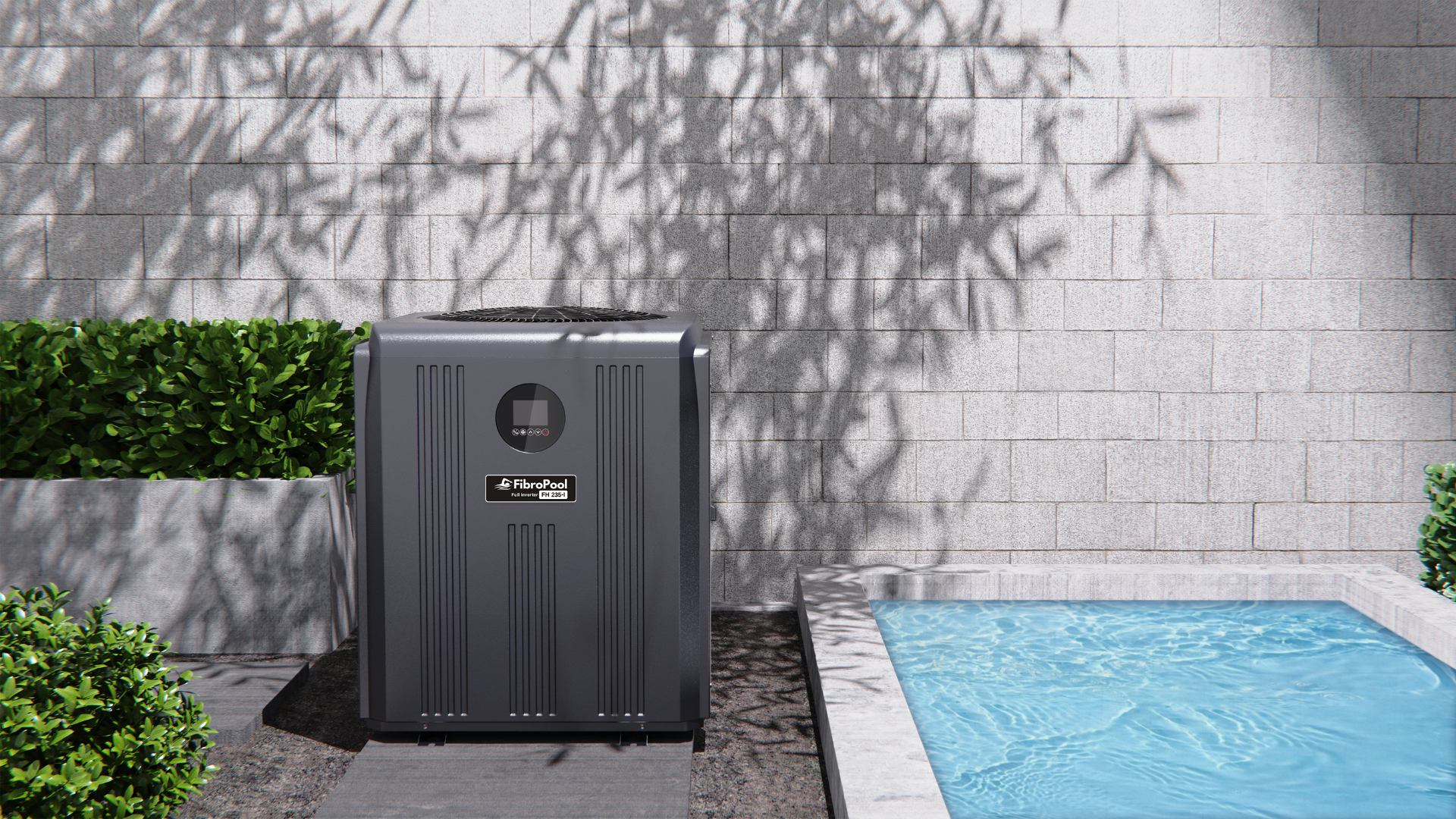
Credit: fibropool.com
Installation And Maintenance
Choosing the right heat pump depends on more than just price and efficiency. Installation and maintenance play a big role in your long-term satisfaction. Both Aquacal and Hayward offer reliable models, but they differ in how easy they are to install and maintain. Understanding these differences helps you make a better choice.
Ease Of Installation
Aquacal heat pumps usually need a professional installer. Their units are large and require space for proper airflow. Installation can take a few hours, depending on your pool setup.
Hayward heat pumps are known for simpler installation. They often come with clear instructions and flexible mounting options. Some models allow easier access to electrical connections, saving time.
Both brands require proper electrical wiring and water plumbing. Local codes and permits might apply. Always hire a licensed technician for safety and warranty reasons.
Maintenance Requirements
Aquacal heat pumps need regular cleaning of filters and coils. This keeps the unit running efficiently. Checking for debris and damage is also important.
Hayward heat pumps have similar maintenance needs. Their design sometimes makes cleaning easier. Routine inspections of fans and electrical parts help prevent breakdowns.
Both brands recommend yearly professional servicing. This ensures all components work well and extends the unit’s life. Simple upkeep can save costly repairs later.
Noise Levels
Noise levels play a big role in choosing a heat pump for your pool. Quiet operation means less disturbance to your home and neighbors. Both Aquacal and Hayward heat pumps offer different noise experiences. Understanding these differences helps you pick the right model.
Decibel Ratings
Aquacal heat pumps usually run between 58 to 65 decibels. This is about the noise level of a normal conversation. Hayward models range from 60 to 68 decibels. Slightly louder, but still within a reasonable range. Lower decibel means a quieter heat pump. Decibel ratings give a clear idea of how much noise to expect.
User Experience
Many Aquacal users report their heat pumps run quietly. They say it blends well into the backyard environment. Hayward users find the noise noticeable but not disruptive. Both brands have models designed to reduce sound. Placing the pump away from living areas helps reduce noise impact. Quiet operation is important for peaceful poolside enjoyment.

Credit: gooutdoordirect.com
Price Comparison
Comparing prices helps decide which heat pump fits your budget best. Price affects both your initial purchase and long-term spending. Understanding these costs makes your choice clearer.
Initial Cost
Aquacal heat pumps usually cost more upfront. They offer advanced features and strong build quality. Hayward models tend to have a lower sticker price. This suits buyers with tighter budgets. Installation fees also vary by brand and region.
Long-term Value
Aquacal pumps often save money over time. Their energy efficiency reduces monthly utility bills. Hayward pumps may cost less to buy but could use more power. Consider repair costs and warranty coverage too. A cheaper pump might mean higher expenses later.
Customer Support And Service
Customer support and service play a big role in choosing the right heat pump. A good service team helps solve problems fast. It makes using the pump easier and less stressful.
Both Aquacal and Hayward offer customer support. But their availability and how fast they respond can differ. These factors affect how happy you are with your heat pump.
Availability
Aquacal provides support during regular business hours. They have phone and email options for help. Their service centers cover many regions but not all.
Hayward offers support with a wider network. Their customer service is available through phone, email, and live chat. They cover most areas in the US, making access easier.
Responsiveness
Aquacal’s team responds within one to two business days. They try to solve issues quickly but may take longer for complex problems.
Hayward tends to reply faster, often within 24 hours. Their live chat helps answer simple questions immediately. Complex issues might still need extra time.
Best Use Cases
Choosing the right heat pump depends on several factors. Knowing the best use cases helps you pick one that fits your needs. Both Aquacal and Hayward offer reliable options, but they suit different situations. Understanding these will save time and money.
Ideal Pool Sizes
Aquacal heat pumps work well for medium to large pools. They handle pools up to 30,000 gallons efficiently. Their power ensures quick heating for bigger volumes.
Hayward heat pumps suit small to medium pools best. Pools up to 20,000 gallons get consistent warmth. They are perfect for homeowners with smaller backyard pools.
Climate Suitability
Aquacal performs strongly in cooler climates. Its design keeps the pool warm even in cold weather. Ideal for areas with long winters or chilly nights.
Hayward is great for mild to warm climates. It works best where temperatures rarely drop below freezing. This pump keeps the pool comfortable during warm seasons.
Frequently Asked Questions
What Are The Main Differences Between Aquacal And Hayward Heat Pumps?
Aquacal heat pumps are known for high efficiency and quiet operation. Hayward models offer a wider range and often lower upfront cost. Both provide reliable pool heating but suit different budgets and needs.
Which Heat Pump Is More Energy-efficient, Aquacal Or Hayward?
Aquacal heat pumps generally have higher energy efficiency ratings. They use advanced technology to save more electricity. Hayward units are efficient too but may use slightly more power.
How Does The Noise Level Compare Between Aquacal And Hayward?
Aquacal heat pumps are designed for very quiet operation, ideal for noise-sensitive areas. Hayward pumps produce moderate noise, which is typical for most heat pumps. Noise varies by model and installation.
What Is The Typical Lifespan Of Aquacal Versus Hayward Heat Pumps?
Both Aquacal and Hayward heat pumps can last 10 to 15 years with proper care. Regular maintenance extends the life of either brand. Aquacal may have a slight edge in durability.
Are Aquacal Or Hayward Heat Pumps Easier To Install?
Hayward heat pumps tend to be easier and quicker to install due to simpler designs. Aquacal units may require more precise setup to optimize performance. Professional installation is recommended for both.
Which Heat Pump Brand Offers Better Customer Support?
Aquacal is often praised for responsive and helpful customer service. Hayward also provides good support through a large dealer network. Support quality can depend on your location.
How Do Aquacal And Hayward Heat Pumps Perform In Cold Climates?
Aquacal heat pumps perform well in colder temperatures thanks to advanced compressors. Hayward models work best in moderate climates but still function in cold weather. Choose based on your local climate conditions.
Conclusion
Choosing between Aquacal and Hayward heat pumps depends on your needs. Both offer reliable heating for pools and spas. Aquacal models often focus on energy efficiency and quiet operation. Hayward pumps provide a range of options and solid performance. Consider your budget, pool size, and climate before deciding.
Check warranties and customer support too. Either choice can keep your water warm and enjoyable. Quality and value matter most in the end. Think about what fits best with your lifestyle and home.