
Have you ever wondered what asbestos carpet padding looks like? If you’re planning to renovate or replace old flooring, this is something you need to know.
Asbestos was commonly used in carpet padding years ago because it’s fire-resistant and durable. But today, it poses serious health risks if disturbed. Knowing how to identify asbestos carpet padding could protect you and your family from dangerous exposure. Keep reading to learn what to look for and what steps you should take if you suspect asbestos in your home.
Your safety starts with awareness.
Common Types Of Carpet Padding
Carpet padding adds comfort and support under carpets. It helps protect your floors and extends carpet life. Different types of padding vary in material, thickness, and durability. Knowing common types helps spot asbestos padding risks.
Rebond Foam Padding
Rebond foam padding is made from recycled foam pieces. It feels dense and firm underfoot. This padding type is common in many homes. It usually has a smooth or slightly rough surface. Older rebond padding may contain asbestos fibers.
Urethane Foam Padding
Urethane foam padding is soft and lightweight. It offers good cushioning but wears out faster. This padding often comes in thin sheets. It has a consistent, smooth texture. Asbestos is less common in urethane foam.
Fiber Padding
Fiber padding uses natural or synthetic fibers pressed together. It looks like a dense mat or felt. This type feels firm and springy. Older fiber padding sometimes contains asbestos for heat resistance. It may look dusty or crumbly with age.
Rubber Padding
Rubber padding is thick and dense with a rubbery texture. It often has a smooth or grooved surface. This padding provides strong support and sound insulation. Asbestos was sometimes mixed in rubber padding in past decades. It can be firm and heavy.
Visual Characteristics Of Asbestos Padding
Asbestos carpet padding has specific visual traits that help identify it. Knowing these traits can protect you from health risks. This section highlights key features of asbestos padding.
Texture And Appearance
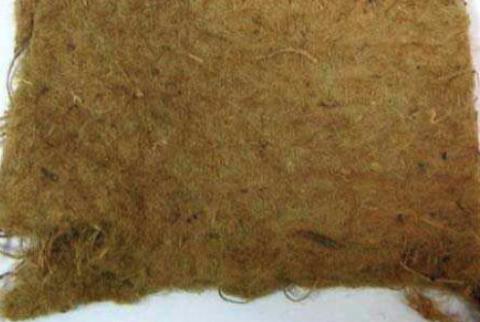
Asbestos padding often feels rough or fibrous. It may look like a dense mat of tiny fibers. The surface is usually uneven, not smooth or soft like modern padding. It can seem brittle or crumbly in old samples.
Color Variations
The color of asbestos padding varies widely. Common shades include gray, off-white, or light brown. Some pieces show a mix of colors due to dirt or aging. The colors are usually dull, not bright or shiny.
Thickness And Density
Thickness of asbestos padding ranges from thin to quite thick. It tends to be denser than regular carpet padding. This density gives it a heavier, compact feel underfoot. The padding often holds its shape well despite age.
Where Asbestos Padding Was Used
Asbestos carpet padding was once a common material in many buildings. It served as a cushion under carpets, offering insulation and comfort. Knowing where asbestos padding was used helps identify possible risks in older homes or buildings.
Many factors influenced its use, including the building type, location, and time period. This section explains where asbestos padding was most often installed.
Typical Installation Periods
Asbestos padding was widely used between the 1930s and 1980s. During this time, asbestos was valued for its fire resistance and durability. After the 1980s, many countries restricted or banned asbestos use. Buildings constructed before the 1980s are more likely to have asbestos padding.
Common Building Types
Asbestos padding appeared in many building types. Residential homes, especially older ones, often had asbestos carpet padding. Schools and public buildings also used it for safety and comfort. Commercial buildings sometimes included asbestos padding, but less often than homes.
Regions With Higher Asbestos Use
Some regions used asbestos more than others. Areas with easy access to asbestos mines had higher use rates. Industrial cities and older urban neighborhoods often contain buildings with asbestos padding. Rural areas and newer developments rarely have asbestos materials.
Credit: www.asbestos.qld.gov.au
Health Risks Linked To Asbestos Padding
Asbestos carpet padding can pose serious health risks. The tiny fibers in asbestos are dangerous if inhaled. These fibers can cause lung problems and other illnesses. Understanding these risks helps protect you and your family.
Exposure Dangers
Asbestos fibers are very small and float in the air easily. Breathing in these fibers is the main risk. Older carpet padding may contain asbestos, especially if it was made before the 1980s. Disturbing or removing the padding can release fibers. This exposure can lead to lung damage over time.
Symptoms Of Asbestos-related Illnesses
Symptoms often appear many years after exposure. Common signs include coughing, shortness of breath, and chest pain. Some people develop more serious conditions like asbestosis or mesothelioma. These diseases affect the lungs and can be fatal. Early detection is difficult, so any symptoms should be checked by a doctor.
Legal Regulations On Asbestos
The use of asbestos is highly regulated in the United States. Laws require proper handling and removal of asbestos materials. Professionals must follow safety rules to prevent fiber release. Homeowners should not remove asbestos padding themselves. These regulations protect public health and the environment.
Methods To Identify Asbestos In Padding
Identifying asbestos in carpet padding is important for safety. Asbestos was used in many building materials, including some carpet pads, before its dangers were well known. Knowing the right methods helps you avoid health risks. There are a few ways to check for asbestos in padding. Some methods need experts, while others can be done at home.
Professional Testing Services
Experts use special tools to test carpet padding for asbestos. They take small samples carefully to avoid dust spread. Laboratories analyze these samples under microscopes. This method is the most reliable. Professionals can tell exactly if asbestos is present and how much. Hiring experts reduces health risks during testing.
Diy Visual Checks
You can look at the padding yourself but only for signs. Asbestos padding often looks old, brittle, and dusty. It may have a gray or white color with a fibrous texture. This method is not accurate. Many materials look similar. Never disturb or break the padding to avoid releasing fibers.
Using Home Test Kits
Home test kits can help check for asbestos presence. These kits include tools and instructions to collect samples safely. You send the samples to a lab for analysis. Results take a few days. These kits cost less than professional testing but still offer good accuracy. Follow all safety steps carefully to protect yourself.

Credit: www.reddit.com
Safety Tips When Handling Suspected Padding
Handling carpet padding that might contain asbestos needs careful attention. Asbestos fibers can harm your lungs if they become airborne. Always treat suspected padding with caution to stay safe. Follow clear safety steps to reduce risks and protect your health.
Protective Gear Recommendations
Wear a high-quality mask that filters fine particles. Use gloves to avoid skin contact with the padding. Wear long sleeves and pants to cover your body fully. Eye protection is important to keep fibers out of your eyes. Avoid using regular dust masks. Use a respirator designed for asbestos.
Proper Removal Procedures
Do not cut or break the padding into small pieces. Wet the padding with water to stop dust from rising. Remove the padding slowly and carefully. Place it directly into a sealed plastic bag. Avoid walking on the padding to prevent fiber release. Do not use a vacuum cleaner on asbestos materials.
Disposal Guidelines
Check local laws about asbestos waste disposal. Use heavy-duty plastic bags for wrapping the padding. Label the bags clearly as asbestos waste. Take the sealed bags to a designated disposal site. Never throw asbestos padding in regular trash. Keep the waste away from children and pets until disposal.

Credit: www.reddit.com
Frequently Asked Questions
What Does Asbestos Carpet Padding Look Like?
Asbestos carpet padding often looks like a thin, grayish or yellowish mat. It may feel rough or fibrous to the touch. Older homes are more likely to have this type of padding.
How Can I Identify Asbestos In Carpet Padding?
Look for old, crumbly, or fibrous material under the carpet. Asbestos padding is usually brittle and dusty. Testing by a professional is the safest way to confirm.
Is Asbestos Padding Visible Without Removing The Carpet?
Usually, asbestos padding is hidden beneath the carpet and not easily seen. You need to lift the carpet to inspect the padding. Avoid disturbing the padding if asbestos is suspected.
What Materials Does Asbestos Carpet Padding Resemble?
It can look like old felt, foam, or paper-like material. The texture is often rough or fibrous. Its color ranges from gray to yellowish.
Can Asbestos Carpet Padding Be Dangerous If Left Undisturbed?
Yes, asbestos is safe only if it is intact and undisturbed. Damaged padding can release harmful fibers into the air. Always handle with care and seek professional help.
Why Was Asbestos Used In Carpet Padding?
Asbestos was used for its heat resistance and durability. It helped make padding fireproof and long-lasting. Its use stopped due to health risks.
Should I Test My Carpet Padding For Asbestos?
Testing is important if your home was built before the 1980s. Professionals can safely collect samples for analysis. Testing helps prevent health risks from asbestos exposure.
Conclusion
Asbestos carpet padding looks old, fibrous, and sometimes gray or white. It can feel rough or brittle to touch. Knowing how to spot it helps keep your home safe. Never try to remove it yourself. Professionals handle asbestos safely and properly.
Stay cautious and protect your health first. Remember, safety matters most when dealing with asbestos materials.