
When it comes to treating injuries like fractures or sprains, choosing the right splint can make all the difference in your recovery. You might have heard about air splints and vacuum splints, but which one is better for your situation?
Understanding how each works, their benefits, and when to use them can save you time, pain, and even prevent further damage. You’ll discover the key differences between air splints and vacuum splints so you can make an informed decision for your health or the safety of someone you care about.
Keep reading—you won’t want to miss these crucial insights.
Air Splint Basics
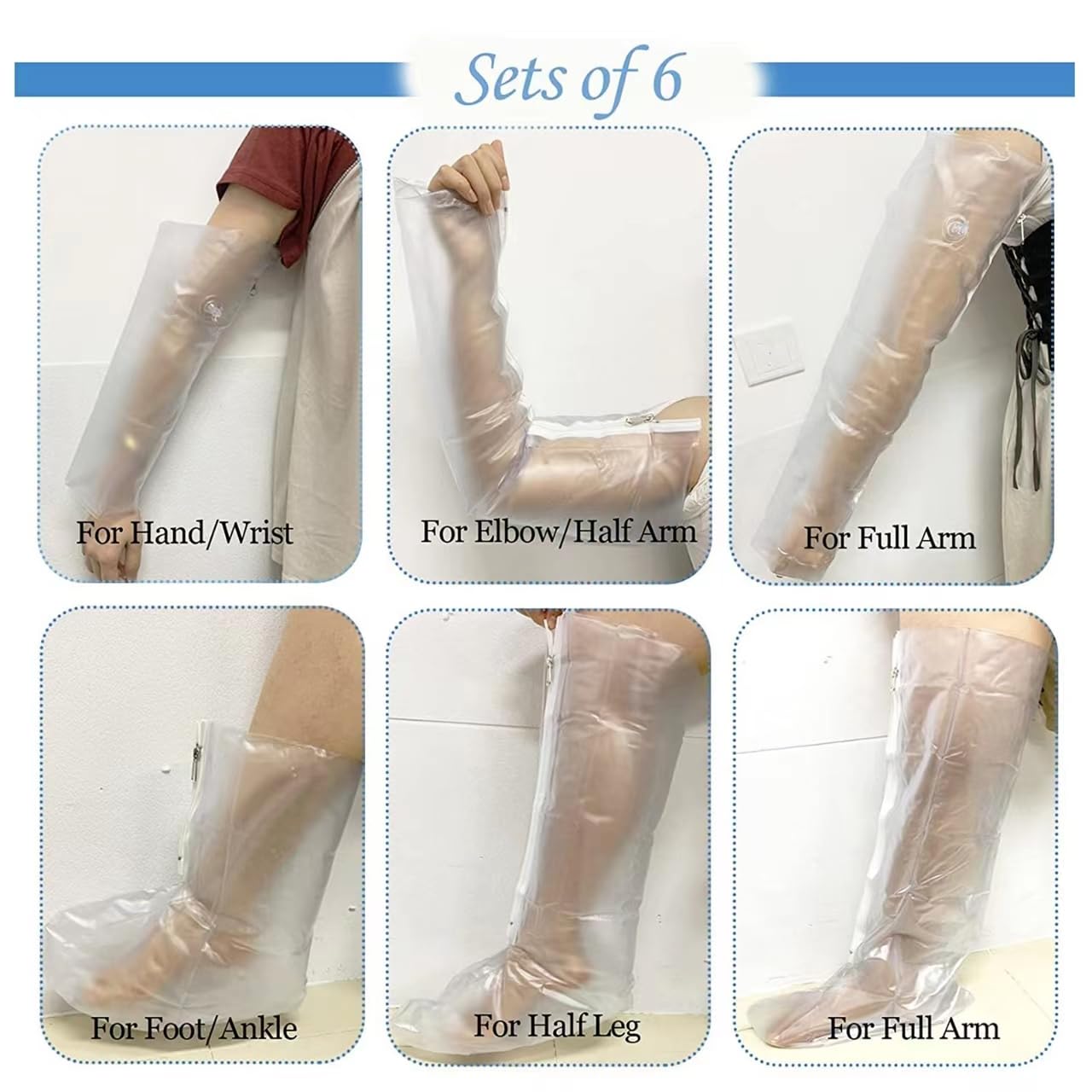
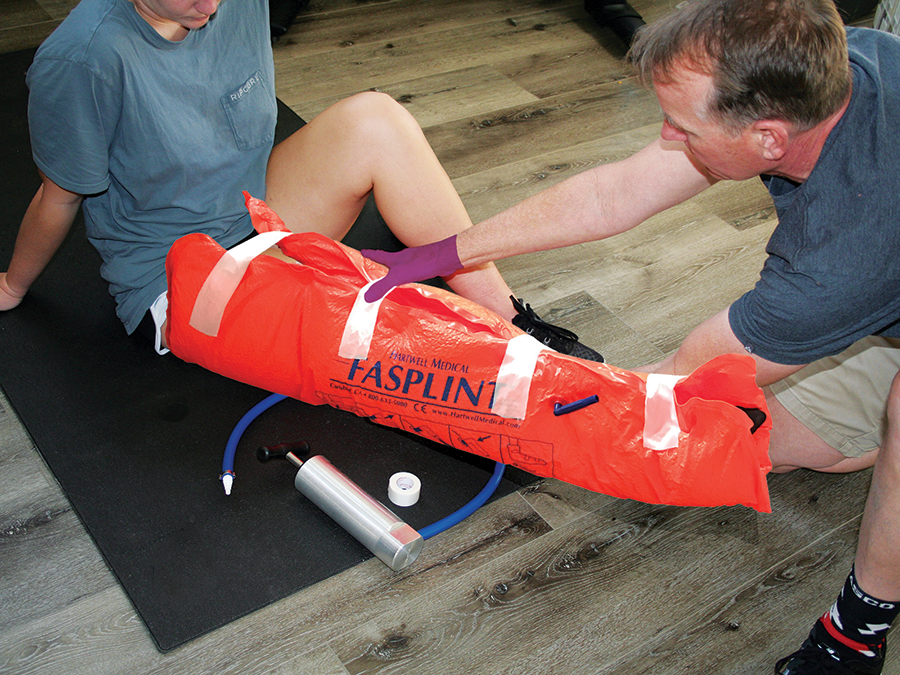
An air splint is a flexible medical device that supports injured limbs. It inflates with air to create firm support. The splint molds around the injury, limiting movement. This helps reduce pain and prevent further damage. Air splints are lightweight and easy to carry. They provide quick, temporary stabilization in emergencies.
Design And Materials
Air splints use a strong, airtight fabric. The material is usually nylon or vinyl. Inside, the splint inflates with air through a valve. This inflation makes it rigid and supportive. The splint often has straps to hold it in place. Its design allows quick application and removal. The soft outer layer protects the skin from pressure.
Common Uses
Air splints are common in first aid and emergency care. They stabilize fractures, sprains, and dislocations. Paramedics use them on accident scenes and during transport. Air splints help reduce swelling by applying gentle pressure. They are useful when a rigid splint is unavailable. They also serve as a backup to other splints.
Advantages
Air splints are easy to apply and adjust. They conform to various limb shapes and sizes. Their lightweight nature makes them portable and convenient. They reduce pain by limiting movement quickly. Air splints also allow easy monitoring of the injury. Cleaning and reuse are simple due to durable materials.

Credit: a1props.com
Vacuum Splint Basics
Vacuum splints are important tools for supporting injured limbs. They help keep the injured area still and reduce pain. These splints use air removed from a flexible casing to create a firm shape around the limb. This makes them useful in many emergency and medical situations.
Design And Materials
Vacuum splints are made from a tough, flexible outer cover. Inside, they contain tiny beads or foam. When air is sucked out, the splint becomes rigid. This design allows the splint to mold perfectly to the injured limb. The materials are lightweight and easy to clean.
Common Uses
Vacuum splints are often used for fractures and sprains. They support arms, legs, wrists, and ankles. Emergency responders use them at accident scenes. Hospitals use vacuum splints for patient transport. They help prevent further injury by limiting movement.
Advantages
Vacuum splints provide strong, custom support. They are quick to apply and adjust. The splint molds to the limb’s shape, giving better comfort. They are reusable and easy to clean. These splints also reduce pressure points and swelling.
Comparing Stability And Support
Choosing the right splint matters for injury care. Stability and support are key. Both air splints and vacuum splints offer ways to protect injured limbs. They differ in how they hold the limb steady and provide comfort. Understanding these differences helps pick the best option for each situation.
Immobilization Effectiveness
Air splints use air-filled chambers to keep the limb still. They limit movement but can be less rigid. This flexibility might not suit severe injuries. Vacuum splints mold tightly around the limb after air is removed. They create a firmer hold and reduce movement more effectively. This makes vacuum splints better for serious fractures or dislocations.
Adjustability And Fit
Air splints adjust by inflating or deflating air chambers. This offers easy changes to fit the injured area. They work well for different limb sizes but may feel bulky. Vacuum splints conform exactly to the limb shape. The vacuum seals the splint in place, giving a snug fit. This custom fit improves comfort and support during transport or treatment.
Ease Of Use In Emergencies
In emergencies, quick and easy use of splints matters a lot. First responders and helpers need tools that save time and reduce stress. Ease of use can affect patient comfort and the chance of proper care. Both air splints and vacuum splints have unique features. These features impact how they perform during urgent care.
Setup Time
Air splints inflate quickly using a small pump or manual blowing. This process usually takes less than a minute. Vacuum splints need air removed with a vacuum pump or by hand. This step can take longer, often two to three minutes. Air splints offer faster setup, which is vital in emergencies. Vacuum splints require careful sealing and air removal, adding time.
Portability
Air splints are lightweight and fold into small sizes. They fit easily into first aid kits or backpacks. Vacuum splints are bulkier and heavier due to their rigid design. They take up more space and may be harder to carry. Portability favors air splints, especially for outdoor or mobile use. Vacuum splints suit situations where weight is less of a concern.
Training Requirements
Air splints need minimal training for effective use. Anyone can learn to inflate and place them quickly. Vacuum splints require more skill to remove air properly. Users must know how to mold the splint to the injury. Mistakes can reduce the splint’s effectiveness or cause discomfort. Air splints are more user-friendly for people with limited training.
Durability And Maintenance
Durability and maintenance are important factors when choosing between an air splint and a vacuum splint. Both types must hold up well during use and last through many treatments. Proper care helps keep splints safe and effective. Understanding their material and cleaning needs can save time and money.
Material Longevity
Air splints use inflatable plastic or nylon materials. These materials resist tears but can puncture if handled roughly. Vacuum splints have a tough outer layer made of nylon or PVC. Inside, they contain small beads that mold around the injury. The outer layer is strong but can wear down with heavy use. Both splints last longer if stored and used correctly.
Cleaning And Storage
Cleaning air splints is simple. Wipe them with mild soap and water after use. Avoid harsh chemicals that could damage the plastic. Dry thoroughly before storing. Vacuum splints also need gentle cleaning. Use a damp cloth to clean the surface. Do not soak the splint or use bleach. Store both splints in a cool, dry place. Keep them away from sharp objects and heat sources.
Credit: www.amazon.com
Cost And Accessibility
Cost and accessibility play a big role in choosing between an air splint and a vacuum splint. Both devices help support injured limbs but differ in price and availability. Understanding these differences helps make a better choice for care and budget needs.
Price Range
Air splints usually cost less than vacuum splints. They use simple materials like plastic and air bladders. This keeps the price low and affordable for many users. Vacuum splints are pricier. They have special materials and require a pump to remove air. This adds to the overall cost. Prices for air splints often start at around $20. Vacuum splints can range from $50 to over $100. Buyers should consider how often they will use the splint before spending more.
Availability In Medical Settings
Air splints are common in many medical kits and first aid boxes. Their lightweight and low cost make them easy to stock. Many emergency rooms and clinics keep air splints on hand for quick use. Vacuum splints are less common but still found in hospitals and ambulance services. They offer better immobilization, so professionals prefer them for serious injuries. Outside hospitals, vacuum splints may be harder to find. This can limit their accessibility for home use or small clinics.
Suitability For Different Injuries
Choosing the right splint depends on the type of injury. Different injuries need different support and care. Air splints and vacuum splints each have strengths for certain injuries. Understanding their suitability helps in quick and proper treatment. This section explains how each splint works best for various injuries.
Fractures
Air splints provide gentle support for minor fractures. They keep the bone stable without heavy pressure. Vacuum splints offer firmer immobilization for serious fractures. They mold tightly around the injured limb. This stops movement and reduces pain. Vacuum splints are better for complex or unstable fractures.
Sprains And Strains
Air splints suit sprains and strains well. They offer light compression and limit motion. This helps reduce swelling and pain. Vacuum splints may be too rigid for these injuries. They can cause discomfort if used unnecessarily. Air splints allow some movement while protecting the injured area.
Soft Tissue Injuries
Soft tissue injuries need gentle support and protection. Air splints cushion the injured area and prevent further damage. They are flexible and easy to adjust. Vacuum splints can be too tight and restrict blood flow. Air splints help maintain comfort while supporting healing.
Credit: www.sammedical.com
Patient Comfort And Safety
Patient comfort and safety are crucial when choosing between air splints and vacuum splints. Both devices aim to stabilize injuries but differ in how they protect and support the body. Understanding these differences helps caregivers provide the best care.
Pressure Distribution
Air splints use inflatable chambers to wrap around the injured area. They spread pressure evenly, reducing pain and swelling. The air cushions the injury, preventing hard spots that can cause discomfort.
Vacuum splints mold to the body by removing air from a bag filled with small beads. This creates a firm, yet flexible support. Pressure is focused more directly on the injury, which may cause discomfort if not applied carefully.
Both splints aim to limit movement, but air splints tend to offer gentler pressure. This can be better for sensitive patients or those with fragile skin.
Skin Protection
Air splints create a soft barrier between the skin and the splint. This reduces friction and helps avoid skin breakdown. The smooth surface is less likely to cause irritation during use.
Vacuum splints conform closely to the skin, which can sometimes trap moisture. This may increase the risk of skin damage, especially during long transport or use.
Proper padding is important for vacuum splints to protect the skin. Caregivers should check the skin often to prevent sores or pressure points.
Case Studies And Real-world Applications
Case studies and real-world applications show how air splints and vacuum splints perform in emergencies. These examples help us understand their strengths and weaknesses. They reveal how each splint type supports injured limbs and affects patient comfort. Healthcare providers use these insights to choose the right splint for different situations.
Air Splint Use In Sports Injuries
Air splints are popular in sports events. They quickly stabilize twisted ankles and broken bones. The splint inflates around the injury, reducing movement and pain. Athletes can stay comfortable while waiting for medical help. This splint type is lightweight and easy to carry on the field.
Vacuum Splint In Emergency Medical Services
Vacuum splints are common with paramedics and first responders. They conform closely to the injured area, providing firm support. The vacuum removes air, making the splint rigid and secure. This helps prevent further injury during patient transport. Many EMS teams prefer vacuum splints for fractures and dislocations.
Comparing Patient Feedback In Hospitals
Hospitals gather patient feedback on splint comfort and ease of use. Many patients report air splints feel less restrictive and are more comfortable. Vacuum splints offer better immobilization but can feel tighter. Doctors balance comfort and stability to improve recovery chances. Both splints have a place depending on injury type and patient needs.
Choosing The Right Splint
Choosing the right splint is important for proper injury care. The right splint supports the injured area and reduces pain. It also helps prevent further damage. Different splints work best for different injuries and situations. Understanding key factors can guide the decision between an air splint and a vacuum splint.
Factors To Consider
Think about the injury type and location. Air splints work well for limb injuries with swelling. Vacuum splints fit tightly and hold the limb still. Consider the environment. Air splints are lighter and easier to carry. Vacuum splints need a pump and may be heavier. Ease of use matters. Air splints inflate quickly. Vacuum splints require some practice to use correctly. The patient’s comfort is crucial. Air splints offer gentle support. Vacuum splints mold closely but can feel rigid.
Professional Recommendations
Medical experts often suggest vacuum splints for complex fractures. They provide firm immobilization, reducing movement risk. Air splints are good for minor sprains and strains. Paramedics prefer air splints for fast, temporary support. Doctors recommend vacuum splints for hospital transport. Always follow advice from healthcare professionals. They assess injury severity and choose the safest option. Proper splint use improves recovery and reduces complications.
Frequently Asked Questions
What Is The Main Difference Between Air Splint And Vacuum Splint?
Air splints use air to hold shape, while vacuum splints remove air to harden. Both stabilize injured limbs but work differently.
Which Splint Is Better For Quick Injury Immobilization?
Air splints are faster to apply because you just inflate them. Vacuum splints take longer but offer firmer support.
Can Air Splints Be Reused After Treatment?
Yes, air splints can be deflated and reused multiple times. They are easy to clean and store.
How Does A Vacuum Splint Provide Better Limb Support?
Vacuum splints mold tightly by removing air, locking the limb in place. This reduces movement and pain.
Are Air Splints Suitable For All Types Of Fractures?
Air splints work well for simple fractures and sprains. Complex fractures may need more rigid support like vacuum splints.
What Materials Are Used To Make Vacuum Splints?
Vacuum splints are made of durable plastic and airtight fabric. The materials help create a firm shape when air is removed.
Is It Safe To Use A Vacuum Splint Without Medical Training?
Basic use of vacuum splints is safe with some instructions. Still, professional help is important for proper treatment and assessment.
Conclusion
Choosing between an air splint and a vacuum splint depends on the situation. Air splints are lightweight and easy to use. Vacuum splints provide firm support by molding to the injured area. Both help reduce pain and prevent further injury.
Think about the injury type and available tools before deciding. Understanding their features helps you make a smart choice. Always prioritize safety and comfort during first aid care. The right splint can make a big difference in recovery.