
Planar array antennas steer beams electronically by shifting the phase of radio signals sent to each individual radiator in a grid. By changing these phases, the waves from each element combine to create a strong beam in a specific direction without moving the antenna itself. It’s a precise way to focus energy, as the system calculates the exact timing needed for each element to create a constructive interference pattern at a desired angle.
Essential parts for steering planar array antennas
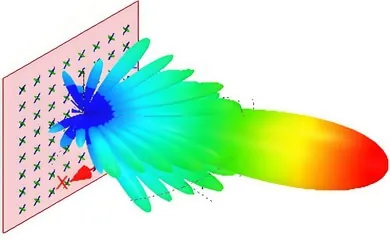
The system relies on a grid of small antennas and electronic controllers to manage the signal path. When these parts don’t work in sync, the beam loses its focus or points in the wrong direction.
| Part or input | What it does | What you notice when it goes wrong |
|---|---|---|
| Antenna element | Radiates the radio signal | Weak signal strength or coverage |
| Phase shifter | Delays signal timing | Beam points in wrong direction |
| Control computer | Calculates phase values | System becomes slow or unresponsive |
| Power amplifier | Boosts signal for range | Reduced distance or signal dropouts |
| Feed network | Distributes signal to grid | Uneven energy across the array |
Check the technical manual for your specific unit to see the expected voltage levels for your phase shifters. The documentation provided by the manufacturer is the only place to confirm these precise operational settings.
Steps for electronic beam steering
The steering process happens in microseconds through a series of rapid calculations and physical signal adjustments. The system must account for every element to ensure the beam remains sharp and directed correctly.
- The controller defines the target coordinates for the beam based on the current operational requirements of the communication system.
- The computer calculates the phase shift required for every individual antenna element to align the waves in that specific direction.
- Each phase shifter adjusts its internal delay to match the calculated value, which typically takes a few nanoseconds to complete.
- The power amplifiers push the signals to the radiators, which creates the constructive interference pattern needed for the beam.
- The electromagnetic waves combine in space to form a focused beam that points toward the intended target location.
- The system monitors the signal quality and updates the phase shifts if the target moves or the environment changes.
Why phase control creates the beam
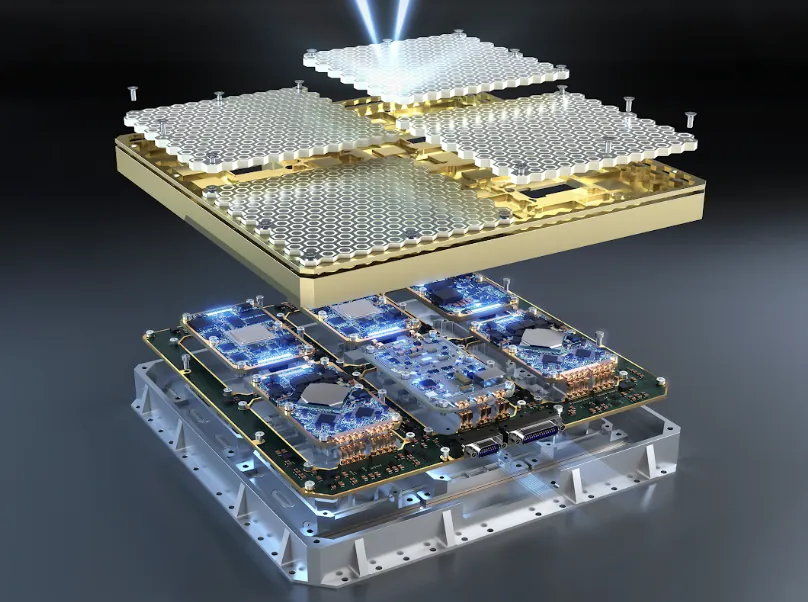
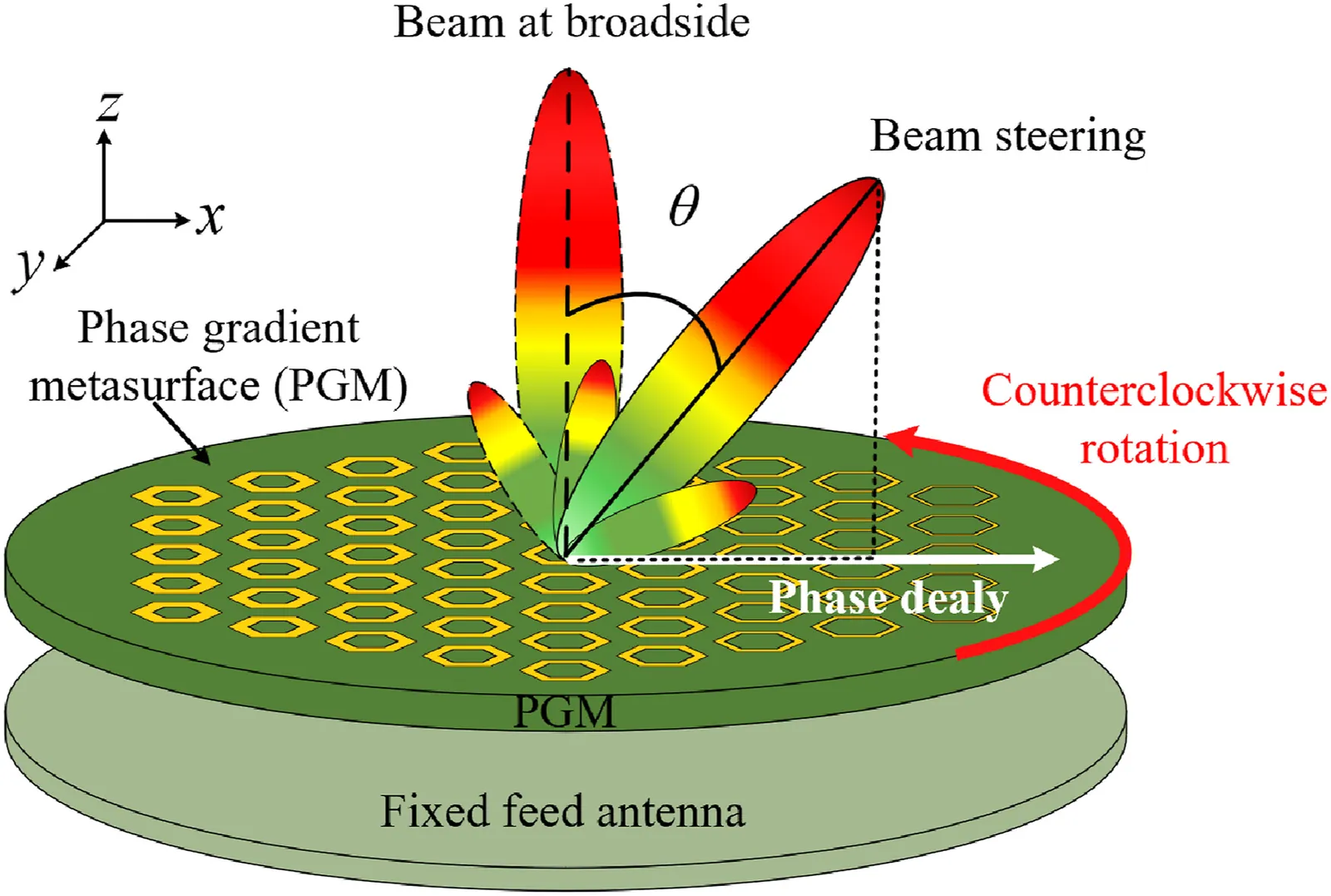
The physical mechanism of steering relies on the way waves interact when they meet in space. When multiple antennas transmit at the same time, their waves overlap and combine. If all antennas transmit with the same timing, the beam points straight ahead.
By adding a small delay, or phase shift, to each antenna in the sequence, the combined wave front tilts. This is known as constructive interference, where the peaks of the waves line up to create a single, powerful signal.
If the phase shifts aren’t precise, the beam will widen or break into smaller, weaker signals. This phenomenon is often discussed in research regarding electromagnetic wave propagation at the IEEE Xplore digital library.
Accuracy is vital; if the phase shifter is off by even a small fraction, the beam will miss its target entirely. People often make the mistake of assuming all elements are identical, but small manufacturing variations mean that each element requires a unique calibration value to perform correctly.
This method isn’t for systems that require high power at a very low cost, as the complexity of the electronics increases the price significantly. It’s best used in satellite communications or modern radar where speed and agility are the top priorities. The limit for your specific array is the physical spacing between elements; if you try to steer the beam too far from the center, you’ll create unwanted “grating lobes” that waste energy.
Control and design limits
Things you control
- The target coordinates entered into the control software.
- The frequency of the signals being transmitted through the array.
- The calibration offset values used to correct for hardware errors.
- The update rate of the tracking algorithm for moving targets.
Adjust the update rate based on target velocity. If tracking a stationary object, a 10Hz rate preserves processing power. For targets exceeding 50 meters per second, increase this to at least 60Hz to prevent signal lag.
Fixed design limits
- The physical distance between each antenna element in the grid.
- The total number of elements available in the array.
- The maximum phase shift range of the hardware components.
These physical constraints dictate your resolution. If your target falls outside the array’s beamwidth, you can’t compensate through software alone. Attempting to force a wider scan angle than the hardware allows will result in grating lobes and false data readings.
Never open the antenna housing or modify internal circuits. Doing so exposes you to high-frequency radiation and voids your safety certification. Always route repairs through a qualified technician.
Improving antenna performance
Practical habits for better steering start with keeping the environment around the array clear of obstacles. Because the beam depends on the predictable interaction of waves, any metal objects placed within three feet of the antenna will cause reflections that distort the beam shape. Maintain a clear line of sight to the horizon to ensure the array can reach its full steering range without interference.
A common mistake is ignoring minor power fluctuations, which cost you precision during high-load scans. If the supply fluctuates, contact a technician to install a dedicated regulator immediately.
Ensure the cooling system is clean, as the electronics work harder when temperatures rise, leading to calculation drift. If the internal sensor exceeds 60 degrees Celsius, expect the beam to lose focus. Use a calibrated signal analyzer to verify that the output remains consistent across the entire scan range. If the gain drops at the edges, recalibrate the phase offsets.
Related guides
Frequently asked questions
How fast can an array steer its beam?
Steering typically happens in a few microseconds, as the process is limited only by the speed of the electronic phase shifters and the control computer. You can verify the specific switching speed of your hardware by checking the data sheet provided by the manufacturer for your model number.
Can a planar array steer in any direction?
Steering is limited to a cone, usually within 60 degrees of the center, because the beam degrades significantly at wider angles. The exact limit for your array is determined by the spacing between the elements, which you can find in the technical specifications page of your equipment.
Is it safe to be near a steering antenna?
Safety depends on the power output and the distance from the array, so you must always follow the manufacturer’s radio frequency exposure guidelines. Check the safety label on the back of the device or the user manual for the recommended safe working distance for humans.
What happens if the power supply is unstable?
An unstable power supply causes the phase shifters to misfire, which results in a distorted or “fuzzy” beam that misses its target. You can confirm if your power is the cause by checking the voltage readings on the system monitor while the antenna is actively steering.
Does the number of elements matter?
The number of elements directly determines the sharpness of the beam and the total gain of the antenna. A grid with more elements creates a narrower, more powerful beam, and you can see the element count for your specific unit in its hardware documentation.
Why does the beam get weaker at wide angles?
The beam gets weaker because the effective aperture of the antenna decreases as it’s tilted away from the center. You can calculate the expected drop in signal strength by using the cosine of the steering angle, a value that’s standard for all planar array designs.
Conclusion
The ability to steer beams without physical movement allows modern systems to track multiple targets with extreme speed and reliability. By managing the phase of each element, these antennas provide the precision required for everything from high-speed internet to advanced aerospace navigation.
