
Is your water bill higher than usual? You might be wondering why.
One common culprit, often overlooked, is a running toilet. It might seem like a small drip or a faint hiss, but these silent water wasters can add up fast. We’ll uncover how a leaky toilet can silently drain your wallet and explore simple ways to stop it.
Get ready to find out if your toilet is the reason your water bill is so high.

Credit: trusthomesense.com
The Silent Water Guzzler
A running toilet is a water thief. It wastes water constantly. You might not even notice it. This silent guzzler can inflate your water bill. It’s a common household problem. Understanding it saves you money.
The Mechanics Of A Running Toilet
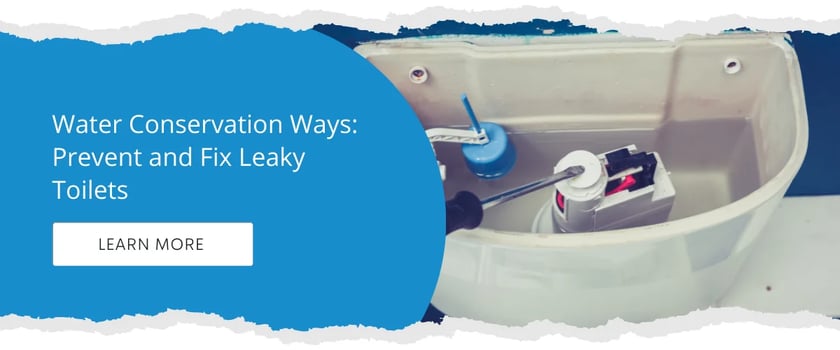
Toilets have a tank and a bowl. Water fills the tank. A flush mechanism empties it. Then, it refills automatically. A running toilet means water keeps flowing. It goes from the tank into the bowl. This happens without flushing. The flapper is often the culprit. It seals the tank. If it leaks, water escapes. The fill valve also plays a role. It stops water when the tank is full. A faulty fill valve lets water overflow. This wasted water goes down the drain.
Common Causes Of Leaks
Worn-out flappers are frequent. They lose their seal over time. Toilet tank parts wear out. The chain connecting the handle can stretch. This prevents the flapper from closing. The flush valve seat can corrode. This creates a rough surface. The flapper cannot seal properly. A damaged overflow tube is another issue. It can cause constant water loss. The fill valve float might be too high. This causes water to spill. These small issues add up. They drain your wallet.
Credit: www.thewaterscrooge.com
The Bill’s Big Jump
A running toilet is a silent thief. It wastes water. This waste adds up quickly. Your water bill can jump. It might surprise you. You will see a big difference. It is a noticeable increase.
Gallons Per Day: The Hidden Cost
How much water is lost? A small leak adds up. It can be one gallon per hour. That is 24 gallons daily. A steady run is worse. It can be 200 gallons daily. This is a lot of water. It goes down the drain. You pay for it. This cost is hidden. You do not see it go. You see it on the bill.
Estimating Your Running Toilet’s Impact
You can estimate the waste. It is not hard. Check your toilet tank. Is it always full? Does it refill often? Listen for the sound. A hissing sound means a leak. You can use dye. Put dye in the tank. Do not flush. Wait 15 minutes. If color appears in the bowl, you have a leak. This leak wastes water.
Real-world Bill Shock Examples
Consider a small leak. It is one gallon per hour. This equals 720 gallons per month. That is 8,640 gallons yearly. Water costs vary. It might be $5 per 1,000 gallons. This small leak costs $43.20 yearly. A larger leak is 200 gallons daily. That is 6,000 gallons per month. This costs $30 per month. That is $360 per year. Your bill can shock you. It is a real cost.
Finding The Leak
A running toilet wastes water. This waste increases your water bill. Finding the leak is the first step. You can fix it yourself. This saves money. It also saves water.
The Food Coloring Test
This test is simple. It finds silent leaks. Get some food coloring. Put a few drops in the tank. Wait about 15 minutes. Do not flush the toilet. Check the toilet bowl. Did the color appear? If yes, you have a leak. Water is entering the bowl. It is passing through the flapper.
Listening For The Drip
Sometimes leaks make noise. Listen closely to your toilet. Can you hear a hissing sound? This sound means water is running. It is a constant, quiet noise. The sound might be faint. Be sure to listen carefully. This is a clear sign of a leak.
Checking The Flapper And Fill Valve
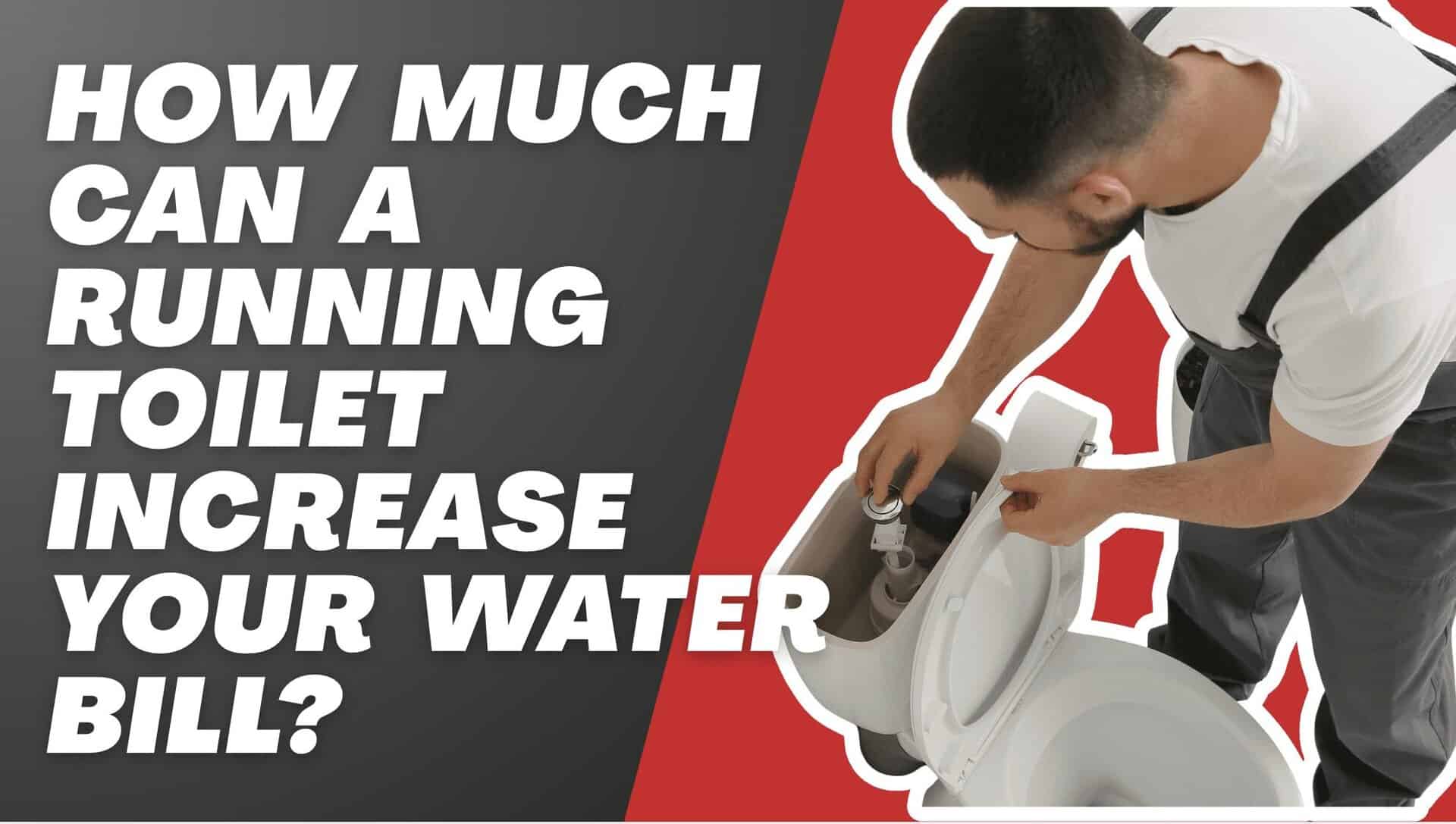
These parts often cause leaks. The flapper seals the tank. It stops water from entering the bowl. A worn flapper leaks. The fill valve controls water flow. It stops filling the tank. A faulty fill valve keeps running. Inspect both parts. Look for damage or wear. Replace them if needed. This stops the running toilet.
Credit: www.balkanplumbing.com
Simple Fixes, Big Savings
A running toilet wastes water. This waste increases your water bill. Simple fixes save you money. You can fix many toilet issues yourself. These fixes are easy. They bring big savings. Stop flushing money down the drain.
Replacing A Worn Flapper
The flapper is in the tank. It seals the drain hole. A worn flapper lets water escape. This causes the toilet to run. You can buy a new flapper. They are inexpensive. Turn off the water supply. Flush the toilet to empty the tank. Remove the old flapper. Attach the new flapper. Turn the water back on. Test the flush. No more running. Savings start now.
Adjusting The Fill Valve
The fill valve refills the tank. It stops water when full. Sometimes it fills too high. Water then flows into the overflow tube. This makes the toilet run. Most fill valves have an adjustment screw. Turn the screw slightly. Lower the water level. It should be below the overflow tube. Test the flush again. The running should stop. This is a simple fix.
When To Call A Plumber
Some problems are complex. A worn flapper is easy. A fill valve adjustment is simple. Toilet leaks can be tricky. The tank might crack. The pipes could be old. The water pressure might be high. These issues need expertise. A plumber has the right tools. They have the knowledge. Call a plumber for tough jobs. They will fix it right. You will save water then.
Beyond The Toilet: Water Waste Awareness
A running toilet is a clear culprit. But water waste goes further. Many hidden leaks exist. Awareness is key. Simple checks save money. Protecting our planet matters too. Every drop counts.
Other Common Household Leaks
Leaky faucets drip. This wastes much water. Check under sinks. Look for damp spots. Washing machine hoses can leak. Dishwashers also pose risks. Outdoor spigots often drip. Inspect them regularly. Even small leaks add up. They silently drain your wallet. They also waste precious water.
Water Conservation Habits
Fix leaks promptly. Shorter showers help. Turn off the tap. Do this while brushing. Run full loads always. This applies to washers. Use a broom outside. Avoid the garden hose. Collect rainwater. Water plants wisely. Early morning is best. Watering late at night works. These habits save water. They reduce your bill.
Frequently Asked Questions
Can A Running Toilet Waste Water?
Yes, a running toilet wastes a lot of water. Even a small leak adds up quickly. This constant flow is a major culprit.
How Much Water Does A Running Toilet Waste?
A silent leak can waste gallons daily. A constantly running toilet can waste hundreds of gallons. That’s a lot of wasted water.
What Causes A Toilet To Run Constantly?
A faulty flapper is often the problem. The fill valve might also be broken. These parts control water flow.
How Can I Check For A Toilet Leak?
Put food coloring in the tank. Wait fifteen minutes. If color appears in the bowl, you have a leak. This is a simple test.
Will A Running Toilet Raise My Water Bill?
Absolutely, a running toilet always increases your bill. More water used means higher costs. It’s a direct connection.
How Do I Fix A Running Toilet?
Replace the worn-out flapper. Adjust or replace the fill valve. These are common fixes. A plumber can help too.
Is A Running Toilet Bad For The Environment?
Yes, wasting water is bad for our planet. Water is a precious resource. Conserving it is important for everyone.