
If you’re diving into welding, you’ve probably heard about MIG and MAG welding. But what exactly sets them apart?
Understanding the difference can make a huge impact on your work quality and efficiency. Whether you’re a beginner or looking to sharpen your skills, knowing when to use MIG or MAG welding will help you get the job done right.
Stick with me, and by the end of this article, you’ll feel confident choosing the perfect welding method for your projects. Let’s clear up the confusion and get you welding like a pro!
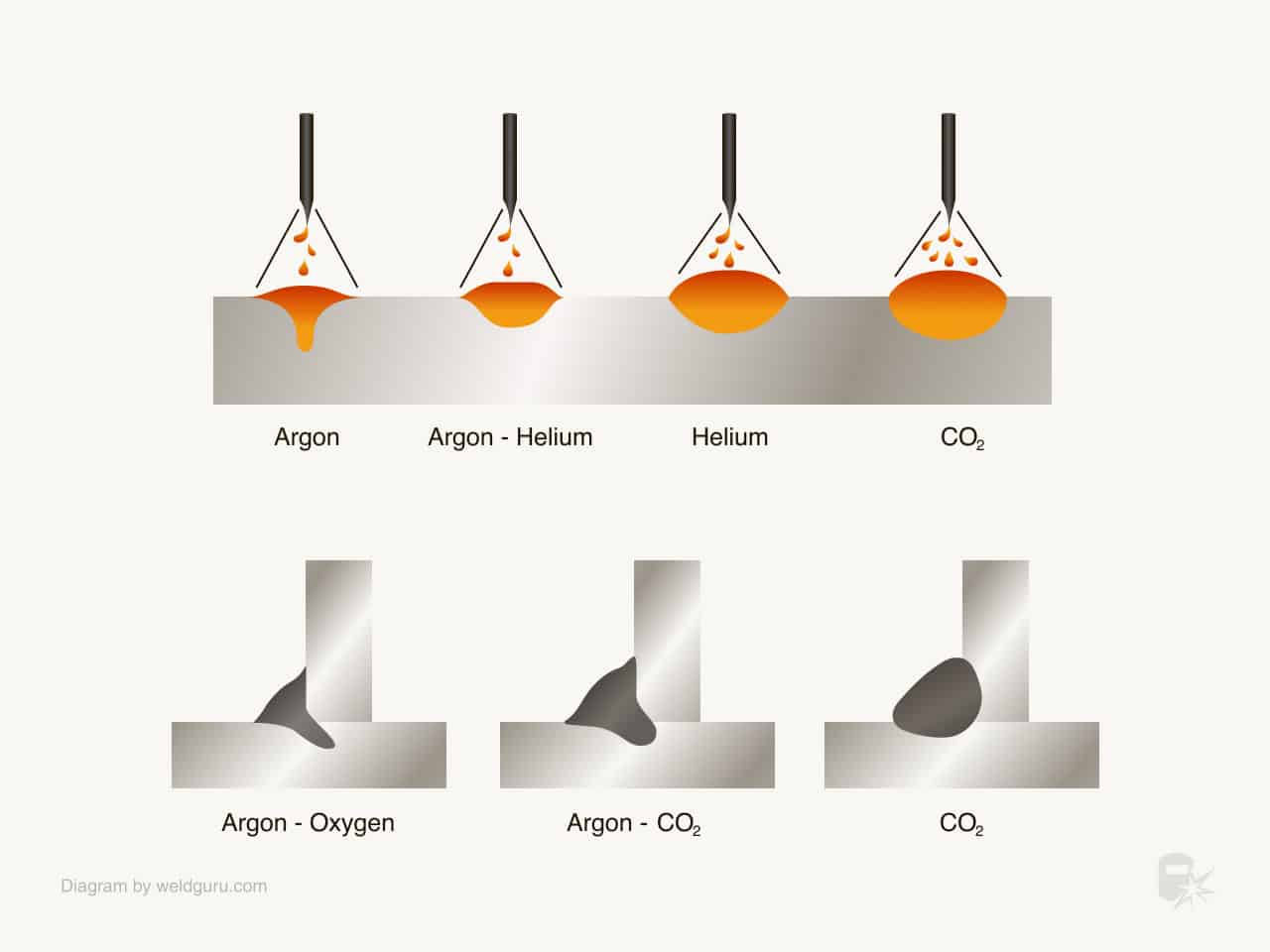
Credit: weldguru.com
Mig Welding Basics
MIG welding is one of the most popular welding methods. It is easy to learn and use. Many people choose MIG welding for its speed and clean finish. This method uses a continuous wire that melts to join metals. It works well on thin and thick metals.
Understanding the basics of MIG welding helps you get better results. It also helps you decide if it suits your project needs. Below are the key points about MIG welding.
How Mig Welding Works
MIG stands for Metal Inert Gas. The welder uses a gun that feeds a wire continuously. This wire melts and joins two metal pieces. A gas flows through the gun to protect the weld. The gas stops air from ruining the weld. This makes the weld stronger and cleaner.
Common Applications
MIG welding is great for car repairs and metal furniture. It is often used in factories and home workshops. It works well on steel, aluminum, and other metals. MIG welding is good for both thin and thick metal sheets. This makes it very useful for many jobs.
Advantages Of Mig
MIG welding is fast and easy to control. The welds are clean and need less finishing. It uses less filler material than other methods. It works well in most positions. MIG welding also creates less smoke and sparks. This makes the work safer and cleaner.
Mag Welding Essentials
MAG welding is a popular welding process used in many industries. It stands for Metal Active Gas welding. This method uses an active gas to protect the weld pool from contamination. Understanding the essentials of MAG welding helps you grasp its role in metal joining.
The process is known for its speed and efficiency. It creates strong, clean welds on various metals. Learning how MAG welding works and its benefits will clarify why it is widely used.
How Mag Welding Works
MAG welding uses a continuous wire electrode. The wire melts to form the weld. An active gas, like carbon dioxide or a gas mix, shields the weld area. This prevents dirt or oxygen from weakening the weld. The welder controls the heat and speed to make a smooth seam. The process is semi-automatic, so machines feed the wire automatically.
Typical Uses
MAG welding is common in the automotive industry. It joins car frames and parts quickly. It also works well in construction for steel structures. The method suits medium to thick metal sheets. It is used in shipbuilding and heavy machinery too. This welding type handles both thin and thick metals with good results.
Benefits Of Mag
This welding method is fast and productive. It reduces the chance of weld defects. The active gas helps create a cleaner weld. It also allows better control of heat and penetration. MAG welding works well outdoors with proper gas supply. It produces strong joints that last long. The process is cost-effective for many metal projects.
Key Differences Between Mig And Mag
MIG and MAG welding are two popular welding methods often compared. Both use a continuous wire electrode and electric arc. Yet, they differ mainly in the type of shielding gas used and their applications. Understanding these differences helps pick the right method for your project.
Shielding Gas Types
MIG welding uses inert gases like argon or helium. These gases do not react with the molten metal. They protect the weld pool from contamination.
MAG welding uses active gases like carbon dioxide or a mix of CO2 and argon. These gases react slightly with the weld pool. This reaction helps improve the weld’s strength and penetration.
Welding Materials
MIG welding works best on non-ferrous metals like aluminum and copper. It suits materials that need a clean, smooth weld.
Mag welding is ideal for ferrous metals like steel and iron. It handles thicker materials and outdoor welding better.
Weld Quality And Appearance
MIG welding produces clean, neat welds with little spatter. The welds look smooth and shiny.
MAG welding can create stronger welds but often with more spatter. The weld appearance may be rougher and darker.
Equipment And Cost Comparison
Comparing MIG and MAG welding involves looking at the equipment and costs. Both types need specific machines and tools. The price of these can affect your project budget. Understanding the differences helps you choose the right method.
Equipment plays a big role in welding quality and efficiency. Cost matters, especially for beginners and small businesses. Let’s explore the key points in equipment and cost comparison.
Welding Machines
MIG welding machines use inert gas like argon. MAG welding machines use active gas such as carbon dioxide. Both machines look similar but have different gas setups. MIG machines often cost more due to gas purity needs. MAG machines tend to be simpler and cheaper. Machine size and power vary by welding needs. Choose a machine that fits your project size.
Consumables And Accessories
Consumables include wires, gas, and nozzles. MIG welding uses pure argon gas and special wires. MAG welding uses a mix of gases and different wires. MAG consumables are usually cheaper and easier to find. Accessories like gas regulators and hoses are needed for both. Proper maintenance of consumables saves money and improves welds.
Cost Efficiency
MIG welding costs more upfront due to machine and gas price. MAG welding offers lower initial costs and cheaper gas. MIG welding produces cleaner welds, reducing rework and saving time. MAG welding works well for thicker metals and outdoor jobs. Consider long-term costs like gas use and wire consumption. Choose the process that fits your budget and project needs.
Skill Level And Learning Curve
Understanding the skill level and learning curve is important when choosing between MIG and MAG welding. Both methods need practice, but their ease and challenges differ. This section explains how easy each is to learn and what difficulties may come up.
Ease Of Use
MIG welding is often easier for beginners. It uses a continuous wire that feeds automatically. This helps keep the weld steady and smooth. MAG welding needs more control of the gas flow. It is a bit harder to keep the weld clean.
Training Requirements
Training for MIG welding is usually shorter. New welders can start making good welds quickly. MAG welding needs more time to learn proper gas handling. Welders must understand how gas affects the weld.
Common Challenges
MIG welding can cause spatter, making the work messy. It needs some practice to control the torch. MAG welding faces more issues with gas shielding. Poor gas control can cause weak or dirty welds.
Safety Considerations
Safety is the top priority in both MIG and MAG welding. Proper safety measures protect the welder from harm. Understanding these safety basics helps prevent accidents and injuries. Both processes involve risks that require attention and care.
Protective Gear
Wear a welding helmet with a dark lens to protect your eyes. Use flame-resistant gloves to shield your hands from sparks. Long-sleeved jackets and pants made of thick fabric guard your skin. Closed-toe boots protect your feet from hot metal. Always use ear protection to avoid noise damage. Respirators help prevent inhaling harmful fumes during welding.
Hazards And Precautions
Electric shock is a serious risk in welding. Avoid touching live electrical parts. Work in dry areas to reduce shock danger. Sparks and molten metal can cause burns. Keep flammable materials far from the work zone. Welding fumes may harm your lungs. Use proper ventilation or fume extractors. Bright welding arcs can damage eyesight. Never look at the arc without eye protection.
Choosing The Best Method
Choosing the best welding method between MIG and MAG depends on several key factors. Each method suits different needs and conditions. Understanding these differences helps pick the right technique for your project.
Project Requirements
Consider the size and type of your project first. MIG welding works well for thin metals and small parts. MAG welding suits thicker metals and heavy-duty tasks. Also, think about the speed needed. MIG is faster, saving time on simple jobs. MAG offers strong, durable welds for tough projects.
Material Types
MIG welding uses inert gases, making it ideal for non-ferrous metals like aluminum and copper. MAG welding uses active gases, which work best on ferrous metals like steel. Matching the method to your metal type ensures clean, strong welds. Wrong gas or method can cause weak joints or defects.
Environment And Conditions
Work environment affects welding choice. MIG welding needs clean, indoor spaces to avoid gas contamination. MAG welding handles outdoor or windy conditions better because its active gases protect the weld. Also, consider temperature and humidity. MAG is more tolerant to tough environments than MIG.

Credit: www.youtube.com

Credit: yeswelder.com
Frequently Asked Questions
What Is The Main Difference Between Mig And Mag Welding?
MIG welding uses inert gases like argon, while MAG welding uses active gases such as CO2. This affects the welding process and metal types.
Which Metals Are Best Suited For Mig Welding?
MIG welding works well on aluminum, stainless steel, and mild steel. It provides clean and smooth welds on these metals.
Is Mag Welding Better For Heavy-duty Industrial Work?
Yes, MAG welding is often preferred for heavy-duty work due to its strong welds. It handles thick metals and harsh conditions well.
How Do Shielding Gases Differ In Mig And Mag Welding?
MIG uses inert gases that do not react with the weld. MAG uses active gases that help stabilize the arc and improve penetration.
Can Beginners Easily Learn Mig Or Mag Welding?
MIG welding is easier for beginners because it’s cleaner and simpler. MAG welding needs more skill due to gas control and metal types.
What Are Common Applications For Mig Welding?
MIG welding is common in automotive repair, home projects, and light manufacturing. It works well for thin to medium metals.
Why Is Mag Welding Preferred In Construction Industries?
MAG welding offers strong, durable welds needed in construction. It performs well on thicker metals and outdoors in variable conditions.
Conclusion
Both MIG and MAG welding have clear strengths for different jobs. MIG welding works well on clean metals like aluminum and stainless steel. MAG welding suits steel with dirt or rust better. Choosing the right method depends on the metal type and the job’s needs.
Both techniques offer strong, lasting welds when used correctly. Understanding these basics helps you pick the best option for your project. Welding becomes easier and more efficient with the right knowledge. Keep practicing, and you will improve your skills over time.