
Are you trying to choose the right vacuum motor for your cleaning needs but feeling stuck between a 2 stage and a 3 stage motor? You’re not alone.
Picking the right motor can make a huge difference in how powerful and efficient your vacuum is. You’ll discover the key differences between 2 stage and 3 stage vacuum motors, so you can make a smart choice that fits your specific needs.
By the end, you’ll know exactly which option will give your cleaning routine the boost it deserves. Keep reading to find out!
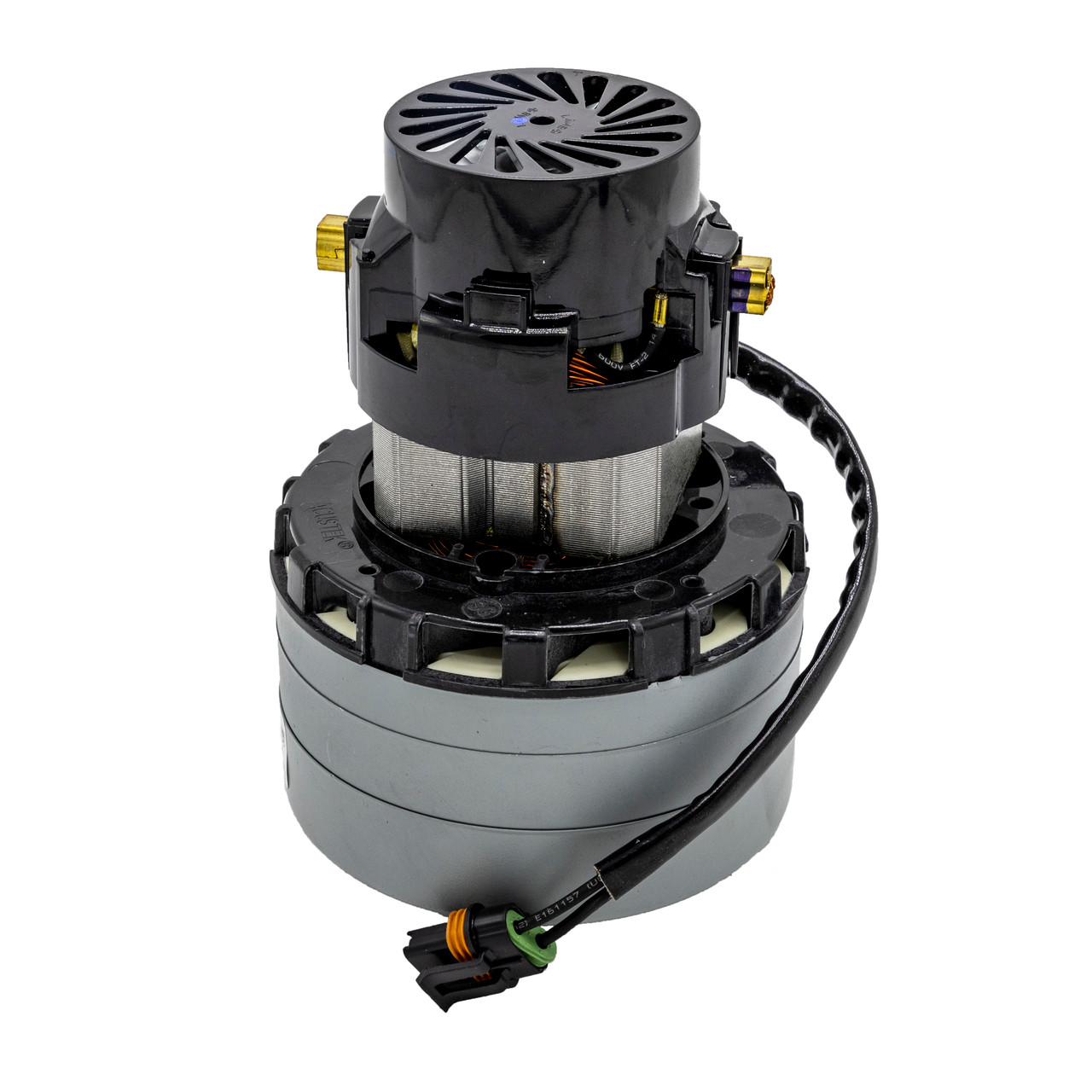
Credit: shop.usaclean.com
Vacuum Motor Basics
Understanding vacuum motors is key to choosing the right vacuum cleaner. These motors power the suction that picks up dirt and debris. Knowing how they work helps you compare 2 stage and 3 stage vacuum motors effectively.
The basics cover what a vacuum motor is and how it operates. This knowledge sets the foundation for deeper insight into motor performance and efficiency.
What Is A Vacuum Motor?
A vacuum motor is a small electric motor inside a vacuum cleaner. It creates the suction force needed to pull air and dirt. The motor spins a fan that moves air through the vacuum. This airflow picks up dust and debris from floors and surfaces.
Without the motor, the vacuum cleaner cannot work. Different motors offer varying power levels and suction strengths. This affects how well the vacuum cleans different types of messes.
How Vacuum Motors Work
The motor spins a fan at high speeds inside a sealed chamber. This spinning fan lowers the air pressure inside the vacuum. Lower pressure creates suction that pulls air into the machine.
Air flows through filters or bags where dust and dirt get trapped. Clean air then exits the vacuum. The motor keeps running to maintain steady suction during use.
More stages in a motor mean more fans or impellers. This design increases suction power and efficiency. A 3 stage motor has an extra fan compared to a 2 stage motor. It can generate stronger suction and better airflow.
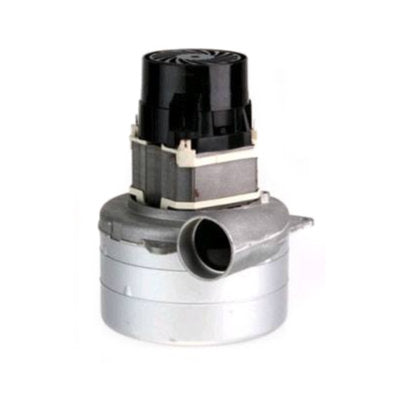
Credit: www.cleanfreak.com
2 Stage Vacuum Motors
2 Stage Vacuum Motors are common in many vacuum cleaners. They offer better power than single-stage motors but cost less than 3 stage motors. These motors use two sets of blades to move air and create suction. They work well for most household and light commercial tasks.
They balance power and energy use. Many people choose 2 stage vacuum motors for their reliability and efficiency. These motors run cooler and last longer than single-stage motors. They provide enough suction for cleaning carpets, floors, and furniture.
Design And Components
2 Stage Vacuum Motors have two impellers inside. The impellers spin to push air and create suction. The motor includes a fan, shaft, and housing. The fan blades are placed in two separate chambers. Air moves through the first stage and then the second. This design boosts airflow and suction power.
The motor usually has a strong shaft and bearings. These parts help the motor run smoothly and last longer. The housing protects the internal parts and helps cool the motor. The design keeps the motor compact and light.
Performance Features
These motors offer solid suction power. They move more air than single-stage motors. They run cooler due to the two-stage design. This means less heat and longer motor life. They use less electricity than 3 stage motors. Noise levels are moderate and acceptable for home use.
2 Stage Vacuum Motors have good airflow and pressure. This helps pick up dirt, dust, and debris well. The motor speed is stable for consistent cleaning. They provide good balance between power and energy use.
Common Applications
2 Stage Vacuum Motors are common in upright and canister vacuums. They work well for homes, offices, and small businesses. These motors clean carpets, hard floors, and upholstery. They are also used in shop vacuums and some industrial cleaners.
They fit tasks that need strong suction without high cost. Many vacuum models use these motors for everyday cleaning. They handle dust, pet hair, and small debris with ease. They are a popular choice for reliable cleaning power.
3 Stage Vacuum Motors
3 stage vacuum motors offer stronger suction than 2 stage motors. They have an extra fan that increases air pressure. This makes them ideal for tough cleaning jobs. These motors work well in both home and commercial vacuum cleaners. Users get better dirt and dust removal with these motors.
Design And Components
3 stage vacuum motors have three sets of fans inside. Each fan spins to push air through the motor. This design creates higher airflow and suction power. The motor also has a strong electric coil to run the fans. The parts are made to handle heat and pressure. This ensures the motor lasts longer and works efficiently.
Performance Features
These motors produce more suction than 2 stage motors. They maintain steady power during heavy cleaning. The airflow rate is high, allowing quick dirt pickup. They work quietly compared to older motors. The motor stays cool due to better airflow design. This reduces the risk of overheating during use.
Common Applications
3 stage vacuum motors suit carpet and floor cleaning. They are used in commercial vacuums and industrial machines. People use them for cleaning large spaces faster. These motors are good for removing pet hair and fine dust. They fit well in upright, canister, and backpack vacuums. Their power helps clean homes, offices, and workshops efficiently.
Comparing 2 Stage And 3 Stage Motors
Vacuum motors are key to strong cleaning performance. The choice between 2 stage and 3 stage motors affects power, noise, and energy use. Each motor type has unique benefits and limits. Understanding these differences helps pick the right motor for your needs.
Both types use multiple fan stages to boost suction, but the number of stages changes how they work. Below is a clear comparison of their features.
Suction Power And Efficiency
2 stage motors provide solid suction for regular cleaning tasks. They use two fans to create airflow and pressure. 3 stage motors add a third fan, increasing suction power and efficiency. This extra stage helps clean deeper and handle tougher debris. For heavy-duty work, 3 stage motors perform better.
Durability And Maintenance
2 stage motors have fewer parts, making them simpler and easier to maintain. They often last longer under normal use. 3 stage motors have more components, which may need more care. Proper maintenance keeps both types running well. The choice depends on how much upkeep you prefer.
Noise Levels
2 stage motors tend to be quieter because they run at lower speeds. 3 stage motors can be louder due to extra fans and higher power. Noise varies by model but expect some increase with 3 stage motors. Consider noise if you need a quiet environment.
Energy Consumption
2 stage motors use less energy, making them more cost-effective for daily use. 3 stage motors consume more power but offer stronger suction. Energy use depends on motor size and work intensity. Balance power needs with electricity costs when choosing.
Choosing The Right Motor
Choosing the right vacuum motor is key for effective cleaning. The choice between a 2-stage and 3-stage motor depends on several factors. Each motor type offers different power levels and efficiency. Understanding these differences helps in picking the best motor for your needs.
Assessing Cleaning Needs
Think about the surfaces you clean most often. A 2-stage motor suits light to medium dirt and carpet. A 3-stage motor works better for heavy dirt and large areas. Consider how often you use your vacuum and the dirt type. This helps match the motor strength to your tasks.
Budget Considerations
Prices vary between 2-stage and 3-stage motors. A 2-stage motor usually costs less upfront. A 3-stage motor may cost more but lasts longer and cleans better. Balance your budget with how much cleaning power you need. Avoid spending too much on features you won’t use.
Compatibility And Size
Check if the motor fits your vacuum model. Size and design must match for easy installation. A wrong size can cause poor performance or damage. Some motors work better with specific vacuum brands. Measure carefully and read product details before buying.
Brand And Warranty
Choose a reliable brand known for quality motors. Good brands offer better parts and support. Look for a warranty that covers motor defects or failures. A solid warranty protects your investment. It also shows the brand trusts their product quality.
Tips For Motor Maintenance
Maintaining a vacuum motor is key to its long life and strong performance. Regular care helps avoid costly repairs and keeps the motor running smoothly. Simple steps can prevent many common problems and keep your motor working well.
Routine Cleaning
Dust and debris can harm vacuum motors. Clean the motor area often to stop buildup. Use a soft brush or cloth to wipe surfaces gently. Avoid water or harsh chemicals that may damage parts. Check air filters regularly and replace them as needed. Clean filters help the motor breathe and stay cool.
Troubleshooting Common Issues
Listen for strange noises or weak suction. These signs show motor trouble. Check for loose wires or blocked airways. Tighten any loose connections carefully. Clear any obstructions in the motor or hoses. If the motor overheats, let it cool before using it again. Regular checks help catch problems early.
When To Replace The Motor
Motors wear out over time. If the vacuum loses power or stops working, consider replacement. Frequent overheating or burning smells are warning signs. Repair costs may exceed the value of the motor. Choose a new motor that matches your vacuum’s specs. A fresh motor restores strong suction and reliability.
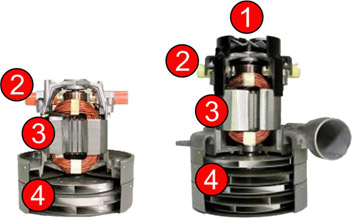
Credit: canavac.com
Frequently Asked Questions
What Is The Main Difference Between 2-stage And 3-stage Vacuum Motors?
A 2-stage motor has two sets of fan blades, while a 3-stage motor has three. More stages mean stronger suction power for better cleaning.
Which Vacuum Motor Stage Is Better For Heavy-duty Cleaning?
A 3-stage vacuum motor works better for heavy-duty cleaning because it creates higher suction power. It handles tough dirt and debris more efficiently.
Do 3-stage Vacuum Motors Use More Electricity Than 2-stage Motors?
Yes, 3-stage motors usually consume more power due to extra fan stages. Still, they offer stronger suction, which can save cleaning time.
Are 2-stage Vacuum Motors Quieter Than 3-stage Motors?
Generally, 2-stage motors are quieter since they have fewer fan stages. More stages can create more noise but improve vacuum performance.
Can 2-stage Vacuum Motors Handle Pet Hair Effectively?
2-stage motors can handle pet hair, but not as well as 3-stage motors. The extra stage in 3-stage motors boosts suction for better hair pickup.
Is Maintenance Different For 2-stage And 3-stage Vacuum Motors?
Maintenance is similar for both; you need to clean filters and check fan blades regularly. More stages might require extra attention to fan parts.
Which Vacuum Motor Stage Offers Better Value For Home Use?
2-stage motors often provide good value for regular home cleaning needs. 3-stage motors suit homes needing stronger suction or dealing with heavy dirt.
Conclusion
Choosing between 2 stage and 3 stage vacuum motors depends on your needs. Two stage motors offer good power for basic tasks. Three stage motors provide stronger suction for heavy-duty use. Each type has its own strengths and suits different jobs.
Think about how much power and efficiency you require. This will help you pick the right motor for your vacuum. Understanding these differences makes your choice easier and smarter.