
Have you ever been confused about the terms backwash and rinse? You’re not alone.
These two words often pop up when talking about cleaning, but they mean very different things. Understanding the difference can save you time, effort, and even money. You’ll discover exactly what backwash and rinse are, why they matter, and how to use each one the right way.
Keep reading, and you’ll never mix them up again.
Backwash Process
The backwash process is a key step in pool maintenance. It helps clean the filter and keeps the water clear. Without backwashing, filters get clogged with dirt and debris. This causes poor water flow and reduces filtration efficiency. Understanding how backwash works improves pool care.
Purpose Of Backwash
Backwash removes trapped dirt and debris from the filter. It pushes dirty water out of the system. This prevents buildup inside the filter media. Clean filters help maintain healthy, clear pool water. Backwashing extends the life of the filter.
How Backwash Works
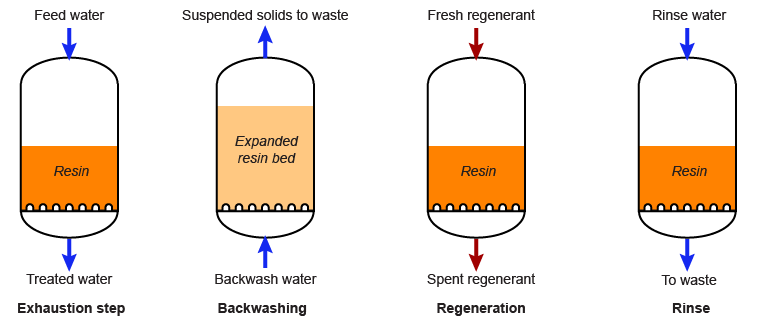
Backwash reverses the flow of water through the filter. Water moves from the bottom to the top. This lifts and flushes out dirt and debris. The dirty water then exits through a waste line. This process cleans the filter without removing it.
When To Perform Backwash
Backwash when the filter pressure rises 8-10 psi above normal. This indicates the filter is clogged. Also, perform backwash after vacuuming a dirty pool. Frequent backwashing keeps the filter effective and water clear. Avoid backwashing too often to save water.

Credit: www.youtube.com
Rinse Process
The rinse process is a key step in maintaining clean pool water. It happens after backwashing and helps clear out any leftover dirt. The rinse flushes out debris and dirt from the filter system. This keeps the pool water fresh and safe for swimming.
Purpose Of Rinse
The rinse process removes dirt and debris left after backwashing. It prevents dirty water from returning to the pool. It also resets the filter bed. This improves the filter’s performance and extends its life.
How Rinse Works
During rinsing, water flows through the filter in one direction. It pushes dirt to the drain pipe. This water is not returned to the pool. The process takes a few minutes to complete. It uses less water than backwashing.
When To Perform Rinse
Rinse after every backwash cycle. This ensures all dirt leaves the filter. Rinsing should last about 1 to 3 minutes. Avoid skipping this step to keep water clean. Some pool systems have automatic rinse settings.
Key Differences
Understanding the key differences between backwash and rinse helps maintain pool filters properly. Both steps clean the filter but serve different roles. Knowing these differences improves pool water quality and extends filter life.
Function Comparison
Backwash removes dirt and debris trapped in the filter. It cleans deep inside the filter media. Rinse clears away leftover dirt after backwashing. It settles the filter material back in place. Each has a unique role in filter care.
Water Flow Direction
During backwash, water flows backward through the filter. This reverse flow pushes dirt out of the filter. In rinse, water flows forward but at a slow rate. This gentle flow settles the filter media and clears any loose particles.
Impact On Filtration
Backwash resets the filter’s ability to trap dirt. It restores full filtration power. Rinse prevents dirty water from returning to the pool. It keeps the filter media stable for effective filtering. Both are essential for clean pool water.

Credit: www.poolassist.com.au
Importance In Water Treatment
Water treatment relies on clean and well-maintained filters. Backwash and rinse are two key steps in this process. They keep the filters working well and ensure safe water. Understanding their importance helps protect water quality and system health.
Maintaining Filter Efficiency
Backwash removes trapped dirt and debris from the filter. This clears the filter media quickly. Rinse washes away any remaining particles after backwash. It stops dirt from returning to the water. Together, they keep filters clean and efficient.
Preventing Contamination
Backwash flushes out harmful substances caught in filters. Rinse cleans out leftover debris and backwash water. This prevents contaminants from entering the clean water supply. These steps reduce the risk of water pollution.
Extending Filter Lifespan
Regular backwash and rinse reduce stress on filters. Clean filters face less wear and tear. This lowers the need for frequent replacements. Proper care helps filters last longer and saves money.
Common Misconceptions
Many people confuse backwash and rinse, thinking they are the same process. This causes mistakes in pool maintenance and cleaning routines. Understanding the difference helps keep pools clean and equipment working well.
Backwash Vs Rinse Confusion
Backwash means cleaning the filter by reversing water flow. It removes dirt trapped in the filter material. Rinse uses normal water flow but flushes out remaining debris after backwash. People often skip rinse or use it as backwash, causing poor cleaning results.
Misuse Consequences
Using backwash instead of rinse wastes water and can damage the filter. Skipping rinse leaves dirt inside the filter, reducing its lifespan. Incorrect steps cause cloudy water and increase maintenance costs. Proper use keeps pools safe and equipment durable.
Credit: dardel.info
Practical Tips
Understanding when to backwash or rinse your filter helps keep your pool clean. Using these tips saves time and ensures your filter works well. Knowing the signs of a dirty filter helps you act quickly.
Simple steps make pool care easier and prevent bigger problems later.
When To Choose Backwash Or Rinse
Backwash is for cleaning the filter deeply. Use it when the pressure gauge shows high pressure. This means dirt blocks the filter. Backwashing pushes water backward to clear out debris.
Rinse is the last step after backwashing. It helps settle the filter media. Rinsing stops dirt from returning to the pool. Use rinse for 30 seconds to 1 minute after backwash.
Rinse can also be used alone after a quick clean. It removes leftover dirt and balances the filter.
Signs Filter Needs Cleaning
Watch the pressure gauge for a rise above normal levels. High pressure means the filter is dirty and needs cleaning. Cloudy or dirty water is another sign to clean the filter.
Slower water flow or poor pool circulation can also show filter problems. If cleaning does not help, check for damaged filter parts.
Regular checks keep your pool water clear and healthy for swimming.
Frequently Asked Questions
What Is The Main Purpose Of Backwash In Filtration?
Backwash cleans the filter by reversing water flow. It removes trapped dirt and debris from filter media. This process helps maintain filter efficiency.
How Does Rinse Differ From Backwash In Pools?
Rinse clears leftover dirt after backwash. It moves water in normal flow to settle filter media. Rinse prevents dirty water from returning to the pool.
When Should You Perform Backwash On A Filter?
Backwash is done when pressure rises in the filter. High pressure means the filter is clogged with dirt. Regular backwash keeps water clean and equipment working well.
Why Is Rinsing Important After Backwash?
Rinsing removes any loose dirt left in the filter. It also restores normal water flow direction. This step protects the pool from dirty water.
Can Backwash And Rinse Damage Pool Filters?
No, both processes are safe when done correctly. Backwash cleans, rinse resets the filter media. Skipping rinse may cause dirt to return to the pool.
How Long Should Backwash And Rinse Cycles Last?
Backwash typically takes 2-3 minutes to clean the filter. Rinse usually lasts 1-2 minutes to clear leftover dirt. Timing depends on pool size and filter type.
Does Backwash Waste A Lot Of Water?
Backwash uses more water than rinse but is necessary. It flushes out dirt that clogs filters. Using water wisely during backwash saves resources.
Conclusion
Backwash and rinse serve different purposes in cleaning filters and dishes. Backwash cleans the filter by pushing water backward. Rinse removes leftover soap or dirt from dishes or laundry. Knowing the difference helps you use each process correctly. This keeps your equipment and items clean and working well.
Simple steps like these improve daily chores easily. Understanding these terms saves time and effort. Keep these points in mind for better cleaning results every time.