
Have you ever stopped to think about the air you breathe every day, especially if you live or work near busy roads? Traffic pollution isn’t just an annoying smell or dirty air—it can seriously affect your health and well-being.
What if the very place you call home or spend most of your work hours is putting you at risk? Understanding these hidden dangers can help you protect yourself and your loved ones. Keep reading to discover why traffic pollution matters more than you might think and what you can do about it.
Health Impacts Of Traffic Pollution
Traffic pollution harms health in many ways. It contains tiny particles and gases. These substances enter the body through the nose and mouth. They affect the lungs, heart, and other organs. Long-term exposure can cause serious health issues. People living or working near busy roads face higher risks.
Understanding how traffic pollution impacts health helps protect yourself and loved ones. The effects vary by age and health condition. Some groups, like children and the elderly, are more vulnerable.
Respiratory Problems
Traffic pollution irritates the lungs and airways. It can cause coughing, wheezing, and shortness of breath. People with asthma often have more attacks. Long exposure may lead to chronic bronchitis or lung infections. Fine particles reach deep into the lungs, causing inflammation. This damage lowers lung function over time.
Cardiovascular Risks
Air pollution from traffic raises the risk of heart disease. Tiny particles enter the bloodstream and cause inflammation. This increases blood pressure and hardens arteries. It raises the chance of heart attacks and strokes. People with existing heart problems face higher dangers. Even short-term exposure can trigger serious events.
Effects On Children And Elderly
Children breathe more air relative to their size. Their lungs and immune systems are still developing. Traffic pollution slows lung growth and causes breathing problems. It also increases the risk of infections. Elderly people often have weaker immune defenses. Pollution worsens chronic diseases like heart and lung conditions. Both groups need extra protection from polluted air.

Credit: www.med.ubc.ca
Sources Of Traffic Pollution
Traffic pollution comes from many sources around roads and highways. These sources affect the air and the environment. Understanding what causes traffic pollution helps us see the risks of living or working near busy streets.
Cars, trucks, and buses produce pollution in several ways. The main sources include emissions from vehicles, dust from roads, and noise from traffic. Each type harms health and quality of life in different ways.
Vehicle Emissions
Vehicles burn fuel to move. This process creates gases like carbon monoxide and nitrogen oxides. These gases mix with the air and cause smog and breathing problems.
Older cars and trucks usually pollute more. Engines that are not well maintained also release extra harmful gases. Diesel engines add soot and tiny particles that can reach deep into lungs.
Road Dust And Particulates
Traffic makes dust and small particles rise from the road. These particles include bits of rubber, dirt, and brake dust. Wind spreads these particles into the air around homes and workplaces.
Breathing these particles can irritate the lungs and worsen asthma. Long-term exposure may increase the risk of heart and lung diseases.
Noise Pollution
Traffic noise comes from engines, horns, and tires on pavement. Constant noise can cause stress and disturb sleep. Noise pollution affects mental health and can lower work productivity.
People living near highways often face higher noise levels. This can lead to headaches, anxiety, and other health problems.
Long-term Exposure Consequences
Living or working near traffic pollution exposes people to harmful air particles. These particles build up in the body over time. The effects can grow worse with long-term exposure. It is important to understand the risks and how they affect health.
Breathing polluted air every day can cause serious health problems. These issues may not show up quickly but develop slowly. The damage can affect many parts of the body.
Chronic Diseases
Long-term exposure to traffic pollution increases the risk of chronic diseases. It often causes lung problems like asthma and bronchitis. Heart disease risk also rises with polluted air. People may suffer from high blood pressure or heart attacks. Pollution can damage the lungs and heart, making it harder to stay healthy.
Mental Health Effects
Air pollution near traffic harms the brain too. Studies link pollution to anxiety and depression. It can cause stress and lower mood. Exposure might even affect memory and focus. Mental health problems can grow worse over time with pollution.
Impact On Immune System
Traffic pollution weakens the immune system. The body struggles to fight infections and illnesses. People exposed to pollution catch colds and flu more often. The immune system may also react too strongly, causing allergies. A weak immune system means poor overall health.
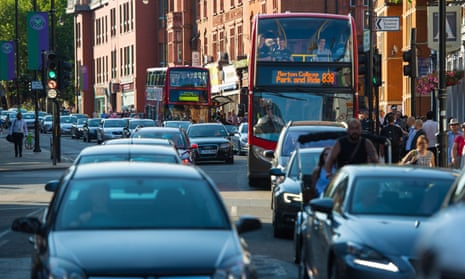
Credit: www.theguardian.com
Vulnerable Populations
Traffic pollution affects everyone but hits some groups harder. Certain populations face higher health risks due to constant exposure. Understanding these vulnerable groups helps us see the true impact of traffic pollution on daily life.
Low-income Communities
Low-income communities often live near busy roads. These areas have more traffic and less green space. Residents breathe in polluted air every day. Limited access to healthcare worsens their health issues. Children in these communities suffer more from asthma and allergies.
People With Preexisting Conditions
Those with asthma, heart disease, or lung problems are at risk. Traffic pollution can trigger attacks and worsen symptoms. Even small increases in pollution cause serious health problems. These individuals need cleaner air to stay healthy and safe.
Outdoor Workers
Outdoor workers spend hours breathing in polluted air. Construction workers, delivery drivers, and street vendors face constant exposure. Their health risks rise with each day spent near traffic. Protective measures and awareness are crucial for their wellbeing.
Mitigation Strategies
Reducing the risks of traffic pollution is important for health. Several strategies help limit exposure and improve air quality. These approaches work together to create safer living and working spaces near busy roads.
Urban Planning And Zoning
Cities can design areas to keep homes and schools away from heavy traffic. Zoning laws guide where buildings and roads go. Creating buffer zones with fewer cars reduces pollution near people. Planning includes wider streets to improve airflow and lower pollution levels.
Personal Protection Measures
Individuals can take steps to reduce their exposure to traffic pollution. Wearing masks with filters helps block harmful particles. Staying indoors during rush hours limits contact with pollution. Using air purifiers at home improves indoor air quality. Choosing walking paths away from busy roads also helps.
Green Infrastructure
Plants and trees act as natural filters for air pollution. Green walls and parks absorb harmful gases and dust. Trees planted along streets can reduce pollution near sidewalks. Green spaces also cool the environment and improve mental health. Using plants strategically makes cities healthier places to live.

Credit: www.researchgate.net
Policy And Regulation
Governments and local authorities create rules to reduce traffic pollution. These policies aim to protect people living and working near busy roads. Regulations focus on lowering harmful emissions and managing traffic flow. Public education also plays a vital role in raising awareness about pollution risks.
Emission Standards
Emission standards limit pollutants from cars and trucks. These rules require vehicles to meet certain pollution levels. Newer vehicles often produce fewer harmful gases. Stricter standards push manufacturers to use cleaner technology. This helps improve air quality near roads.
Traffic Management
Traffic management reduces congestion and pollution in busy areas. Measures include better traffic signals and road designs. Some cities create low-emission zones to restrict dirty vehicles. Encouraging public transport and carpooling also lowers traffic volume. These steps reduce exposure to harmful air pollutants.
Public Awareness Campaigns
Public awareness campaigns inform people about traffic pollution dangers. They promote behaviors that reduce pollution, like using public transport. Campaigns teach the importance of protecting vulnerable groups. Clear messages help people make healthier choices. Awareness supports policy success and cleaner air.
Future Trends And Innovations
Traffic pollution creates many health risks for people living or working nearby. New technologies and ideas aim to lower these risks. These future trends focus on cleaner air and safer streets. They promise to change how cities handle traffic pollution.
Electric Vehicles
Electric vehicles produce no tailpipe emissions. This reduces harmful gases like nitrogen oxides and fine particles. Many cities plan to increase electric vehicle use. Charging stations are becoming more common. Battery technology is improving, making electric cars cheaper and longer-lasting. This shift helps cut pollution near busy roads.
Smart Traffic Systems
Smart traffic systems use sensors and data to manage traffic flow. They reduce traffic jams and stop-and-go driving. This lowers vehicle emissions and fuel use. Traffic lights adjust in real time to ease congestion. These systems improve air quality by cutting down idling cars. They also help emergency vehicles move faster and safer.
Air Quality Monitoring Technologies
New air quality monitors track pollution levels in real time. Small, affordable sensors can be placed near roads and buildings. This helps identify pollution hotspots quickly. Data from these devices guide city planners and health officials. They can make better decisions to protect public health. These technologies empower communities to demand cleaner air.
Frequently Asked Questions
What Health Risks Come From Living Near Traffic Pollution?
Living near traffic pollution can cause breathing problems, heart disease, and allergies. Pollution irritates lungs and raises the chance of asthma attacks.
How Does Traffic Pollution Affect Children’s Health?
Children near traffic pollution face more asthma, bronchitis, and lung issues. Their lungs are still growing and are more sensitive to pollution.
Can Traffic Pollution Increase The Risk Of Heart Disease?
Yes, pollution from traffic can raise the risk of heart attacks and strokes. Tiny particles from exhaust enter the bloodstream and harm the heart.
Does Working Near Traffic Pollution Reduce Lung Function?
Yes, long-term exposure to traffic pollution can lower lung function. This leads to shortness of breath and less ability to exercise.
What Pollutants Are Most Harmful Near Busy Roads?
The most harmful pollutants include nitrogen dioxide, carbon monoxide, and tiny particles. These chemicals cause inflammation and damage to the lungs and heart.
Can Traffic Pollution Affect Mental Health And Brain Function?
Studies suggest traffic pollution may harm brain health, causing memory and focus problems. Pollution can increase stress and anxiety levels too.
How Can People Protect Themselves From Traffic Pollution Effects?
Use air purifiers indoors and keep windows closed during heavy traffic times. Wearing masks and staying away from busy roads also helps reduce exposure.
Conclusion
Living or working near traffic pollution brings real health risks. Breathing polluted air can cause lung and heart problems. Children and older adults suffer the most. Small changes in daily habits can help reduce exposure. Choosing cleaner routes or using air purifiers makes a difference.
Communities should push for better traffic and pollution controls. Protecting yourself starts with knowing the dangers. Stay informed and take simple steps to breathe easier every day. Your health matters.