
You can sell exercise equipment most effectively on local online marketplaces like Facebook Marketplace or Craigslist for large items. These platforms allow you to avoid high shipping costs for heavy machines like treadmills or squat racks. If your item is smaller, like adjustable dumbbells or resistance bands, you can often find a quicker buyer by listing them on specialized fitness gear apps or community bulletin boards.
Best places to sell exercise equipment
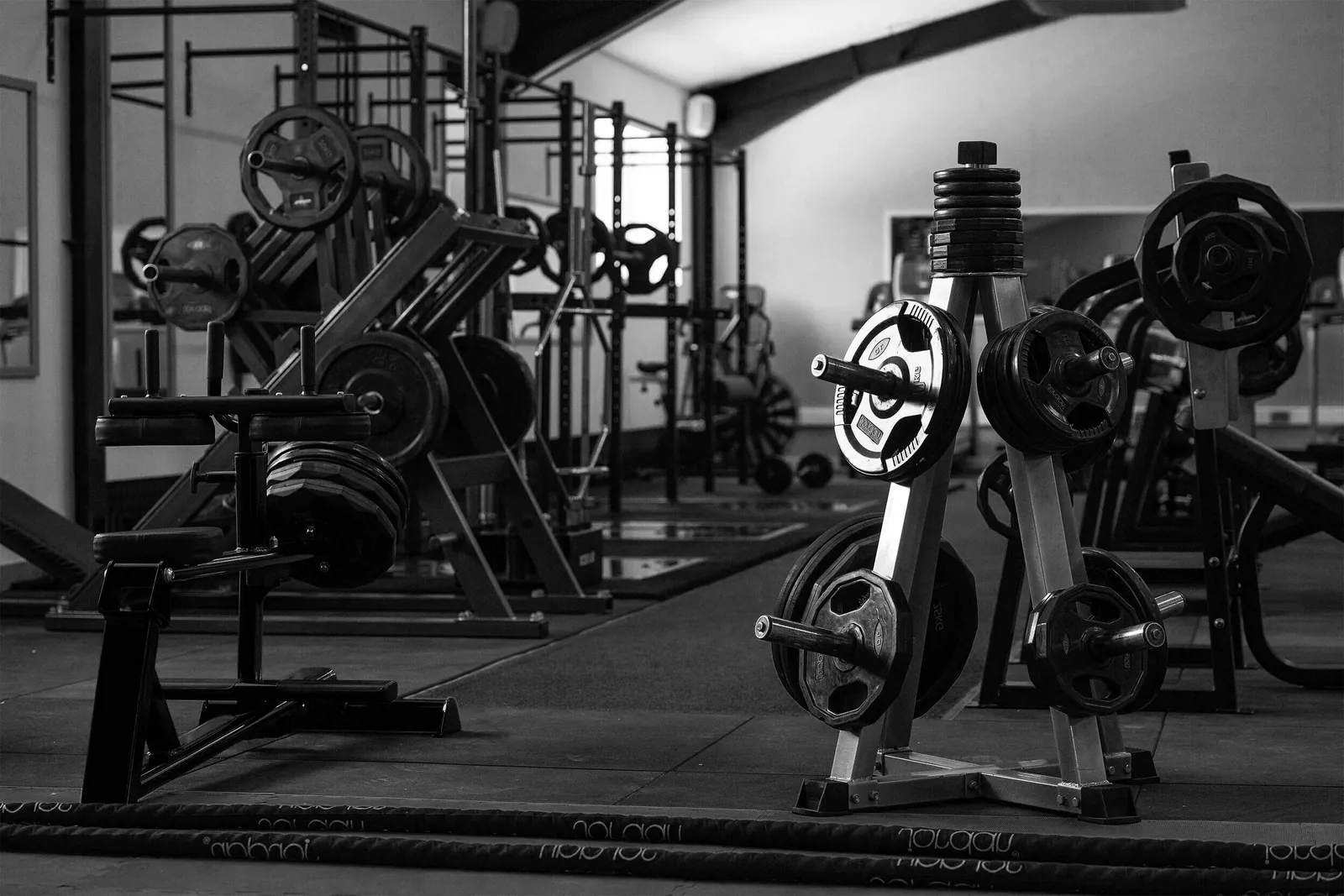
Facebook Marketplace remains the gold standard for heavy, bulky items like power racks or ellipticals. By requiring local pickup, you eliminate the prohibitive costs of freight shipping.
Play It Again Sports offers immediate cash for name-brand cardio or weight equipment.
Craigslist serves a vital, older demographic that avoids social media. Use this platform when selling vintage iron plates or niche equipment that appeals to serious hobbyists.
OfferUp provides built-in buyer ratings to improve safety. If a potential buyer lacks a verified profile or history, insist on meeting in a well-lit, public parking lot.
Contact local independent gyms if you own commercial-grade equipment. These owners often purchase high-end gear in bulk to replace worn inventory, provided you have the original maintenance logs to prove its service history.
Why local sales are usually better
Selling exercise gear locally is almost always better than shipping it because of the extreme weight and size of these machines. Most treadmills, home gyms, and elliptical machines weigh between 150 and 300 pounds. If you try to ship a 200-pound treadmill across the country, the freight costs will often exceed the total value of the machine. By keeping the sale local, you transfer the cost and effort of moving the equipment to the buyer.
If you list a machine online, clarify immediately that the buyer must provide their own transport and labor. A common mistake is failing to specify that the buyer is responsible for moving the item down stairs or through narrow doorways. This oversight often leads to a canceled sale at your front door when the buyer realizes their vehicle is too small or they lack the physical help required.
Safety is a primary concern when you’re moving heavy metal equipment in and out of a home. You must ensure that heavy items are dismantled properly to prevent injury or damage to your flooring. If you aren’t confident in your ability to move a heavy unit, don’t hesitate to ask the buyer to bring a second person to help with the heavy lifting during the pickup.
Another reason to choose local platforms is the ability to show the product in working order. A buyer is much more likely to pay your asking price if they can see the machine running or inspect the welds on a weight bench in person. This eliminates the uncertainty that comes with buying used fitness gear online. If you’re selling a machine with moving parts, be prepared to let the buyer test it briefly before the final payment is exchanged.
When to use different selling methods
You should change your selling strategy based on the weight, brand, and type of equipment you’re offloading.
| Situation | What changes | What to do instead |
|---|---|---|
| Commercial equipment | Value is very high | Contact local gym owners directly |
| Small accessories | Shipping is affordable | List on national auction sites |
| Very old models | Low resale demand | Donate to a local charity |
| High-end brands | Premium buyer interest | Use enthusiast fitness forums |
| Urgent sale | Time is limited | Lower price for quick pickup |
If your gear weighs over 100 pounds, avoid national shipping platforms entirely. The cost of freight will eat your profit unless you pass that burden to the buyer, which kills your conversion rate. For heavy items, stick to local marketplaces where the buyer handles transport.
If you’re selling a machine that’s quite aged, don’t expect a premium for the brand name. Buyers in this segment care only about current functionality. If the belt slips or the motor whines, price it at 20% of its original retail value to move it within a week.
If you’re unsure of the value, check the “sold” listings on auction sites rather than the “active” ones. Active listings show what people hope to get; sold listings show what the market actually supports.
How to sell your gear successfully
Clean the equipment thoroughly. Use a damp cloth to wipe down all surfaces and remove dust or sweat. A clean machine suggests that you maintained it well, which justifies a higher price. Buyers often equate a layer of grime with internal mechanical neglect.
Take clear, bright photos. Photograph the machine from all angles, including close-ups of the console, buttons, and any wear on the belts or grips. Good lighting makes a massive difference in attracting buyers. If you’re selling a treadmill, capture the deck condition; if it’s a weight set, show the knurling on the bars.
Include the exact model number. Find the sticker on the frame and search for the current retail price of that model. If you can’t find the model number, measure the footprint of the machine and note it in your listing. Providing the exact dimensions prevents the common mistake of buyers arriving with a vehicle that’s too small to transport the item.
Write an honest description. State exactly how long you have owned the item and if there are any known issues. If the machine makes a specific noise or needs a new belt, mention it immediately to save everyone time. Hiding a defect only leads to a failed transaction once the buyer arrives to inspect the gear.
Set a firm, fair price. Check what similar models are selling for in your specific zip code. If you want a quick sale, price your item at 20% lower than the lowest comparable listing you see nearby.
Arrange a safe pickup time. Always meet during daylight hours. For large machines, ensure you have an open path from the room to the front door before the buyer arrives. If you live in an apartment, verify that the elevator fits the equipment before posting the ad.
The mistakes that ruin a sale
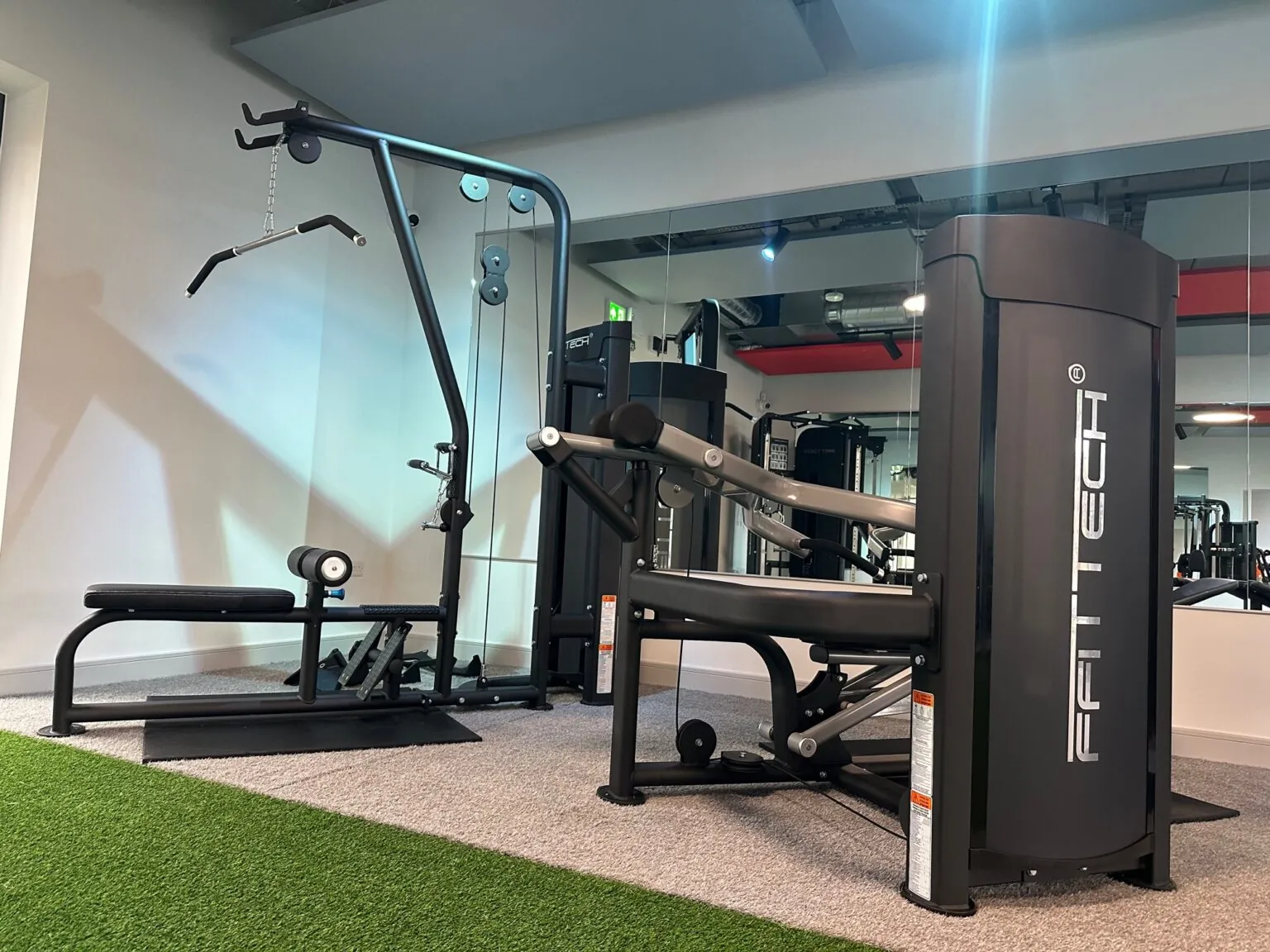
Overpricing the item kills interest instantly.
Failing to mention defects creates a wasted trip. Always disclose frayed cables or stiff knobs in the body of your description. If you hide these flaws, the buyer will inevitably cancel the deal upon inspection, costing you both time and credibility.
Using blurry photos forces buyers to assume the worst. Take at least five high-resolution images in natural light, focusing specifically on the wear points of the frame and belt. If the condition is unclear, buyers will naturally assume the item is damaged.
Ignoring messages is the fastest way to lose a sale. Buyers typically message three sellers simultaneously. If you’re busy, set an auto-reply to confirm you have seen their interest.
Related guides
Frequently asked questions
How long does it take to sell exercise equipment?
Most exercise equipment sells within 3 to 7 days if it’s priced competitively for your local market. If your item hasn’t received any interest after 10 days, your price is likely too high for the current condition of the machine. Check the listings in your area again and lower your price by 10% to attract new buyers who might have been ignoring your post.
Is it safe to have strangers come to my house?
It’s safe if you take basic precautions like asking the buyer to bring a friend to help move the equipment. You don’t have to give your home address until the buyer confirms they’re on their way. If you feel uncomfortable, ask to meet in a neutral, well-lit parking lot or suggest that the buyer picks up the item from your garage instead of inside your home.
Should I accept a lower offer from a buyer?
You should accept a lower offer only if the buyer is willing to pick up the item immediately without you needing to help them move it. If your goal is to clear space quickly, a lower price is a fair trade for someone who takes the item off your hands today. However, don’t drop your price if you have just listed the item and have many other people interested.
What happens if the buyer says it doesn’t work?
You should be honest about the condition before they arrive, as most problems with used equipment are easy to spot during a quick test. If the machine worked when you listed it, show the buyer how to operate it properly when they arrive. If they still claim it’s broken, you aren’t obligated to complete the sale, but you should be prepared to explain why you believe it’s functional.
Does it matter if I don’t have the manual?
It doesn’t matter because most fitness equipment manuals are available for free on the manufacturer’s official website. You can include a link to the digital manual in your listing to show that you’re a helpful and prepared seller. This small step often makes a buyer feel more confident that they’re purchasing a well-documented and reliable piece of equipment.
Can I sell broken exercise equipment?
You can sell broken equipment for parts, but you must be very clear in your listing that it’s for repair only. Many people look for specific parts like motors or control boards to fix their own machines. If you do this, price the item at a significant discount and clearly state that it’s being sold in “as-is” condition with no returns allowed.
Conclusion
Selling your equipment is a simple process if you’re clear about the condition and realistic about the price. Take the time to clean the machine and provide clear photos, as these small efforts help you find a buyer much faster. Once you have a fair price set and a safe plan for the pickup, you’ll likely find that your gear moves to a new home without any trouble at all.
