
A power interruption or blocked safety sensor is the most likely reason your Chamberlain garage door opener won’t work, which you can confirm by checking the motor unit and sensor lights. If the power is out, the unit remains unresponsive, while misaligned sensors typically cause the lights to flash.
Troubleshooting your Chamberlain garage door opener
| Cause | How common | How to confirm it | Fix it yourself? |
|---|---|---|---|
| Power supply failure | Very common | Check wall outlet status | Yes |
| Sensor misalignment | Very common | Check sensor indicator lights | Yes |
| Remote battery dead | Common | Test wall button instead | Yes |
| Obstruction in path | Common | Look for items in door | Yes |
| Logic board failure | Rare | No response to anything | No |
| Broken torsion spring | Rare | Door feels heavy/stuck | No |
If your wall outlet is dead, check the GFCI breaker in your garage or kitchen first. Many homeowners mistakenly call a technician when a simple reset button on the outlet solves the issue.
When checking sensors, look for a solid green light. If the light flickers, the lenses are misaligned or dirty. Wipe them with a dry cloth before adjusting the angle.
If your door feels heavy, don’t force the motor to lift it. A broken torsion spring carries the weight of the entire door; if it snaps while you’re operating the system, the door can fall rapidly. If the door doesn’t stay open halfway when you release it manually, the spring is failing.
If the wall button works but the remote does not, check for interference from new LED bulbs. Some cheap bulbs emit radio frequencies that block remote signals. Replace them with garage-rated LEDs to restore range.
Power supply and electrical connection issues
A loss of electricity is the most frequent cause for an unresponsive garage door system. If the motor unit light doesn’t turn on when you press the wall button, the unit isn’t receiving power. First, check your home’s circuit breaker panel to see if the switch for the garage has tripped to the off position. If the breaker is fine, verify the power cord is pushed firmly into the ceiling outlet.
If you have a battery backup model, it may be operating in a low-power mode if the main electricity is disconnected. You can identify this by a beep or a specific status light on the motor unit housing.
If the unit remains silent and dark despite these checks, the issue might lie with the internal wiring or the outlet itself. Don’t attempt to open the motor housing to inspect internal wires, as this can lead to electrical shock. If the outlet has no power, consult a licensed electrician to safely restore the connection to your home’s electrical system.
Safety sensor misalignment and interference
Safety sensors are small units mounted on each side of the door track, and they must face each other to function. If the green or amber light on either sensor is flickering or off, the invisible beam is broken or misaligned. The manufacturer notes that these sensors must be positioned no more than 6 inches above the floor to ensure safe operation.
If the lights are solid but the door still refuses to close, check for physical debris blocking the path between the two sensors. Even a small object like a garden tool or a stray box can prevent the beam from completing the circuit. If you have recently bumped the brackets while cleaning or moving items, tighten the wing nuts to secure them in place.
Misalignment often stems from vibration during the door’s operation. If the sensors are level but the light remains unstable, gently adjust the bracket angle until the beam locks. You’ll know the alignment is perfect when the status LED glows continuously without a flicker.
If the sensors are cracked or the wires leading to them are frayed, you must contact a professional technician to replace the safety system. Ignoring damaged wiring risks a short circuit that can disable the entire opener logic board. When in doubt, have a technician confirm whether the part has failed.
Remote control and wall console failures
A dead remote battery is a frequent source of frustration when you assume the entire opener is broken. To confirm if the remote is the culprit, try operating the door using the wired wall console inside your garage. If the wall console works but the remote does not, replace the coin-cell battery inside the remote. Most remotes use a standard 3-volt lithium battery, which you can find at any local hardware store.
If the wall console is also unresponsive, check if the “Lock” feature has been accidentally activated. Many Chamberlain wall consoles have a dedicated lock button that disables all remote signals for security. Look for a blinking light or an icon on the console display that indicates this mode is active.
If the lock is engaged, press and hold the button for several seconds to deactivate it. If the console remains unresponsive after checking the lock status, the issue may be a loose wire behind the console or a failed logic board, which requires professional assistance.
Less likely causes for system failure
Broken torsion springs: The door feels extremely heavy or won’t lift even an inch because the spring tension is gone. This is a high-risk repair requiring a professional. Never attempt to loosen the bolts on a stationary cone, as the stored energy can cause severe injury.
Worn drive gear: You hear the motor running but the door doesn’t move. This suggests the internal plastic gear has stripped. If you see white plastic shavings on the floor beneath the motor housing, the gear is definitively failing and needs a technician’s replacement.
Travel limit settings: The door stops before hitting the floor or reverses immediately. This happens if the travel distance needs recalibration.
Interference: A new electronic device in the garage is blocking the radio frequency. Test this by bringing the remote within two inches of the antenna. If the door operates at this distance but fails from the driveway, you must install an external receiver.
What a fix usually involves
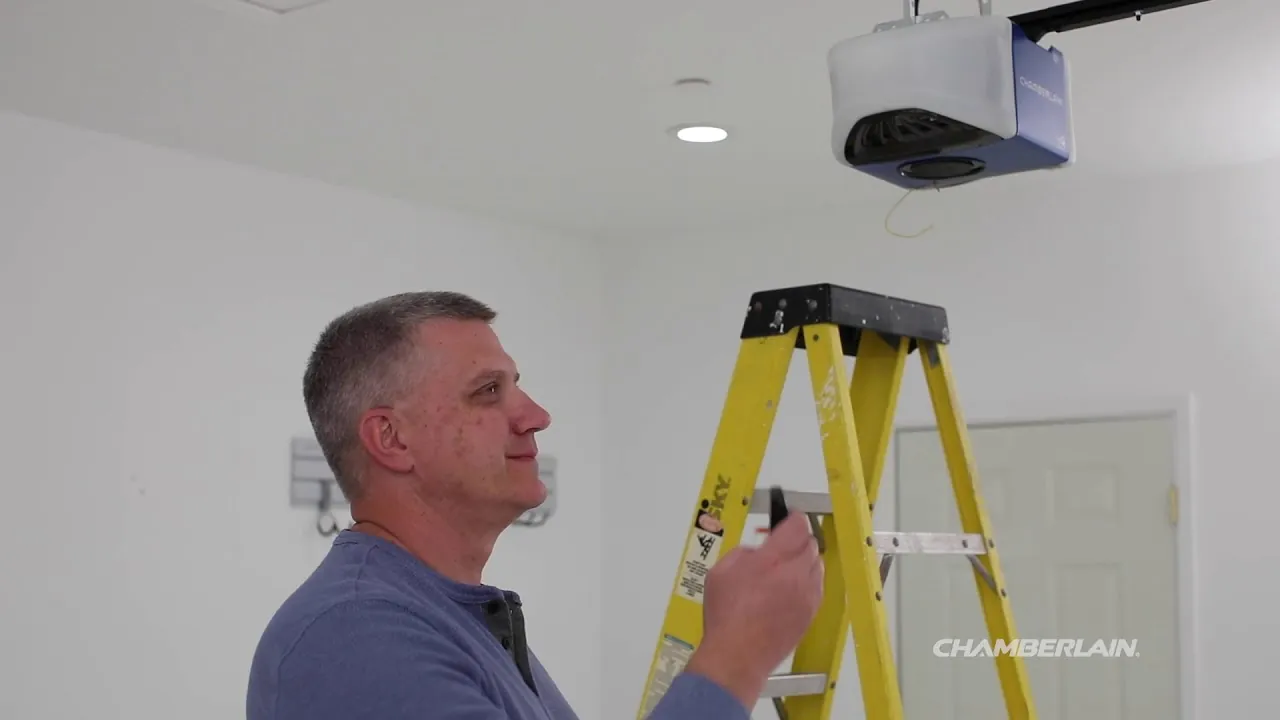
Fixing most common issues requires only basic household tools like a screwdriver or a ladder. If you need to align sensors, you’ll spend about as much time as you would cleaning a small room, and it costs nothing but your effort.
If you find that you need new parts, such as a battery or a sensor kit, the cost is modest and comparable to buying a standard kitchen appliance part. You can check the specific model number on the side of your motor unit to ensure you buy the correct replacement components.
When a professional is required, such as for a spring replacement or a logic board repair, the cost will be significantly higher than a DIY fix. A professional visit involves labor fees and parts, which can be comparable to the cost of a major home repair service. Always request a written quote before allowing any work to start. You can find authorized service providers by visiting the manufacturer’s website to ensure they’re trained to work on your specific opener model.
Related guides
- Verizon Fios Router Blinking White: How to Fix Your Connection
- How to Reset Amana Ice Maker: Simple Steps to Fix Your Unit
Frequently asked questions
How long does a garage door opener last?
Most openers last for a significant period with regular maintenance and proper spring tension. The lifespan depends heavily on the frequency of use and whether the door is balanced, which you can check by disconnecting the opener and lifting the door manually. If the door feels heavy or falls when you let go, it’s putting extra strain on your motor and will shorten its life.
Is it safe to open the motor housing?
No, it isn’t safe to open the motor housing because it contains high-voltage components and capacitors that can hold a dangerous electrical charge even when unplugged. You can safely perform external checks like testing the wall outlet, cleaning the sensors, and changing remote batteries. Any issue requiring you to remove the cover or touch internal wiring is a job for a qualified service technician.
What happens if the power goes out?
The door won’t move using the remote or wall button unless you have a battery backup system installed. If you don’t have a battery backup, you must pull the manual release cord to open the door by hand. Always ensure the door is in the closed position before pulling the cord to prevent it from slamming shut unexpectedly due to gravity.
How do I reset my chamberlain garage door opener?
You can reset the unit by clearing the memory, which is done by pressing and holding the “Learn” button on the motor unit for about 6 to 10 seconds. You’ll see the indicator light blink once the memory is cleared, and you’ll then need to reprogram all your remotes. This process is usually required only if you have lost a remote or are experiencing persistent signal interference.
Does the wall button need to be replaced if it stops working?
The wall button might only need a simple cleaning or a wire check, but if the internal contacts are damaged, it will need a full replacement. You can test the wiring by removing the button from the wall and touching the two wires together briefly to see if the door activates. If the door moves, your wall button is faulty and should be replaced with a compatible model.
Why does my garage door open by itself?
The door opens by itself if there’s a short in the wall console wiring or if a neighbor’s remote is interfering with your signal. Check the wires leading to the wall console for any signs of fraying or pinched insulation. If the wiring looks secure, clearing the memory and reprogramming your remotes will prevent any unauthorized signals from operating your door.
How much does a professional repair cost?
A professional repair typically costs between the price of a minor home plumbing fix and a major appliance service, depending on the parts needed. The exact price depends on whether the technician needs to replace a motor, a logic board, or a torsion spring. Always ask for an estimate based on your specific model number before the technician begins any work on your system.
Conclusion
If these quick checks don’t get things moving, don’t hesitate to reach out to a local professional for help. Sometimes a worn-out gear or a faulty circuit board needs an expert’s touch to fix. You’ll be back to using your remote again soon, so just stay patient while you troubleshoot the issue.
