
When your garage door fails to open or close, a malfunctioning garage door opener is usually caused by misaligned safety sensors or a simple power interruption. Checking the wall outlet and the sensor alignment often solves the issue in minutes. If the door moves a few inches and reverses, the safety sensors are likely blocked or out of position. Always ensure the path of the door is clear of debris before testing the system again.
Why garage doors stop working
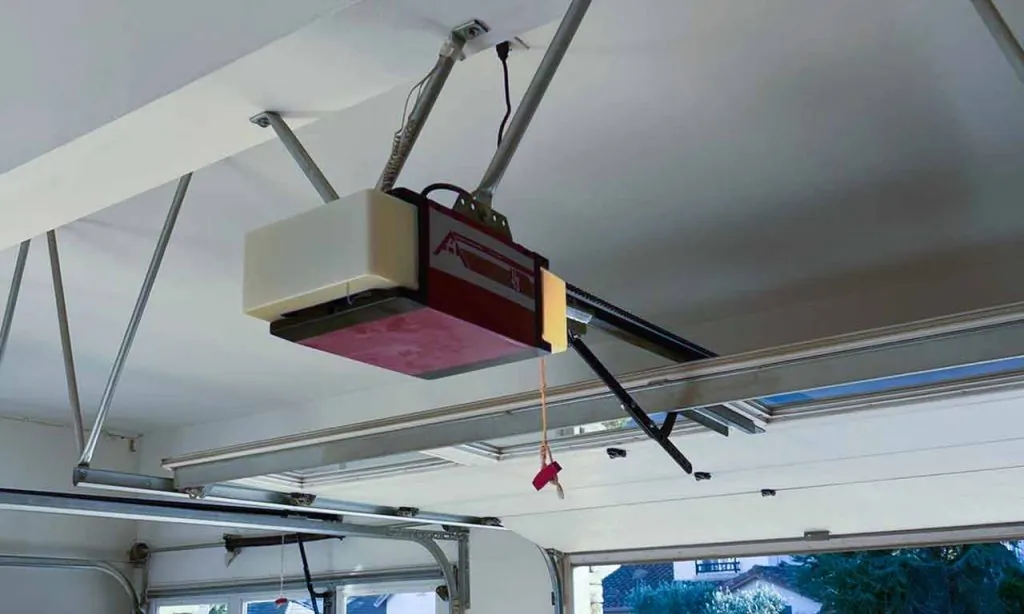
Most problems with automatic openers stem from basic electrical or alignment issues rather than broken hardware. If the unit has no lights and doesn’t hum when you press the button, check your home’s circuit breaker panel to see if the power supply has tripped. A loose wire or a dead battery in the remote control can also prevent the signal from reaching the motor unit.
Another common cause is the safety reversal system. Federal regulations require that these systems reverse the door if an object interrupts the beam, which prevents injury or property damage. If they become bumped or misaligned, the opener will assume an object is in the way and refuse to operate.
Finally, internal gear wear can cause the motor to run without moving the door. If you hear the motor spinning but the chain or belt remains still, the internal drive gears have likely stripped. While minor electrical fixes are safe for most homeowners, internal motor repairs involve high-tension springs and electrical components that should only be handled by trained technicians to avoid serious injury.
Align the safety sensors
If your opener lights are flashing, the safety sensors are the most likely culprit. These two small boxes, mounted near the floor on both sides of the door, contain an infrared eye that must see its partner across the opening. When they’re aligned, both sensors will show a steady light, usually green or amber. If the lights are flickering or off, you must adjust them by hand.
Loosen the wing nut on the sensor bracket and slowly pivot the unit until the indicator light turns solid. Once the light is steady, tighten the wing nut firmly so the sensor doesn’t move again. If you have trouble getting a solid light, clean the glass lenses with a soft, dry cloth to remove dust or spiderwebs that might be blocking the beam.
This fix works for most standard residential systems. If you have a professional-grade opener with complex electronic diagnostics, check the manufacturer’s manual for the specific light code sequence. If you can’t get a steady light after cleaning and adjusting, the sensors themselves may be faulty and need replacement. Never bypass these sensors, as they’re a critical safety feature for your family and pets.
Reset the travel limits
The “travel limit” tells your opener exactly how far the door should go before it’s fully open or closed. If the door stops too early or hits the floor and bounces back up, the settings are out of sync. You can fix this by adjusting the limit screws or the digital programming buttons located on the back or side of the motor housing.
Find the adjustment knobs, which are typically labeled “up” and “down” or “open” and “close.” Rotate the down limit screw in small increments, usually one-quarter turn at a time, toward the “plus” or “down” sign to increase the travel distance. After each turn, operate the door to see if it reaches the floor without reversing. If the door hits the floor too hard, back the screw off slightly.
This process requires patience because small movements lead to large changes in door position. If your unit uses digital buttons, follow the specific sequence in your user manual to enter “program mode.” If the door continues to reverse even after you have set the limits correctly, check the track for any bent metal or debris that creates resistance. If the track is damaged, you’ll need a professional to realign it safely.
Inspect the drive system
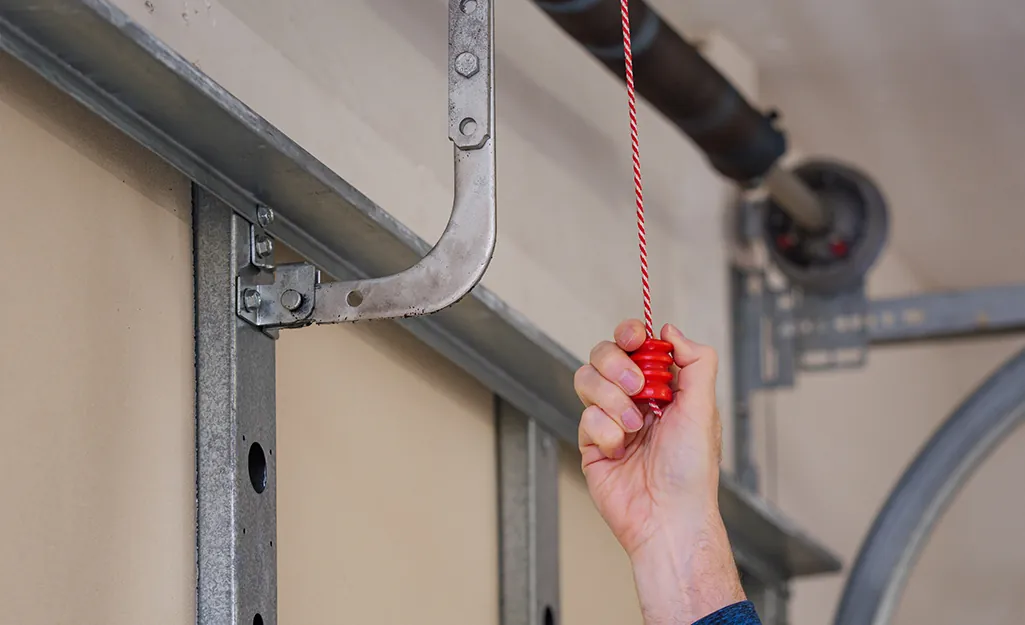
Sometimes the problem isn’t the motor, but the mechanical connection between the motor and the door. If the door is stuck or moves very slowly, check the trolley—the part that slides along the rail—to ensure it’s engaged with the chain or belt. You’ll see a red release cord hanging from the trolley; if this is pulled, the door is in manual mode and the motor can’t move it.
If the trolley is disconnected, pull the cord toward the door and slide the trolley until it clicks back into the drive mechanism. If the chain or belt is sagging significantly, it may need tightening. Locate the tension adjustment bolt on the end of the rail near the front wall and turn it clockwise until the chain sits about half an inch above the rail base.
Be aware that this fix isn’t for everyone. If you aren’t comfortable using a ladder or handling mechanical parts, hire a professional to perform the adjustment. If your garage door has a broken spring—which you can identify by looking for a clear gap in the coiled metal above the door—don’t attempt any repairs. Broken springs are under extreme tension and can cause severe injury if they snap suddenly.
Common mistakes to avoid
Never apply grease to the garage door track itself. Lubricant attracts grit and metal shavings, turning the track into a sandpaper-like surface that grinds down your rollers. If you hear a squeak, apply a light silicone-based spray only to the hinges and the bearings inside the rollers.
If the door sticks, stop hitting the wall button. Holding it down forces the motor to fight the obstruction, which frequently strips the plastic drive gears inside the housing. If the door reverses before hitting the floor, check for a pebble or a misaligned sensor first.
Never tape your safety sensors together or bypass them to stop the door from reversing. These sensors are calibrated to detect objects as small as a toddler’s hand. If the door fails to reverse when you block the beam, replace the sensors immediately.
Don’t ignore grinding or screeching. If the door jerks during travel, the lift cables are likely fraying or unevenly wound. A cable snap under tension can cause the door to fall instantly.
Always verify your motor’s serial number before buying replacement parts. Universal remotes often fail to sync with older rolling-code systems, leaving you locked out of your own garage.
Preventing future malfunctions
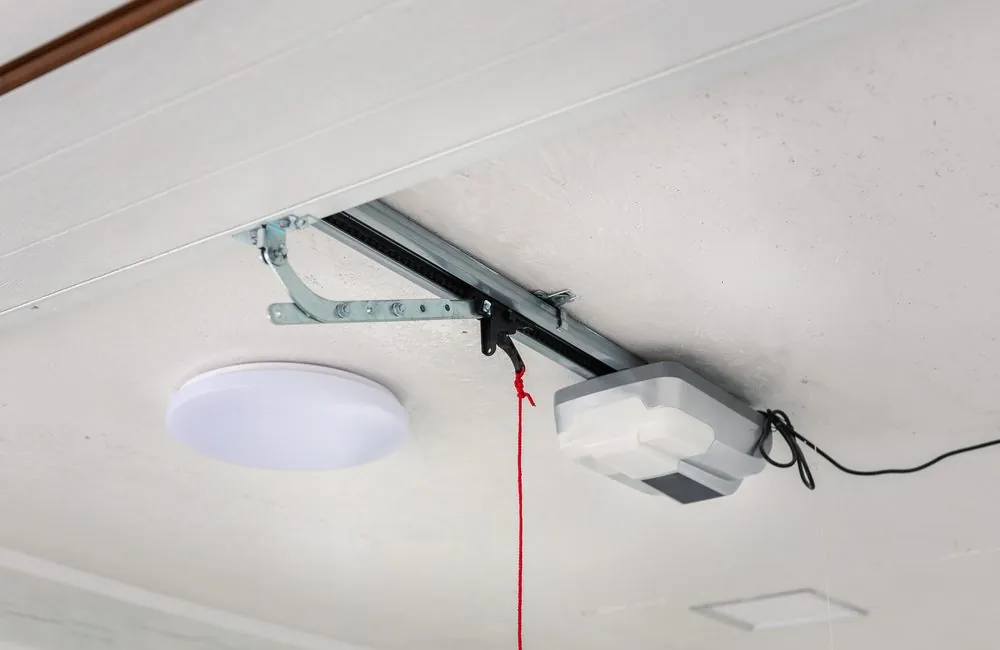
Consistency is the best way to keep your system running smoothly for years. If you use your garage door every day, you should perform a physical check twice a year to ensure everything remains tight and clean.
| If you’re doing this | Do this instead | Why |
|---|---|---|
| Ignoring small squeaks | Spray silicone lubricant on hinges | Metal-on-metal friction wears down parts |
| Leaving the track dirty | Wipe the rails with a dry cloth | Dirt causes the rollers to drag |
| Ignoring a sagging chain | Adjust the tension bolt | A loose chain can skip teeth on the gear |
| Only checking the door | Test the auto-reverse feature | This ensures the safety beam still works |
| Leaving the door half-open | Close the door fully | This prevents accidental damage to the motor |
Listen for a rhythmic clicking sound during operation. This often signals that a roller bearing is failing or a hinge bolt has backed out from vibration. If you hear this, tighten all hardware immediately before the metal fatigue causes a structural failure.
Most homeowners make the mistake of greasing the tracks. Never apply oil to the rails, as it traps grit and creates a grinding paste that destroys the nylon wheels. Use a dry lubricant only on the internal bearings. If the door feels heavy when lifted manually, stop using the motor. A spring that has lost its tension will burn out your opener’s gears within weeks. Call a professional to reset the spring balance before the motor fails entirely.
Related guides
- Chamberlain Garage Door Opener Troubleshooting: Easy Fixes
- LiftMaster vs Chamberlain: Which Garage Door Opener Is Best
- LiftMaster vs Overhead Door Garage Door Openers: The Verdict
Frequently asked questions
Can I fix a garage door opener myself?
You can perform minor repairs like sensor alignment, battery replacement, or travel limit adjustments yourself using basic tools. These tasks are safe as they don’t involve the high-tension spring system. Stop immediately if you notice frayed cables or uneven movement, as these require professional attention.
Why does my garage door open by itself?
Random opening is usually caused by signal interference or a faulty wall button. Reset your remote codes according to the manual to clear synced devices. If the issue persists, inspect the wall button for moisture or stuck contacts, as these often trigger false signals.
How long do garage door openers last?
Most residential garage door openers last 10 to 15 years with regular maintenance and standard usage. You can extend this lifespan by cleaning the tracks and lubricating moving parts annually. If the door feels heavy when lifted manually, the springs likely require professional adjustment.
Is it safe to use the manual release cord?
You can safely use the manual release cord as long as the door is in the closed position. Pulling the cord while the door is open may cause it to fall rapidly if the springs are failing. Always stand to the side to avoid injury.
What happens if the garage door sensor is broken?
A broken safety sensor prevents the door from closing to avoid crushing objects or people. The opener will typically flash its lights or click without moving the door. You must replace or realign the sensor before the motor will resume normal operation.
Conclusion
If these quick checks don’t get things moving, it’s best to call a professional technician. They’ll safely inspect the springs and motor to prevent any accidents. Don’t try to force the mechanism if it’s stuck, as you don’t want to cause further damage. A little expert help will get you back on track.
