
A pedestrian door, often called a man door in a garage door, allows you to enter or exit your garage without opening the main overhead door. Installing one is generally an affordable addition to the cost of a new system, depending on local labor rates and the door model you choose. This guide explains the technical requirements, safety considerations, and structural trade-offs involved in integrating a walk-through door into your current garage setup.
Understanding the man door in a garage door
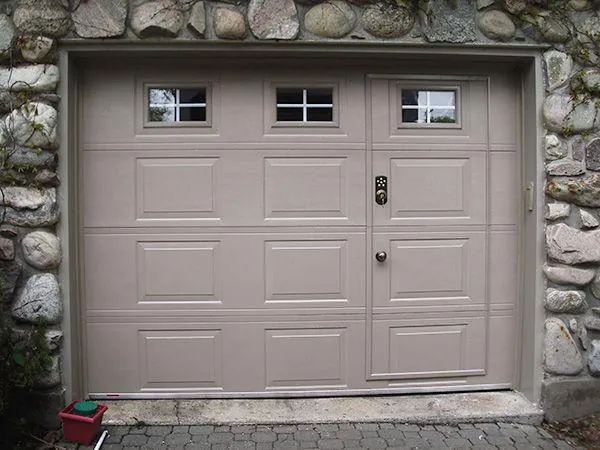
A man door is a standard-sized entry door built directly into the frame of a sectional garage door. It’s designed for convenience, letting you move tools, bicycles, or yourself in and out quickly without the energy loss associated with raising a full garage door. These systems are popular in climates where keeping the garage temperature controlled is a priority, as they prevent the large-scale air exchange that happens when the main door opens.
One common misconception is that you can easily retrofit any existing garage door to include a walk-through door. In reality, adding this feature requires a specialized, reinforced door frame because the garage door panels aren’t meant to support a heavy, swinging door on their own. If the structural integrity of the original panels is compromised during cutting, the entire door system can buckle or fail under its own weight.
If your garage door is constructed from thin-gauge steel or aluminum, it lacks the rigidity to support a hinged cutout. You must verify that your door has a heavy-duty, internal steel frame before considering an installation. If the door feels flimsy or flexes when you push it, skip the retrofit and order a factory-integrated unit instead. Installing a door into a weak panel costs you the entire system, as the torsion springs will lose their balance point immediately.
When choosing a design, ensure the threshold height is no more than one inch. A higher lip creates a dangerous tripping hazard for anyone carrying gear. If you frequently move heavy equipment, prioritize a model with a reinforced bottom rail to prevent the door from sagging over time.
Steps for professional door installation
Adding this type of entry requires precise engineering and specialized hardware. Most professionals follow a strict sequence to ensure the door remains balanced and safe to operate.
- Measure the clear opening width of your garage door to ensure you have enough space for the door frame.
- Select a pre-fabricated garage door system that arrives from the factory with the man door cutout already reinforced.
- Install the vertical tracks and the horizontal header, ensuring the frame is perfectly level and square.
- Attach the garage door sections to the tracks, carefully balancing the spring tension to account for the extra weight of the man door.
- Install the heavy-duty hinges and the threshold plate to ensure the door seals tightly against the floor.
The critical judgment call is the spring tension. If you set the spring tension too low, the door will be too heavy to lift manually and may strain your opener motor. If you set it too high, the door may fly upward uncontrollably when the lock is released.
Because this involves high-tension springs that can cause severe injury, follow the Occupational Safety and Health Administration guidelines for hazardous energy control. If you lack experience with torsion springs, hire a certified garage door technician to handle the final calibration.
Key numbers and settings at a glance
The following figures provide a baseline for planning your installation. These values assume a standard residential garage door setup; for oversized or commercial doors, always consult your manufacturer’s technical manual.
| Situation | What to use | How long | What to watch for |
|---|---|---|---|
| Standard height | 80-inch door | 4-6 hours | Proper latch alignment |
| Low-headroom space | Side-mount opener | 1 day | Track clearance |
| Cold climates | Insulated core | 2 hours extra | Weather-seal gaps |
| High-traffic use | Heavy-duty hinges | Constant use | Hinge bolt tightness |
| Safety testing | Electronic interlock | 15 minutes | Auto-stop function |
If your garage has less than 12 inches of headroom, you must account for specialized track kits that allow the door to function within tighter vertical constraints.
Achieving a high-quality result
Experienced installers focus heavily on the alignment of the threshold and the weather stripping. Even a small gap at the bottom of the man door can lead to significant drafts or pest entry, which defeats the purpose of having a dedicated entrance. They always check that the door swings freely without rubbing against the floor or the frame, as friction here will eventually warp the lightweight garage panels.
Another detail is the interlock switch. This safety feature cuts power to the main garage door opener if the man door is left open, preventing the main door from rising and causing structural damage. Beginners often skip this step or choose a cheaper door without an interlock, which creates a significant risk. If the main door opens while the man door is open, the hinges can snap or the entire assembly can be ripped from the wall.
Fixing common operational issues
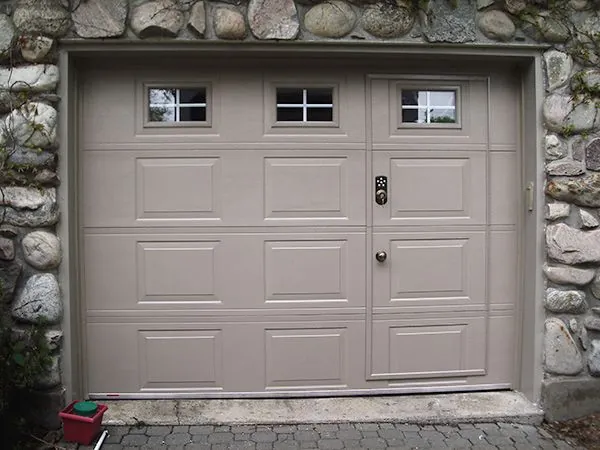
When your door stops closing smoothly, it’s usually due to shift in the frame or loose hardware. Use the table below to identify the most common problems and their immediate solutions.
| What you notice | What it usually means | What to do first |
|---|---|---|
| Door rubs the frame | Settling or loose hinges | Tighten all hinge screws |
| Drafts at the bottom | Worn weather seal | Replace the rubber sweep |
| Door won’t latch | Misaligned striker plate | Adjust the plate position |
| Opener won’t start | Interlock is triggered | Check if the door is latched |
If you notice the door frame sagging, don’t attempt to force it back into place with brute strength. This often indicates that the underlying garage door panel has cracked, and you’ll need to replace the panel section to prevent a total system collapse.
Compliance and safety rules
Safety regulations for garage entry points are strict to prevent entrapment and accidents. In the United States, Underwriters Laboratories sets the standard for automatic door systems, including requirements for how doors must react to obstructions.
If your door lacks a sensor that reverses the motor upon contact, you’re operating outside of current UL 325 safety standards. Test this by placing a two-by-four piece of lumber in the path of the closing door. If the door doesn’t retract within two seconds of contact, your safety eyes or pressure sensors are misaligned.
If you’re modifying an existing door, be aware that most insurance providers require that any structural changes meet local building codes. If you alter the door yourself, you risk voiding the manufacturer’s warranty on the entire garage door assembly. Always check with your local building department to see if a permit is required for structural modifications to your garage facade.
Keeping it working afterwards
Maintenance is simple if you perform it twice a year. Every six months, inspect the hinge bolts and the latch mechanism for signs of wear or rust. Apply a silicone-based lubricant to the hinges to prevent squeaking and to ensure the door doesn’t put unnecessary stress on the garage panels. If the door becomes difficult to swing, check the threshold for debris, as even small pebbles can jam the bottom sweep and cause the door to bind.
If you find that the door is sagging, check the vertical tracks of the main garage door. If the tracks themselves have shifted, the man door will never align correctly, no matter how much you adjust the hinges. When the door no longer seals tightly despite new weather stripping, it’s time to have a professional check the door for structural warping.
Most homeowners make the mistake of tightening the hinges to fix a drag. This usually strips the wood screws. If the door drags, check the gap at the top corner first. If the gap is wider at the top, the frame has settled. If the gap is uniform, the hinges are simply loose. Tighten the screws only if the frame is square.
When to use a different approach
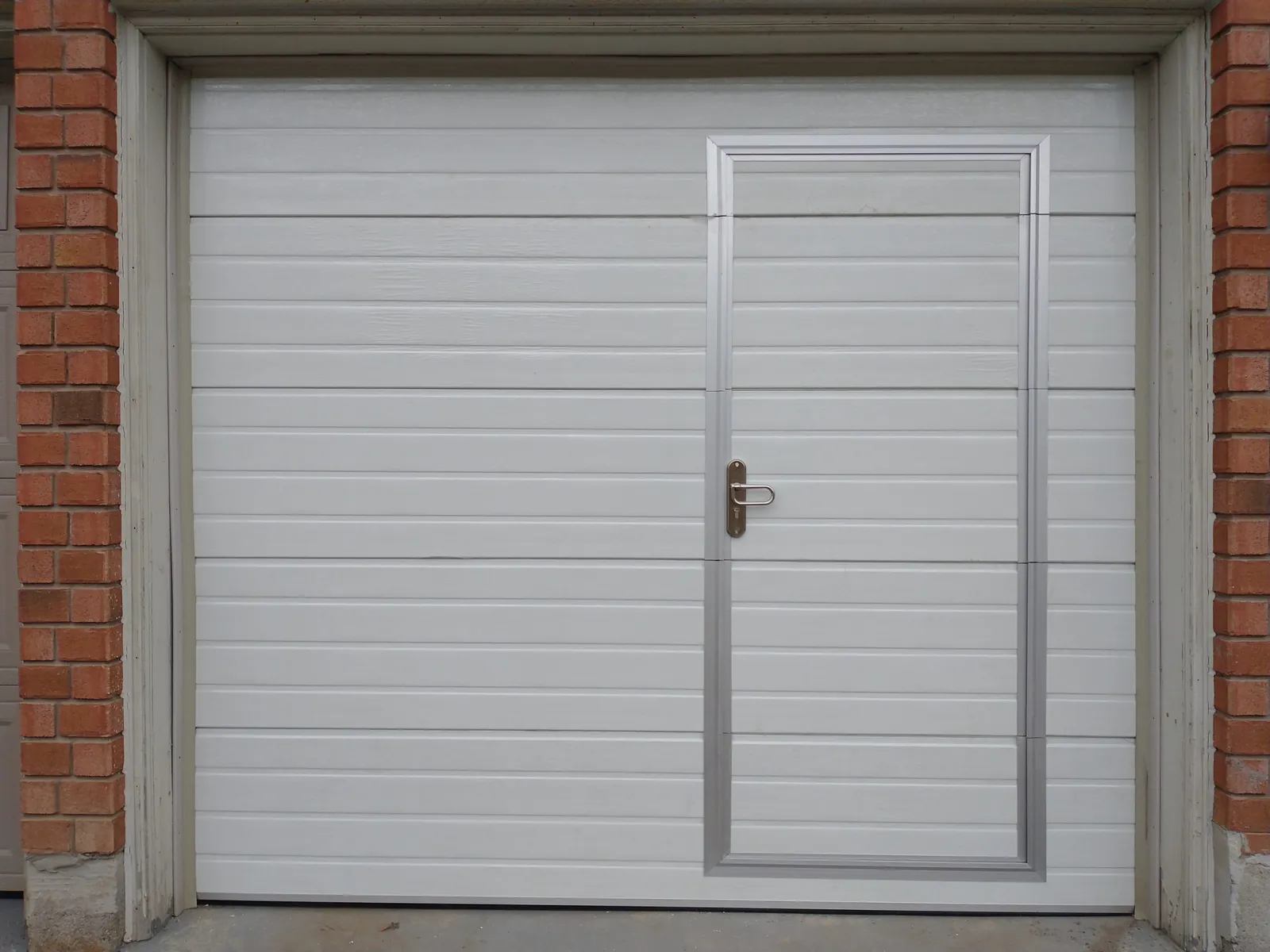
A man door isn’t the right choice for every situation. If you have a very narrow garage door, installing a walk-through section will severely weaken the remaining structure, making the entire door prone to warping or failure. In this case, it’s much safer and cheaper to install a separate, independent entry door in the garage wall nearby.
If your primary goal is security, realize that a man door in a garage door is inherently less secure than a solid, wall-mounted steel door. Because the door is essentially a cutout in a thin panel, it’s easier to force open. If you live in an area with high crime, a dedicated steel door set into the masonry or wood framing of the garage wall is a much stronger option.
Related guides
- Garage Door Cable Came Off Drum: How to Fix It Safely
- Chamberlain Garage Door Opener Troubleshooting: Easy Fixes
- LiftMaster vs Chamberlain: Which Garage Door Opener Is Best
Frequently Asked Questions
Can I install a man door myself?
No, it isn’t recommended for a DIYer due to the extreme danger of working with high-tension garage door springs. These springs can cause severe injury or property damage if they slip during installation. Always hire a professional garage door contractor who has the proper tools and training to balance the system safely.
Is it safe to use the garage door while the man door is open?
No, it’s never safe to operate the garage door while the man door is open.
How often should I lubricate the hinges?
You should lubricate the hinges every 6 months to ensure smooth operation and prevent rust. Use a high-quality silicone-based lubricant rather than grease, as grease attracts dust and grit that can wear out the hinges and the door sweep over time.
What happens if the door doesn’t latch properly?
This can lead to the hinges being ripped out of the panels, causing expensive damage. Adjust the strike plate immediately until the latch clicks firmly.
How much weight does a man door add?
A typical man door adds between 40 and 70 pounds to the total weight of the garage door assembly. This extra weight must be accounted for by the installer when selecting the correct torsion springs. If the springs aren’t upgraded to handle this weight, the garage door opener will fail prematurely.
Can I add a man door to an old wooden garage door?
No, you can’t safely add a man door to an older wooden garage door because the material lacks the structural rigidity required to support the cutout. These doors weren’t engineered for such modifications, and cutting into them will cause the panels to sag or snap under their own weight.
Conclusion
Adding this convenient entry point will make your daily routine much smoother. Before you commit to the project, it’s best to contact a local professional to inspect your garage’s frame. They’ll confirm if your wall can handle the modification, so you won’t have any unexpected structural issues down the road.
