
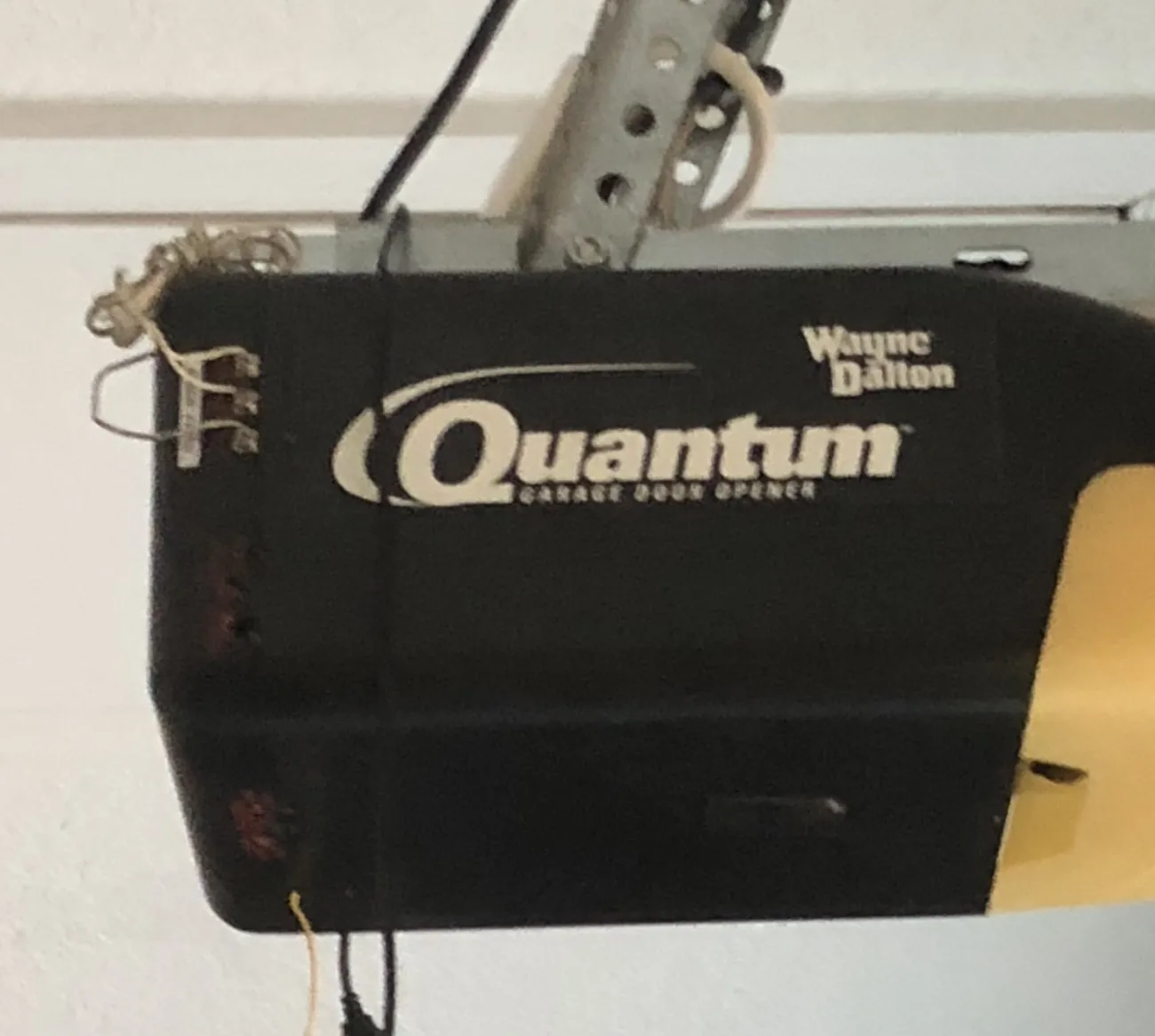
You can identify a quantum wayne dalton garage door opener by checking for the “Quantum” branding on the motor housing or by looking at the remote control’s frequency, which typically operates on 303 MHz or 372 MHz. These units are part of a legacy line of residential garage door operators that use specific rolling code technology to secure the signal between the remote and the motor unit. While the company still manufactures doors, they no longer produce these specific older operator models, making parts harder to find than for newer systems.
Wayne Dalton Quantum garage opener overview
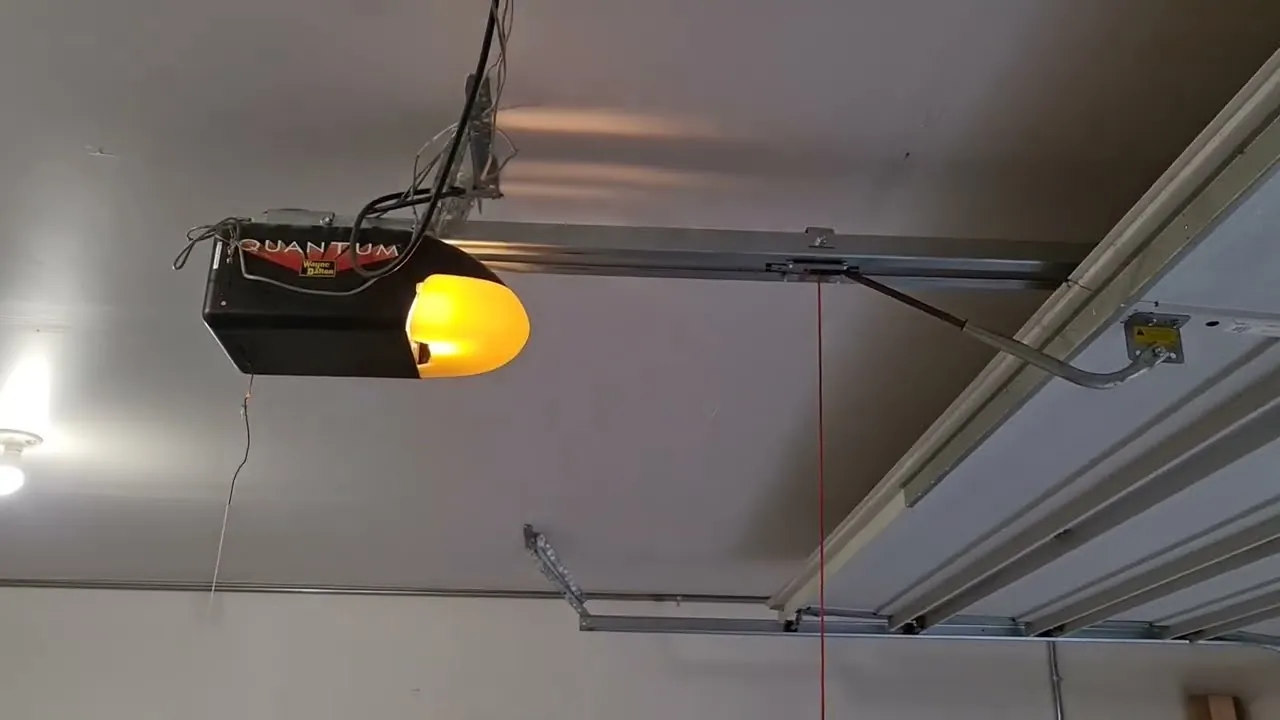
The following table lists common versions of these openers and their primary operational characteristics. You can check the specific model number on the side or back of your motor unit housing to see which category your device falls into.
| Model Name | Best For | Example Use Case |
|---|---|---|
| Quantum 3214 | Residential light use | Standard 7-foot garage door |
| Quantum 3314 | Enhanced security access | Multi-user garage access |
| Quantum 3414 | Heavy-duty lifting | Large carriage house doors |
Choose the 3214 only if your door is made of lightweight aluminum.
If you manage a shared driveway or a rental property, prioritize the 3314. It utilizes rolling-code encryption that cycles every time you press the button, preventing neighbors from accidentally opening your door.
For oversized carriage doors, the 3414 is your only viable option. If you install this on a standard, lightweight door, the excessive torque often strips the mounting brackets from the ceiling. Always inspect your door’s weight rating on the manufacturer’s sticker before choosing your model.
Quantum 3214
The Quantum 3214 is a standard chain-drive garage door operator designed for basic residential use in homes with standard ceiling heights. It suits homeowners who need a reliable, no-frills system for everyday vehicle entry and exit. This unit relies on a 1/2 horsepower motor, which is sufficient for most single or double-car garage doors made of lightweight steel or aluminum.
- Operates on the 303 MHz frequency for reliable signal transmission.
- Features a rolling code system that changes the security code after every use.
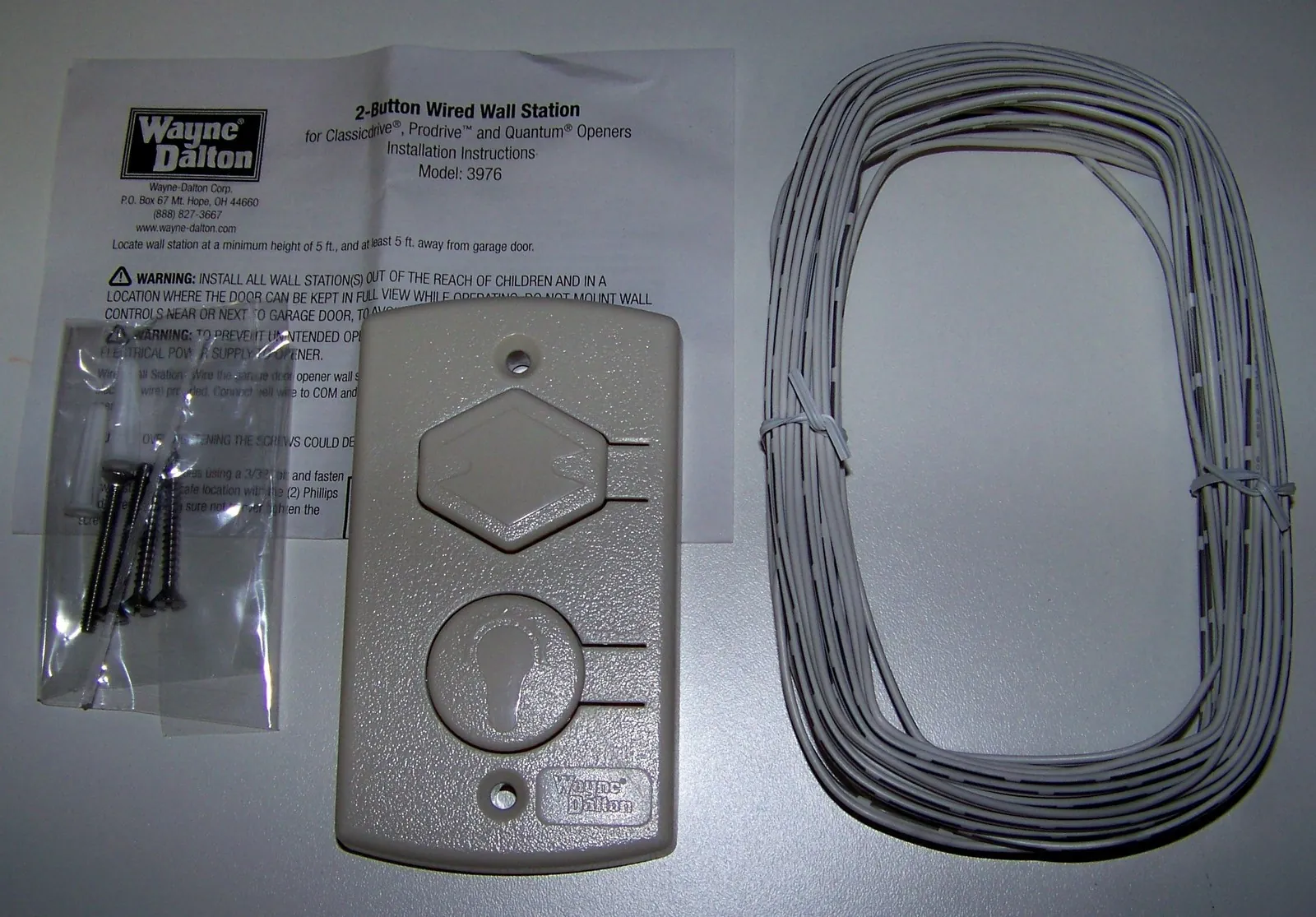
- Includes a standard wall-mounted push button for manual operation from inside the garage.
- Supports safety sensors that automatically reverse the door if an object is detected.
You might use this model to open a standard 7-foot sectional door by pressing the button on your handheld remote once. If the door moves a few inches and stops, check the alignment of the safety sensors near the floor. These sensors are vital for preventing injury, as detailed in the Consumer Product Safety Commission garage door guidelines.
Quantum 3314
The Quantum 3314 serves as a mid-tier upgrade that offers improved security features compared to the 3214 model. It suits homeowners who prioritize extra protection against signal interception or those who need to program a higher number of remote controls for multiple family members. The internal logic board is designed to handle more frequent usage cycles than the entry-level 3214.
- Utilizes a more complex rolling code algorithm to prevent unauthorized signal cloning.
- Compatible with a wider range of keyless entry pads for secure outside access.
- Includes a vacation mode that disables all remote signals when you’re away.
- Provides a stronger internal light relay to accommodate higher-wattage bulbs.
You might use this model to manage access for three different vehicles by programming each remote to the unique receiver code. If you find that one remote works while another does not, the issue is likely the individual remote’s battery rather than the motor unit itself. Always replace remote batteries with the specific voltage type listed inside the remote’s battery compartment to avoid damaging the circuit board.
Quantum 3414
The Quantum 3414 is the heavy-duty option in this series, built to handle the extra weight of solid wood or carriage-style garage doors. It suits owners of older homes or custom-built garages where the door panels are significantly heavier than the industry standard. This unit requires a stronger mounting bracket system due to the higher torque it exerts during the opening and closing cycles.
- Features a reinforced gear and sprocket assembly for increased mechanical longevity.
- Designed for doors up to 8 feet in height without requiring a separate extension kit.
- Equipped with a soft-start and soft-stop feature to reduce wear on the door hardware.
- Offers a higher lift capacity for doors with wood overlays or decorative hardware.
If your door feels heavy or sticks during the winter, this motor provides the necessary power to overcome that resistance. However, if the door remains difficult to move even when disconnected from the opener, the springs are likely failing. Never attempt to adjust or replace garage door springs yourself, as they’re under extreme tension and can cause severe injury; contact a professional garage door technician for spring service.
Quantum 372 MHz series
The Quantum 372 MHz series is a specialized variant that uses a different radio frequency than the standard 303 MHz models. It suits environments where 303 MHz signals face interference from other electronic devices, such as nearby security systems or amateur radio equipment. Using the wrong frequency remote will prevent the opener from responding, even if the remote is brand new.
- Provides a distinct frequency band to minimize signal dropout in busy areas.
- Maintains the same rolling code security protocols as other Quantum models.
- Requires a specific 372 MHz compatible remote control for successful synchronization.
If your opener uses the 372 MHz frequency, you’ll typically see a specific label on the back of the motor unit confirming this. Mixing up 303 MHz and 372 MHz remotes is the most common mistake when replacing lost controllers, and it will result in a complete failure to pair. Always check the model number on your existing remote to ensure the replacement matches the frequency your motor is tuned to receive.
Troubleshooting and other models
-
Quantum 3014: This is a basic 1/3 horsepower model designed for very small, lightweight doors. It’s best for single-car detached garages where the door is rarely used and speed isn’t a priority. Always check your door’s weight sticker before installation.
-
Quantum 3212: This model is a variation of the 3214 but with a slightly different drive rail configuration. It suits homeowners who need a specific replacement part for an existing rail system that doesn’t match the 3214 mounting holes. If you’re retrofitting, measure your current rail span first.
How to choose between them
Your choice depends on the weight of your garage door and the radio frequency your current remotes use. If you have a standard sectional door, the 3214 or 3314 will suffice. If you have a solid wood door or a carriage-style door, you must choose the 3414 to ensure the motor has enough torque to lift the weight safely.
Always check the frequency label on your motor housing before buying a replacement remote, as 303 MHz and 372 MHz units aren’t interchangeable. Picking one of these doesn’t prevent you from adding external accessories, but ensure any keypad or remote you buy specifically lists compatibility with the Quantum line.
Related guides
- Chamberlain Garage Door Opener Troubleshooting: Easy Fixes
- LiftMaster vs Chamberlain: Which Garage Door Opener Is Best
- LiftMaster vs Overhead Door Garage Door Openers: The Verdict
Frequently asked questions
Can I still find replacement parts for these openers?
Yes, you can find parts like gears, sprockets, and logic boards through specialty online hardware suppliers, though they’re no longer in production. Check the model number on your motor housing first to ensure the part matches your specific revision. Since these units are older, you may find that some electronic components are discontinued, making it necessary to upgrade the entire system if the main circuit board fails.
How long should a garage door opener last?
A well-maintained garage door opener typically lasts for a long period, depending on the frequency of use and the condition of the door itself.
Is it safe to repair the motor myself?
It’s safe to perform basic maintenance like replacing light bulbs, batteries, or testing sensor alignment, but you must avoid touching the internal electrical components or the spring system. If the motor requires internal wiring repairs or if the door springs need adjustment, stop immediately and call a professional. Working with high-voltage wiring or high-tension springs carries a real risk of electric shock or physical injury.
What happens if I lose my remote?
You can replace a lost remote by purchasing a compatible 303 MHz or 372 MHz transmitter and following the pairing instructions on your motor housing. You’ll need to press the “Learn” button on the motor unit and then press the button on the new remote to sync them. If you can’t locate the “Learn” button, check your owner’s manual or the label on the motor to identify the specific programming sequence.
Does the frequency of my remote matter?
Yes, the frequency must match your motor unit exactly, or the remote won’t send a signal the opener can recognize. Quantum openers typically use either 303 MHz or 372 MHz, and these two frequencies can’t communicate with each other. Look for a label on the back of your existing remote or the motor itself to confirm which frequency you need before buying a replacement.
Can I use a universal remote with a Quantum opener?
Yes, many universal garage door remotes are compatible with Quantum systems, provided they support the 303 MHz or 372 MHz frequency. Before buying a universal remote, check the packaging to see if it lists your specific Quantum model number as a compatible device. If it doesn’t explicitly list Quantum, the remote may not be able to replicate the rolling code signal correctly, and it will fail to operate the door.
Conclusion
Begin by checking the model number printed on the side of your motor housing to determine the exact frequency and power requirements. If the door opens smoothly after you replace a remote or battery, the system is functioning correctly. If you hear a grinding noise or the motor hums but the door doesn’t move, stop using the opener immediately and contact a qualified garage door technician to inspect the internal gears and the door balance.
