
If you want a reliable and quiet system for your home, choosing between a genie or chamberlain garage door opener is mostly about picking the feature set that fits your current lifestyle. Most people find that Chamberlain offers better smart home connectivity through their built-in myQ technology, while Genie provides a wider range of affordable, durable screw-drive models for those who prefer traditional operation. If you need a battery backup system, you must check the local building codes, as some states now mandate this feature for all new installations.
Genie versus Chamberlain features
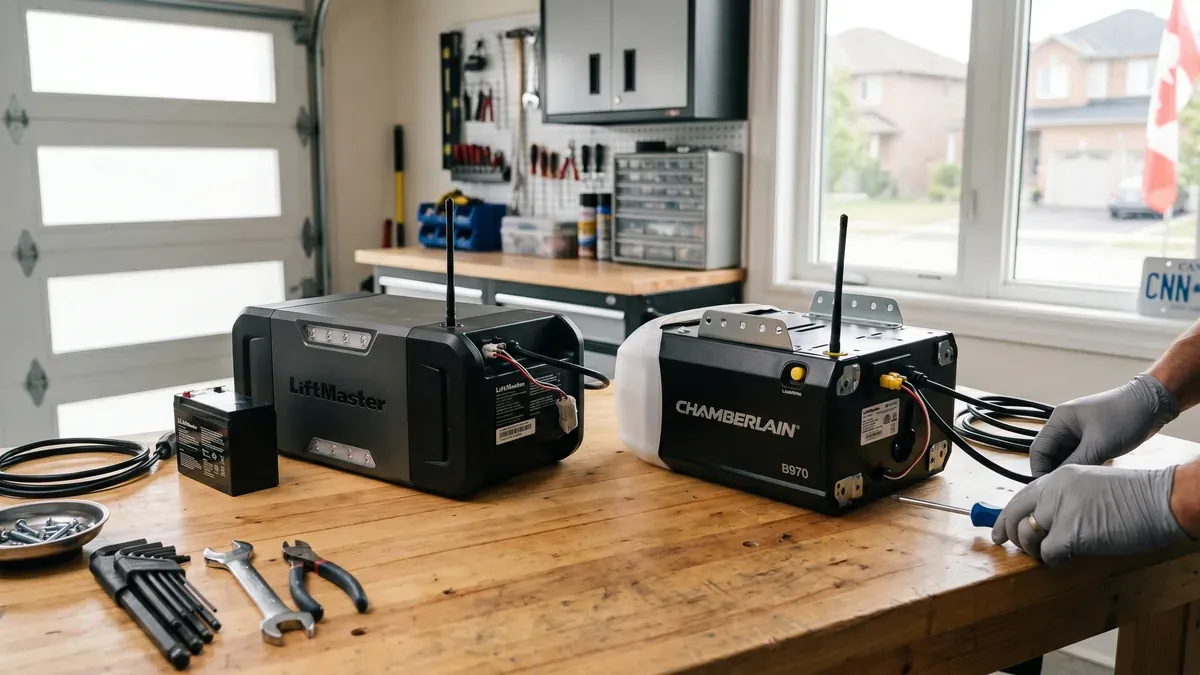
Choosing the right opener depends on your specific needs, such as noise levels, drive types, and smart home integration. The following table compares the typical strengths of these manufacturers to help you decide which one fits your garage setup.
| Method | How long | Effort | Cost | Best for |
|---|---|---|---|---|
| Chamberlain | 10-15 years | Low | Medium | Smart home users |
| Genie | 10-15 years | Low | Low | Budget-conscious buyers |
| Pro-Series | 15+ years | High | High | Heavy-duty doors |
If you own a heavy, oversized carriage-style wooden door, you must select a model with at least a 3/4 horsepower motor. Conversely, for a standard aluminum door, a 1/2 horsepower unit is sufficient and saves you significant installation time.
Most homeowners make the mistake of choosing by brand name rather than drive type. If your garage is attached to a bedroom, prioritize belt-drive models for their near-silent operation. If the garage is detached or separated by a living space, a chain-drive unit is a reliable, cost-effective choice that handles high-frequency use better over time.
Check your current rail system before purchasing. Chamberlain and Genie use proprietary rail profiles that rarely cross-match. If you’re replacing an existing unit, buying the same brand allows you to reuse the existing ceiling mounts and rail, cutting your installation time by roughly two hours. If you switch brands, you must clear the ceiling and drill entirely new mounting holes.
Using Chamberlain openers
Chamberlain units are known for their easy integration with modern home automation systems. You can manage your door from anywhere using the myQ app, which sends alerts to your phone if you leave the door open.
Mount the rail to the header bracket above the door. Attach the motor unit to the ceiling using the provided steel brackets. Connect the safety sensors to the bottom of the door tracks. Program the remote controls by pressing the “Learn” button on the motor. Sync the unit to your home Wi-Fi network through the app.
Install the safety sensors no more than six inches above the garage floor. If you mount them higher, the door may fail to detect low-profile obstacles like a child’s toy or a pet.
If your garage door is heavier than 300 pounds, you must install a heavy-duty rail reinforcement kit. Using the standard rail on an oversized door causes the chain to sag, leading to premature gear stripping.
Most users forget to test the force sensitivity settings after the initial setup. Place a two-by-four piece of wood on the floor beneath the door. If the door doesn’t reverse within two seconds of touching the wood, adjust the force limit dials on the motor housing immediately.
These systems are excellent for busy families who want remote monitoring. One weakness is that the app sometimes requires a paid subscription for certain advanced automation features. You should always ensure that your installation meets the Underwriters Laboratories safety standards for automatic residential garage door operators.
Installing Genie openers
Genie is famous for its screw-drive technology, which uses a threaded steel rod to move the door. This design has fewer moving parts than a chain drive, leading to less maintenance over the life of the machine.
- Assemble the rail sections and attach the carriage.
- Secure the motor unit to the ceiling joists with rigid metal angles.
- Align the infrared safety beams at the base of the garage door.
- Set the travel limits using the digital adjustment buttons on the motor.
- Pair your wireless keypads and remotes to the receiver.
The screw-drive excels in garages facing extreme temperature swings, as the metal-on-metal drive remains stable where plastic gears in other models might warp. However, if your bedroom sits directly above the garage, the mechanical hum of the screw-drive may prove distracting. In such cases, a belt-drive model is the quieter alternative.
A common mistake is failing to lubricate the screw rod during the initial installation. Use only the manufacturer-recommended lithium grease; standard spray lubricants attract dust and grit, which will grind down the threads over time. Apply a thin, even coat across the entire length of the rod to prevent premature wear.
If you aren’t comfortable working with high-tension springs, hire a professional to handle the door connection. A spring under tension can cause severe injury if released incorrectly. If the door doesn’t lift smoothly by hand before you attach the opener, the spring balance is off. Adjust the springs first, as an unbalanced door puts excessive strain on the opener.
Choosing the right system
If you’re in a hurry and need a quick installation, a standard chain-drive model from either brand is usually the fastest to set up. For someone doing this for the first time, Chamberlain often provides clearer manuals and better online video support, which makes the process much smoother.
If you want the best possible result regardless of the effort or cost, a wall-mounted jackshaft opener is the superior choice because it clears up ceiling space and runs almost silently. These units mount to the side of the torsion bar rather than the ceiling, eliminating the vibration that travels through your rafters.
The trade-off is simple: you can pay less for a basic unit that does the job, or you can pay more for quiet operation and smartphone controls. Most homeowners mistakenly buy a standard rail system without checking their headroom. If you have less than 12 inches of clearance above your door, a standard opener won’t fit without significant structural modification.
Measure your ceiling height before buying. If your garage has low ceilings or obstructed rafters, choose a jackshaft model to avoid the cost of custom mounting brackets. If you have a standard seven-foot door with at least 15 inches of overhead room, a traditional belt-drive unit offers the best balance of price and performance.
Requirements for any installation
Regardless of the brand you pick, you must follow the safety regulations set by the Consumer Product Safety Commission. Always test the auto-reverse feature by placing a solid object under the door. If the door doesn’t reverse immediately upon contact, stop using it and adjust the force settings.
Check the balance of your door once every six months. Disconnect the opener by pulling the red emergency release cord, then manually lift the door to its midpoint. If the door drifts downward or feels heavy, the torsion springs have lost their tension. Never attempt to adjust these springs yourself, as they operate under extreme pressure that can cause severe injury. Call a certified technician to recalibrate them.
Many homeowners mistakenly assume that a noisy door is simply a lubrication issue. If you hear a grinding sound, inspect the drive rail for metal shavings. If you see debris, the carriage is likely misaligned, which will eventually strip the gears.
If the door operates smoothly but stops three inches short of the floor, simply adjust the travel limits on the motor housing. If it hits the floor and bounces back up, your force sensitivity is set too high for the current weather conditions.
Related guides
- Genie Silentmax 1000 Not Working: Simple Fixes for Your Opener
- Bar Soap vs Liquid Soap Dispensers: Which Is Better for You in 2026
Frequently asked questions
How long does a garage door opener last?
A standard residential opener typically lasts for a significant period with regular maintenance. The exact lifespan depends on how often you open and close the door, as well as the weight of the door itself. If you notice the motor struggling or the belt showing signs of fraying, it’s time to check the internal gears or replace the unit to avoid a complete failure.
Is it safe to install a garage door opener myself?
Yes, it’s safe to install the opener unit itself if you follow the manual, but you must never touch the torsion springs. The springs are under extreme tension and can cause serious injury if they snap during a repair. If you’re unsure about the electrical or mechanical connections, hire a certified technician to finish the job and ensure your safety sensors are aligned correctly.
What happens if the power goes out?
Most modern openers include a manual release cord that allows you to open the door by hand during a power outage. Some premium models also feature a battery backup system that keeps the motor running for several cycles after the electricity fails. You should test this manual cord monthly to ensure it moves freely and isn’t stuck in the track.
How much does a new garage door opener cost?
The price for a new unit is generally inexpensive relative to the alternative depending on the motor strength and smart features included. If you’re paying for professional installation, you should expect to add a cost for labor. Always confirm that the model you choose is compatible with the weight and size of your specific door before making a purchase.
Can I control my garage door with my phone?
Yes, you can control your door with a smartphone if your opener is Wi-Fi enabled or if you add a smart bridge accessory. Chamberlain models often have this built-in, while older Genie units might need an external gateway device to connect to your home network. Check the manufacturer’s website for your specific model number to see if it supports remote app integration.
How often should I test the safety sensors?
You should test your safety sensors at least once every month to ensure they’re working properly. Simply block the beam while the door is closing; if the door doesn’t stop and reverse, clean the lenses or check the wiring. Never bypass these sensors, as they’re the primary safety feature that prevents the door from closing on people or pets.
Conclusion
When you’re deciding between these two options, look at the specific accessories you already own, as some brands require their own proprietary remotes and keypads. If you already have a smart home hub, check which brand integrates better with your existing devices to keep your home ecosystem consistent.
