
Storing gas cans in garage spaces is generally discouraged by safety experts because of the high risk of fire and toxic fume accumulation. While many people keep fuel containers in their storage areas for lawn equipment or emergency use, flammable vapors can easily escape from standard caps and ignite if they reach a spark or heat source. If you must keep fuel at home, you should prioritize detached sheds or well-ventilated outdoor storage to keep your living space and attached structures safe from potential vapor ignition and hazardous spills.
Storing gas cans in your garage
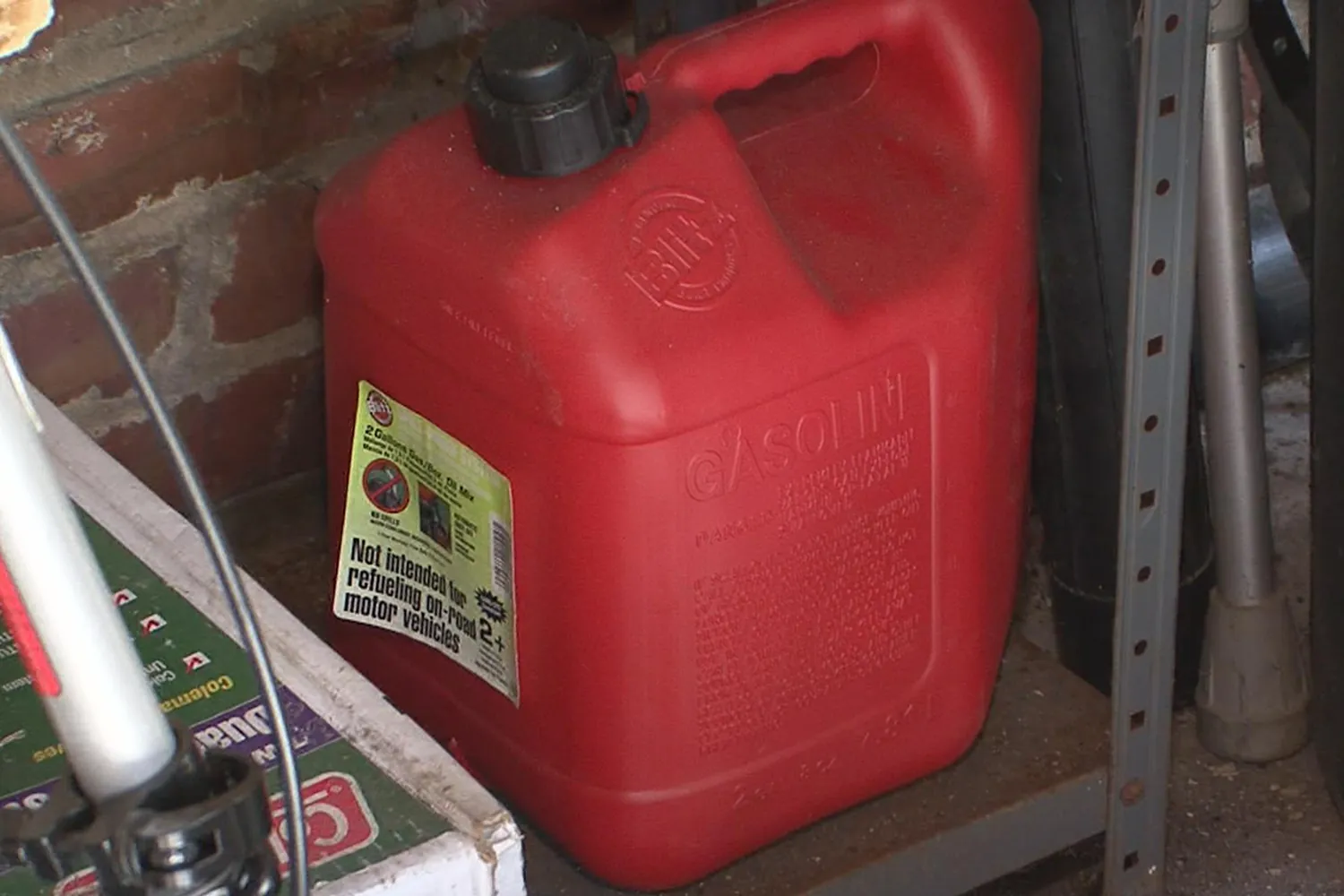
You can choose from several types of containers depending on your fuel needs and safety requirements. The following table outlines the most common options found in residential settings.
| Container Name | Best Use Case | Common Example |
|---|---|---|
| Plastic Jerry Can | Small yard equipment | 2-gallon utility jug |
| Metal Safety Can | Flammable liquid storage | 5-gallon steel container |
| Diesel Specific Can | Heavy machinery fueling | 5-gallon yellow jug |
| Fuel Transfer Tank | Large volume transport | 30-gallon truck tank |
| Portable Gas Caddy | Frequent refueling tasks | 15-gallon wheeled tank |
If you store fuel longer than six months, use a metal safety can with a flame arrestor. Plastic containers degrade over time, leading to micro-cracks that allow volatile vapors to escape.
Always match the color to the fuel type to prevent engine damage. Red is strictly for gasoline, yellow for diesel, and blue for kerosene. Mixing these up often ruins fuel injectors or clogs carburetors, costing hundreds in repairs.
If you transport fuel in a truck bed, ensure the container is DOT-approved. Standard utility jugs lack the structural integrity to withstand road vibrations and pressure changes. If the container lacks a stamped certification code, it shouldn’t be used for fuel storage or transport.
Plastic utility cans
Standard plastic jugs are the most common containers for gasoline, designed primarily for short-term storage of small amounts of fuel. These are suitable for homeowners who only need fuel for seasonal lawn mowers, trimmers, or blowers. They’re inexpensive and lightweight, making them easy to handle when pouring into small tank openings.
Lightweight design makes them easy to maneuver for most users. Translucent materials allow you to check fuel levels visually. Integrated spouts help reduce spills during the refueling process. Inexpensive construction makes them accessible at most hardware stores.
If you use a plastic can, ensure it’s stored in a cool place, away from sunlight, which can cause the plastic to degrade over time. For example, a 2-gallon red plastic jug should never be filled to the brim; leave at least 5% of the capacity empty to allow for fuel expansion in heat.
Instead, place the can on a wooden shelf or a rubber mat to provide insulation. If the plastic appears cloudy or feels tacky to the touch, discard it immediately. These signs indicate the material is failing and will soon leak.
Metal safety cans
Metal safety cans provide a higher level of protection than plastic models because they’re built to withstand internal pressure and resist external heat. They’re best for individuals who work with flammable liquids in workshops or garages where sparks from power tools are a common occurrence. These cans feature a spring-loaded lid that closes automatically to prevent leaks if the container is knocked over.
- Steel construction offers superior durability against accidental punctures.
- Flame arrestors prevent external flames from entering the container.
- Pressure relief mechanisms automatically vent gas if temperatures rise too high.
- Reduced permeability limits the amount of fuel vapor that escapes into the air.
You should use these if you store fuel for more than a few days, as they significantly lower the risk of accidents. For example, using a 5-gallon steel safety can for storing gasoline for a generator provides a much safer barrier against the volatile nature of the fuel than a standard plastic jug.
Diesel specific containers
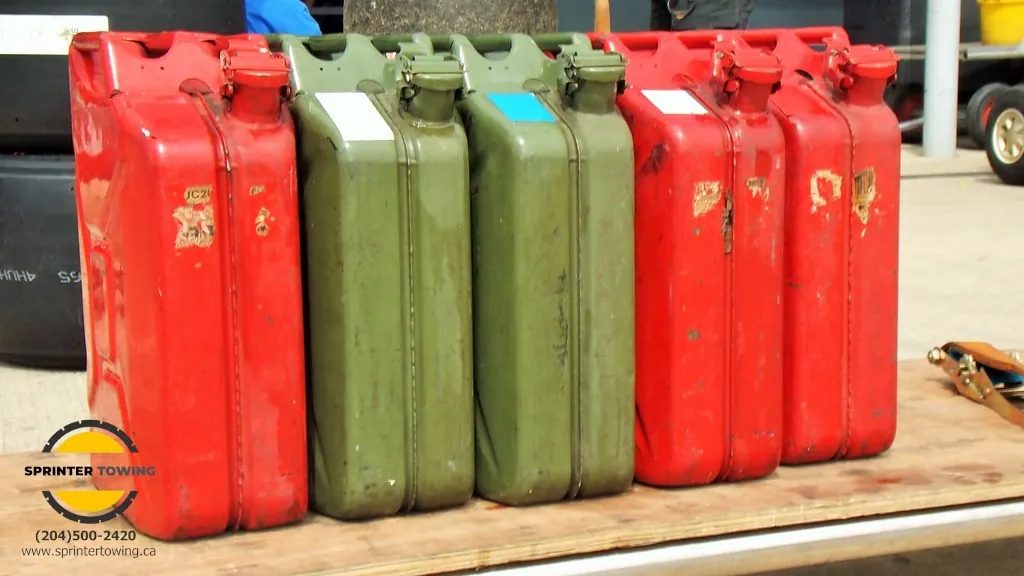
Diesel containers are designed to handle the different chemical properties of diesel fuel, which is less volatile than gasoline but requires specific storage handling. These are best for owners of diesel-powered tractors or trucks who need larger quantities of fuel on hand for regular maintenance. They’re almost always color-coded yellow to prevent accidental mixing with gasoline, which can ruin a diesel engine.
- Heavy-duty construction prevents leaks during long-term storage periods.
- Clear color coding prevents the mistake of putting gasoline into diesel engines.
- High-flow nozzles accommodate the larger fill necks found on heavy equipment.
- Compatible seals prevent the degradation caused by diesel chemicals.
These cans are heavy; a full 5-gallon diesel container weighs about 40 pounds, which may be difficult for some people to lift safely. If you require fuel for large-scale farm equipment, you must ensure your storage area meets local fire codes for bulk fuel quantities, as residential limits are often much lower than those for industrial properties.
Portable gas caddies
Portable gas caddies are wheeled containers that allow you to move larger amounts of fuel around your property without needing to lift heavy jugs. These are best for people who maintain large lawns or have multiple pieces of equipment that require frequent refueling. They often include a pump or gravity-fed hose to make the transfer process cleaner and more controlled than pouring from a can.
- Wheels allow for easy transport across uneven ground or driveways.
- Large capacity reduces the frequency of trips to the gas station.
- Integrated hoses provide precise control during the fuel transfer process.
A common mistake people make is leaving the hose pressurized after use, which can lead to slow leaks and dangerous vapor buildup in a closed garage. Always relieve the pressure in the line after each use to keep your storage area safe. Check the manufacturer’s manual for the maximum pressure rating, as some units require specific valve adjustments to prevent seal failure during hot weather.
Other fuel storage options
Fuel stabilizer bottles prevent oxidation, which turns gasoline into a gummy varnish that clogs small engine carburetors. If your fuel sits longer than 30 days, add the stabilizer before filling the can to ensure it mixes thoroughly. Skipping this step often results in a non-starting lawnmower or generator come spring, costing you a professional cleaning fee.
Spill-proof funnels minimize dangerous drips during transfer. A single ounce of spilled fuel creates a lingering vapor hazard in your garage. Always choose a funnel with an automatic shut-off valve to prevent overfilling the tank, which is the most common cause of accidental spills.
Lockable metal cabinets secure your supply from children or unauthorized users. If you store more than five gallons in an attached garage, ensure your cabinet is fire-rated. This simple barrier prevents catastrophic accidents and keeps your insurance policy valid in the event of a fire.
Choosing the right fuel container
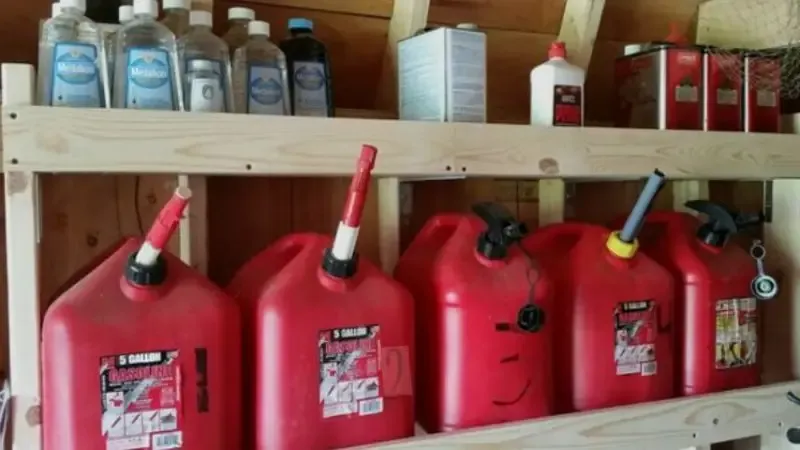
Your choice depends on the volume of fuel you need and the environment where you store it. If you only need a small amount for a seasonal mower, a 2-gallon plastic jug is usually sufficient, provided you store it in a detached shed. If you use power tools in your garage, you should switch to a metal safety can to minimize fire risks from sparks.
The most important factor is the distance from your living area. If you can’t store fuel outdoors in a detached structure, you should minimize the amount on hand to the absolute lowest quantity required for your immediate tasks. These choices are generally mutually exclusive; you should pick one primary storage method and avoid cluttering your space with multiple types of containers.
Related guides
- Can You Microwave Styrofoam: Safety Facts and Risks Explained
- 9 Best Space Heaters for Garages: Our Top Picks for Your Shop
- 5 Best Mini Foosball Tables for Small Spaces in 2026
Frequently asked questions
Can I store gasoline in my garage safely?
No, you shouldn’t store gasoline in an attached garage because the fumes can travel to water heaters or other ignition sources. The safest place for fuel is a detached, well-ventilated shed located at least 50 feet away from your home. If you must keep small amounts for emergencies, ensure the container is approved for gasoline and kept in a detached, well-ventilated structure away from heat.
How long can I keep gas in a can?
You can typically keep gasoline in a sealed container for several months before it begins to degrade, though adding a fuel stabilizer can extend this storage life. If your gas is older than 6 months, it may cause engine damage, so you should dispose of it at a local hazardous waste collection site. Always check the expiration date on your stabilizer bottle for specific guidance.
Why do gas cans leak from the cap?
Gas cans often leak because the rubber gasket inside the cap has dried out or become misaligned, preventing an airtight seal. You can test this by tightening the cap and carefully tipping the can over a tray to check for drips. If it leaks, replace the gasket or the entire cap assembly immediately to prevent dangerous fumes from filling your garage.
Is it safe to leave gas cans in the sun?
No, gas cans should never be left in direct sunlight because the heat causes the fuel to expand, which increases pressure and forces vapors out of the cap. This pressure buildup can lead to structural failure of plastic jugs or dangerous leaks. Always store your fuel in a shaded, cool area to keep the internal pressure stable and prevent fire risks.
How much gas can I legally keep at home?
Local fire codes determine the legal limit for fuel storage, but most residential areas restrict you to less than 25 gallons of flammable liquids total. You must check your local municipal or county fire department website to find the specific limit for your area, as these rules vary significantly by city. Exceeding these limits can void your home insurance policy in the event of a fire.
Does it matter if I use a red or yellow gas can?
Yes, it matters because red cans are strictly for gasoline, while yellow cans are designated for diesel fuel to prevent accidental mixing. Putting gasoline into a diesel engine or diesel into a gasoline engine can cause severe damage to your equipment. Always use the color-coded system to avoid costly mistakes and ensure the fuel you use is correct for your specific engine.
Conclusion
Start by moving all fuel containers out of your attached garage and into a dedicated outdoor storage shed. The sign that your storage is safe is a clean, well-ventilated area where you can’t smell any fuel odors when you walk near the containers. If you notice a persistent smell of gasoline, it’s time to stop using your current containers immediately, as this indicates a leak that requires professional disposal through your local waste management services.
