
A solar panel is an assembly of photovoltaic cells that converts sunlight directly into usable electricity through the movement of electrons. By capturing photons from the sun and channeling the resulting energy into a circuit, these panels provide a clean, renewable power source for residential and commercial buildings. The technology relies on the inherent properties of semiconductor materials to generate a flow of direct current that can then be converted for home use.
Key Takeaways
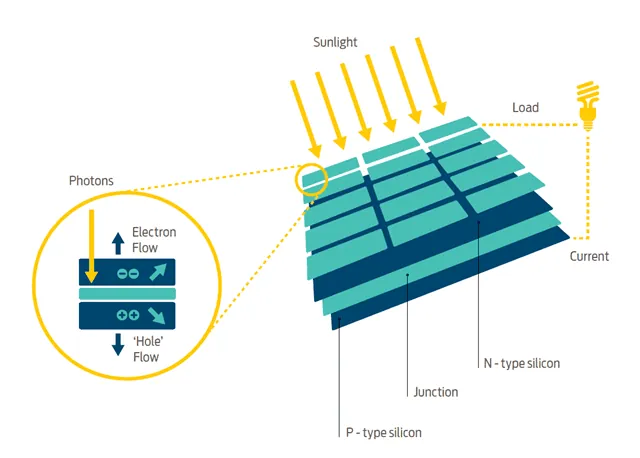
- Solar panels generate electricity by utilizing the photovoltaic effect to excite electrons within silicon cells.
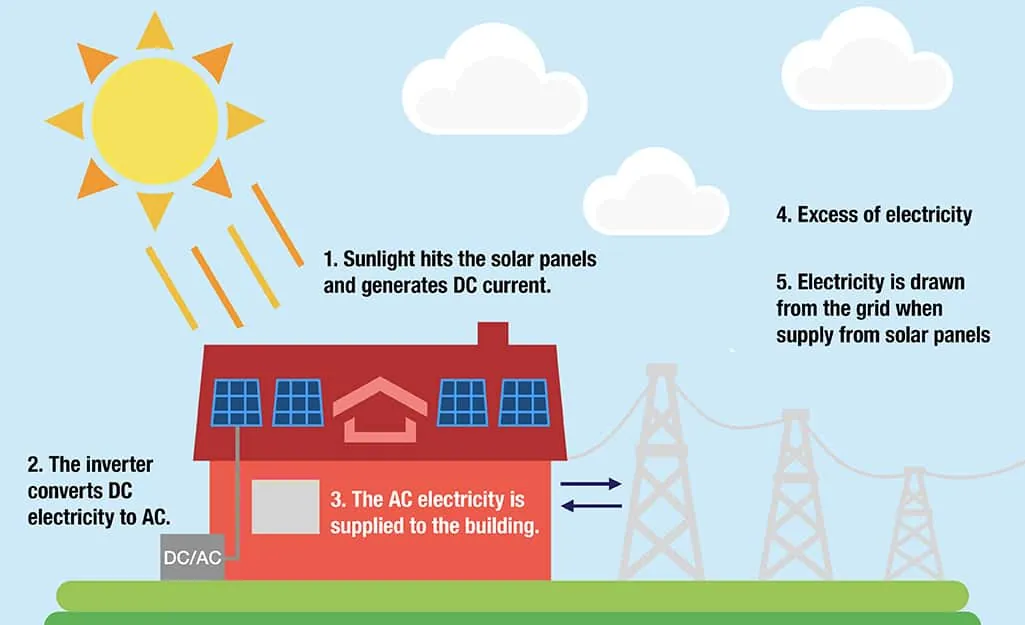
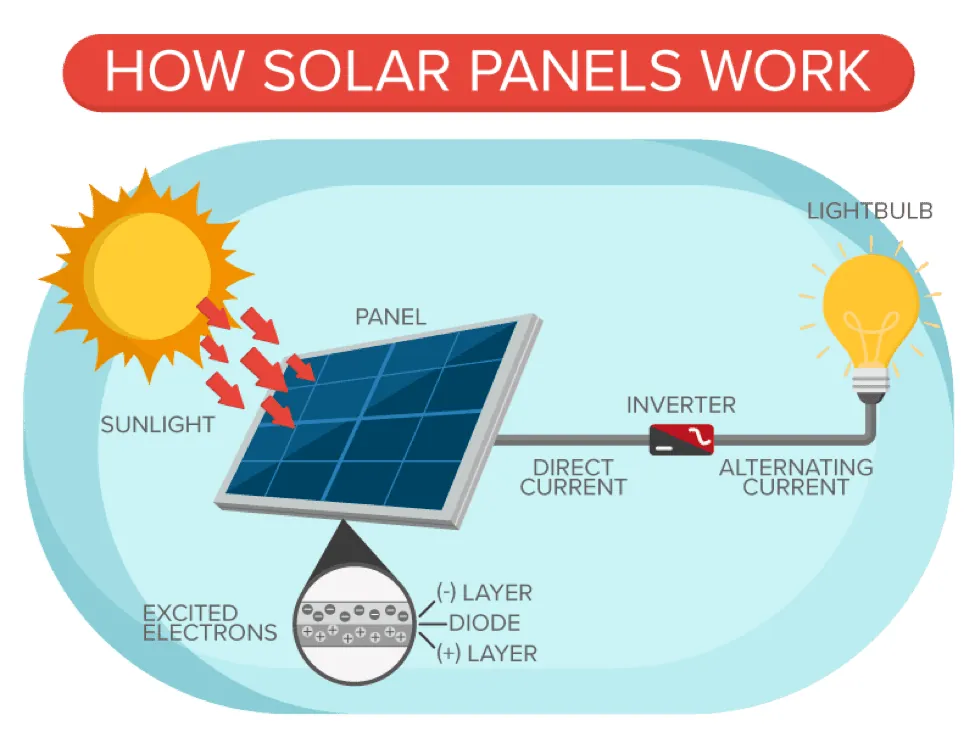
- Most residential systems require an inverter to convert direct current (DC) into the alternating current (AC) used by home appliances.
- System efficiency typically ranges from 17% to 23% depending on the cell type and installation angle.
- Proper maintenance involves periodic cleaning to prevent dust and debris from blocking sunlight exposure.
- Homeowners can significantly reduce monthly utility bills by offsetting grid consumption with on-site solar production.
How Do Solar Panels Work?
At the core of every solar panel is a series of silicon-based photovoltaic cells. Silicon is a semiconductor, meaning it can conduct electricity under specific conditions. When sunlight hits the surface of the panel, the energy from the light particles, or photons, knocks electrons loose from the silicon atoms. This process creates an electric field within the cell, which forces the freed electrons to flow in a specific direction.
This movement of electrons creates a flow of electricity known as direct current. Because most homes operate on alternating current, the electricity generated by the panels must travel through a device called an inverter to become compatible with standard household outlets. According to the Department of Energy solar basics, the photovoltaic effect is the fundamental physical process that enables this energy conversion.
Components of a System
A functional solar energy system consists of several integrated parts working in unison. You can’t simply install a panel and expect your lights to turn on; you need the supporting infrastructure to manage the power flow. The following table outlines the essential hardware components required for a standard grid-tied installation.
| Component | Primary Function | Typical Lifespan |
|---|---|---|
| Solar Modules | Capture sunlight and generate DC | 25-30 years |
| Inverter | Converts DC to usable AC | 10-15 years |
| Racking System | Secures panels to the roof | 20-25 years |
| Monitoring Unit | Tracks energy production data | 10-20 years |
Types of Solar Technologies
Not all panels offer the same performance or aesthetic profile. Manufacturers primarily use one of three types of cell construction, each with distinct benefits regarding cost and space efficiency. Monocrystalline panels are the most popular choice for residential rooftops due to their high efficiency and sleek black appearance.
- Monocrystalline: Made from a single crystal structure; high efficiency; higher price point.
- Polycrystalline: Made from fragments of silicon; lower efficiency; cost-effective alternative.
- Thin-Film: Flexible and lightweight; lower efficiency; often used for portable or specialized applications.
Factors Influencing Energy Production
The amount of electricity your system generates isn’t constant throughout the day or year. Several environmental and physical variables dictate the actual output of your solar array. Sunlight intensity is the most obvious factor, but regional climate patterns and local geography also play a critical role in determining your total kilowatt-hour yield.
- Geographic Location: Determines the total annual solar irradiance available.
- Roof Orientation: South-facing roofs in the Northern Hemisphere receive the most direct sunlight.
- Tilt Angle: Optimizing the tilt to match your latitude maximizes energy absorption.
- Shading: Nearby trees, chimneys, or neighboring structures can significantly reduce output.
- Temperature: Panels actually become slightly less efficient as they get extremely hot.
Installing Solar Panels Properly
The installation process requires professional expertise to ensure safety and system longevity. It starts with a comprehensive site assessment to evaluate roof integrity and electrical panel capacity. Once the design is finalized, the installers mount the racking system, connect the wiring, and attach the modules.
Pro Tip: Always verify that your installer provides a workmanship warranty in addition to the manufacturer’s product warranty to protect against future installation-related issues.
Maintenance and System Care
Solar panels are generally low-maintenance because they have no moving parts. However, they do require occasional attention to remain at peak performance. If you live in an area with high dust, pollen, or frequent bird activity, you may notice a drop in production that can be corrected with a gentle rinse.
- Routine Inspections: Check for loose wires or physical damage after major storms.
- Cleaning: Use a soft brush or hose with water; avoid harsh chemicals or abrasive sponges.
- Snow Removal: In most cases, snow slides off panels naturally due to the heat they generate.
- Monitoring: Use your system app to track daily output and identify potential hardware faults.
Troubleshooting Common Issues
If your system stops producing or shows a significant dip in output, you should first consult your monitoring software to identify if the problem affects a single panel or the entire array. Many modern inverters display error codes that can help you diagnose whether the issue is a simple communication glitch or a more complex component failure.
| Symptom | Potential Cause | Recommended Action |
|---|---|---|
| Zero production | Inverter shutdown or tripped breaker | Check main electrical panel |
| Low production | Heavy shading or extreme dust | Clean panels or trim trees |
| Intermittent data | Weak Wi-Fi connectivity | Reset the monitoring gateway |
| Error code visible | Internal hardware fault | Contact the installation company |
Benefits of Going Solar
Switching to solar energy provides both financial and environmental advantages. By generating your own power, you reduce your reliance on the traditional utility grid and protect yourself against future electricity rate hikes. Furthermore, many regions offer tax incentives or net metering programs that allow you to sell excess energy back to the power company, effectively spinning your meter backward.
Warning: Never attempt to work on electrical wiring or climb onto your roof without proper safety equipment and training, as high-voltage DC electricity carries a significant risk of shock.
Related guides
Frequently Asked Questions
Do solar panels work on cloudy days?
Yes, solar panels still generate electricity on cloudy or overcast days, though their efficiency is reduced. They rely on the light spectrum rather than direct heat, meaning they can capture diffuse sunlight passing through cloud cover. While production will be significantly lower than on a clear, sunny day, your system will continue to contribute power to your home or the grid throughout the daylight hours.
How long do solar panels last?
Most solar panels are designed to last between 25 and 30 years. After this period, they don’t suddenly stop working, but their efficiency gradually declines. Most manufacturers provide a performance warranty guaranteeing that the panels will still produce at least 80% to 90% of their original rated power output after 25 years of operation. Regular maintenance can help ensure they reach the upper end of this lifespan.
What is net metering?
Net metering is a billing arrangement that allows homeowners with solar systems to send excess electricity they generate back to the utility grid. When your panels produce more power than your home consumes, the meter spins backward or records a credit. You can then use these credits to offset the electricity you draw from the grid at night or during periods of low production.
Can I go completely off-grid?
Going completely off-grid is possible but requires a battery storage system to hold energy for use at night or during extended periods of low sunlight. Without a battery, you must remain connected to the utility grid to maintain power availability 24/7. Battery systems add significantly to the initial cost of the installation but provide energy independence and backup power during grid outages.
Will solar panels damage my roof?
When installed by a qualified professional, solar panels shouldn’t damage your roof. Installers use specialized flashing and mounting hardware designed to maintain the integrity of your roofing materials and prevent leaks. In fact, some homeowners find that the panels actually protect the portion of the roof they cover from direct sun exposure and weathering, potentially extending the lifespan of the shingles underneath.
Conclusion
To get started, contact a reputable local installer to request a site evaluation and a custom energy production estimate for your specific roof. They will use satellite imagery and local weather data to provide a detailed breakdown of how much power your property can generate and the potential return on your investment based on current electricity rates in your area.
