
Single axis tracking systems for arrays track the sun by rotating solar panels on a single pivot point, typically moving from east to west throughout the day to optimize the angle of incidence. This mechanical movement ensures that the photovoltaic modules remain perpendicular to the sun’s rays for a longer duration than stationary systems. By following the sun’s arc across the sky, these systems significantly increase the total energy yield of a solar installation, making them a preferred choice for large-scale utility projects and commercial solar farms.
Key Takeaways
- Single axis trackers increase energy production by 15% to 30% compared to fixed-tilt ground mounts.
- Most trackers use a centralized drive system to rotate rows of panels in unison using sensors or astronomical algorithms.
- Maintenance schedules should prioritize checking actuator lubrication and motor health to prevent tracking failures.
- These systems are ideal for flat or gently sloping sites where mechanical movement is feasible.
- Always consider wind load factors to ensure the tracker can enter a “stow” position during severe weather.
How Single Axis Tracking Systems Work
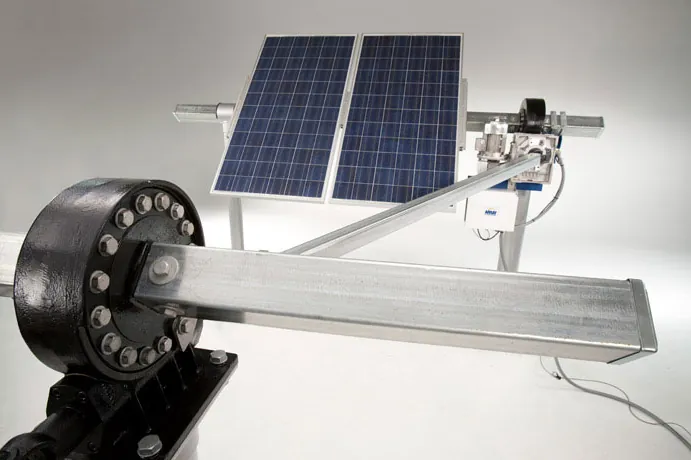
The core mechanism of a single axis tracker involves a long torque tube supported by a series of bearings. Panels are mounted directly to these tubes. A motor, often referred to as the slewing drive, provides the rotational force needed to tilt the entire row. The rotation is typically constrained to a single axis, which is usually oriented north-to-south, allowing the panels to follow the sun’s daily path from east to west.
Sensor vs. Algorithmic Control
Modern trackers rely on two primary methods for precision. Many systems utilize astronomical tracking algorithms that calculate the sun’s exact position based on the site’s latitude, longitude, and time. Alternatively, some systems employ closed-loop sensors that detect the brightest point of the sky. Most industry leaders now favor algorithmic control as it’s less susceptible to cloud cover interference and sensor degradation over time.
Mechanical Components of the Tracker
Reliable performance depends on the durability of the moving parts. The system must withstand decades of thermal expansion, mechanical stress, and environmental exposure.
| Component | Function | Maintenance Interval |
|---|---|---|
| Slewing Drive | Rotates the torque tube | Annual inspection |
| Torque Tube | Structural spine for panels | Bi-annual check |
| Controller | Processes solar position data | Firmware updates |
| Wind Sensors | Triggers stow mode | Quarterly testing |
Why Use Single Axis Trackers?
The primary advantage is the increased energy harvest. By keeping the panels at an optimal angle, the system minimizes the cosine loss that occurs when sunlight hits a panel at an oblique angle. According to the U.S. Department of Energy Office of Energy Efficiency and Renewable Energy, tracking technologies can significantly improve the performance of solar arrays by maintaining a perpendicular orientation to the sun. This efficiency gain often justifies the higher upfront investment compared to fixed-tilt mounting structures.
Financial Considerations
While trackers cost more, the return on investment is often higher in regions with high direct normal irradiance. Costs generally range from $0.15 to $0.30 per watt of installed capacity, depending on the scale and complexity of the terrain.
Deployment and Site Requirements
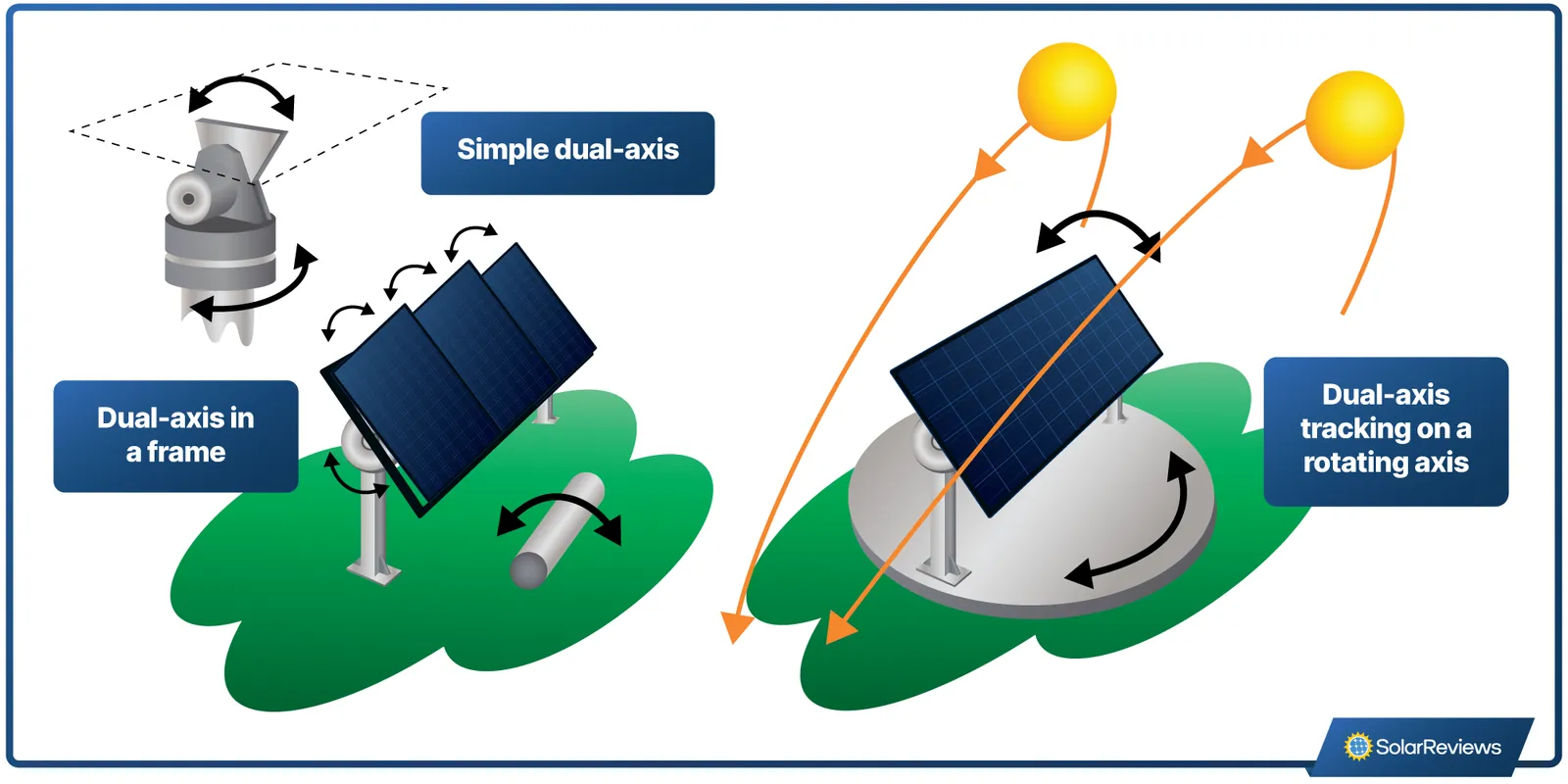
Not every site is suitable for tracking systems. The land must be relatively flat, as steep slopes can interfere with the rotation range and increase the risk of mechanical binding.
- Flat terrain: Preferred for minimizing structural stress.
- Soil stability: Crucial for pile-driven foundations.
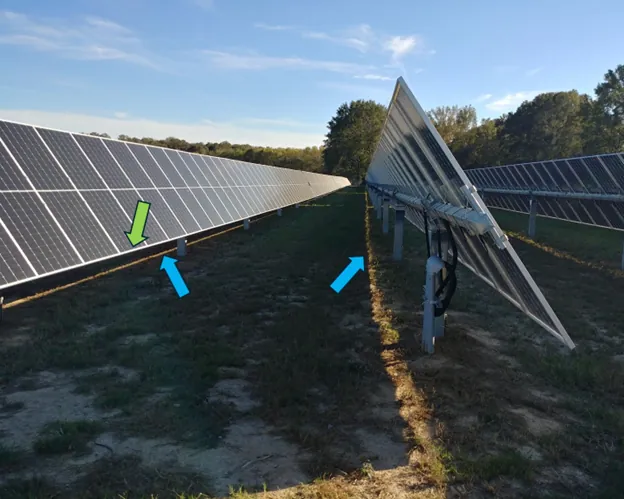
- Row spacing: Requires extra room to prevent inter-row shading during low-sun angles.
Pro Tip: Always verify that your site’s soil composition allows for the specific pile-driving equipment required by the manufacturer to ensure the structural integrity of the torque tube bearings.
Managing Wind and Weather Risks
One of the most critical functions of a tracking system is its ability to protect itself during extreme weather. When wind speeds exceed a pre-set threshold, the system enters a stow position. This usually involves rotating the panels to a flat, horizontal position to minimize the lift force created by wind passing over the array.
Failure Mitigation
System failures often stem from software bugs or hardware fatigue. Regular monitoring of the controller logs can help identify issues before they lead to permanent damage. Ensuring that the stow sensors are calibrated correctly is vital, as a failure to stow during a high-wind event can lead to catastrophic structural collapse of the torque tubes.
Common Maintenance Procedures
Maintaining a tracking array requires a disciplined approach to mechanical upkeep. Unlike fixed systems, which are largely “install and forget,” trackers have moving parts that require regular lubrication and inspection.
- Lubrication: Inspect all grease points on the slewing drives and bearing housings.
- Alignment Checks: Ensure that the rows are properly aligned and not drifting from their target position.
- Sensor Calibration: Verify that the light sensors or internal clocks remain accurate to local time.
- Hardware Torque: Check all mounting bolts and fasteners for signs of loosening due to vibration.
Warning: Never attempt to manually override the motor controls while the system is energized, as high-torque movements can cause severe injury or damage to the mechanical drivetrain.
Comparing Tracking Technology Options
Choosing the right tracker involves evaluating the specific needs of your project, such as land availability and local climate.
| Feature | Single Axis Tracker | Fixed Tilt System |
|---|---|---|
| Energy Yield | Higher (15-30% gain) | Baseline |
| Maintenance | High (Moving parts) | Low (None) |
| Land Use | High (Requires spacing) | Low (Dense packing) |
| Complexity | High (Controllers/Motors) | Low (Simple structure) |
Related guides
- Best Food Scales for Tracking Macros in 2026
- Hamilton Beach FlexBrew Single Serve Not Working: Easy Fixes
- How a Cogeneration System Works From Power to Heat Explained
Frequently Asked Questions
Do single axis trackers work on cloudy days?
Yes, they continue to operate, though their performance advantage over fixed systems decreases. Since tracking systems rely on algorithms based on the sun’s calculated position rather than just visual light sensors, they will continue to track the sun even when it’s obscured by cloud cover. This ensures that the panels are always positioned for the maximum potential irradiance available.
How much do these systems cost to maintain?
Maintenance costs typically range from $0.01 to $0.03 per watt per year. This covers the cost of periodic lubrication, software oversight, and occasional hardware repairs. While higher than fixed-tilt systems, the increased revenue generated from the extra energy production usually offsets these ongoing operational expenses, provided the system is monitored for efficiency losses.
What is a stow position?
The stow position is a safety configuration where the tracker moves the panels to a specific angle, usually flat or slightly tilted, to minimize wind load. This prevents the panels from acting like a sail during high winds, which could damage the torque tubes, motors, or the modules themselves. Controllers trigger this automatically based on data from onboard anemometers.
Can I install these on my home roof?
Single axis trackers are generally not suitable for residential rooftops. They’re designed for ground-mounted, utility-scale applications where the weight of the motor, torque tubes, and structural steel can be properly managed by deep-pile foundations. Rooftop structures lack the structural capacity to support the heavy, moving mechanical loads associated with tracking systems, and the wind profiles on roofs are too unpredictable.
How long do tracker motors last?
With proper maintenance, the slewing drive motors are designed to last for 15 to 20 years. However, their longevity depends heavily on the quality of the seals and the consistency of the lubrication schedule. Harsh environments with significant dust, sand, or high humidity may require more frequent inspections to prevent the ingress of contaminants into the gear housing.
Why do some rows move differently?
In large solar farms, rows may exhibit slight variations in tilt due to terrain differences or specific “backtracking” algorithms. Backtracking is a software feature that adjusts the angle of individual rows to prevent one row from casting a shadow on the one behind it during the early morning or late afternoon. This is a normal operation and indicates the software is working.
Conclusion
Properly managing your solar tracking system requires a balance of mechanical oversight and software optimization. By keeping your sensors calibrated and ensuring that your structural components are free from debris and well-lubricated, you protect your investment and maximize your energy harvest. Start your next maintenance cycle by performing a full firmware audit on your row controllers to ensure your tracking accuracy remains at peak efficiency.
