
Capacitors can retain their electrical charge for anywhere from a few seconds in low-quality components to several years in high-precision, low-leakage variants, depending heavily on the dielectric material, the physical construction, and the ambient environment. While small electrolytic capacitors in consumer electronics might lose their stored energy within minutes after power is disconnected, large industrial capacitors or those used in specialized memory backup systems are engineered to hold a charge for significantly longer durations.
Key Takeaways
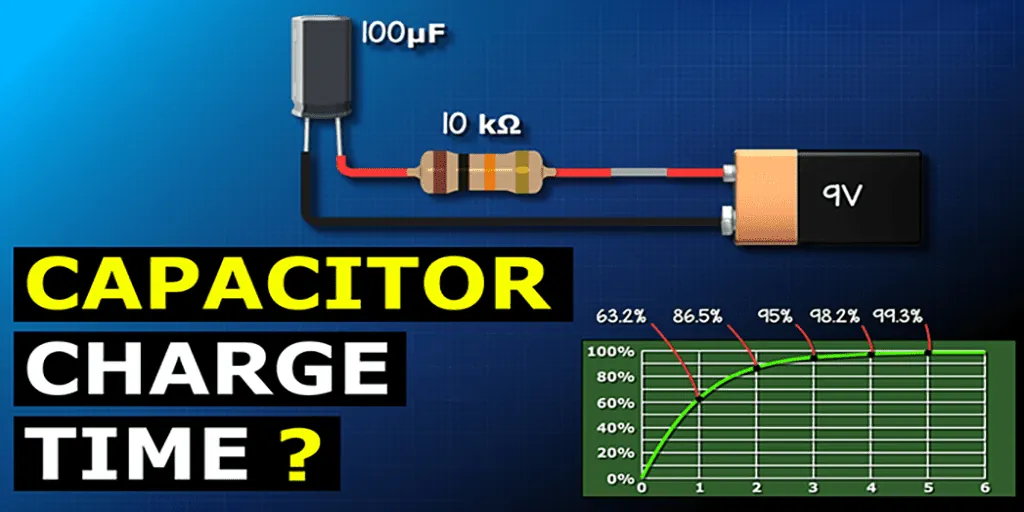
- Capacitors don’t store charge indefinitely; they suffer from self-discharge due to internal resistance and leakage currents.
- The physical size and capacitance rating are less indicative of charge duration than the dielectric material quality.
- Always treat large capacitors as live components until they have been verified as discharged with a multimeter.
- Temperature significantly accelerates the discharge rate; heat increases the chemical activity and leakage within the capacitor.
- Safety protocols require manual discharging before maintenance to prevent accidental shocks from residual energy.
How Long Can Capacitors Hold Charge?
The duration for which a capacitor holds its energy is primarily dictated by its self-discharge rate. This phenomenon occurs because no capacitor is perfect; there’s always a tiny path for electrons to move from one plate to the other through the dielectric material or across the outer casing. This is often described by the time constant of the device, which is the product of its capacitance and its internal equivalent series resistance.
In practical terms, a capacitor in a typical power supply circuit is designed to discharge relatively quickly once the equipment is turned off. This is often facilitated by “bleeder resistors” built into the circuit, which provide a controlled path for the energy to dissipate.
Without these safety measures, a capacitor could retain a lethal voltage for days or even weeks. Understanding the safety standards for electrical equipment is essential for anyone working with high-voltage capacitors, as these organizations define the testing criteria for discharge times in commercial electronics.
Factors Affecting Charge Retention
Several variables determine how quickly a capacitor loses its stored potential. If you’re assessing the safety of a device, you must consider the following environmental and physical factors:
- Dielectric Material: Tantalum or ceramic capacitors generally have lower leakage currents compared to aluminum electrolytic capacitors.
- Ambient Temperature: Higher temperatures increase the movement of ions within the electrolyte, causing the capacitor to drain faster.
- Humidity: Surface contaminants on the capacitor body can create a conductive path, leading to faster external discharge.
- Age and Wear: As a capacitor reaches the end of its lifespan, its internal seal may degrade, increasing leakage.
Comparison of Capacitor Types
| Capacitor Type | Typical Discharge Rate | Best Use Case |
|---|---|---|
| Aluminum Electrolytic | Fast (Minutes/Hours) | Power Supply Filtering |
| Ceramic | Very Slow (Months/Years) | Signal Coupling |
| Tantalum | Slow (Weeks/Months) | Precision Timing |
| Supercapacitor | Moderate (Days/Weeks) | Energy Storage |
Safety Risks of Residual Charge
The most dangerous aspect of capacitors is their ability to deliver a high-current pulse even when the device is unplugged. A capacitor does not “know” that the power source has been removed. If a technician touches the terminals of a large power supply capacitor, the body acts as a low-resistance path, allowing the stored energy to discharge instantly. This can cause severe electrical burns, involuntary muscle contractions, or even cardiac arrest.
Warning: Never assume a capacitor is safe just because the power cord has been unplugged for a long time. Always verify the state of charge using a reliable multimeter before performing any maintenance on high-voltage circuitry.
How to Safely Discharge Capacitors
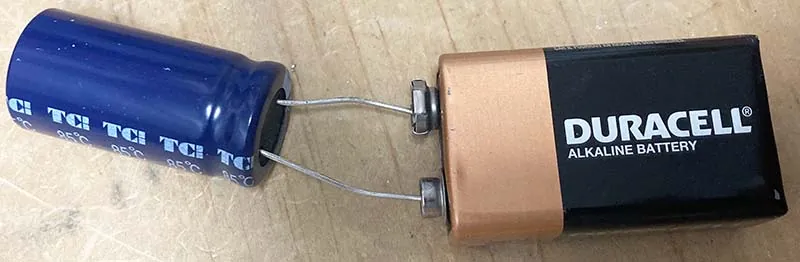
If you need to work on a circuit, you must manually drain the energy stored in the capacitors. The safest method involves using a discharge tool or a high-wattage resistor. Avoid using a screwdriver to bridge the terminals, as the resulting arc can damage the capacitor, pit the metal, and create molten metal splashes.
Steps for Controlled Discharge
- Disconnect Power: Ensure the device is fully unplugged from all electrical sources.
- Locate Capacitors: Identify the large electrolytic capacitors that pose a risk.
- Choose a Resistor: Select a high-wattage resistor, typically between 1k and 10k ohms.
- Connect Leads: Attach the resistor leads to the capacitor terminals using insulated alligator clips.
- Verify Voltage: Use a digital multimeter to confirm the voltage has dropped to a safe level (usually below 5V).
Can Capacitors Actually Hold Charge Forever?
The short answer is no. Even the most efficient vacuum-insulated capacitors will eventually lose their charge due to quantum tunneling or microscopic impurities in the dielectric. In the real world, “forever” is limited by the leakage current inherent in the manufacturing process. While a high-quality glass or vacuum capacitor might hold a charge for years, it will inevitably reach a zero-voltage state over a long enough timeline.
Troubleshooting Capacitor Behavior
If you find that a circuit is behaving erratically, it might be due to a capacitor that’s losing its charge too quickly or failing to hold it at all. Use the following table to diagnose potential issues related to charge retention.
| Symptom | Probable Cause | Recommended Action |
|---|---|---|
| Device loses settings | Failed backup capacitor | Replace component |
| Rapid voltage drop | Internal leakage | Test with ESR meter |
| Sparking on disconnect | High residual energy | Check bleeder resistor |
| Overheating | High leakage current | Replace immediately |
Pro Tip: If you’re storing electronic equipment for long periods, consider that electrolytic capacitors can dry out over time, which may alter their capacitance and discharge characteristics significantly.
Role of Bleeder Resistors
Engineers include bleeder resistors in many designs specifically to solve the problem of unpredictable charge retention. These resistors are connected in parallel with the capacitor. When the device is operating, the current drawn by the resistor is negligible. However, once the main power is cut, the resistor provides a constant path for the energy to drain. This ensures that the capacitor is safe to handle within a few seconds or minutes, depending on the design specifications.
Environmental Impacts on Discharge
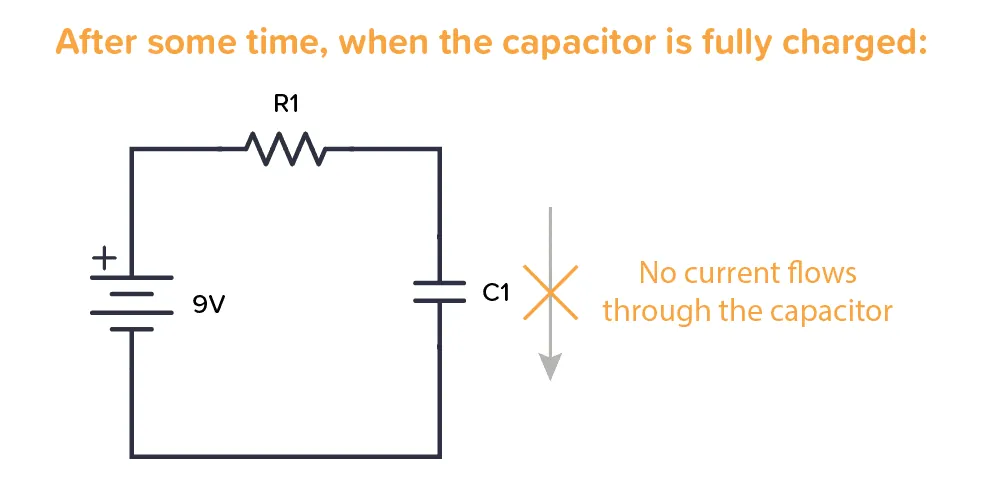
The environment where your electronics are stored plays a massive role in the longevity of the charge. High humidity can create a thin film of moisture on the exterior of the capacitor, effectively creating a “shunt” that drains the charge much faster than it would in a dry, climate-controlled room.
Furthermore, if you’re working in an environment with high levels of particulate matter, conductive dust can settle on the PCB and bridge the terminals of the capacitor, accelerating the self-discharge process.
Related guides
- Foosball Table Brands Rene Pierre: The Verdict in 2026
- 5 Best Wooden Foosball Tables: Picks & Verdict in 2026
- Is Jandy a Good Pool Pump? The Verdict by Pool Type in 2026
Frequently Asked Questions
Can a capacitor kill you?
Yes, large capacitors, particularly those found in microwave ovens, CRT monitors, or high-power audio amplifiers, can store enough energy to deliver a lethal electric shock. Even after a device is unplugged, the energy remains trapped. Always exercise caution and follow proper discharge procedures when working near high-voltage power electronics.
How do I know if a capacitor is charged?
You must use a digital multimeter set to the DC voltage mode. Place the probes across the capacitor terminals. If the meter shows a voltage reading, the capacitor is charged. If the voltage is decreasing over time, the capacitor is discharging through the meter’s internal resistance. Never touch the terminals with your fingers to “test” for a charge.
Do all capacitors hold a charge?
All capacitors are designed to store energy, but they vary wildly in their capacity and leakage rates. A small ceramic capacitor used in a radio circuit holds a negligible amount of energy, while a large electrolytic capacitor in a power supply holds a significant, potentially dangerous amount. Always treat any capacitor larger than a thumb as a potential hazard.
Is it safe to store capacitors long-term?
It’s generally safe to store capacitors as long as they’re kept in a cool, dry environment and their terminals aren’t shorted by conductive materials. However, electrolytic capacitors have a shelf life and may require “re-forming” if they have been sitting unused for many years, as the internal oxide layer can degrade over time.
How long do supercapacitors hold charge?
Supercapacitors have a much higher energy density than standard capacitors but also suffer from higher self-discharge rates. Depending on the specific chemistry and temperature, a supercapacitor might lose a significant portion of its charge within a few days or weeks. They aren’t intended for long-term energy storage in the same way a battery is, but they’re excellent for short-term power buffering.
Conclusion
If you’re currently troubleshooting a device that you suspect is holding a dangerous charge, your next step should be to locate the service manual for your specific model. This document will detail the exact location of the bleeder resistors and the manufacturer’s recommended procedure for safely discharging the internal capacitors. Always prioritize your physical safety by using insulated tools and verifying the voltage with a meter before touching any internal components.
