
A blocked or stuck ice mold is the most common reason an LG Craft Ice maker stops working. This usually happens because ice build-up or a misaligned tray prevents the unit from rotating. Check the freezer drawer for visible obstructions or a tilted tray, and consult the official LG product support page for reset instructions.
Why your craft ice maker stopped working
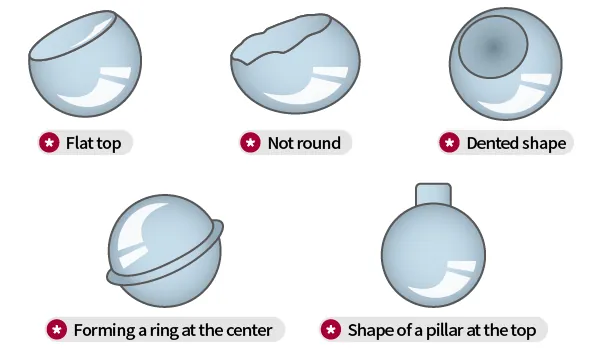
The following table ranks the typical causes for this issue based on how often they occur in household refrigerators.
| Cause | How common | How to confirm it | Fix it yourself? |
|---|---|---|---|
| Ice build-up | Very common | Check for frost around tray | Yes |
| Misaligned tray | Common | Tray looks crooked or stuck | Yes |
| Water supply issue | Occasional | No ice in bin or tray | Yes with care |
| Temperature too high | Rare | Soft ice or no cycle | Yes |
| Failed motor unit | Rare | Clicking noise, no motion | No |
| Control board error | Very rare | Unresponsive to test button | No |
If your ice is cloudy or tastes metallic, the culprit is almost always mineral buildup in the water line rather than a mechanical failure. Flush the line for three minutes before replacing any components.
Many users mistake a slow harvest cycle for a broken motor. If the ice maker produces a full batch every 90 minutes, it’s functioning within normal parameters. If the cycle exceeds three hours, check the freezer’s internal temperature. It must remain below 5 degrees Fahrenheit to trigger the harvest sensor.
A common mistake is forcing the tray to rotate by hand. This strips the plastic gears inside the motor housing, turning a simple alignment fix into a full unit replacement. If the tray feels jammed, disconnect the power first. Use a hair dryer on a low setting to melt hidden ice dams instead of using physical force.
Ice Blockages Around the Tray
Ice build-up occurs when moisture enters the craft ice compartment and freezes on the moving parts. This prevents the tray from rotating to its filling position or flipping to release the finished spheres. If the ice looks like a solid block of frost covering the tray, it indicates that the compartment isn’t sealing tightly or that the freezer temperature is fluctuating.
To test for this, gently attempt to move the tray by hand. If it feels stuck or hits a hard wall of ice, you have found the problem. If the tray moves freely but the ice remains, the issue is likely a faulty water inlet valve dripping into the mold.
You can fix this by clearing the ice manually. Use a warm, damp cloth to melt the frost away from the edges of the tray. Don’t use a sharp tool like a knife, as this can puncture the cooling lines and cause permanent damage.
Once the area is clear, ensure the tray can rotate freely by hand. If the ice keeps coming back after 24 hours, check that your freezer door seal is clean and airtight. A common mistake is ignoring a thin layer of frost on the door gasket, which allows warm air to enter and condense. If the gasket is clean but the seal remains loose, replace the magnetic strip immediately to prevent a total cooling failure.
Tray Misalignment and Mechanical Obstruction
A misaligned tray happens when the mechanism misses its home position during a cycle. This often occurs if the drawer was opened forcefully while the maker was mid-cycle or if a piece of ice fell into the track. You can tell this apart from a simple ice blockage because the tray will look tilted or jammed at an odd angle even when there’s no frost present.
If the tray is stuck, press the test button on the ice maker unit to see if it attempts to reset. If the unit makes a grinding sound but doesn’t move, look for small debris or loose ice cubes stuck in the gear track. Remove any obstructions you can see with your fingers or a pair of plastic tongs.
If the tray remains crooked after a reset attempt, it may have jumped off its guide rail. If you can’t gently snap the tray back into the center position, don’t force it. Pushing too hard can break the plastic gears inside the motor housing. If the tray doesn’t move after a gentle nudge, the internal linkage is likely stripped and will require professional service.
Water Supply and Temperature Issues
Water supply problems prevent the ice maker from filling the spheres, while high temperatures lead to soft, malformed ice. You can confirm these issues by checking the water filter status and the digital temperature display on your refrigerator door. If your water dispenser is also slow or not working, the issue is likely a clogged water line or a failing water valve rather than the maker itself.
If the temperature in your freezer is above 0 degrees Fahrenheit, the craft ice maker won’t cycle correctly. Adjust your freezer settings to a colder temperature and wait 24 hours for the system to stabilize. If you find the ice is cloudy or cracked, your freezer is likely hovering between 5 and 10 degrees. You must hit 0 degrees or lower to achieve the density required for clear spheres.
If the water flow is weak, check the filter status on your display. If the filter is older than six months, replace it to ensure proper pressure. A common mistake is assuming a filter is fine because the water tastes clean; however, internal mineral buildup restricts flow long before taste is affected.
Less Likely Causes for Failure
Software Glitch: A temporary electronic error can freeze the control logic. You can fix this by unplugging the refrigerator for 10 minutes to perform a hard reset. If the unit resumes normal operation immediately after power returns, you have cleared a transient memory fault.
Sensor Failure: The ice level sensor may incorrectly report that the bin is full. You’ll identify this by a blinking light on the unit or a status code on the display. If the bin is empty but the light persists, clean the optical eyes with a dry cotton swab to remove frost buildup.
Wiring Damage: Loose or pinched wires behind the freezer wall can stop power to the motor. A technician must test the electrical continuity of the harness. This usually happens after a recent repair or heavy vibration.
Internal Gear Strip: The motor works but the gears don’t catch. This is accompanied by a loud, repetitive clicking sound. If you hear this noise, stop the unit to prevent motor burnout.
What a Typical Repair Demands
Fixing a craft ice maker usually requires basic household tools like a screwdriver and a hair dryer for melting stubborn ice. If the issue is a simple blockage, the cost is essentially zero, as you’re only using your own time and common kitchen items. However, if the tray or motor is broken, you’ll need to purchase replacement parts from the manufacturer.
The cost of parts varies depending on whether you need a new tray, a motor assembly, or a complete ice maker unit. You can find the exact part number for your specific model on the sticker located inside the freezer door or on the back of the refrigerator.
Compare these prices against the cost of a professional service visit before deciding to order components. If you aren’t comfortable handling electrical parts or removing panels, a professional technician is the safest choice. They can provide a quote based on the labor rate for your area and the specific complexity of the repair.
Frequently Asked Questions
How do I reset my craft ice maker?
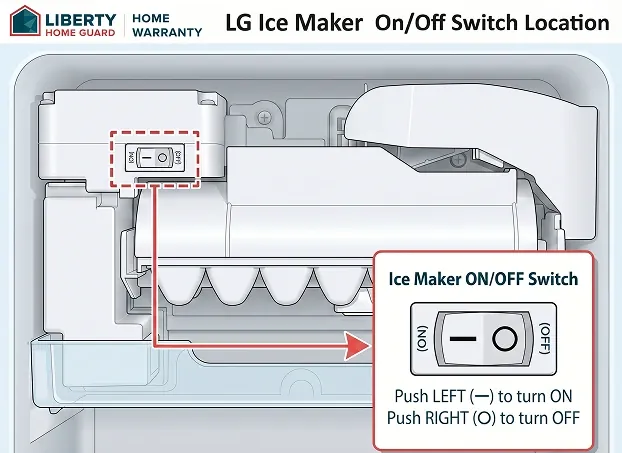
You reset the unit by locating the small test button on the side or bottom of the ice maker housing and holding it down for three seconds. The unit will then start a harvest cycle, which takes about 10 to 15 minutes to complete. If the tray doesn’t move after pressing this button, the system may have a power or motor fault.
Why is my craft ice maker making a clicking noise?
A clicking sound usually means the internal gears are trying to turn a stuck tray or have been stripped due to an obstruction. You should immediately stop the unit by turning it off at the control panel to prevent further damage. If the clicking continues after you clear all visible ice, the internal drive motor likely needs to be replaced by a professional.
How long does it take to make a batch of craft ice?
A full cycle for the craft ice maker typically takes 18 to 24 hours to produce a batch of three to six spheres. This speed depends on the freezer temperature setting and how often you open the freezer door. If you find your ice isn’t ready after 24 hours, check that the freezer is set to 0 degrees Fahrenheit or colder.
Is it safe to use a hair dryer to melt the ice?
It’s safe to use a hair dryer only if you keep it on a low heat setting and maintain a distance of at least six inches from the plastic parts. Never hold the dryer in one spot for more than 30 seconds to avoid melting the ice maker housing. If you feel any plastic softening or see smoke, turn the dryer off immediately and stop the process.
Does the water filter affect the craft ice maker?
The water filter directly affects the craft ice maker because it controls the water pressure and purity required for clear spheres. If your filter is clogged, the ice maker may not get enough water to fill the molds completely. You should replace your water filter based on your usage levels; refer to your owner’s manual for the recommended replacement schedule.
What happens if I force the tray to rotate?
Forcing the tray by hand will likely snap the plastic drive gears or break the internal linkage, which is a common mistake that turns a minor blockage into a repair job. If the tray doesn’t move with light pressure, don’t apply more force. You should instead use a warm cloth to melt the ice causing the jam or call a technician to safely disassemble the unit.
Conclusion
If the problem persists after your inspection, don’t hesitate to reach out to a professional technician. They’ll have the right tools to fix internal components that aren’t easily accessible. Getting it sorted quickly means you’ll be back to enjoying chilled drinks in no time, so don’t wait too long to call for help.
