
When you realize your kitchen cleanup routine has hit a snag because your Frigidaire dishwasher not latching properly, it can feel like a major disruption to your household efficiency. A dishwasher that refuses to close or engage its safety mechanism is more than a minor annoyance; it’s a functional failure that prevents the appliance from filling with water or starting its cycle. Fortunately, this issue is often related to simple mechanical obstructions or worn-out components that you can inspect and potentially resolve without needing an immediate service call. Understanding the anatomy of your door assembly is the first step toward getting your appliance back to its routine cleaning duties.
Key Takeaways
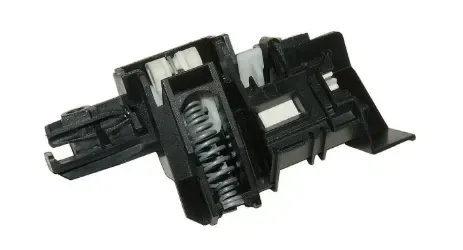
- Check for physical obstructions like food debris or silverware that may prevent the door latch mechanism from fully engaging.
- Inspect the door gasket for tears or mineral buildup that could create resistance against the frame.
- Verify that the dishwasher is level, as a shifted unit can cause the door strike to misalign with the latch.
- Replacement parts for door latches and strikes are generally affordable and accessible for DIY repair.
- Always disconnect the power supply from your circuit breaker before performing any internal inspection or part replacement.
Why Is the Door Not Closing?
The most common reason for a latching failure involves the physical interface between the door and the tub. Over time, debris can accumulate in the latch assembly, preventing the spring-loaded hook from grabbing the strike plate. Furthermore, if your dishwasher was recently installed or if the flooring has shifted, the entire unit might be leaning slightly. This misalignment means the latch and the strike plate are no longer perfectly centered, preventing a solid connection.
| Component | Function | Common Failure Sign |
|---|---|---|
| Door Latch | Secures door | Won’t stay closed |
| Door Strike | Receives latch | Loose or worn metal |
| Gasket | Seals water | Visible tears/cracks |
| Hinge | Pivots door | Sagging or uneven gap |
Inspecting the Latch and Strike
The latch assembly is the heart of your door’s security. To inspect it, open the door fully and look at the top center of the interior tub. You’ll see the strike plate, which is the metal piece the latch hooks into. Check if this plate is loose or bent. If the screws securing it are stripped or missing, the latch can’t apply enough pressure to hold the door shut.
Additionally, look into the latch housing on the door itself for any trapped bits of food or hardened detergent residue that might be blocking the moving parts. If the latch feels “mushy” or doesn’t snap back when you manually push it with a screwdriver, the internal spring mechanism may have failed.
Is the Door Gasket Damaged?
Sometimes, the door isn’t actually failing to latch, but rather the door gasket is preventing it from reaching the closed position. This rubber seal runs along the perimeter of the door and the tub. If it has become brittle, detached, or coated in food grime, it adds extra thickness that forces the door to bounce back.
Run your fingers along the gasket to check for stiff sections or areas where the seal has come out of its track. If you notice significant gaps, the door will struggle to achieve the airtight seal necessary for the latch to click into place. Cleaning the gasket with a mild detergent and a soft cloth often resolves minor resistance issues.
Checking Dishwasher Alignment
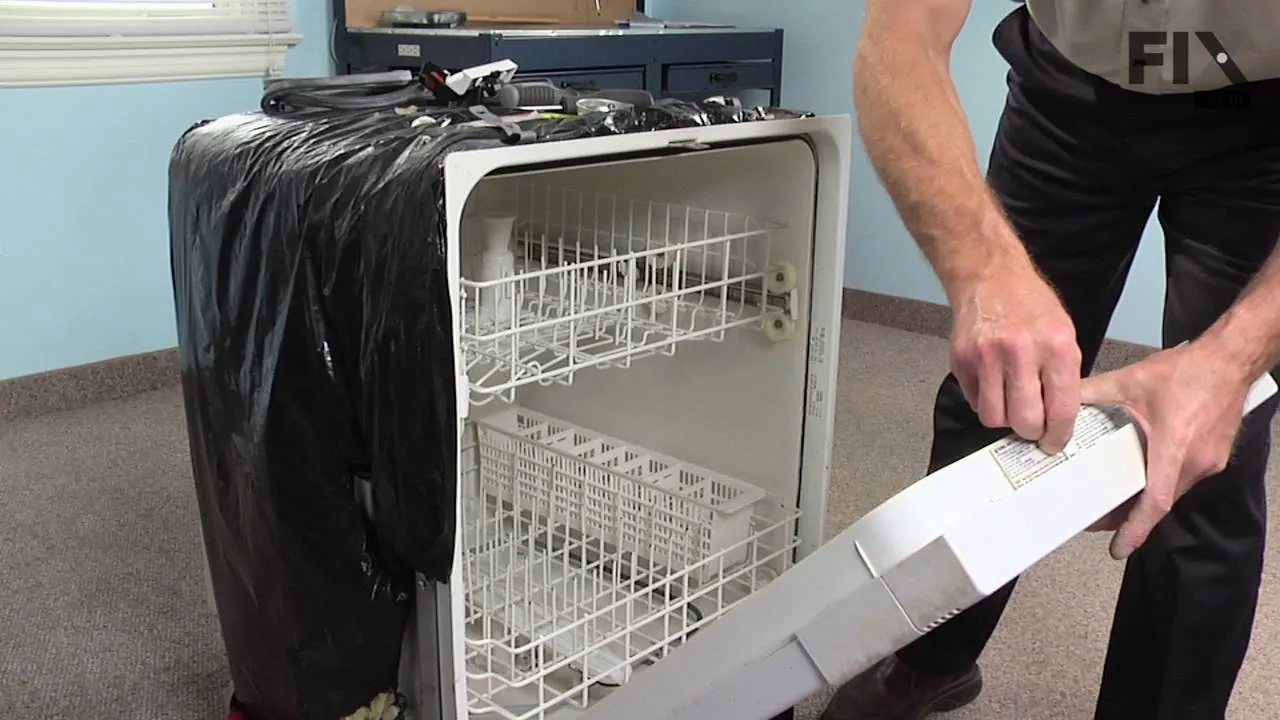
If the latch and strike plate appear to be in good condition but still refuse to connect, your appliance may have shifted. Frigidaire dishwashers rely on precise alignment between the door and the main frame. If the unit is tilted forward, the top of the door might be pulling away from the strike plate.
Use a bubble level on the top and sides of the dishwasher to ensure it’s perfectly horizontal. If it isn’t level, adjust the leveling legs at the bottom of the unit. According to the Frigidaire appliance installation instructions, the unit must be properly leveled and secured to the cabinetry or countertop to ensure the door seals and latches function correctly during heavy wash cycles.
Replacing the Latch Assembly
If you have confirmed that there are no obstructions and the unit is level, the internal latch mechanism might be broken. To replace it, you’ll need to remove the inner door panel. First, kill the power to the dishwasher at your home’s breaker panel. Unscrew the perimeter screws on the inner door panel to reveal the wiring and the latch housing.
Carefully take a photo of the wire connections before unplugging them, as this will serve as your guide during reassembly. Remove the old latch and install the new one, ensuring the wiring harness clicks firmly into place. Once the new part is installed, reattach the inner panel and restore power to test the unit.
Safety Precautions for Repairs
Working on electrical appliances requires a cautious approach. Never attempt to bypass a safety switch or modify the latch to make it stay closed if the underlying mechanical issue isn’t resolved. A dishwasher that doesn’t latch properly could potentially leak water, causing damage to your kitchen flooring or cabinetry.
Furthermore, the latch is tied to a safety interlock system that prevents the dishwasher from heating or spraying water if the door is open. Forcing the door to stay shut with external objects or tape is a fire and water damage hazard. Always prioritize the integrity of the manufacturer-specified components.
Parts Comparison Table
| Part Name | Estimated Cost Range | Difficulty Level |
|---|---|---|
| Door Latch Assembly | $25.00 – $65.00 | Moderate |
| Door Strike Plate | $10.00 – $25.00 | Easy |
| Door Gasket Seal | $30.00 – $70.00 | Moderate |
| Leveling Leg Kit | $15.00 – $40.00 | Easy |
Fixing Frigidaire Dishwasher Not Latching Issues
- Door bounces back: Check for a misaligned strike plate or a buildup of debris in the latch housing.
- Latch feels loose: Inspect the mounting screws on the strike plate and tighten them if they have backed out.
- No “click” sound: The internal spring in the latch assembly has likely snapped or become dislodged.
- Door looks crooked: The hinge screws may have loosened, causing the door to sag; check the hinge brackets on both sides.
- Water leaks near handle: The door gasket is likely damaged or improperly seated, preventing the door from fully compressing.
When to Call a Pro
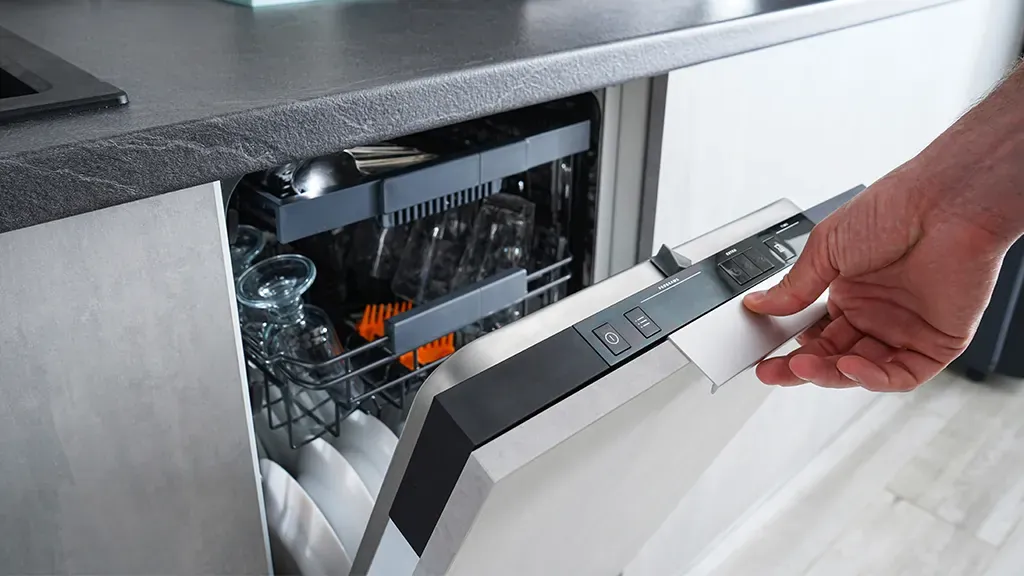
If you have replaced the latch assembly and the dishwasher still refuses to secure, the issue might be deeper in the control board or the door interface wiring. Additionally, if the door hinges themselves are bent or the tub frame is warped, a simple part replacement won’t fix the alignment.
Professional technicians have the tools to measure the frame’s squareness and can identify if the door hinge geometry has been compromised. If you feel uncomfortable handling wiring or removing the inner door panel, it’s safer to contact a certified technician to avoid accidental damage to the control board or wire harnesses.
Frequently Asked Questions
Why does my dishwasher door keep popping open during a cycle?
This usually happens because the latch isn’t fully engaging due to a worn strike plate or the dishwasher being unevenly installed. When the unit heats up, the metal expands slightly, and if the latch isn’t firmly locked, the pressure can cause the door to pop open. Check that your unit is level and that the latch hook isn’t chipped or worn down.
Can I fix a broken dishwasher latch myself?
Yes, replacing a latch assembly is a standard repair that most homeowners can perform with basic tools like a screwdriver and a nut driver. The process involves removing the inner door panel, swapping the faulty latch, and reconnecting the electrical wires. Always ensure the power is cut at the breaker before starting, as exposed electrical components pose a significant shock risk during the disassembly of the door panel.
What causes the dishwasher latch to fail suddenly?
Sudden failure is often caused by the internal spring inside the latch assembly snapping. These springs are under constant tension and can fatigue over several years of frequent use. Alternatively, an object may have been slammed in the door, snapping the plastic housing that holds the latch in place. Inspect the latch assembly for any visible plastic cracks or missing spring components to confirm a mechanical failure.
How do I know if my dishwasher is level?
Use a standard bubble level across the top edge of the dishwasher tub and along the side rails. If the bubble isn’t centered, the unit is tilted. You can adjust the height by rotating the legs at the bottom of the dishwasher. Proper leveling ensures the door weight is distributed correctly, allowing the latch to align perfectly with the strike plate every time you close the door.
Is it safe to run a dishwasher that doesn’t latch?
No, it isn’t safe. The latch acts as a safety interlock that prevents the heating element and water pump from operating if the door isn’t securely closed. If the latch is broken, the dishwasher may not start at all, or worse, it could start and immediately leak hot water into your kitchen. Never bypass the latch or force the door shut to bypass the safety switch.
Conclusion
Repairing your dishwasher door is a manageable task that saves you the cost of a professional service visit, which typically ranges from $100 to $250 depending on your location and the complexity of the diagnosis. By following these steps to inspect your strike plate, gasket, and latch assembly, you can likely restore your appliance to full functionality.
Start by clearing any debris from the latch area and verifying that your unit is perfectly level, as these simple adjustments resolve the majority of latching issues. If the latch itself is clearly broken, order the exact manufacturer-compatible part for your specific model number and swap it out after disconnecting the power. Your dishwasher should be back to its regular cleaning schedule shortly.
