
Not every dryer requires an external vent, as the necessity for ventilation depends entirely on the specific technology used to remove moisture from your laundry. While traditional vented dryers must push hot, moist air through a duct and out of your home, modern alternatives utilize closed-loop systems to manage humidity internally. Understanding these differences is essential for homeowners living in apartments, condos, or historic properties where installing external venting is either impractical or strictly prohibited by building codes.
Key Takeaways
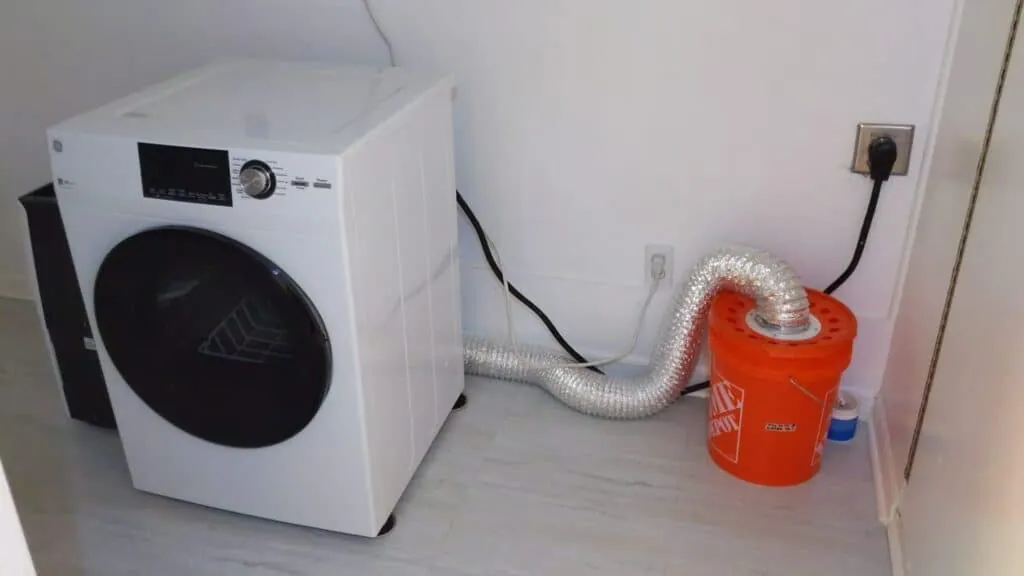
- Vented dryers require a direct path to the outdoors to exhaust hot, humid air and lint.
- Ventless dryers utilize condensation or heat pump technology to capture moisture without needing an external wall opening.
- Space flexibility is the primary advantage of ventless models, as they can be placed in closets or bathrooms.
- Energy efficiency varies significantly between models; heat pump dryers are generally the most economical to operate over time.
- Maintenance requirements differ, as ventless units often require regular cleaning of heat exchangers or water collection tanks.
How Ventless Dryer Technology Works
Ventless dryers operate on the principle of moisture extraction rather than air expulsion. Instead of pushing air through a duct, these machines cycle air within a sealed loop. As the warm air passes through your wet clothes, it absorbs moisture. The machine then cools this air, causing the water to condense, which is then either drained through a hose or collected in a removable tank.
There are two primary types of ventless systems: condensation dryers and heat pump dryers. Condensation dryers use a cold-water heat exchanger to cool the air, while heat pump dryers use a refrigerant system to recycle heat, making them significantly more energy-efficient. Because no air is exhausted, these units are ideal for indoor installations where cutting a hole in the exterior wall isn’t feasible.
| Feature | Vented Dryers | Ventless Dryers |
|---|---|---|
| Installation | Requires external wall hole | Flexible, plug-and-play |
| Energy Use | High (heat loss) | Low to Medium |
| Drying Time | Faster | Slower |
| Maintenance | Clean lint trap, ducting | Clean filter, drain water |
Why Do All Dryers Need A Vent?
The misconception that all dryers require a vent stems from the ubiquity of traditional vented electric and gas models. In a vented system, the dryer pulls air from the room, heats it, passes it through the tumbling clothes, and exhausts the resulting hot, humid air outside. Without a vent, this moisture would accumulate in your living space, leading to significant indoor humidity issues, potential mold growth, and structural damage to walls or ceilings.
If you’re using a standard vented dryer, attempting to run it without a vent is a serious safety hazard. Not only will the humidity cause damage, but the accumulation of lint—which is highly flammable—poses a significant fire risk.
Comparing Vented And Ventless Models
When choosing between these two systems, consider your lifestyle and home layout. Vented dryers are generally less expensive to purchase upfront and offer shorter drying cycles. However, they’re tethered to exterior walls. If your laundry room is in the center of the house, you may be forced to run long, winding ductwork, which reduces efficiency and increases the risk of lint clogs.
Ventless models offer unmatched installation freedom. You can place them in a hallway closet, a bathroom, or even under a kitchen counter. They’re particularly popular in urban areas where external venting is restricted by homeowner associations or building design limitations. While they may take longer to dry a load, they’re much gentler on fabrics because they operate at lower temperatures.
Maintenance For Ventless Systems
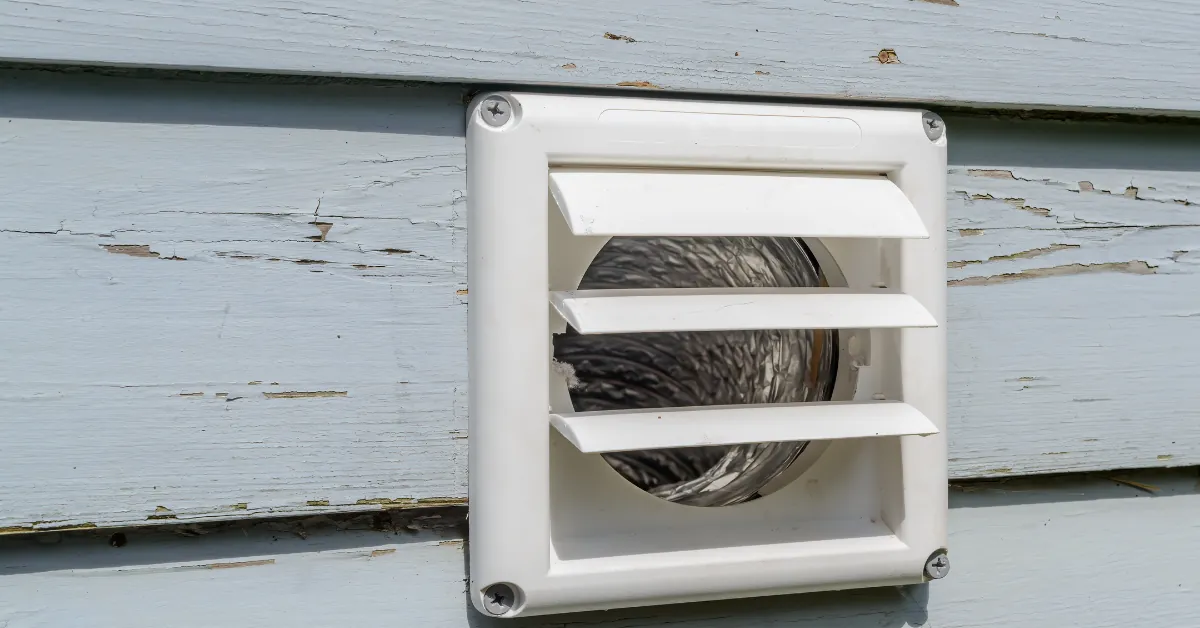
Owning a ventless dryer requires a shift in your maintenance routine. While you still need to clean the lint trap after every load—just as you would with a vented machine—you must also manage the moisture removal process. If your unit uses a water collection tank, you must empty it regularly; otherwise, the machine will stop mid-cycle.
Many modern heat pump models also feature a self-cleaning condenser. Even with this feature, it’s wise to periodically check the base of the machine to ensure no dust or lint has accumulated around the heat exchanger. Neglecting these tasks can lead to longer drying times and increased energy consumption, essentially defeating the purpose of choosing an efficient ventless model.
Can You Convert A Vented Dryer?
It’s a common question, but you generally can’t convert a standard vented dryer into a ventless one. The internal components, such as the fan, heating element, and moisture sensing systems, are specifically engineered for their respective modes of operation. Attempting to block the vent on a vented dryer to create a “ventless” machine will cause the unit to overheat, potentially triggering thermal fuses and causing permanent damage to the machine.
If you find yourself in a situation where you can’t vent your dryer, the only safe and effective solution is to purchase a machine designed for ventless operation. There are several reputable brands that specialize in this technology, including:
- Miele (known for high-end heat pump reliability)
- Bosch (popular for compact, stackable ventless options)
- LG (offers versatile hybrid heat pump models)
- Samsung (features advanced sensor drying technology)
Identifying Your Dryer Type
To determine if your current dryer needs a vent, look at the back of the machine. A vented dryer will have a large, circular opening, usually four inches in diameter, meant to accommodate a rigid or flexible aluminum duct. If you see this hole, your machine is designed to exhaust air, and you must connect it to an exterior vent or a certified indoor venting kit.
If the back of your machine is solid with no large exhaust port, or if you see a water drain hose similar to that of a washing machine, you have a ventless unit. If you’re unsure, consult the model number tag located on the door frame or the back panel. A quick search of the manufacturer’s website using that model number will reveal the installation requirements and whether it’s a vented or ventless appliance.
Potential Challenges With Ventless Units
While ventless dryers are convenient, they aren’t without challenges. One common complaint is the increased drying time. Because they operate at lower temperatures and rely on condensation, a load that takes forty minutes in a vented dryer might take eighty minutes in a ventless unit. This is a trade-off for the energy savings and fabric care benefits that these machines provide.
Another factor is the ambient temperature of the room. Ventless dryers work best in well-ventilated rooms. If you place a ventless unit in a tiny, enclosed closet without any airflow, the machine may struggle to cool the condenser effectively, leading to poor drying performance. Providing a small amount of clearance around the machine can significantly improve its efficiency and longevity.
Evaluating Energy Efficiency Ratings
When shopping for a new dryer, look for the Energy Star label. This is particularly important for ventless heat pump dryers, as they’re often significantly more efficient than standard electric models. By recycling the heat used during the drying process, these units consume far less electricity, which can lead to noticeable savings on your monthly utility bills over the lifetime of the machine.
| Dryer Type | Typical Energy Use | Best For |
|---|---|---|
| Vented Electric | High | Large homes, basement laundry |
| Vented Gas | Medium | High-volume laundry needs |
| Ventless Heat Pump | Very Low | Small apartments, eco-conscious |
Indoor Venting Kits: A Word Of Caution
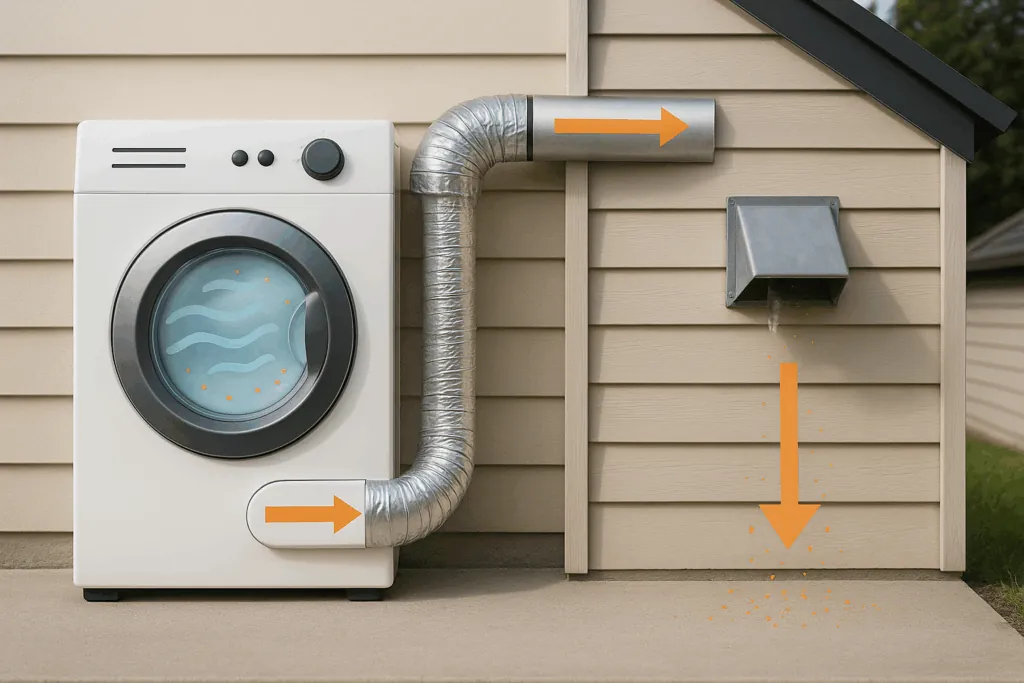
You might encounter products marketed as “indoor dryer vent kits” for vented dryers. These kits typically consist of a container filled with water or a mesh screen designed to catch lint and moisture. While they might seem like a solution for homes without exterior access, they’re rarely recommended by manufacturers.
These kits often fail to capture all the moisture, leading to high humidity levels and the risk of mold. Furthermore, they can become a fire hazard if the lint screen isn’t cleaned constantly. Most building codes prohibit the use of these indoor venting kits for gas dryers, as they can lead to the buildup of carbon monoxide inside your home. Always prioritize a direct exterior vent whenever possible, or invest in a properly engineered ventless appliance.
Frequently Asked Questions
Do all ventless dryers require a drain line?
Most ventless dryers come with a water collection tank that you empty manually. However, many models offer an optional drain hose kit that allows you to connect the unit directly to your home’s plumbing, similar to a washing machine. This eliminates the need to empty the tank, making the machine much more convenient for daily use.
Are ventless dryers more expensive to buy?
Generally, yes. Ventless dryers, particularly those using heat pump technology, have a higher upfront cost compared to basic vented electric models. However, they often qualify for local utility rebates and save money on energy costs over time. The price range for a quality ventless dryer typically falls between $800 and $2,200 depending on the brand, features, and capacity.
Can I stack a ventless dryer?
Yes, most ventless dryers are designed to be stackable, which is one of their primary benefits. Because they don’t require bulky ductwork, they’re perfect for laundry towers in small closets or narrow utility rooms. Always use the manufacturer-approved stacking kit to ensure the stability and safety of the unit, as the vibrations during the spin cycle can be significant.
Do ventless dryers take longer to dry clothes?
Yes, ventless dryers typically take longer to complete a cycle than vented models. This is because they use lower heat levels to preserve fabric quality and rely on condensation to remove moisture. While a cycle might take longer, you’ll find that your clothes are less prone to shrinking or heat damage, which extends the life of your garments.
Will a ventless dryer make my room hot?
Ventless dryers do generate some heat during operation, but modern heat pump models are much better at containing that heat within the machine than older condensation units. While the room might feel slightly warmer during a long cycle, it’s usually not a significant issue if the room has adequate space and ventilation to allow for airflow around the appliance.
Conclusion
Choosing the right dryer for your home comes down to balancing your installation constraints with your laundry needs. If you have the space for a vent, a traditional model remains a cost-effective and fast option. However, if you’re limited by your home’s layout, a ventless machine is a highly capable, efficient alternative. Start by measuring your available space and checking for existing ductwork to determine which path is best for your unique situation.
