
Finding that your dishwasher door latch is stuck closed can be incredibly frustrating, especially when you have a full load of dirty dishes sitting inside. This common appliance failure often prevents the machine from starting or, conversely, keeps the door locked tight after a cycle has finished. Whether you’re dealing with a mechanical jam or a faulty electrical component, the fix is usually manageable if you approach the problem methodically and safely.
Key Takeaways
- Always disconnect the power supply at the circuit breaker before attempting any internal repairs to avoid accidental electrical shock.
- A stuck latch is frequently caused by a simple mechanical obstruction, such as a stray utensil or a buildup of dried food debris.
- If the latch is electrical, check for a blown thermal fuse or a failed door switch using a multimeter.
- Replacement latch assemblies typically cost between $40 and $150, depending on your specific appliance brand and model.
- Manual release methods can often open a locked door without needing to dismantle the entire control panel or door assembly.
Is Your Latch Stuck or Broken?
Before you start unscrewing panels, determine if the issue is a physical jam or a mechanical failure. A stuck latch often feels “mushy” or provides no resistance when you pull the handle. If the door feels like it’s physically held by a hook, it may be a debris issue. If the door feels like it’s locked by the machine’s computer, it may be a thermal relay issue.
Pro Tip: If the dishwasher just finished a cycle and the door is locked, it might be a safety feature. Wait at least 30 minutes for the internal temperature to drop, as some models utilize a wax motor lock that only releases once the unit cools down.
Mechanical Obstructions and Debris
The most common reason for a latch failing is the accumulation of residue. Over time, soap scum, grease, and food particles can harden inside the latch mechanism, effectively gluing it in place. You can attempt to clear this by using a thin, flexible plastic tool to gently work around the edges of the latch housing. Avoid using metal screwdrivers, as these can scratch the finish or damage the plastic components.
Cleaning the Latch Area
- Use a soft-bristled toothbrush to scrub the latch hook.
- Apply a small amount of white vinegar to dissolve mineral deposits.
- Ensure the door seal is clear of any large food chunks that might be preventing the latch from engaging or disengaging properly.
How to Release a Stuck Dishwasher Door Latch
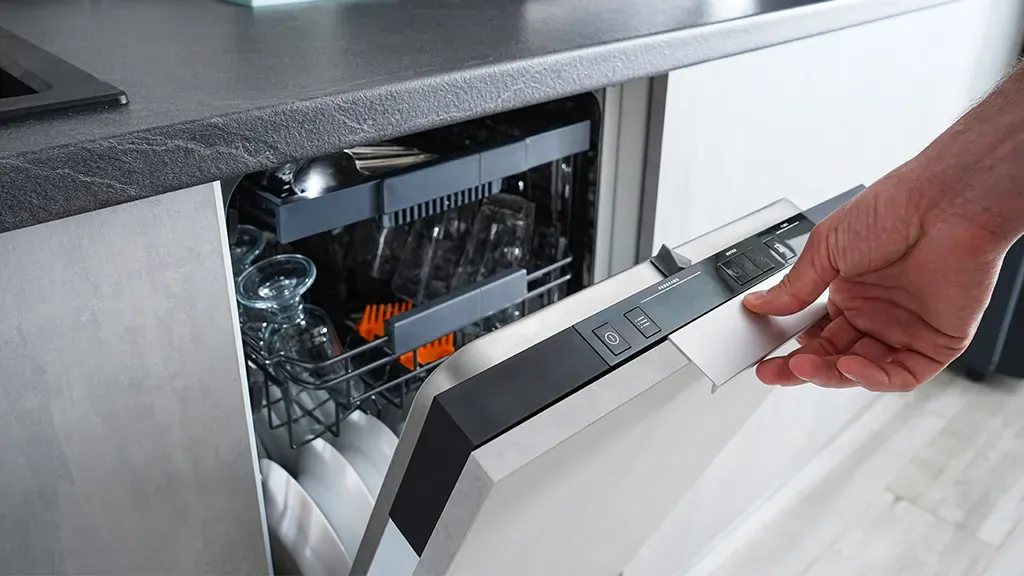
If the door remains locked despite your cleaning efforts, you may need to perform a manual bypass. On many models, you can slide a thin putty knife or a plastic card between the door and the frame to trigger the latch hook manually. You must be extremely careful not to damage the rubber door gasket while performing this maneuver.
| Method | Best For | Difficulty Level |
|---|---|---|
| Putty Knife Slide | Mechanical Jams | Moderate |
| Power Reset | Electronic Glitch | Easy |
| Panel Removal | Broken Internal Spring | High |
Inspecting the Door Switch
The door switch is a critical component that tells the dishwasher the door is securely closed. If this switch is faulty, the machine may not recognize that the door is closed, or it may remain locked because it thinks the cycle is still active. To test this, you’ll need a multimeter to check for continuity. If the switch doesn’t show continuity when the button is pressed, it’s likely defective and needs to be replaced.
Warning: Never attempt to bypass a safety door switch by jumping the wires. This creates a significant fire and flooding hazard, as the dishwasher could start while the door is open or fail to stop if a leak occurs.
Troubleshooting Thermal Fuse Failures
Many modern dishwashers use a thermal fuse as a safety device. If the control board detects an overheating issue, the fuse may blow to prevent a fire, which can often result in the unit locking up or becoming completely unresponsive. You can find the specific testing procedures for your model by consulting the official General Electric appliance troubleshooting documentation regarding electrical safety components. If the fuse has no continuity, it must be replaced with an identical part to restore functionality.
Comparing Repair Costs
Repairing a latch assembly is often more cost-effective than calling a professional technician. Below is a comparison of typical costs associated with different repair paths.
| Repair Option | Typical Cost Range | Time Required |
|---|---|---|
| DIY Cleaning | $0 – $5 | 15 Minutes |
| DIY Part Replacement | $40 – $150 | 1–2 Hours |
| Professional Service | $150 – $350 | 2–4 Hours |
Checking the Control Board
Sometimes, the latch isn’t the problem at all; the control board may be failing to send the signal to release the lock. If you have verified that the latch mechanism itself is physically sound but the dishwasher still won’t open, the board might be stuck in a “cycle complete” loop. Try unplugging the dishwasher for ten minutes to perform a hard reset of the control board. If the issue persists, the board itself may be the culprit.
Replacing the Latch Assembly
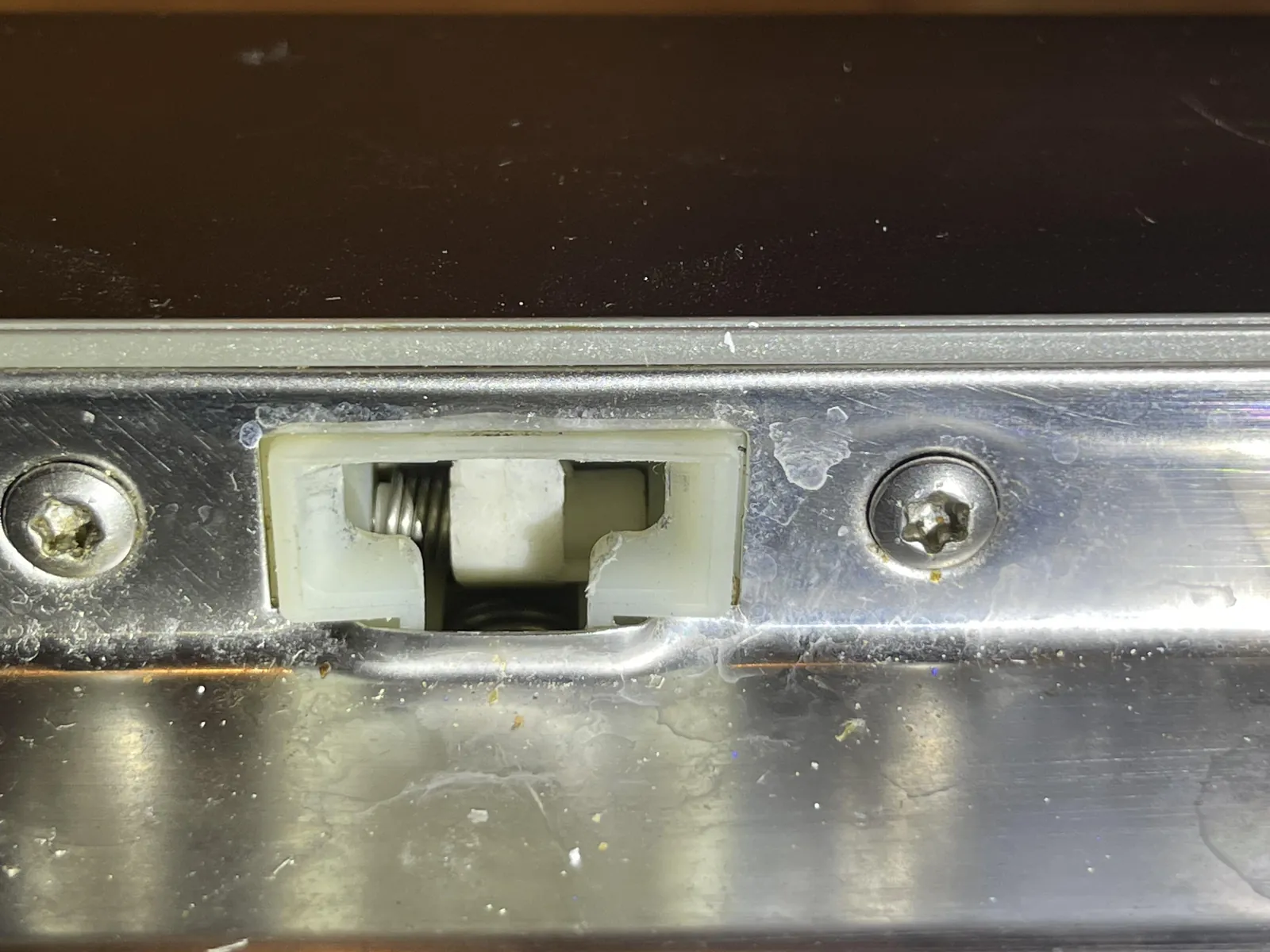
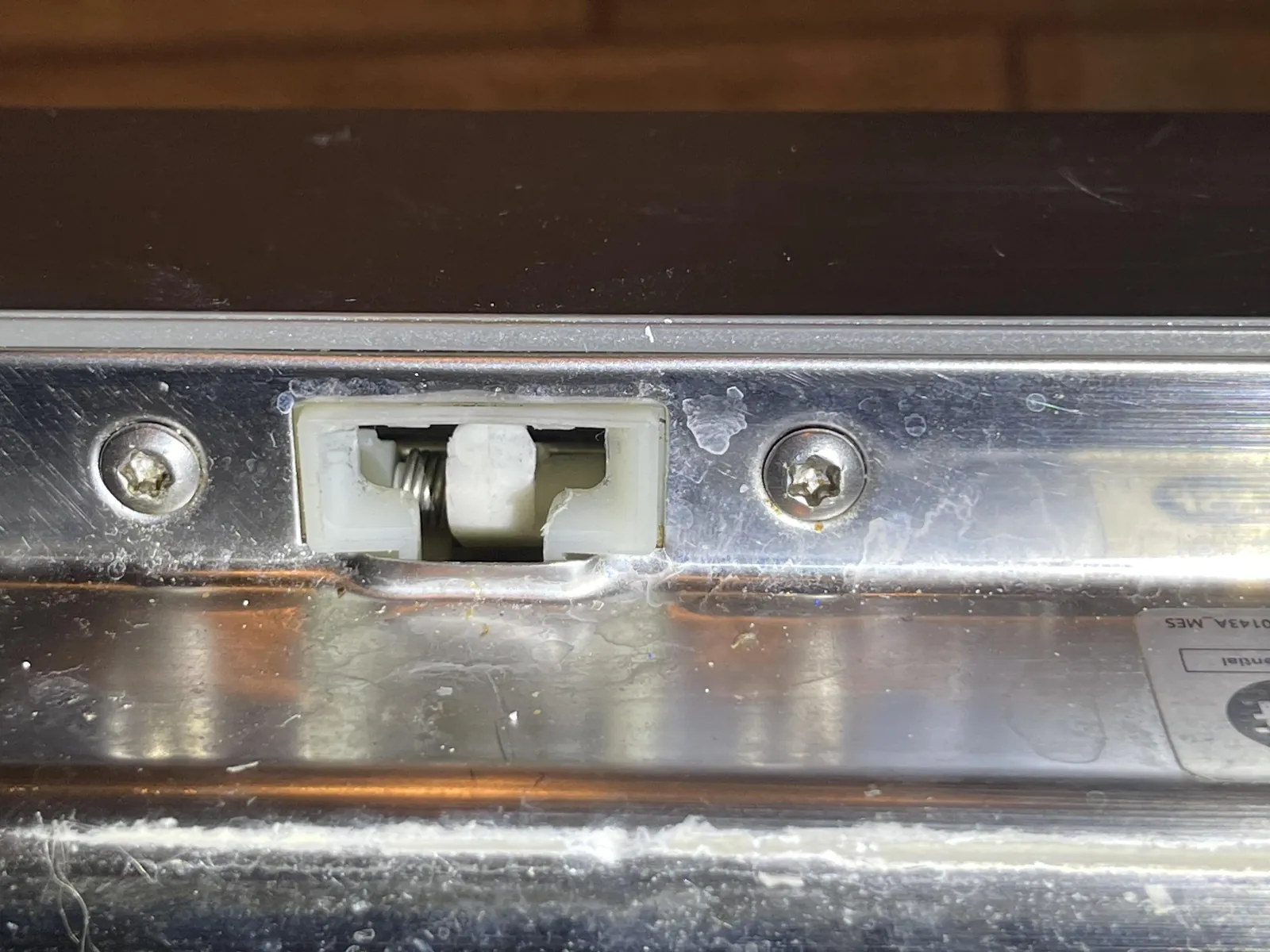
If the internal spring or the plastic housing of the latch is broken, you must replace the entire assembly. This requires removing the inner door panel. First, unscrew the screws located along the inner perimeter of the door. Carefully pull the panel away, taking note of where the wire harnesses connect to the latch assembly. Snap photos before disconnecting anything so you can easily reassemble the unit later.
Essential Tools for Replacement
- Torx head screwdrivers (often T15 or T20).
- Needle-nose pliers for wire connections.
- Work gloves to protect hands from sharp metal edges.
- A magnetic tray for keeping track of small screws.
Can You Force It Open?
While many people are tempted to pull hard on the handle, this is rarely a good idea. Forcing the door open often results in snapping the plastic handle or warping the door frame, which will cost significantly more to repair than a simple latch assembly. Always prioritize gentle, mechanical manipulation over brute force. If the door doesn’t yield to a firm but gentle pull, stop and investigate the internal mechanism instead.
When to Call a Pro
If you have tried resetting the unit, cleaning the debris, and testing the fuse, yet the door remains stuck, it may be time to call a professional. Complex electronic issues or broken hinges that are obscured by the frame require specialized tools. Professional technicians can safely disassemble the door without damaging the sensitive control interface or the waterproof seals that keep your kitchen floor dry.
Related guides
- Best Affordable Dishwasher in 2026
- Best Countertop Dishwasher Under 400 in 2026
- How to Repair a Foosball Table: Fix Stuck Rods in 2026
Frequently Asked Questions
Why does my dishwasher door lock automatically?
Most dishwashers use an electronic or wax motor lock to ensure safety during high-temperature washing cycles. This prevents the door from being opened while hot water or steam is inside the tub. It’s a protective feature designed to prevent burns and accidental flooding. The lock should release automatically once the internal sensor detects that the temperature has returned to a safe level.
Can a stuck latch cause a leak?
Yes, a faulty or misaligned latch can prevent the door from sealing tightly against the gasket. If the latch doesn’t pull the door in with enough pressure, water can seep out during the wash cycle. If you notice water pooling near the bottom of the door, check the latch for loose screws or worn plastic hooks that may be preventing a proper seal.
How do I know if the latch is broken?
If the latch feels loose, wobbly, or makes a grinding noise when you attempt to open the door, the internal mechanism is likely damaged. Additionally, if the dishwasher refuses to start even when the door is closed, the door switch integrated into the latch assembly may be failing to send the “door closed” signal to the main control board.
Is the latch repairable or must I replace it?
In almost all modern dishwashers, the latch assembly is a sealed, non-serviceable plastic unit. While you can clean the exterior hooks, you can’t typically open the latch housing to fix internal springs or electronic solenoids. Replacing the entire assembly is the standard, safest, and most reliable method for resolving a mechanical failure within the locking mechanism.
Does a power outage affect the door lock?
If your dishwasher loses power while the door is locked, the solenoid or wax motor may not receive the signal to retract. In some cases, the door will remain locked until power is restored and the control board completes its cycle or performs a reset. If the power is off, you may need to manually release the latch from inside the door panel.
Conclusion
If you have successfully identified that the latch is indeed the source of your problem, your next step is to locate the specific model number of your dishwasher, usually found on a sticker along the inner rim of the door or the side of the tub, and order a replacement latch assembly from a reputable appliance parts supplier to ensure a perfect fit.
